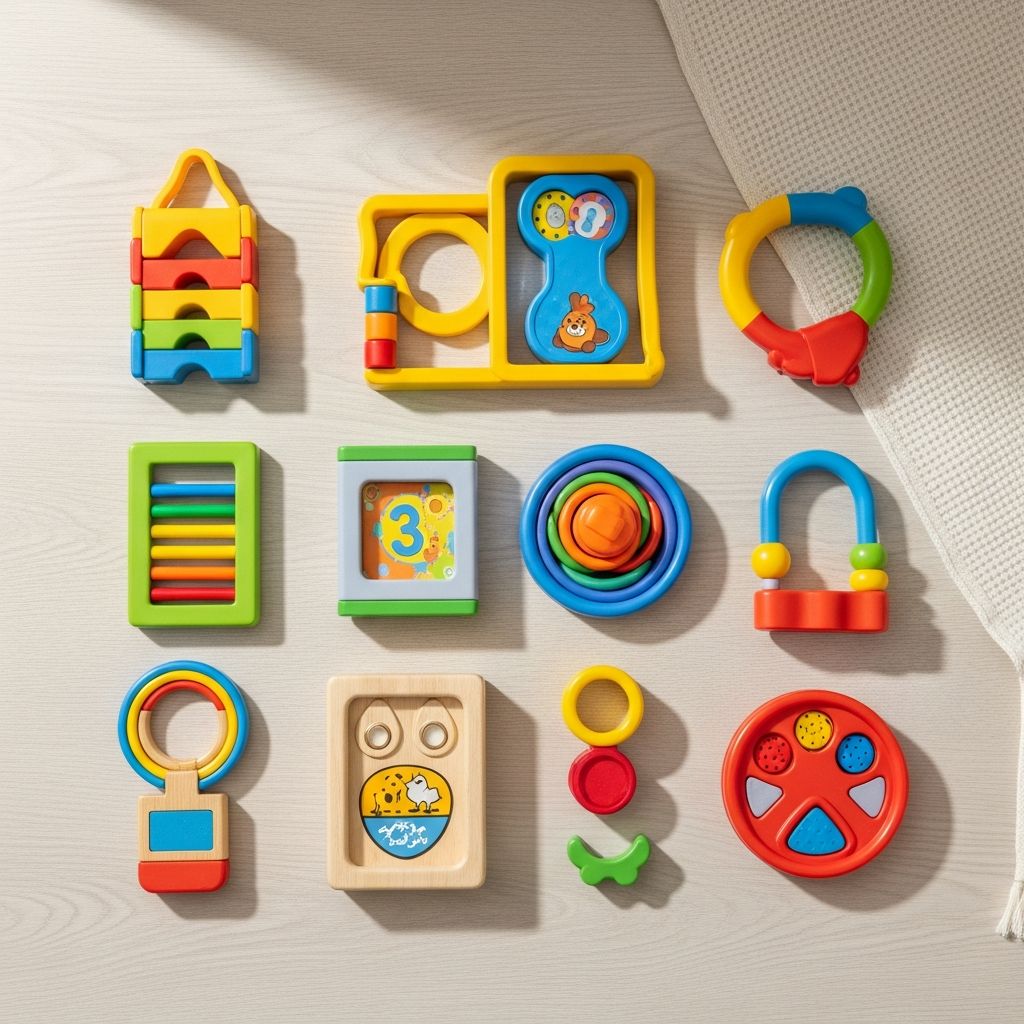
Why Toys Matter for 3-Year-Olds
At age three, children are rapidly developing their cognitive, social, and physical abilities. The right toys can help them build confidence, learn new skills, and express their creativity. Play is not just entertainment—it’s a vital part of early childhood development, supporting language, motor skills, and emotional growth .
Key Benefits of Age-Appropriate Toys
- Enhance problem-solving and critical thinking skills
- Encourage imaginative and pretend play
- Support fine and gross motor development
- Boost social skills through cooperative play
- Stimulate language and communication abilities
Categories of Toys for 3-Year-Olds
Choosing toys that align with a child’s developmental stage ensures they are both fun and educational. Here are some of the most beneficial categories:
Building and Construction Toys
Blocks, snap-together sets, and stacking toys help children develop spatial awareness, hand-eye coordination, and creativity. These toys encourage experimentation and problem-solving as kids build towers, bridges, and imaginative structures .
Pretend Play and Role-Playing Sets
Dress-up clothes, play kitchens, doctor kits, and toy vehicles allow children to explore different roles and scenarios. Pretend play fosters empathy, language skills, and social interaction, helping kids understand the world around them .
Arts and Crafts Supplies
Washable crayons, markers, finger paints, and large paper sheets give children the freedom to express themselves creatively. Art activities also strengthen fine motor skills and encourage decision-making .
Learning and Educational Toys
Puzzles, counting games, and alphabet centers help children develop early math and literacy skills. These toys often combine fun with learning, making education engaging and accessible .
Physical Activity and Outdoor Toys
Balls, ride-on toys, tunnels, and climbers promote gross motor skills and physical health. Active play helps children build strength, coordination, and confidence .
Top Toy Recommendations
Here are some standout toys that are highly rated for 3-year-olds:
- Wooden Blocks and Building Sets: Encourage creativity and spatial reasoning .
- Pretend Play Kits: Play kitchens, doctor sets, and dress-up trunks foster imaginative play .
- Large Puzzles: Puzzles with 12–20 pieces help develop problem-solving and patience .
- Art Supplies: Washable crayons, finger paints, and large paper sheets for creative expression .
- Outdoor Toys: Balls, ride-on vehicles, and tunnels for physical activity .
- Music and Rhythm Instruments: Simple drums, xylophones, and maracas introduce children to music and rhythm .
Choosing the Right Toy
When selecting toys for a 3-year-old, consider the following factors:
- Safety: Ensure toys are made from non-toxic materials and have no small parts that could be a choking hazard .
- Durability: Look for sturdy construction that can withstand active play.
- Age Appropriateness: Choose toys that match the child’s developmental stage and interests.
- Educational Value: Opt for toys that encourage learning, creativity, and problem-solving.
- Open-Ended Play: Toys that can be used in multiple ways foster imagination and creativity .
Toy Comparison Table
| Toy Type | Benefits | Examples |
|---|---|---|
| Building Blocks | Develops spatial reasoning, creativity | Wooden blocks, snap-together sets |
| Pretend Play Kits | Encourages imagination, social skills | Play kitchen, doctor set |
| Puzzles | Improves problem-solving, patience | 12–20 piece puzzles |
| Art Supplies | Boosts creativity, fine motor skills | Washable crayons, finger paints |
| Outdoor Toys | Supports physical health, coordination | Balls, ride-on vehicles |
Frequently Asked Questions
What are the best toys for a 3-year-old’s development?
Toys that promote creativity, problem-solving, and physical activity are ideal. Building sets, pretend play kits, puzzles, and art supplies are all excellent choices .
Are electronic toys suitable for 3-year-olds?
While some electronic toys can be educational, hands-on, non-screen toys are generally recommended for this age group to encourage active play and creativity .
How can I encourage my child to play with educational toys?
Join your child in play, show interest in their creations, and offer praise for their efforts. Make learning fun by integrating games and stories into playtime .
What safety considerations should I keep in mind?
Always check for age recommendations, avoid toys with small parts, and ensure materials are non-toxic and durable .
Can toys help with social skills?
Yes, toys that encourage cooperative play, such as board games and pretend play sets, help children learn to share, take turns, and communicate effectively .