Why Toddlers Need the Right Pillow
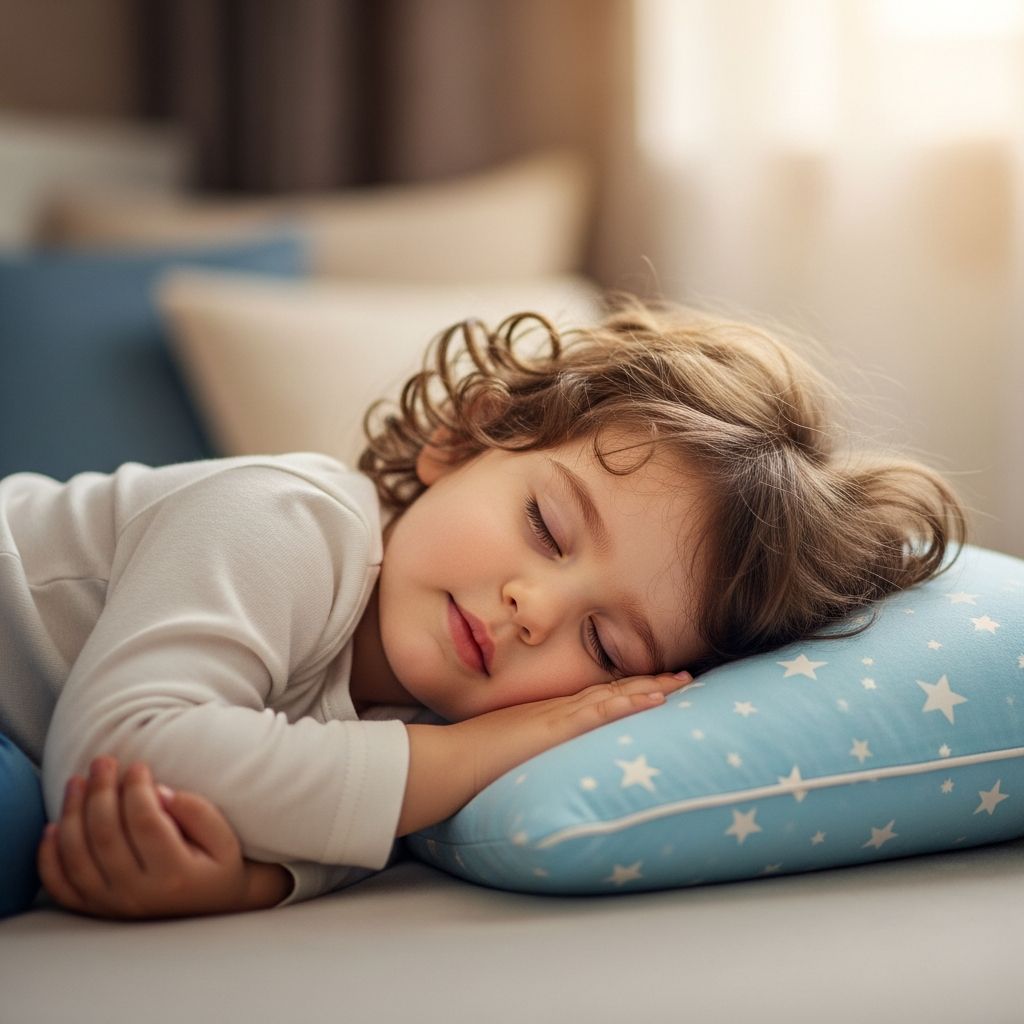
As toddlers grow, their sleep needs change. Introducing a pillow can make bedtime more comfortable, but it’s important to choose one that supports healthy development and safety. The right pillow helps maintain proper neck and spine alignment, which is crucial for young children whose bodies are still growing.
When Is It Safe to Introduce a Pillow?
Most pediatric experts recommend waiting until your child is at least two years old before introducing a pillow. This guideline is based on reducing the risk of suffocation and ensuring that toddlers have developed the motor skills needed to move their heads freely during sleep. If your child is still in a crib, it’s best to avoid pillows altogether until they transition to a toddler bed.
Key Features of a Safe Toddler Pillow
- Size: Opt for a pillow specifically designed for toddlers, typically around 12×16 inches or 13×18 inches. This size fits a child’s head and neck better than an adult pillow.
- Firmness: Choose a pillow that is soft but firm. It should support the head without being too plush or thick, which can strain the neck and spine.
- Material: Look for hypoallergenic, breathable materials such as cotton or polyester fiberfill. Avoid pillows with small particles or seeds, which can pose a choking hazard.
- Washability: Easy-to-clean covers are essential for maintaining hygiene and preventing allergens.
Common Mistakes to Avoid
- Using an adult-sized pillow, which is too large and can be unsafe for a toddler.
- Choosing overly fluffy or thick pillows, including memory foam, which may not provide the right support for a developing child.
- Introducing a pillow too early, especially if the child is still in a crib or younger than two years old.
- Using decorative or novelty pillows not designed for sleep, as these may lack proper support or contain unsafe materials.
How to Help Your Toddler Adjust to a Pillow
Transitioning to a pillow can be exciting for toddlers. Letting your child pick out their own pillowcase or be involved in the selection process can make the change more enjoyable and help them feel ownership over their new sleep accessory. Start by placing the pillow on the bed and letting your child get used to it gradually. Monitor their comfort and adjust as needed.
Material and Safety Considerations
When shopping for a toddler pillow, prioritize safety and comfort. Organic and non-toxic options are available for families concerned about allergies or chemical exposure. Cotton pillow covers are generally cooler and more breathable than synthetic fabrics, which is important if your child tends to get hot at night. Always check that the pillow is free from small parts or hazardous fillings.
Expert Tips for Safe Toddler Sleep
- Consult your pediatrician if you have any concerns about introducing a pillow or your child’s sleep habits.
- Keep the crib free of pillows, blankets, and other soft objects until your child is ready for a toddler bed.
- Regularly inspect the pillow for wear and tear, and replace it if it loses its shape or becomes less supportive.
- Encourage your child to use the pillow only for sleeping, not for play or climbing.
Comparison Table: Toddler Pillow Features
| Feature | Recommended | Avoid |
|---|---|---|
| Size | 12×16 inches or 13×18 inches | Adult-sized pillows |
| Firmness | Soft but firm | Overly fluffy or thick |
| Material | Cotton, polyester fiberfill | Small particles, seeds |
| Washability | Machine-washable covers | Non-removable covers |
FAQs About Toddler Pillows
Can I use a regular pillow for my toddler?
No, adult pillows are too large and can be unsafe for toddlers. Always choose a pillow specifically designed for children.
What age is safe for a toddler to use a pillow?
Most experts recommend waiting until your child is at least two years old.
Are memory foam pillows safe for toddlers?
Memory foam is generally too firm and contouring for young children and is not recommended for toddlers.
How do I know if my toddler is ready for a pillow?
If your toddler is resting their head on blankets or stuffed toys, they may be ready for a pillow. Always consult your pediatrician if unsure.
Can a pillow help with my toddler’s sleep quality?
A properly sized and supportive pillow can improve comfort and sleep quality, but it’s not necessary for every child.