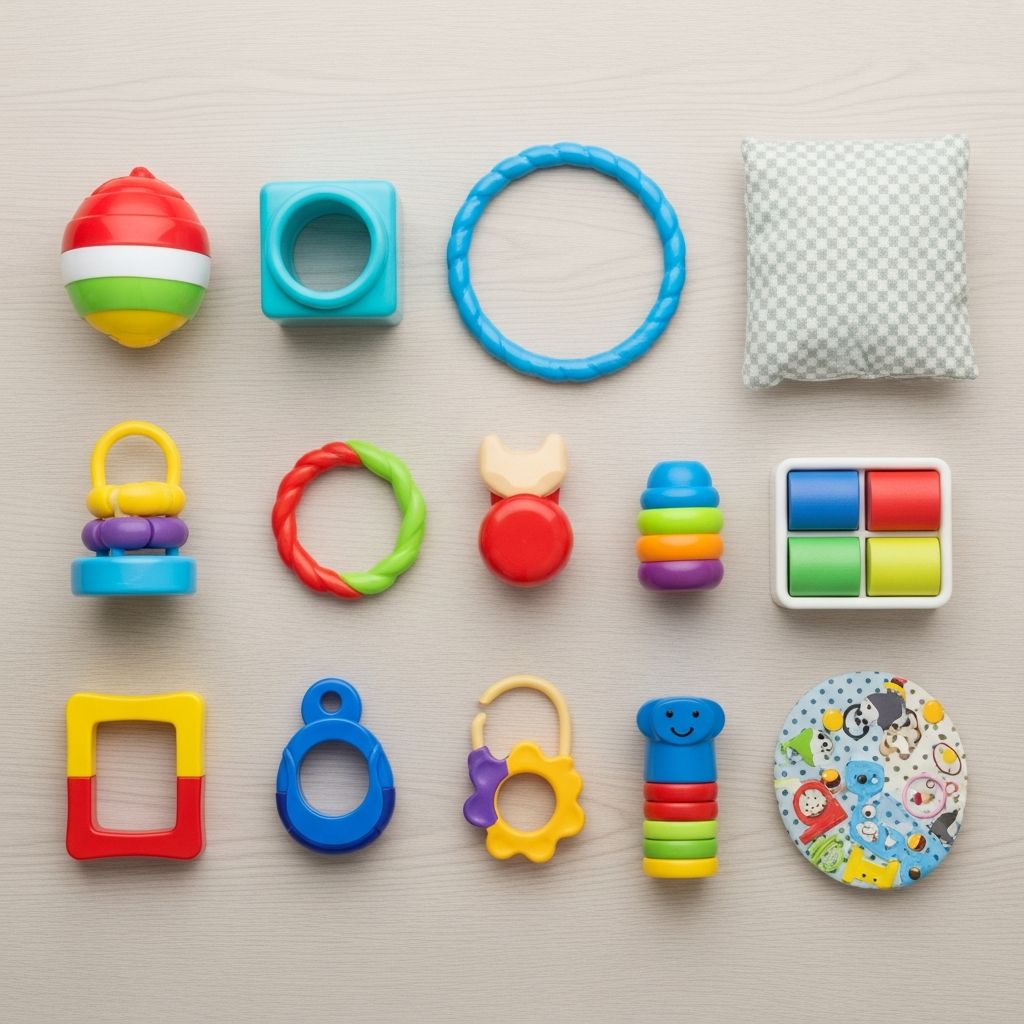
Raising a toddler means navigating the endless world of toy options, many of which carry price tags that can strain even well-planned budgets. The good news? **Some of the most effective developmental toys are surprisingly affordable.** Parents and caregivers don’t need to spend large amounts to provide their children with engaging, educational play experiences that build critical skills.
Research shows that **toys supporting cognitive growth, fine motor development, and sensory exploration** are available at various price points. Understanding which toys deliver the greatest developmental benefit for under $20 can help you make intentional purchases that truly matter for your child’s growth trajectory.
Why Developmental Toys Matter for Young Learners
Toys designed with developmental goals in mind serve as more than simple entertainment. They function as **learning tools that promote hand-eye coordination, problem-solving abilities, and creative thinking**. When toddlers interact with purposefully designed toys, they’re building neural pathways that support later academic and social success.
The most effective toddler toys encourage **active exploration and manipulation** rather than passive consumption. This hands-on interaction helps children understand cause and effect, practice persistence, and develop confidence in their abilities. Additionally, many budget-friendly options provide **sensory stimulation through varied textures, colors, and sounds**, which is essential for young children whose perceptual systems are still developing.
Quality doesn’t always correlate with cost. Many manufacturers offer well-designed, developmentally appropriate toys at accessible price points by focusing on simplicity and durability rather than electronic features or trendy packaging.
Building Fine Motor Control Through Hands-On Play
**Fine motor skills—the ability to control small hand and finger movements—are foundational for writing, self-care, and countless daily tasks.** Affordable toys that target these skills make excellent investments for toddler collections.
Stacking toys remain among the most reliable options for developing hand-eye coordination and grip strength. Simple wooden or plastic stacking cups and rings challenge toddlers to grasp, manipulate, and arrange pieces in specific sequences. As children attempt to balance rings on a post or nest cups in descending order, they engage their problem-solving abilities while strengthening the fine motor control needed for future academic tasks.
Shape sorters represent another cornerstone of affordable fine motor development. These toys require children to **match shapes with corresponding openings, demanding visual discrimination and precise hand control**. The repetitive action of inserting shapes builds dexterity while teaching spatial relationships and persistence. Many quality shape sorters cost between $10–18, making them accessible to most families.
Puzzle toys with large, easy-grasp knobs or chunky pieces offer similar developmental benefits while introducing **problem-solving and hand-eye coordination challenges**. Beginning with simple two- to four-piece puzzles and progressing to more complex designs provides a natural learning progression as your child develops competence and confidence.
Sensory Exploration and Cognitive Growth
Young children learn about their world through sensory input. **Toys that provide varied auditory, visual, and tactile experiences support brain development while keeping toddlers engaged**.
Activity cubes—multi-sided toys featuring buttons, spinning beads, sliding elements, and musical components—deliver concentrated sensory stimulation in a single, affordable package. These toys typically cost $12–20 and offer numerous learning opportunities: pressing buttons develops cause-and-effect understanding, manipulating beads refines fine motor control, and varied sounds and textures stimulate auditory and tactile senses.
Noisemakers and rattles support **auditory discrimination, the ability to recognize and distinguish between different sounds**, which directly supports language development. Toys that produce multiple distinct sounds are particularly valuable, as they challenge children to differentiate between auditory stimuli. This foundational skill helps toddlers later understand spoken language and develop communication abilities.
High-contrast toys and those featuring bold patterns hold particular value for younger toddlers whose vision is still developing. Black-and-white designs and strong color contrasts capture attention and stimulate visual development more effectively than pastel or muted options.
Building Blocks: The Versatile Foundation
Few toys offer the developmental versatility of simple blocks. Whether wooden, plastic, or foam, **blocks support fine motor development, spatial reasoning, creativity, and social skills simultaneously**.
Budget block sets starting at $8–15 provide hours of engaging play. As toddlers grasp and stack blocks, they develop fine motor control and hand-eye coordination. Building structures requires problem-solving and planning, while knocking down towers teaches cause and effect. When multiple children play together with blocks, **social development flourishes through cooperation, communication, and shared creative goals**.
For younger toddlers who are still learning coordination, softer foam or fabric blocks are preferable to hard wood, as they’re safer if dropped and more forgiving during the inevitable teething phase. Older toddlers benefit from traditional wooden blocks or interlocking plastic varieties that encourage more complex construction.
Musical and Sound-Based Learning Tools
Incorporating music into toddler play offers cognitive, emotional, and physical benefits. Affordable musical toys—including simple xylophones, toy drums, and rhythm shakers—typically cost $8–18 and deliver substantial developmental value.
Music toys support **auditory processing, rhythm recognition, and cause-and-effect learning**. When toddlers strike a xylophone key and hear the resulting note, they experience direct feedback connecting their action to a sensory result. This fundamental understanding of cause and effect underpins later logical thinking and problem-solving abilities.
Playing with musical toys also provides emotional expression opportunities. Children can communicate feelings through rhythm and sound before they have words to describe their emotions, supporting emotional intelligence development.
Imaginative Play Through Simple Props
While electronic toys often dominate store shelves, simple props for imaginative play deserve space in toddler toy collections. Puppets, pretend play sets, and simple costume pieces typically cost $5–15 and support **emotional development, communication skills, and creative thinking**.
Puppets function as powerful tools for **nurturing communication skills and inspiring imaginative storytelling**. Through puppet play, toddlers practice expressing themselves creatively, explore different emotional states, and develop empathy by considering different perspectives and experiences. Parents can facilitate puppet conversations that encourage language use while keeping interaction playful and engaging.
Simple pretend play sets—miniature kitchens, doctor kits, or tool sets—invite children to recreate familiar experiences and explore different roles. This imaginative engagement builds **creative thinking, social awareness, and vocabulary** while allowing children to process their daily experiences in safe, controllable ways.
Matching and Memory-Building Games
As toddlers approach age two, simple matching and memory games become developmentally appropriate tools for **cognitive advancement**. These games, often available for $8–16, introduce concentration challenges while building visual discrimination and memory skills.
Matching games with large, familiar images teach toddlers to **recognize similarities, enhance concentration, and develop visual discrimination abilities**. Beginning with just four to six pairs and gradually increasing complexity allows children to build confidence while appropriately challenging their developing cognitive abilities. Group play with matching games introduces early concepts of turn-taking and cooperation.
Comparison: Key Budget-Friendly Toy Categories
| Toy Category | Primary Developmental Benefit | Typical Age Range | Approximate Price Range |
|---|---|---|---|
| Stacking/Nesting Toys | Fine motor skills, hand-eye coordination | 6 months–3 years | $8–15 |
| Shape Sorters | Problem-solving, spatial awareness | 12 months–3 years | $10–18 |
| Activity Cubes | Sensory exploration, fine motor skills | 12 months–3 years | $12–20 |
| Building Blocks | Creativity, spatial reasoning, social skills | 12 months–5+ years | $8–18 |
| Puzzles (Large Pieces) | Problem-solving, hand-eye coordination | 18 months–3+ years | $8–16 |
| Musical Toys | Auditory development, cause and effect | 6 months–3+ years | $8–18 |
| Puppets | Communication skills, emotional development | 18 months–5+ years | $5–15 |
Smart Shopping Strategies for Budget-Conscious Parents
Maximizing toy budgets requires intentional decision-making. Rather than purchasing numerous trendy items, **focus on versatile toys that support multiple developmental domains and grow with your child**.
Quality matters more than quantity. A single well-designed stacking toy used regularly for two years provides better value than ten plastic toys that hold a child’s attention for minutes before becoming forgotten. Look for toys made from durable materials that withstand repeated use, teething exploration, and the inevitable rough handling toddlers provide.
Consider developmental stage when purchasing. A toy perfect for an 18-month-old may not engage a 3-year-old. Selecting toys appropriate to your child’s current abilities ensures engagement and learning. As children master toys, rotation—storing some toys away and reintroducing them later—extends interest and novelty without additional expense.
Books deserve inclusion in toy budgets. **Books are among the most valuable tools for speech, language, and cognitive development** across all age ranges. Picture books with high-contrast images, animal themes, or faces engage infants, while simple narrative books entertain and teach older toddlers. Used books purchased inexpensively or borrowed from libraries provide unlimited reading opportunities.
Safety Considerations for Budget Toys
Affordability should never compromise safety. When purchasing toys under $20, verify that they meet safety standards appropriate to your region. Check for smooth edges, secure attachments, and non-toxic finishes. Toys should not have small parts that present choking hazards for toddlers still prone to mouthing objects.
Read reviews from other parents to identify potential durability or safety issues before purchasing. Many affordable toys from reputable manufacturers meet rigorous safety standards while remaining budget-friendly.
Frequently Asked Questions About Budget Toddler Toys
What’s the minimum age for toys designed to support cognitive development?
Cognitive development begins from birth. Even newborns benefit from high-contrast toys that stimulate visual development. As infants grow into toddlers, toys requiring more complex interaction—like shape sorters and puzzles—become developmentally appropriate, typically around 12 months and older depending on the child’s individual development.
Are wooden toys worth the investment compared to plastic alternatives?
Both wooden and quality plastic toys can support development effectively. Wooden toys often feel more natural and may be perceived as more durable, but quality plastic toys designed for safety and developmental goals are equally valid. The most important factor is selecting toys aligned with your child’s developmental stage and your values, rather than material alone.
How can I tell if a toy will truly support my child’s development?
Look for toys that invite active participation, require problem-solving or manipulation, and align with age-appropriate developmental milestones. **Toys supporting fine motor skills, sensory exploration, cognitive challenges, and creative expression typically offer greater developmental benefit**. Avoid toys that primarily require passive watching or pressing buttons without meaningful interaction.
Can I rotate toys to extend their usefulness without additional expense?
Yes, rotation is an effective strategy. Storing some toys away and reintroducing them creates novelty and renewed interest. A toy your child has moved beyond developmentally often becomes engaging again after time away, effectively extending the value from each purchase.
What role do books play in supporting development compared to traditional toys?
**Books are exceptionally valuable tools that enhance speech, language, social, and cognitive development**. Sharing books with toddlers builds vocabulary, introduces concepts, strengthens bonding, and establishes positive associations with learning and reading. Books should definitely have space in toy budgets.
Conclusion: Investing Wisely in Early Development
Building a developmentally rich toy collection for toddlers doesn’t require substantial financial investment. **Affordable toys designed with developmental principles in mind offer real value for supporting motor skills, cognitive growth, sensory development, and emotional expression**. By focusing on versatile, well-designed options and rotating selections as your child grows, you can create an engaging play environment that nurtures development without straining family budgets. The most important investment is your involvement and interaction—playing alongside your child transforms even simple, inexpensive toys into powerful learning experiences.
References
- Top 10 Brain Development Toys for Toddlers — Bumbu Toys Blog. Accessed 2026-01-16. https://www.bumbutoys.com/blog/wooden-toys/top-10-brain-development-toys-for-toddlers
- Early Childhood Development Toys By Age — UnityPoint Health. Accessed 2026-01-16. https://www.unitypoint.org/news-and-articles/early-childhood-development-toys-by-age
- The 20 Best Developmental Toys for Your Baby and Toddler — Pathfinder Health. Accessed 2026-01-16. https://www.pathfinder.health/post/developmental-toys