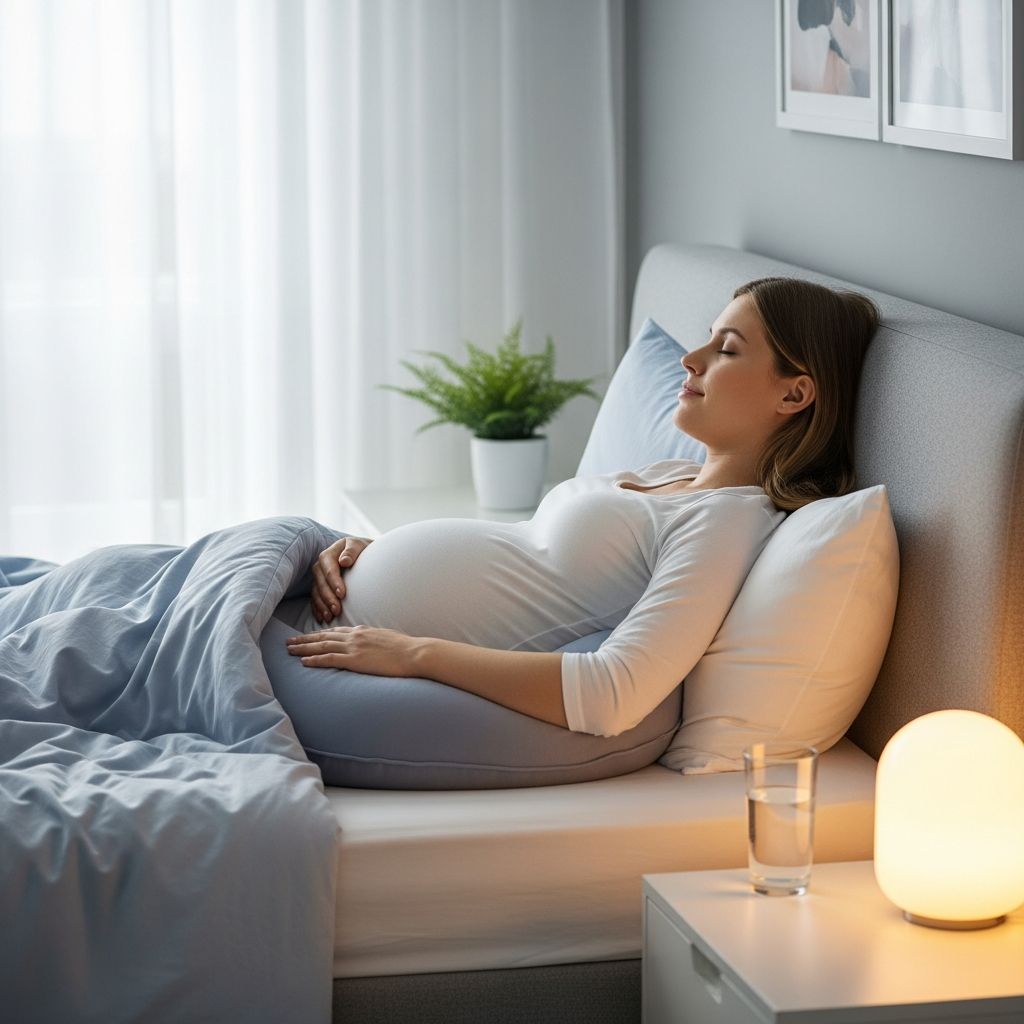
During pregnancy, finding a comfortable sleep position becomes increasingly challenging as the body changes, but certain postures offer clear health advantages for both mother and baby. Experts universally recommend side sleeping, particularly on the left side, starting around 28 weeks to optimize blood flow and minimize risks, though right-side sleeping remains a viable alternative in many cases.
Why Sleep Positions Matter in Pregnancy
Your sleeping posture directly influences circulation, organ function, and fetal oxygenation. As the uterus expands, it can compress major blood vessels like the inferior vena cava (IVC), a large vein on the right side of the spine that returns blood to the heart. Poor positioning reduces blood flow to the placenta, potentially limiting oxygen and nutrients to the baby while causing maternal symptoms like dizziness or swelling.
Studies show that supine (back) sleeping after 28 weeks elevates stillbirth risk by up to 50% compared to side sleeping, prompting campaigns like Tommy’s Sleep On Side to advocate for side positions. Side sleeping aligns the body to support natural changes, easing pressure on the back, hips, and vital organs.
Optimal Choice: Left Side Sleeping Benefits
The left side is the gold standard for pregnancy rest because it maximizes placental perfusion and heart return. This position keeps the uterus away from the IVC and aorta, ensuring unrestricted blood flow.
- Boosts oxygen and nutrient delivery to the fetus via enhanced placental circulation.
- Improves kidney efficiency, reducing waste buildup and sodium retention for less swelling.
- Relieves liver compression, aiding digestion and preventing discomfort.
- Decreases leg and ankle edema by promoting venous return.
- Lowers risks of complications like low blood pressure or fetal distress.
Healthcare providers encourage adopting left-side sleeping early to build the habit, especially beneficial in the second and third trimesters when uterine weight increases.
Is Right Side Sleeping Safe During Pregnancy?
Yes, sleeping on your right side is generally safe and preferable to back or stomach positions. While not as optimal as the left due to slight IVC proximity, multiple studies confirm no significant difference in outcomes between sides after 28 weeks.
A 2019 review and Tommy’s campaign analysis found right-side sleeping equally protective against stillbirth risks compared to left-side, with one earlier study noting minor elevation but contradicted by larger datasets. It’s ideal for rotation when left-side fatigue sets in, preventing soreness in hips or shoulders.
| Position | Circulation Impact | Best For | Potential Drawbacks |
|---|---|---|---|
| Left Side | Optimal (IVC/Aorta free) | Blood flow, swelling reduction | May cause hip discomfort over time |
| Right Side | Good (minimal compression) | Comfort alternation, variety | Slightly less placental flow |
| Back | Poor (IVC compressed) | Early pregnancy only | Stillbirth risk, dizziness |
| Stomach | Not viable late-term | First trimester | Impossible with bump |
When to Switch to Side Sleeping
Early pregnancy allows flexibility—back or stomach sleeping poses little risk before 28 weeks when the uterus is small. From 28 weeks onward, prioritize sides during all rest periods, including naps, to safeguard fetal health.
This timeline aligns with MiNESS study projections: widespread side sleeping could prevent thousands of stillbirths annually by ensuring placental oxygenation. Consult your provider for personalized advice if conditions like back pain persist.
Practical Strategies for Comfortable Side Sleeping
Achieving restful side sleep requires support tools and habits. Pregnancy pillows are game-changers, cradling the belly, aligning the spine, and preventing back rolls.
- Use a full-body pillow between knees and under the abdomen to stabilize hips and reduce lower back strain.
- Place a wedge pillow behind your back as a supine barrier.
- Elevate your upper body slightly with adjustable bases for reflux relief.
- Alternate sides nightly to avoid numbness or joint issues.
- Incorporate evening stretches targeting tight muscles in legs and pelvis.
Room tweaks like a cooler temperature (around 60-67°F) and breathable bedding enhance sleep quality amid hormonal shifts.
Risks of Back and Stomach Sleeping Explained
Supine sleeping compresses the IVC, dropping maternal blood pressure and placental supply, which manifests as nausea, breathlessness, or fetal heart rate dips. Stomach sleeping becomes impractical post-first trimester due to the growing abdomen.
Research consistently links back sleeping at sleep onset (not brief shifts) to adverse outcomes, emphasizing “go-to-sleep” position over entire-night maintenance. Natural tossing rarely sustains risky postures long enough for harm.
Addressing Common Sleep Challenges in Pregnancy
Insomnia affects up to 78% of pregnant individuals due to frequent urination, anxiety, and physical discomfort. Side sleeping mitigates many issues but pair it with routines: limit caffeine post-noon, practice prenatal yoga, or use white noise.
If side sleeping hurts, as noted by University of Utah experts, experiment with pillow stacking or firmer mattresses to distribute weight.
Frequently Asked Questions
Can I sleep on my right side the entire pregnancy?
Right-side sleeping is safe throughout, especially for variety, but aim for left-side dominance after 28 weeks for peak benefits. Comfort guides the choice if it promotes deeper rest.
What if I wake up on my back?
Occasional back waking is harmless; focus on starting sleep on your side. Use barriers like pillows to cue repositioning.
Are pregnancy pillows necessary?
Not essential but highly effective for support, reducing toss-and-turn frequency by aligning the body.
Does sleep position affect baby movement?
Optimal side positions enhance circulation, potentially increasing perceived kicks from better oxygenation.
When should I worry about sleep issues?
Persistent pain, dizziness, or reduced fetal movement warrants immediate provider contact for tailored evaluation.
Long-Term Habits for Postpartum Recovery
Mastering side sleeping preps you for postpartum, where similar supports aid C-section healing or breastfeeding positions. Consistent habits foster lifelong spinal health.
Track patterns with apps noting position, quality, and symptoms to discuss at prenatal visits, empowering proactive adjustments.
References
- How Sleep Positions Can Affect Pregnancy Health — Roswell ObGyn. 2023. https://roswellobgyn.org/blog/how-sleep-positions-can-affect-pregnancy-health/
- Pregnancy Sleeping Positions — Sleep Foundation. 2024-01-10. https://www.sleepfoundation.org/pregnancy/pregnancy-sleep-positions
- Comfortable Side Sleeping During Pregnancy — Sleepybelly. 2023. https://sleepybelly.co/blogs/blog/side-sleeping-pregnancy
- How to Sleep During Pregnancy: Sides, Stomach, and Back — Healthline. 2023-05-15. https://www.healthline.com/health/pregnancy/sleeping-positions-in-pregnancy
- Sleep On Side – a pregnancy campaign — Tommy’s. 2024. https://www.tommys.org/pregnancy-information/im-pregnant/sleep-side/sleep-side-pregnancy-campaign
- Best Sleeping Positions While Pregnant — American Pregnancy Association. 2023. https://americanpregnancy.org/healthy-pregnancy/pregnancy-health-wellness/sleeping-positions-while-pregnant/
- I’m Pregnant But Sleeping on My Side Hurts — University of Utah Health. 2018-07-01. https://healthcare.utah.edu/the-scope/health-library/all/2018/07/im-pregnant-sleeping-my-side-hurts
- Sleeping posture in pregnancy — PMC – NIH. 2024. https://pmc.ncbi.nlm.nih.gov/articles/PMC12187203/