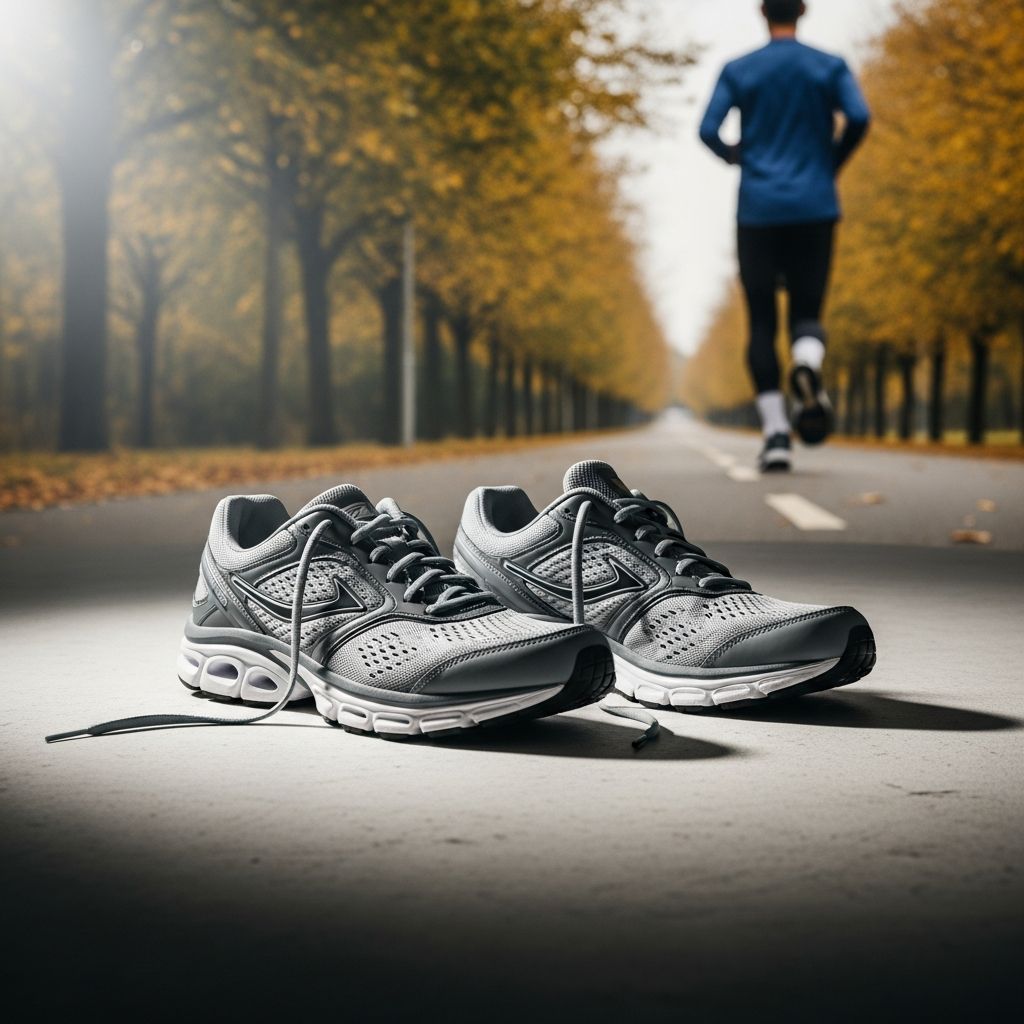
Back pain and running do not have to go hand in hand, and one of the most powerful tools you can use to protect your spine is the right pair of shoes. Modern running footwear can significantly reduce impact forces, improve alignment, and support healthier movement patterns that ease strain on your lower back.
Why Your Shoes Matter for Your Spine
Every step you take sends impact forces up from the ground, through your feet, into your knees, hips, and finally your spine. If your shoes do not absorb shock or support your natural foot mechanics, that stress often ends up in the lower back, especially during running or long walks.
Back-friendly shoes use cushioning and stability features to spread out impact, guide your stride, and help maintain more neutral alignment from the feet all the way to the pelvis and lumbar spine.
How Back Pain and Foot Mechanics Are Connected
Many people with back pain also have issues such as flat feet, high arches, or excessive inward rolling of the ankles, which can alter how the legs and hips move with every step. These imbalances can cause the pelvis to tilt or rotate and force the spine to compensate, increasing strain on the lower back muscles and discs.
Supportive running shoes aim to control excessive motion in the foot or enhance shock absorption where it is lacking, allowing the body to move in a more efficient and spine-friendly way.
Key Shoe Types for Different Feet
Not every runner needs the same kind of shoe, and matching your footwear to your foot type and gait pattern is crucial when you are dealing with back discomfort. Broadly, running shoes fall into three main categories that address different structural needs.
| Shoe category | Best for | Main benefit |
|---|---|---|
| Shock-absorbing / cushioned shoes | Runners with high arches or low natural cushioning | Reduce impact forces transmitted to knees, hips, and back |
| Neutral shoes | Feet with well-balanced arches and relatively efficient gait | Provide moderate support and cushioning without heavy motion control |
| Stability / motion-control shoes | Flat feet or strong inward ankle roll (overpronation) | Guide the foot into better alignment and limit excess motion |
Choosing the right category starts with understanding whether your feet tend to roll inward, stay neutral, or lack natural cushioning, because that determines whether you need more stability or more softness underfoot. Many specialty running shops and clinics offer gait analysis on a treadmill to help determine which group you fit into.
Essential Features of Back-Friendly Running Shoes
Although brands and models differ, shoes that support a healthier back tend to share several key design elements focused on cushioning, stability, and comfort.
- Plentiful midsole cushioning: A thicker, softer foam midsole helps absorb landing forces before they reach the spine, which is particularly important for high-impact activities and for runners with lumbar disc issues.
- Stable base and heel: A wider midsole platform and reinforced heel counter can limit excessive side-to-side movement of the foot, improving alignment through the knees and hips.
- Rocker-style soles: Curved soles that gently roll the foot from heel to toe can smooth out transitions, reduce the need for aggressive push-off, and decrease stress on the back.
- Support technologies: Built-in posts, guide rails, or structured foams help prevent the ankle from collapsing inward and guide the leg into a more neutral path.
- Roomy toe box: Allowing the toes to spread improves balance, promotes more natural foot mechanics, and can help distribute forces more evenly through the lower body.
Cushioning: Friend, Not Fix-All
Thick cushioning is often marketed as a cure-all for discomfort, and it can indeed make a big difference for runners whose backs are irritated by repetitive impact. Softer foams, higher stack heights, and advanced shock-absorbing materials reduce peak forces at landing and can make walking or running feel far more tolerable for sensitive spines.
However, overly soft shoes without enough stability can allow the foot to wobble or sink, which may lead to new alignment problems, so cushioning needs to be balanced with adequate support.
Stability and Motion Control for Overpronation
Overpronation occurs when the ankle and arch roll too far inward with each step, often associated with flat or very flexible feet. This extra motion can rotate the lower leg and pull the knees inward, setting off a chain reaction that torques the hips and stresses the lower back.
Stability and motion-control shoes counter this by using firmer foams, guide rails, or structured sidewalls to resist that inward collapse, supporting a more efficient and spine-friendly gait.
When a Highly Cushioned Shoe Makes Sense
Some runners benefit from maximal cushioning, especially those with a history of disc problems, joint degeneration, or chronic lower back soreness aggravated by hard surfaces. These shoes often combine tall foam stacks with rocker soles and broad platforms to spread pressure and create a smooth, rolling stride.
That combination can ease the jarring feeling during heel strike and lessen the demand on back muscles to brace against every impact, making longer walks and runs more sustainable.
Fit Considerations That Directly Affect Back Comfort
Even the most advanced cushioning and stability technologies will not help if the shoe does not fit properly, as poor fit encourages awkward compensations higher up the chain. A good fit starts with measuring both length and width and ensuring there is enough room for swelling during activity.
- Thumb-width of space: Aim for about a thumb’s width between your longest toe and the end of the shoe to prevent jamming and altered gait.
- Snug midfoot and heel: The shoe should securely hug the midfoot and heel without pinching, so the foot does not slide or twist on impact.
- Width options: If your foot spills over the midsole or feels squeezed, look for wide or extra-wide sizes, as cramped shoes can change how you land and push off.
Back Pain, Running Surfaces, and Shoe Lifespan
Running on very hard surfaces magnifies the importance of good footwear because there is less natural shock absorption from the ground itself. On such surfaces, cushioned and stable shoes work together to buffer the spine from repetitive pounding.
Over time, midsole foams compress and lose their resilience, so worn-out shoes stop protecting the back even if the upper still looks intact, which is why many experts suggest replacing running shoes roughly every few hundred miles depending on use and body weight.
Simple Steps to Choose Shoes for Back Relief
Translating all these design details into a buying decision is easier if you follow a clear process that prioritizes your body rather than just looks or brand loyalty.
- Assess your foot type and gait: Check whether your arches are flat, neutral, or high and whether your shoes wear out more on the inside or outside edges, or get a professional gait evaluation at a running shop or clinic.
- Match shoe category to your needs: Choose stability or motion-control models for flat feet and strong inward roll, cushioned models for high arches, and neutral models for balanced feet.
- Prioritize cushioning and stability together: Look for models that combine ample shock absorption with a supportive platform that does not feel wobbly.
- Test for comfort while moving: Walk or jog in the shoes and pay attention to whether your back feels more relaxed or more tense during and after the test.
- Reevaluate over time: If pain returns as the shoes age, it may be time for a replacement or a different category that better matches how your body is changing.
Sample Feature Comparison for Back-Conscious Runners
Different runners prioritize different characteristics, and comparing these features can help narrow down which style might be appropriate for your situation.
| Feature emphasis | Who it suits | Typical benefits for back pain |
|---|---|---|
| Maximum cushioning & rocker sole | Runners with sensitive joints, degenerative disc changes, or impact-related discomfort | Softer landings and smoother transitions that reduce jarring forces up the spine |
| Stability & motion control | Flat-footed runners or those with strong overpronation patterns | Improved alignment of ankle, knee, and hip, easing rotational strain on the lower back |
| Neutral support with moderate cushioning | Runners with balanced arches and relatively efficient gait mechanics | Comfortable shock absorption without excessive control that might interfere with natural movement |
When to Involve a Professional
Persistent or severe back pain is a sign that footwear alone may not solve the issue, and consulting a healthcare professional can uncover deeper causes. Physical therapists, sports medicine specialists, or spine-focused clinicians can assess posture, core strength, and movement patterns and then recommend specific shoe features or orthotics to complement an exercise plan.
Combining targeted strength work for the hips and core with appropriate footwear often yields better and more lasting relief than relying on shoes alone.
Frequently Asked Questions
Can running shoes really reduce back pain?
Running shoes cannot cure every type of back pain, but they can meaningfully reduce impact and improve alignment, which helps many people feel more comfortable when moving. By improving shock absorption and controlling excessive foot motion, back-friendly shoes often decrease the strain that repetitive steps place on the spine.
Are softer shoes always better for my back?
Very soft shoes may feel great initially, especially if hard surfaces aggravate your back, but too much softness without adequate support can let your feet collapse or wobble. The best option usually blends generous cushioning with a stable base that keeps your joints tracking smoothly.
How often should I replace my running shoes if I have back pain?
Midsole foams gradually lose their ability to absorb shock, so many runners benefit from replacing shoes after they have accumulated several hundred miles of use, depending on body weight and running style. If your back starts to hurt again even though your training routine has not changed, worn-out shoes are a common and often overlooked culprit.
Do I need custom orthotics if my back hurts?
Some people with significant structural issues in their feet or legs benefit from custom inserts, but many can find adequate relief with well-chosen off-the-shelf running shoes designed for their foot type. A professional evaluation can help determine whether orthotics, exercises, or shoe changes—or a combination—are most appropriate for your situation.
Should I stop running completely if my back hurts?
Whether you should pause running depends on the cause and severity of your symptoms, so medical guidance is essential in making that decision. In many cases, modifying mileage, changing surfaces, improving footwear, and working on strength and mobility allows people to stay active while managing or gradually reducing their pain.
Using Shoes as One Part of a Back-Health Strategy
Back-conscious running shoes are best viewed as one element of a broader strategy that includes strength training, mobility work, and smart training progression. When chosen thoughtfully and paired with healthier movement habits, they can help transform running and walking from pain triggers into sustainable, spine-friendly activities.