Preschool homeschooling offers families the flexibility to tailor early education to a child’s unique pace and interests. These programs emphasize play, exploration, and foundational skills like literacy, numeracy, and motor development, drawing from methods such as Charlotte Mason, Montessori, and classical approaches. This guide reviews standout options, helping parents select curricula that nurture curiosity without overwhelming structure.
Why Choose Homeschool for Preschool Years?
The preschool stage, typically ages 2-5, focuses on building confidence through joyful discovery rather than rigid academics. Homeschool programs prioritize play-based learning, which research from educational bodies supports as essential for cognitive growth. According to the U.S. Department of Education, early childhood experiences shape long-term success, with hands-on activities proven to enhance problem-solving and social skills.
Benefits include customizable schedules, integration of family values, and avoidance of institutional pressures. Parents report higher engagement when lessons align with natural interests like nature walks or storytelling, fostering a lifelong love of learning.
- Flexible pacing suits developmental stages.
- Incorporates real-world skills like cooking and gardening.
- Strengthens parent-child bonds through shared activities.
- Cost-effective compared to private preschools.
Key Features of Effective Preschool Curricula
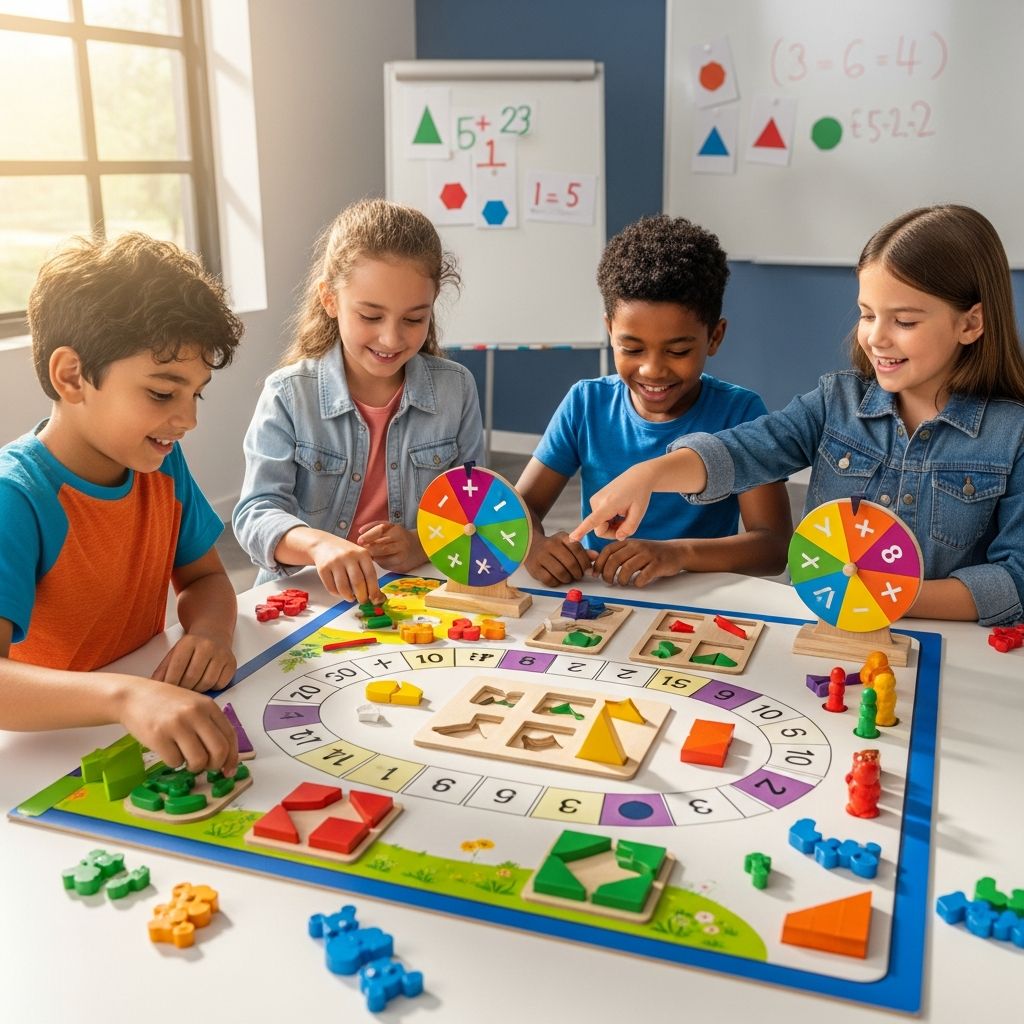
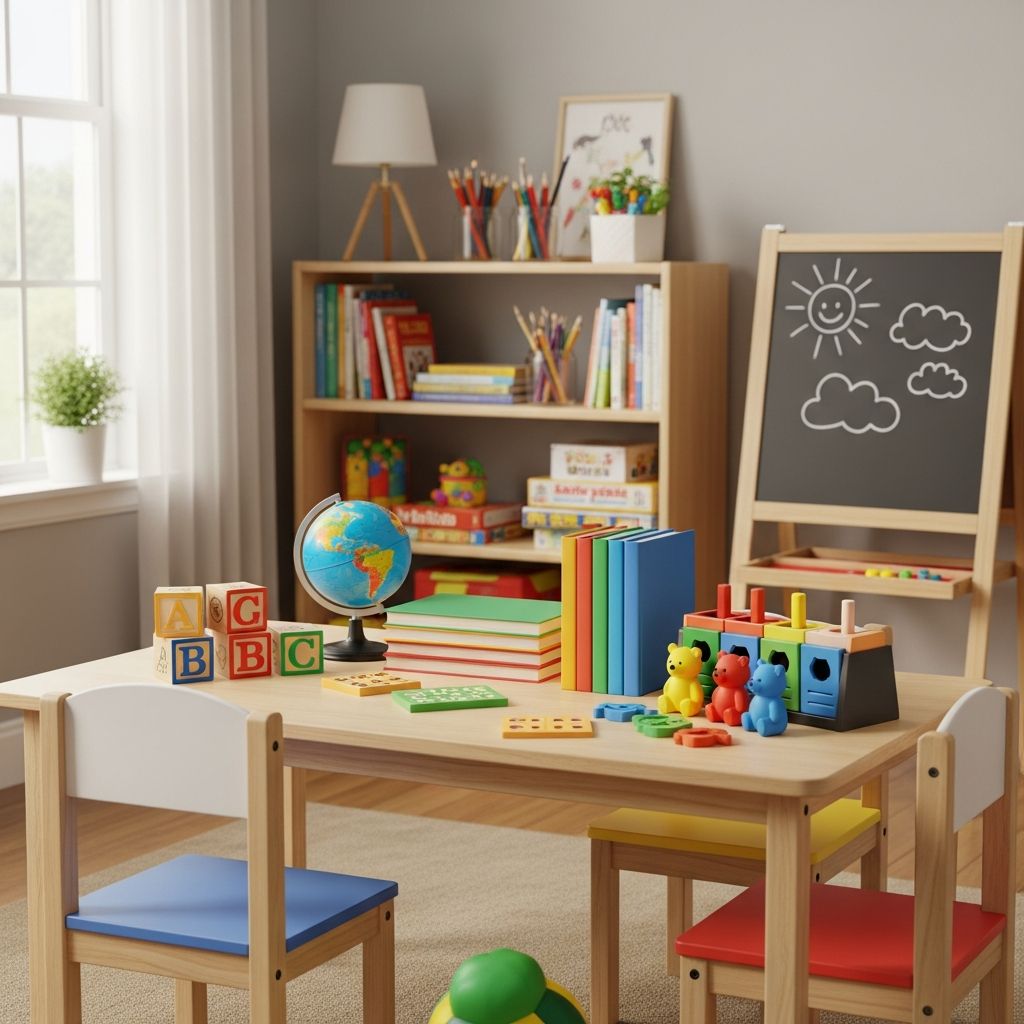
Top programs share elements like short daily sessions (15-30 minutes), multisensory activities, and progress tracking without grades. They cover core areas: language arts via read-alouds, basic math through manipulatives, fine/gross motor exercises, and character development.
| Core Skill | Example Activities | Benefits |
|---|---|---|
| Language & Literacy | Picture books, phonics games | Builds vocabulary, pre-reading skills |
| Math Foundations | Counting toys, shape sorting | Develops number sense, patterns |
| Motor Skills | Crafts, outdoor play | Improves coordination, handwriting prep |
| Social/Emotional | Role-play, Bible stories (if faith-based) | Teaches empathy, self-regulation |
Programs vary by philosophy: secular vs. faith-integrated, structured vs. open-ended.
Literature-Rich and Story-Driven Options
Story-based curricula use beloved books to weave in lessons, making abstract concepts tangible. These appeal to families valuing narration and imagination.
Sonlight Preschool
Sonlight’s program spans 36 weeks with classic tales, fairy tales, and Bible integration for a faith-centered experience. It includes pre-reading, pre-math, and science via engaging reads, plus motor skill builders like games. Parents appreciate the open-and-go instructor guide and included books, ideal for beginners. Daily time: 20-30 minutes, 4 days/week.
Treehouse Story School Preschool
This 32-week curriculum centers on weekly picture books, blending music, movement, narration, alphabet play, and crafts. It promotes practical life skills like baking, suiting ages 2.5-5. Its gentle flow encourages wonder through nature and stories.
Before Five in a Row
A literature-driven pick for ages 2-5, it uses 15-25 minute daily sessions with picture books sparking interest-led activities. It draws from multiple philosophies, emphasizing play without heavy prep.
Nature and Play-Focused Approaches
For outdoor enthusiasts, these emphasize exploration and hands-on discovery, aligning with child-led learning.
Blossom and Root
Secular and nature-centric, this integrates art, math, science, language arts, and geography. Activities like nature studies and creative projects suit gentle homeschoolers seeking holistic growth.
Homegrown Preschooler and Playing Preschool
These use household items for play-based thinking skills. Playing Preschool, by Busy Toddler, focuses on toys for critical thinking; Homegrown adds practical life and nature.
Let Them Be Little Preschool
Charlotte Mason-inspired over 36 weeks, it features circle time, read-alouds (144 books), and numbers play (counting to 20+, patterns). Lifestyle activities build habits gently.
Classical and Charlotte Mason Inspirations
These blend structure with beauty, using memory work, arts, and habits.
Gentle + Classical Press
26 letter-based lessons incorporate scripture, nursery rhymes, motor skills, and artist studies. Bundles include flashcards and handicraft guides for ages 3-4 extensions.
Heart of Dakota: Little Hands to Heaven
Integrates Bible, music, letters, art, math, and play in Charlotte Mason style, nurturing the whole child.
Peaceful Press Preschool
26-week, 5-day program with phonics, literature, projects, motor skills, and recipes. Founder emphasizes ease and fun for strong foundations.
Montessori-Influenced Homeschool Programs
Self-directed learning shines here, with manipulatives and prepared environments.
Montessori by Mom and ShillerLearning
Montessori by Mom delivers monthly kits; Shiller focuses on math/language with hands-on tools.
Guidepost Montessori
Provides curriculum and guide support for home implementation.
Structured All-In-One Packages
For comprehensive coverage, these offer kits and schedules.
Timberdoodle and Scribblers at Home
Timberdoodle’s kits build critical thinking; Scribblers (ages 4-8) covers phonics, arithmetic, Latin, science via 5-10 minute activities across 8 strands.
Mother Goose Time
Research-based kits with arts, music, logic, and all materials included for projects.
Purely Preschool and Minimalist Choices
Ideal for low-prep: 2 books per theme, simple crafts, no complex setups. Suits busy moms wanting fun without overwhelm.
Comparing Popular Programs
| Program | Philosophy | Duration | Daily Time | Cost Range | Best For |
|---|---|---|---|---|---|
| Sonlight | Christian, Literature | 36 weeks | 20-30 min | $$ | Beginners |
| Gentle + Classical | Charlotte Mason/Classical | 26 weeks | 15-30 min | $ | Memory work fans |
| Blossom & Root | Nature-based, Secular | Flexible | 20 min | $ | Outdoor lovers |
| Peaceful Press | Literature/Project | 26 weeks | 20 min | $ | Practical skills |
| Scribblers | Classical Christian | Flexible | 5-10 min | $$ | Quick activities |
Tips for Implementing Preschool Homeschool
- Start with 15-minute sessions to match attention spans.
- Incorporate free play; it’s the child’s primary work.
- Track progress via journals, not tests.
- Adapt for multiples: group circle time, individual activities.
- Budget: Free printables supplement paid programs.
Frequently Asked Questions
What age is best for starting preschool homeschool?
Ages 2.5-5, when curiosity peaks, but follow your child’s readiness.
Do I need a full curriculum or can I DIY?
Both work; curricula provide structure, DIY saves money with library books and play.
How much time daily?
15-30 minutes structured, plus unstructured play.
Secular or faith-based?
Options like Blossom and Root for secular; Sonlight for Christian.
Preparing for kindergarten transition?
Focus on phonics, counting, fine motor; Sonlight excels here.
References
- Top 10 Preschool Curriculum Options — Homeschool.com. 2023. https://www.homeschool.com/blog/top-10-preschool-curriculum-options/
- How to Homeschool Preschool — Treehouse Schoolhouse. 2024. https://treehouseschoolhouse.com/blog/how-to-homeschool-preschool
- Preschool Homeschool Curriculum Comparison Guide — Humility and Doxology. 2023. https://www.humilityanddoxology.com/homeschool-preschool-curriculum/
- Scribblers: The Perfect Preschool Homeschool Curriculum — Classical Conversations. 2024. https://classicalconversations.com/blog/homeschool-preschool-curriculum/
- Curriculum for Preschool Homeschooling (the Charlotte Mason Way!) — Little House Learning Co. 2023. https://littlehouselearningco.com/blogs/little-house-learning-co/the-early-years-overview-ages-6-under