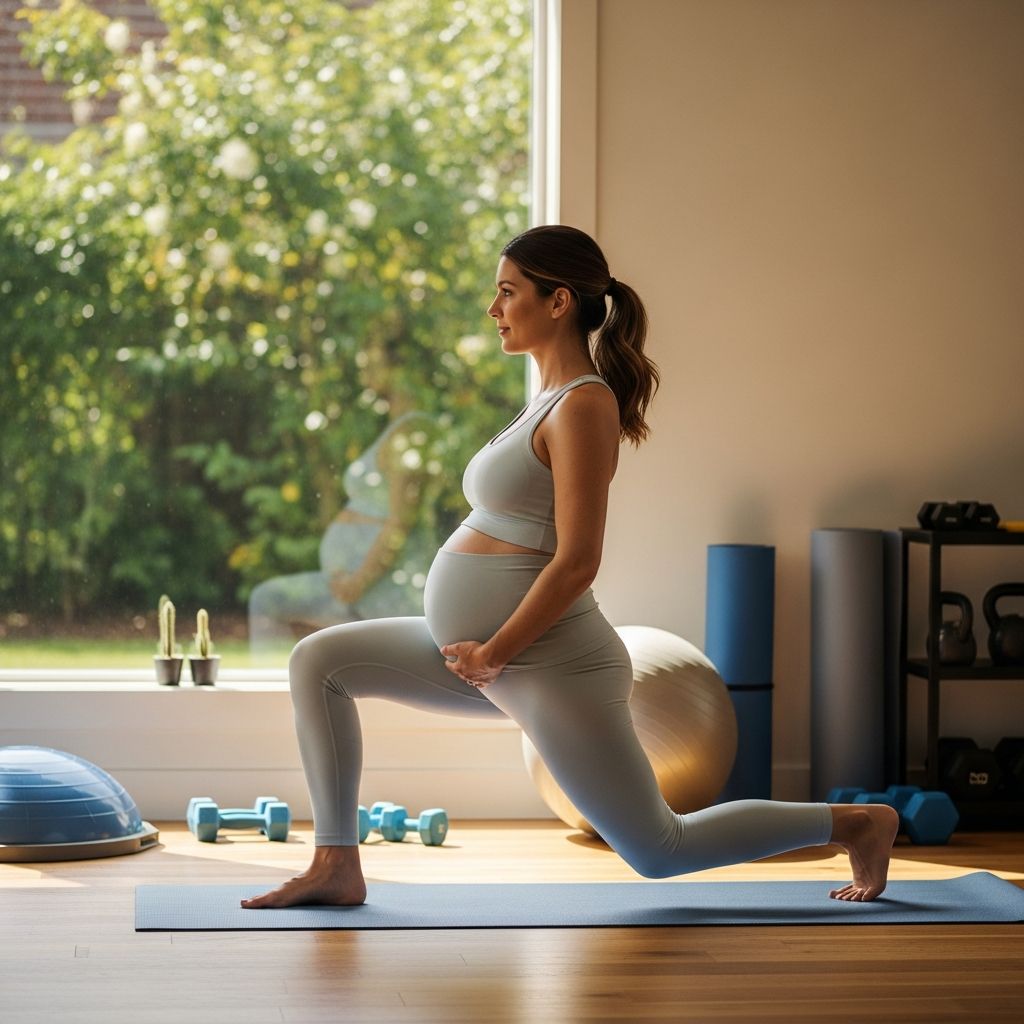
Engaging in targeted physical activity during pregnancy transforms your body into a more resilient vessel for childbirth. Regular, moderate exercises fortify muscles essential for delivery, mitigate common discomforts, and promote overall maternal and fetal health. Health organizations worldwide endorse 150 minutes of weekly moderate-intensity activity for uncomplicated pregnancies, yielding benefits like reduced back pain and improved cardiovascular function.
Core Advantages of Staying Active in Pregnancy
Physical movement during gestation offers multifaceted gains that extend from immediate relief to long-term recovery. These workouts not only address physical changes but also elevate mental resilience, crucial amid hormonal shifts.
- Alleviates Physical Strain: Strengthens posture-supporting muscles, easing lower back pain and swelling in extremities through enhanced circulation.
- Elevates Vitality and Rest: Counters fatigue by optimizing sleep patterns and releasing endorphins for sustained daytime energy.
- Minimizes Health Risks: Lowers incidences of gestational diabetes, preeclampsia, and operative deliveries via better metabolic control and weight management.
- Boosts Emotional Balance: Diminishes anxiety and depression symptoms through mood-enhancing neurotransmitters triggered by rhythmic activity.
- Optimizes Delivery Dynamics: Builds endurance in pelvic and core regions, potentially shortening labor phases and aiding postpartum rebound.
- Fosters Fetal Growth: Enhances placental nutrient transfer, supporting optimal development including neurological maturation.
These outcomes stem from consistent, low-impact routines adapted to pregnancy physiology, where shifting gravity and ligament laxity demand cautious progression.
Foundational Safety Guidelines for Expectant Mothers
Prioritizing safety ensures benefits without undue stress. Consult healthcare providers before initiating or modifying routines, especially with conditions like hypertension or multiples. Aim for moderate effort—conversations possible but singing challenging—and halt if dizziness, calf pain, or contractions arise.
| Do’s | Don’ts |
|---|---|
| Monitor heart rate below 140 bpm | Avoid high-impact jumps or contact sports |
| Hydrate abundantly; eat small pre-workout snacks | Skip supine positions post-16 weeks |
| Warm-up and cool-down with stretches | Overheat; exercise in cool environments |
| Break sessions into 10-minute segments | Ignore warning signs like fluid leakage |
Such protocols, drawn from clinical consensus, safeguard both parties while maximizing physiological adaptations.
Key Muscle Groups to Target for Birth
Childbirth demands coordination among pelvic floor, deep core, glutes, and hips. Neglect here risks prolonged pushing or incontinence; targeted training fosters control and elasticity.
- Pelvic Floor: These hammock-like muscles bear fetal descent pressure. Practice coordinated contractions and releases to prevent tears and dysfunction.
- Transverse Abdominis: Innermost core layer stabilizes spine; activations mimic natural labor bracing.
- Glutes and Hips: Power birthing positions; openings enhance perineal stretch.
Top Recommended Exercises by Trimester
Tailor routines to bodily evolution: first trimester focuses on nausea-friendly cardio, second on balance, third on labor simulations.
First Trimester: Building Endurance Base
Gentle introductions prevent overwhelm amid early fatigue.
- Brisk Walking: 20-30 minutes daily lengthens hip flexors, bolsters cardiovascular health without joint overload.
- Stationary Cycling: Upright bikes minimize fall risks, improving leg circulation and stamina.
- Seated Kegels: 10 sets of 10-second holds/releases hourly to awaken pelvic awareness.
Second Trimester: Strength and Flexibility Peak
Mid-pregnancy vitality suits moderate resistance.
- Squats: Wide-stance, partial depth; 3 sets of 10. Opens pelvis, strengthens thighs for pushing.
- Modified Planks: Knee-supported, 20-30 seconds. Engages core without spinal compression.
- Water Aerobics: Buoyancy eases weight-bearing, targeting full-body toning.
Third Trimester: Labor-Specific Drills
Emphasize relaxation and positioning as space tightens.
- Child’s Pose Variation: Knees wide, arms forward; breathe deeply 1-2 minutes. Lengthens pelvic tissues.
- Pelvic Tilts: On hands-knees, arch and round spine 10 reps. Eases back labor.
- Deep Squat Holds: Supported by wall or partner, 30 seconds x 5. Mimics crowning stretch.
Progress weekly, logging progress for motivation. Pair with breathwork: inhale expansion, exhale release, echoing contractions.
Integrating Movement into Daily Routines
Beyond structured sessions, infuse activity seamlessly. Stair climbing activates glutes; desk stretches counter sedentary slumps. Prenatal yoga classes refine alignment and mindfulness, reducing intervention needs. Track via apps for consistency, aiming 30 minutes most days.
Specialized Techniques for Optimal Delivery
Advanced prep includes perineal massage from 34 weeks—gentle external pressure enhances tissue pliability, slashing tear rates. Birth ball circles loosen hips; partner-assisted lunges simulate position changes. Physical therapy for diastasis recti or pelvic pain customizes regimens, accelerating healing.
Frequently Asked Questions
Can beginners start prenatal exercise late in pregnancy?
Yes, with clearance; commence gently to avoid strain. Benefits accrue even in third trimester.
Is yoga safe throughout all trimesters?
Modified prenatal yoga yes; avoid inversions or flat-back poses. Enhances flexibility and calm.
How does exercise impact C-section recovery?
Pre-surgery strength aids mobility; pelvic awareness prevents prolapse. Core work resumes gradually postpartum.
What if I experience pain during workouts?
Stop immediately, consult provider. Pain signals overexertion or imbalance needing adjustment.
Does prenatal fitness affect baby’s weight?
It promotes healthy gain, reducing macrosomia risk without compromising growth.
Postpartum Transition and Maintenance
Exercise facilitates uterine involution and weight loss. Begin pelvic floors day one, progress to walks week two. Six-week clearance precedes intensity ramps, targeting diastasis closure. Sustained activity prevents chronic issues, fostering family wellness.
In summary, prenatal workouts empower confident birthing. Consistency yields empowered deliveries and vibrant recoveries, aligning body and mind for parenthood’s demands.
References
- 7 Invaluable Benefits of Regular Prenatal Exercise — Westover Hills Women’s Health. 2023. https://www.westoverhillswomenshealth.com/blog/7-invaluable-benefits-of-regular-prenatal-exercise
- Benefits of Prenatal Exercise — Virtua Health. 2024. https://www.virtua.org/articles/benefits-of-prenatal-exercise
- Pregnancy And Exercise – StatPearls — NCBI Bookshelf, NIH. 2023-10-01. https://www.ncbi.nlm.nih.gov/books/NBK430821/
- 5 Key Benefits of Physical Therapy Before Childbirth — FeminApt. 2024. https://feminapt.com/blog/5-key-benefits-of-physical-therapy-before-childbirth-push-prep-for-a-better-delivery/
- Exercise During Pregnancy — American College of Obstetricians and Gynecologists (ACOG). 2024-05-20. https://www.acog.org/womens-health/faqs/exercise-during-pregnancy
- 5 Exercises and Techniques to Train for Childbirth — UT Southwestern Medical Center. 2023. https://utswmed.org/medblog/prepare-body-labor-delivery/