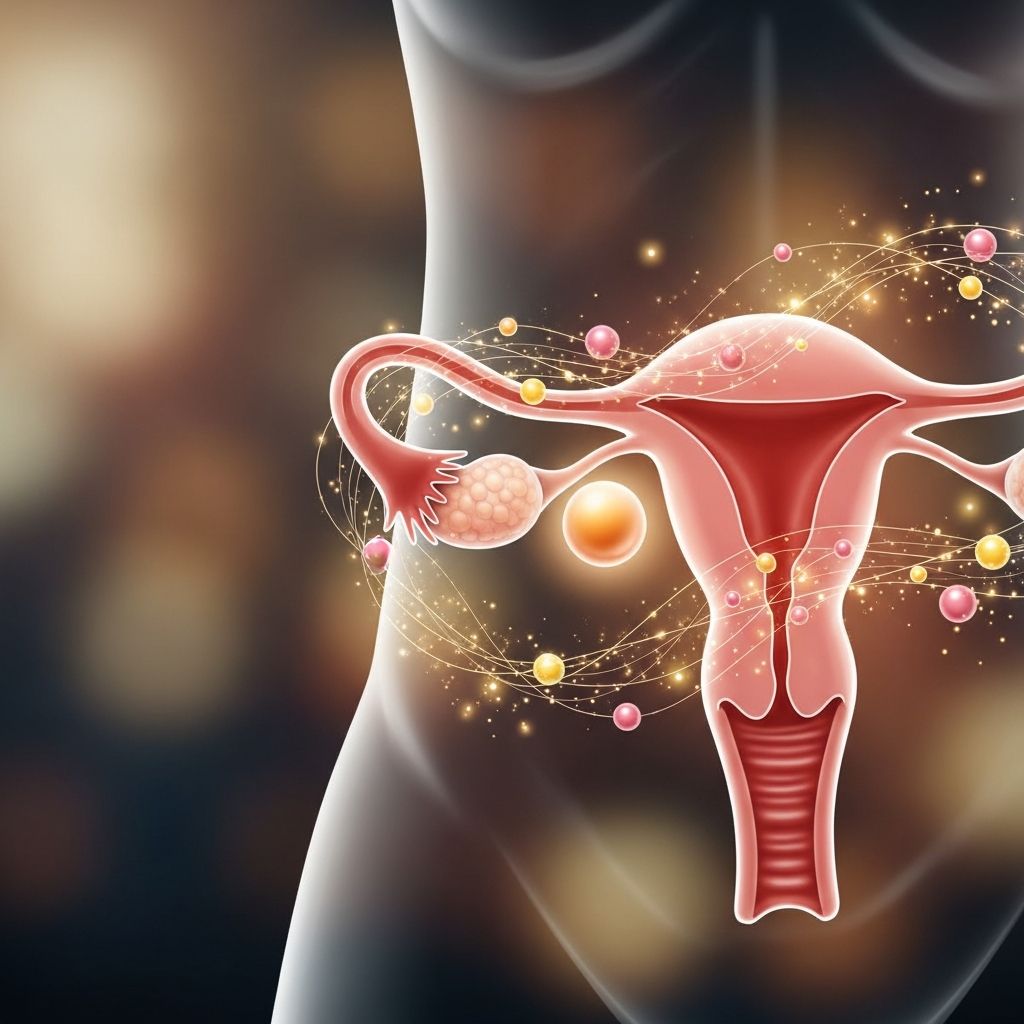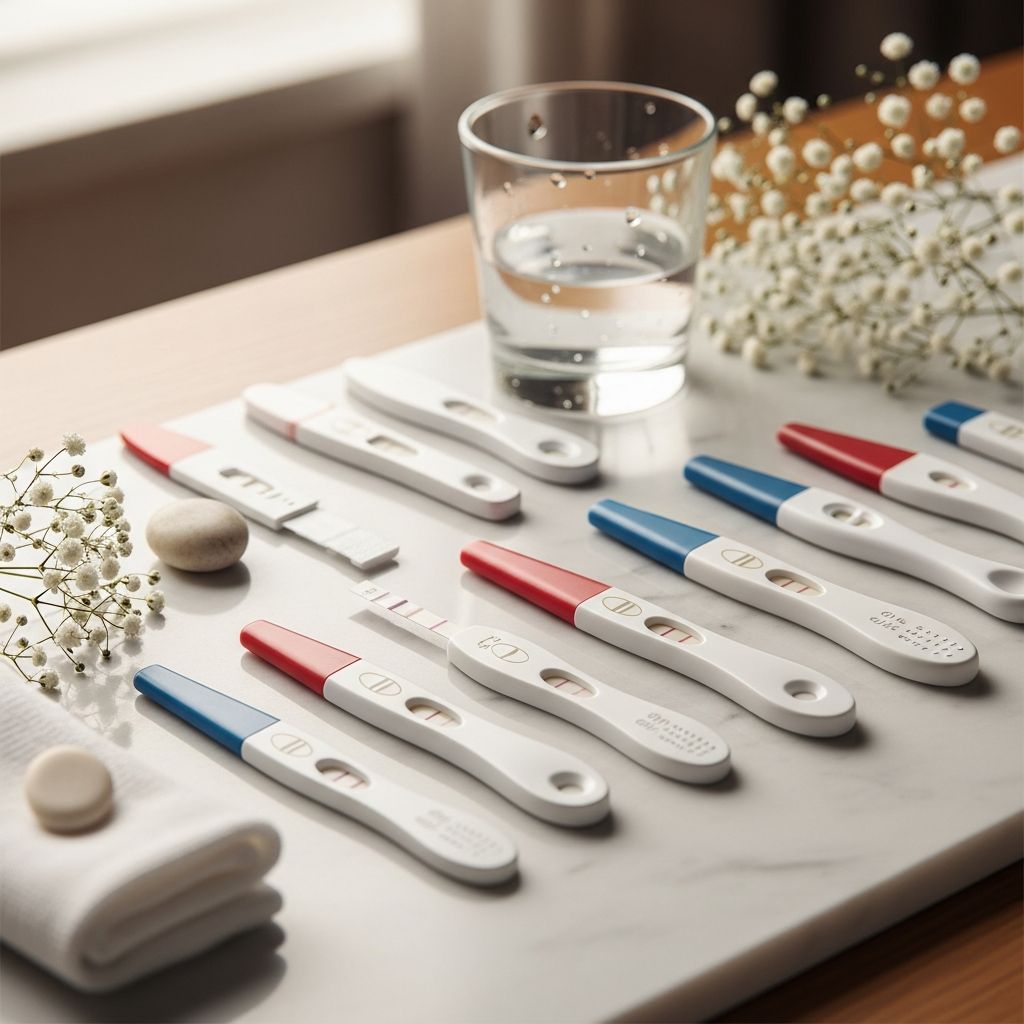
Home pregnancy tests have revolutionized early pregnancy detection, offering convenience, privacy and speed. These kits detect human chorionic gonadotropin (hCG), a hormone produced after implantation, typically within days of conception. With sensitivities ranging from 6.3 to 25 mIU/mL, modern tests provide results as early as five days before a missed period, boasting over 99% accuracy when used correctly on or after the expected period day.
Understanding Pregnancy Test Sensitivity and Detection Windows
The key to reliable results lies in a test’s sensitivity to hCG levels. Lower mIU/mL thresholds, like 6.3 mIU/mL, allow for earlier detection since hCG doubles every 48-72 hours post-implantation. For instance, tests detecting 10 mIU/mL or less can identify pregnancy up to six days before the missed period, though accuracy starts at 76-78% and climbs to over 99% closer to the period date.
Timing is crucial: test with first morning urine for highest hCG concentration. Early testing risks false negatives if hCG is too low. Blood tests, available at clinics, offer nearly 100% accuracy by quantifying exact hCG levels but are less common for initial home use.
Leading Pregnancy Tests for Early and Reliable Results
Based on clinical studies and user experiences, here are standout options excelling in sensitivity, ease and accuracy.
Ultra-Sensitive Wand Tests for Earliest Detection
These stick-style tests are user favorites for their balance of early results and clear line indicators.
- First Response Early Result: Detects hCG at 6.3 mIU/mL, offering 76% accuracy five days before expected period, rising to >99% three days prior. Ideal for those tracking ovulation closely; results in 3 minutes with darkening lines for confirmation.
- Clearblue Early Detection: Sensitivity of 10 mIU/mL yields 77% accuracy five days early, 99% on missed period day. Features a wide tip for easy collection and rapid results within 3 minutes.
Digital Tests: Clear Results Without Interpretation Guesswork
Digital displays show ‘Pregnant’ or ‘Not Pregnant,’ eliminating line ambiguity. A PubMed study found digital tests like Clearblue superior, achieving 100% accuracy at 25 IU/L hCG with full user certainty, versus 65-87% for non-digital.
- Clearblue Digital: 10 mIU/mL sensitivity, 78% accurate five days before period (highest early rate), >99% thereafter. LCD screen provides yes/no in 3 minutes; some models estimate weeks pregnant.
- First Response Digital: Matches manual version’s >99% accuracy from expected period day, detecting early with ‘Yes+/No-‘ readout up to six days sooner.
Affordable Strip Tests for Frequent Testing
Bulk strips suit budget-conscious users or those testing multiple times during two-week waits.
- ClinicalGuard Strips: 25 mIU/mL sensitivity, reliable post-missed period at 99% accuracy. Dip in urine cup; cost-effective for value packs.
- Pregmate Strips: Similar 25 mIU/mL, best after missed period. Simple, no-frills for confirming faint lines from wands.
Comparing Top Pregnancy Tests: Key Features at a Glance
| Test Name | Sensitivity (mIU/mL) | Early Detection Accuracy | Result Type | Cost per Test | Best For |
|---|---|---|---|---|---|
| First Response Early Result | 6.3 | 76% (5 days early), >99% (3 days) | Lines | $4.49 | Earliest testing |
| Clearblue Digital | 10 | 78% (5 days early), 99% on period day | Digital words | $5.49 | Clear results |
| Clearblue Early Detection | 10 | 77% (5 days early) | Lines | ~$4 | Fast lines |
| ClinicalGuard Strips | 25 | 99% post-missed period | Lines | <$1 | Budget/frequent |
| First Response Rapid | ~25 | 99% on missed period | Lines | $3.99 | Quick confirmation |
This table highlights differences; choose based on timing needs and result preference.
Step-by-Step Instructions for Accurate Testing
Proper use maximizes reliability, as tests are 99% accurate when instructions are followed.
- Check expiration: Use before date; expired tests lose sensitivity.
- Collect urine: First morning void preferred; hold midstream for wands.
- Perform test: Dip strips 10 seconds or pee on wand tip 5-10 seconds.
- Wait timed interval: 1-5 minutes; ignore after 10 minutes to avoid evaporation lines.
- Read results: Lines: any second line = pregnant. Digital: words appear. Faint positive is positive—hCG rises quickly.
Tips: Avoid excess fluids diluting urine. Retest in 48 hours if negative but symptoms persist.
Factors Affecting Results and Avoiding Errors
While highly accurate, variables impact outcomes. False negatives occur from testing too early, diluted urine or irregular cycles. False positives are rare but possible from recent miscarriage, fertility drugs or certain medications.
- Detection limits: At low hCG (25 IU/L), digital tests outperform lines for certainty.
- User error: Misreading faint lines causes 40-60% uncertainty in non-digital.
- Medical factors: Ectopic pregnancy or hCG-altering conditions require doctor follow-up.
Blood tests confirm ambiguous results, measuring beta-hCG precisely.
Benefits of Digital vs. Traditional Line Tests
Digital tests shine in user studies: 100% certainty vs. 40-87% for lines at low hCG, reducing anxiety over faint results. Traditional tests are cheaper and more sensitive early but demand careful interpretation. Hybrid kits like First Response Comfort Check offer both for versatility.
When to Consult a Healthcare Provider
Positive? Schedule prenatal care. Negative but late period or symptoms (nausea, fatigue)? Retest or see doctor for blood test/ultrasound. Persistent issues may indicate hormonal imbalances.
Frequently Asked Questions About Pregnancy Tests
What is the most accurate home pregnancy test?
First Response tests top studies at 97-99% accuracy from missed period day; digital versions match this with clearer reads.
How soon can pregnancy tests detect hCG?
Ultra-sensitive like First Response detect 5-6 days before missed period (76-78% accurate), best at >99% on/after period day.
Can faint lines mean pregnant?
Yes, any visible line indicates pregnancy; it darkens as hCG rises. Retest in 2 days for confirmation.
Are digital tests more accurate than lines?
They match accuracy (>99%) but excel in certainty (100% vs. 40-87%) per studies, minimizing misreads.
Why false negative on pregnancy test?
Too early/low hCG, diluted urine or irregular ovulation. Wait 48 hours and retest with concentrated urine.
Choosing the Right Test for Your Needs
For earliest results, opt for First Response wands. Seeking no-guesswork? Clearblue Digital. Budget or serial testing? Strips. All deliver when timed right, empowering informed next steps in your journey.
References
- Comparison of accuracy and certainty of results of six home pregnancy tests — PubMed (Research Support, Non-U.S. Gov’t). 2008-05-08. https://pubmed.ncbi.nlm.nih.gov/18457603/
- 5 Best Pregnancy Tests of 2025, Tested and Approved — The Bump. 2025 (updated). https://www.thebump.com/a/best-pregnancy-tests
- The 9 Best Pregnancy Tests — Healthline. Recent update. https://www.healthline.com/health/best-pregnancy-test
- Pregnancy Test: Types, Accuracy, and When to Take It — Molecular Imaging Technologies. Recent. https://www.molecularit.com/blogs/pregnancy-test-types-accuracy-timing
- Choose the Pregnancy Test Strip or Stick That’s Right for You — First Response Official. Recent. https://www.firstresponse.com/en/articles-listings/types-of-pregnancy-test-strips-or-sticks
- Pregnancy Tests: When to Take One, Accuracy, and Results — WebMD. Recent. https://www.webmd.com/baby/pregnancy-tests
- Pregnancy Test: When To Take, Types & Accuracy — Cleveland Clinic. Recent. https://my.clevelandclinic.org/health/diagnostics/9703-pregnancy-tests