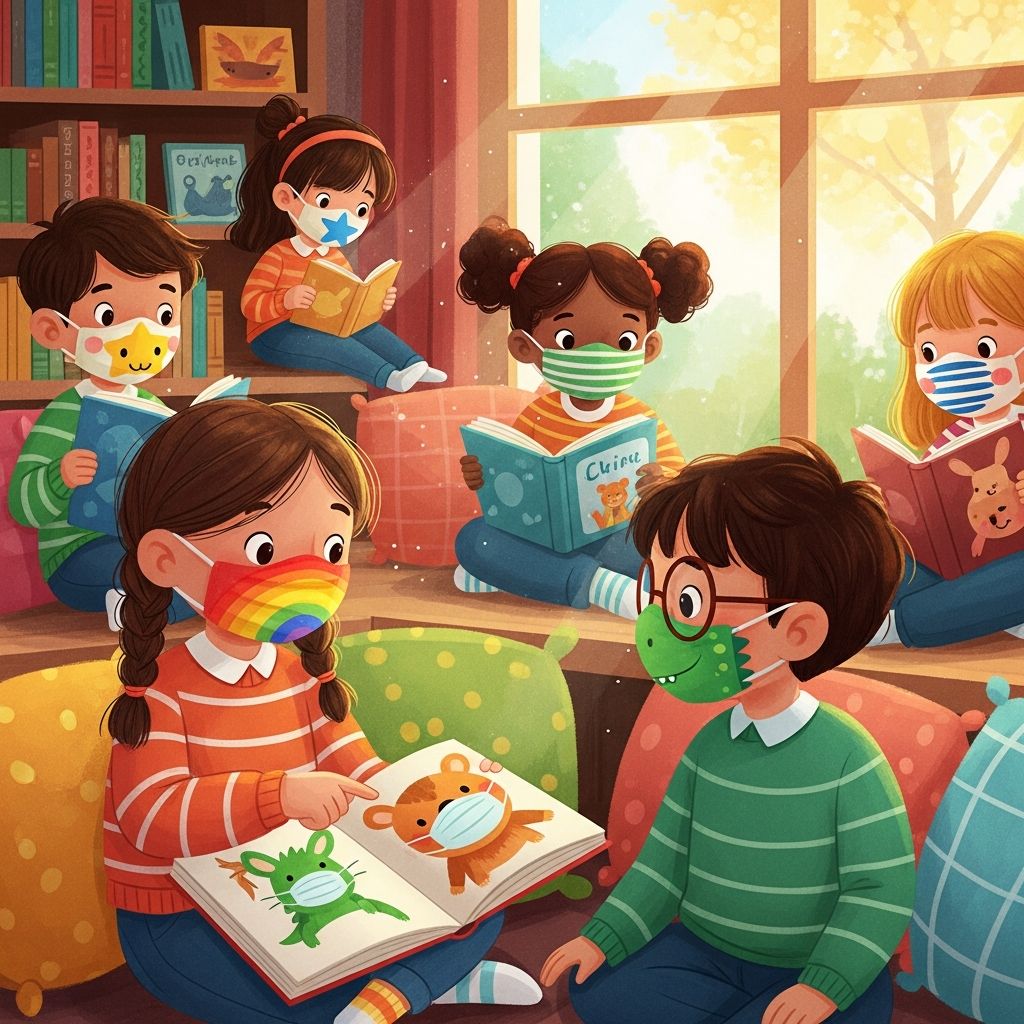
Picture books have long been powerful tools for helping young children navigate complex emotions and new experiences. In times when face coverings became commonplace, authors and illustrators stepped up with creative stories that turn potential fears into opportunities for learning and play. These books not only demystify masks but also weave in lessons on empathy, hygiene, and community responsibility, making them essential reads for families.
Why Masks Challenge Young Minds
Children under five are still mastering facial recognition and emotional cues, relying heavily on smiles and expressions to connect with others. Masks obscure these vital signals, often leading to confusion, anxiety, or reluctance to wear them. Research from child development experts highlights how such disruptions can affect social skills and school readiness. Books addressing this gap use vivid illustrations, simple rhymes, and relatable scenarios to bridge the divide, helping kids see masks as friendly allies rather than obstacles.
For instance, stories that compare masks to costumes or superhero gear transform a medical necessity into an exciting accessory. This approach aligns with developmental psychology principles, where play-based learning fosters acceptance. Parents report that repeated readings reduce tantrums at mask time and spark positive discussions about health.
Top Picture Books Turning Fear into Fun
Here’s a curated selection of standout titles that have proven effective in homes and classrooms. Each one employs unique storytelling techniques to engage little ones aged 2-6.
- We Wear Masks by Marla Lesage: This rhyming gem introduces kids to everyday heroes like artists, pilots, and scientists who don masks routinely. By showing masks as normal attire across professions, it normalizes the practice and emphasizes kindness in protecting others.
- Masks: A Lift-the-Flap Book by A.H. Hill: Perfect for tactile learners, this board book invites children to lift flaps revealing familiar faces behind fun designs like dragons and unicorns. It follows a day in the life—from morning selection to evening wash—building comfort through interactivity.
- Penny Pumpkin Don’t Forget Your Mask by Julia Mills: A whimsical tale starring a pumpkin character who learns about germs and viruses. Aimed at toddlers and preschoolers, it uses cute illustrations to explain pandemic basics and why masks matter, ideal for read-aloud sessions.
- Riley’s Masked Adventure: Riley embarks on an educational journey discovering viruses, proper mask use, and hygiene habits like handwashing. Its straightforward language suits classroom discussions, encouraging kids to protect themselves and friends.
- Lucy’s Mask by Lisa Thompson: Sparking imagination, Lucy tries on masks as a detective, pirate, or explorer. Rhymes and bold art help children express emotions via body language when faces are hidden, turning masks into tools for adventure.
How These Books Promote Emotional Growth
Beyond mere acceptance, these narratives build resilience. Take Lucy’s Mask, which teaches inferring feelings from eyes, gestures, and tone—skills crucial when smiles are concealed. Similarly, We Wear Masks fosters empathy by linking personal actions to communal well-being, a concept echoed in child psychology studies on prosocial behavior.
Interactive elements, like flaps in Masks: A Lift-the-Flap Book, enhance engagement and memory retention. According to educational guidelines, such multisensory experiences aid in processing anxiety-provoking changes, like returning to school with masked teachers. Parents can extend learning by role-playing scenes or crafting DIY masks inspired by the stories.
Interactive Strategies for Parents and Teachers
| Book Title | Key Activity | Learning Outcome |
|---|---|---|
| We Wear Masks | Discuss jobs with masks | Normalizes masks in daily life |
| Masks: A Lift-the-Flap | Lift and name faces | Reduces stranger anxiety |
| Penny Pumpkin | Draw your mask | Teaches germ basics |
| Riley’s Adventure | Practice handwashing song | Builds hygiene routines |
| Lucy’s Mask | Act out roles | Improves emotional reading |
Use this table to plan sessions. Combine reading with crafts, such as decorating masks with book motifs, to reinforce messages. Track progress: many families note kids voluntarily reaching for masks after a week of consistent exposure.
Science Behind Masks for Kids
Health authorities confirm masks significantly curb respiratory droplet spread, especially vital for unvaccinated young children. The CDC and WHO recommend child-friendly designs for comfort and compliance. Books complement these guidelines by making abstract science tangible—e.g., visualizing germs as villains defeated by mask heroes.
Studies show illustrated explanations increase adherence; one university guide lists these titles for their evidence-based approach to pandemic education. Even post-peak, masks remain relevant for flu seasons, allergies, or global travel.
Addressing Common Concerns
Some children resist due to sensory issues like itchiness or breathing discomfort. Books model proper fit and breathing techniques. For neurodiverse kids, titles like those emphasizing routine predictability offer extra support. Always pair reading with positive reinforcement, avoiding force.
Frequently Asked Questions
What age group benefits most from these books?
Toddlers to kindergarteners (ages 2-6), when social fears peak and language skills emerge for discussions.
Can these books help with school anxiety?
Yes, by depicting masked teachers and friends positively, easing transitions to masked environments.
Are there books for older kids?
While focused on young ones, adapt with advanced talks; seek chapter books for 7+ on broader health topics.
How often should we read them?
Daily during routines like morning prep, repeating favorites to build familiarity.
Where to find these books?
Local libraries, university collections, or publishers like Orca and Starry Forest.
Building a Lasting Mask-Positive Mindset
Integrate these stories into bedtime or playtime for cumulative impact. Encourage kids to create their narratives, perhaps starring family members in masks. This empowers them, shifting from fear to ownership. As one parent shared in community reviews, “My picky toddler now picks her unicorn mask daily—thank you, lift-the-flap magic!”
Expand with related activities: mask scavenger hunts spotting designs in public or group storytimes via video calls. Track global adaptations, as similar books emerge worldwide for cultural relevance.
Choosing the Right Book for Your Child
Consider preferences—rhyme lovers pick We Wear Masks, hands-on kids choose flap books. Diverse representations ensure inclusivity, reflecting various skin tones and abilities. Reviews praise their comforting art, vital for bedtime calm.
Pair with real-life practice: read before outings, praising efforts. Over time, this fosters habits extending to handwashing and distancing, holistic health education in story form.
In a world of evolving health norms, these books remind us: literature heals divides, one page at a time. They equip children not just for masks, but for adaptability in any challenge.
References
- Normalizing Face Masks – COVID-19 Pandemic Children’s Book List — University of Virginia Library. 2023. https://guides.lib.virginia.edu/c.php?g=1164312&p=8718414
- We Wear Masks — Orca Book Publishers. 2022. https://www.orcabook.com/We-Wear-Masks
- Masks: A Lift-the-Flap Book — Starry Forest Books. 2022-04-05. https://www.starryforestbooks.com/masks-a-lift-the-flap-book
- 8 Books to Encourage Your Toddler to Wear a Mask — ABQ Mom. 2022. https://abqmom.com/ages_stages/toddlers/8-books-to-encourage-your-toddler-to-wear-a-mask/