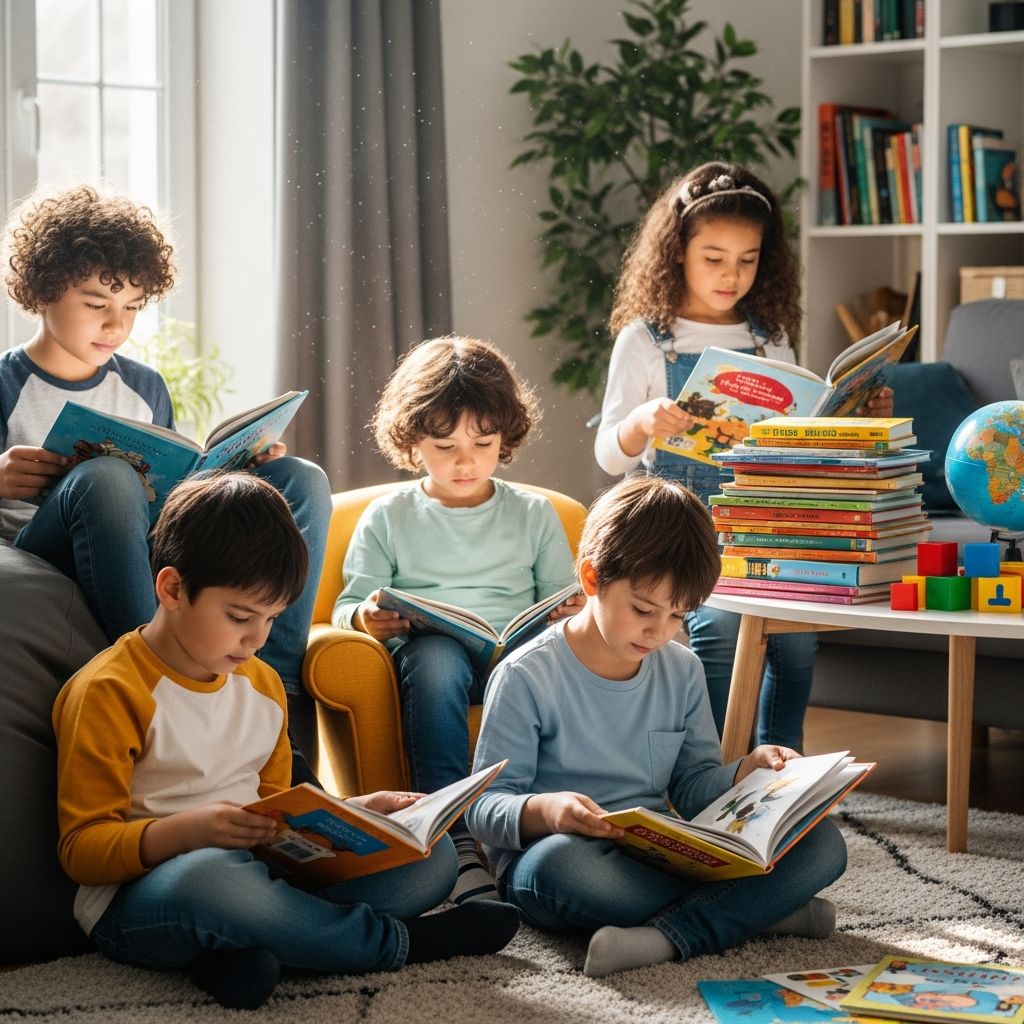
During the unprecedented challenges of the COVID-19 pandemic, families worldwide turned to literature as a comforting tool. Picture books emerged as powerful allies, translating complex realities like lockdowns, mask-wearing, and social distancing into accessible narratives for young minds. These stories not only explained the ‘new normal’ but also nurtured emotional resilience, creativity, and hope amid uncertainty.
Why Pandemic-Themed Books Matter for Kids
Young children often struggle to grasp abstract concepts such as viruses or isolation. Age-appropriate books bridge this gap by using vivid illustrations and simple language to mirror their experiences. Research from child psychologists highlights how such reading materials reduce anxiety by validating feelings and offering coping strategies. For instance, stories depicting families staying home together reinforce that these changes are temporary and shared globally.
Parents reported that these books sparked vital discussions, helping kids express fears about missing friends or school. They also introduced practical lessons on hygiene and empathy, turning daunting topics into adventures. In a time when routines shattered, these narratives provided stability and a sense of normalcy.
Stories Celebrating Masks and Protection
Masks became symbols of safety and creativity in many households. Books transformed them from strange objects into tools for imagination.
- Lucy’s Mask by Lisa Sirkis Thompson, illustrated by John Thompson (Ages 0-12): A girl discovers joy in her mother’s handmade mask, pretending to be a pirate, explorer, detective, and superhero. This tale turns a pandemic necessity into playful empowerment.
- Quarantine Cat by Sarah Legare and Frank Pichel (Ages 4-8): A quirky kitten navigates change with rhymes and bold colors, teaching preventive measures like masking while building emotional awareness.
These narratives reframed masks positively, reducing resistance and fostering pride in protective actions.
Embracing Staying Home Adventures
Lockdowns prompted innovative home-based fun, captured beautifully in books that highlighted imagination over restriction.
- A Day to Stay Home by Hannah Bloom Books (Ages 3+): A little girl and her family embark on imaginative escapades indoors, rediscovering joy in simple play during isolation.
- Oaky and the Virus by Athol Williams, illustrated by Taryn Lock (Ages 3+): Acorn siblings adapt to a virus disrupting their routine, learning handwashing songs and new games while staying put.
- When We Stayed Home by Tara Fass, illustrated by Yoko Matsuoka (Ages 4-8): A boy becomes a ‘super-helper’ by staying home, masking, and using creativity to cope with missing normal life.
Such stories emphasized heroism in everyday choices, helping children view confinement as an opportunity for bonding and invention.
Finding Connection in Isolation
Social distancing strained friendships, but books illustrated creative ways to stay linked.
- The World Made a Rainbow by Michelle Robinson, illustrated by Emily Hamilton (Ages 3-6): Recalls rainbow drawings in windows and sidewalks as symbols of hope and unity when physical meetings halted.
- Alone Together by Julia Seal (Ages 4-8): Neighbors communicate through windows, laughing and creating to combat loneliness without direct pandemic references.
- Rainbows In Windows by Yumi (Toddlers+): Encourages hanging rainbows to show love from afar, with a video narrated by Donald Sutherland.
These tales underscored community spirit, showing isolation didn’t mean disconnection.
Processing Emotions and Change
Pandemic books delved into the emotional turbulence, offering validation and pathways to healing.
| Book Title | Key Theme | Age Range | Unique Feature |
|---|---|---|---|
| And the People Stayed Home | Healing through stillness and nature | 4-8 | Audiobook by Kate Winslet |
| Paula and the Pandemic | Hope via nurturing a sunflower | 5-7 | Supports COVID relief charities |
| Outside, Inside | Contrasts of joy and sorrow | 4-8 | Global family montages |
| What a Lovely Lockdown! | Creativity replacing parties | 4-8 | Ideas for home skills |
From hospital glimpses to family dinners, these books balanced hardship with positivity, aiding emotional processing.
Books on Superheroes and Patience
- Superhero Jax: A boy learns patience and hygiene as a virus-fighting hero by staying home.
- A World on Paws: Forest creatures befriend a girl, helping her face isolation fears during play.
Positioning kids as everyday heroes built confidence and patience.
Educational Tools for Understanding Pandemics
Some titles doubled as primers on pandemics.
- What is a Pandemic? And How Can You Stay Safe? by Naomi O’Brien & LaNesha Tabb (K-3): Free e-book with history, activities like posters, feelings checks, and handwashing songs.
- Learn About the Coronavirus by St. Jude’s Hospital: Straightforward facts from a trusted medical source.
Including activities made learning interactive and memorable.
Broader Lessons from Pandemic Reading
Beyond immediate comfort, these books taught timeless values: adaptability, empathy, and nature’s role in recovery. Titles like Windows and P is for Pandemic expanded vocabulary and awareness. They reminded families of reading’s power in crises, much like historical uses for events like world wars.
Post-pandemic, these stories remain relevant for discussing change, reinforcing hygiene, or addressing separation anxiety.
Frequently Asked Questions (FAQs)
What age groups do these pandemic books target?
Most suit ages 3-8, with some for 0-12, using simple text and illustrations ideal for early readers.
Are there free pandemic resources for kids?
Yes, e-books like What is a Pandemic? and video versions offer no-cost access to quality content.
Can these books help with back-to-school anxiety?
Absolutely; they normalize disruptions and build resilience applicable to any transition.
Do any books address hospital scenes sensitively?
Books like Outside, Inside include mild depictions; preview for sensitive children.
How do I choose the right book for my child?
Match themes to their concerns—masks for resistance, isolation for loneliness—and read together to discuss.
Building Home Libraries for Tough Times
Curating a shelf with these titles equips families for future uncertainties. Combine with activities like drawing rainbows or role-playing superheroes to deepen impact. Libraries and online lists from institutions like PBS and universities provide more options.
In retrospect, the pandemic reshaped childhood, but these books illuminated paths through darkness, proving stories’ enduring role in healing.
References
- 10 Books to Help Kids and Grown-Ups Navigate the Pandemic — PBS SoCal. 2020. https://www.pbssocal.org/education/families/10-books-to-help-kids-and-grown-ups-navigate-the-pandemic
- COVID-19 Pandemic Children’s Book Collection — University of Virginia Library. 2021. https://guides.lib.virginia.edu/c.php?g=1164312&p=8718341
- Pandemic Picture Books — Story Warren. 2021. https://storywarren.com/pandemic-picture-books/
- Children’s Books about COVID-19 — Metropolitan Library System. 2020. https://www.metrolibrary.org/coronavirus-resources/families/childrens-books
- The Best Children’s Books in Our Long Year of Pandemic Reading — Literary Hub. 2021. https://lithub.com/the-best-childrens-books-in-our-long-year-of-pandemic-reading/