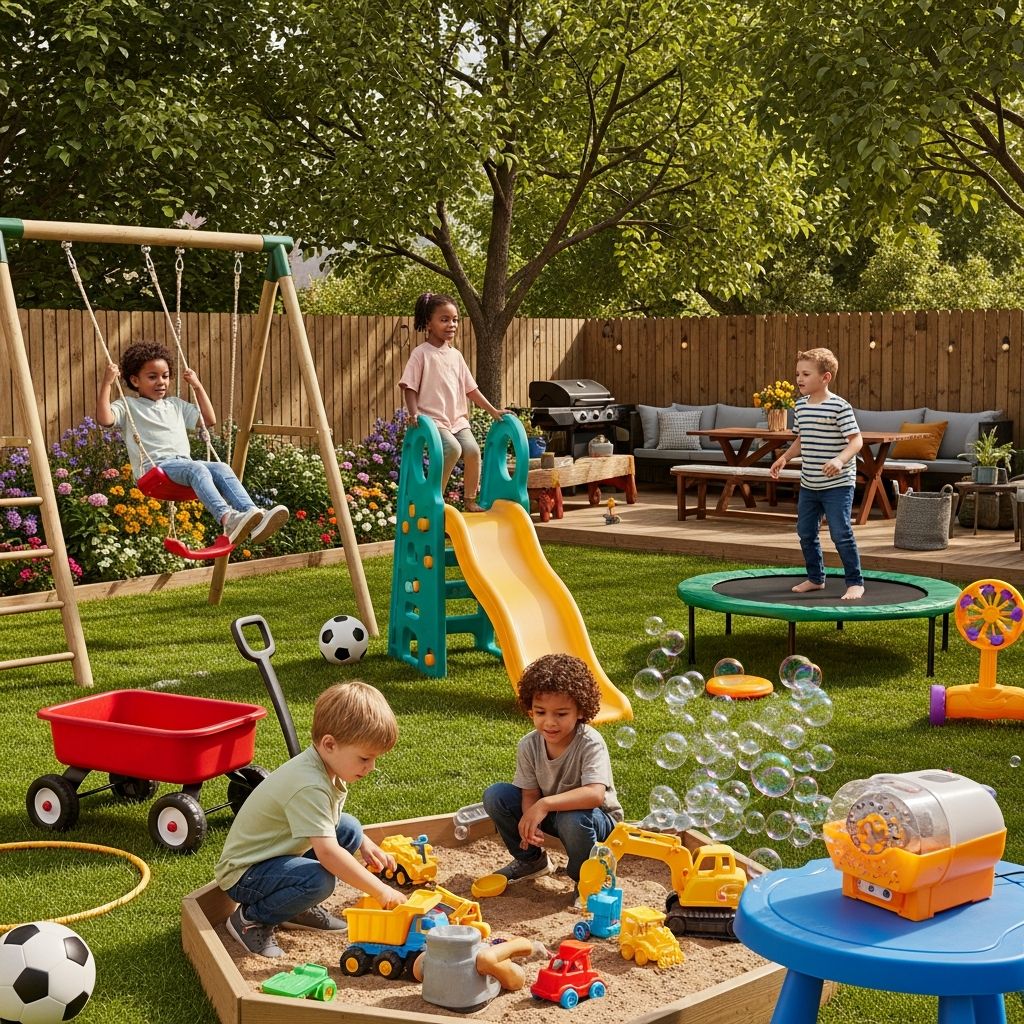
Outdoor toys can transform even a small patch of yard or a shared courtyard into a place where kids run, climb, splash, and imagine for hours. The right toys don’t just keep children busy; they support physical development, creativity, problem-solving, and social skills while giving families more reasons to step away from screens and head outside.
This guide walks you through how to choose outdoor toys that really get used, what works best for different ages and spaces, and how to build a simple collection that grows with your child.
Why Outdoor Play Toys Matter More Than Ever
Health and education experts consistently emphasize the importance of regular active play, especially outdoors:
- Physical health: Active play improves cardiovascular fitness, coordination, strength, and bone health.
- Mental well-being: Time outside is linked with lower stress and better mood for children and adults.
- Cognitive skills: Unstructured play supports problem-solving, creativity, and attention span.
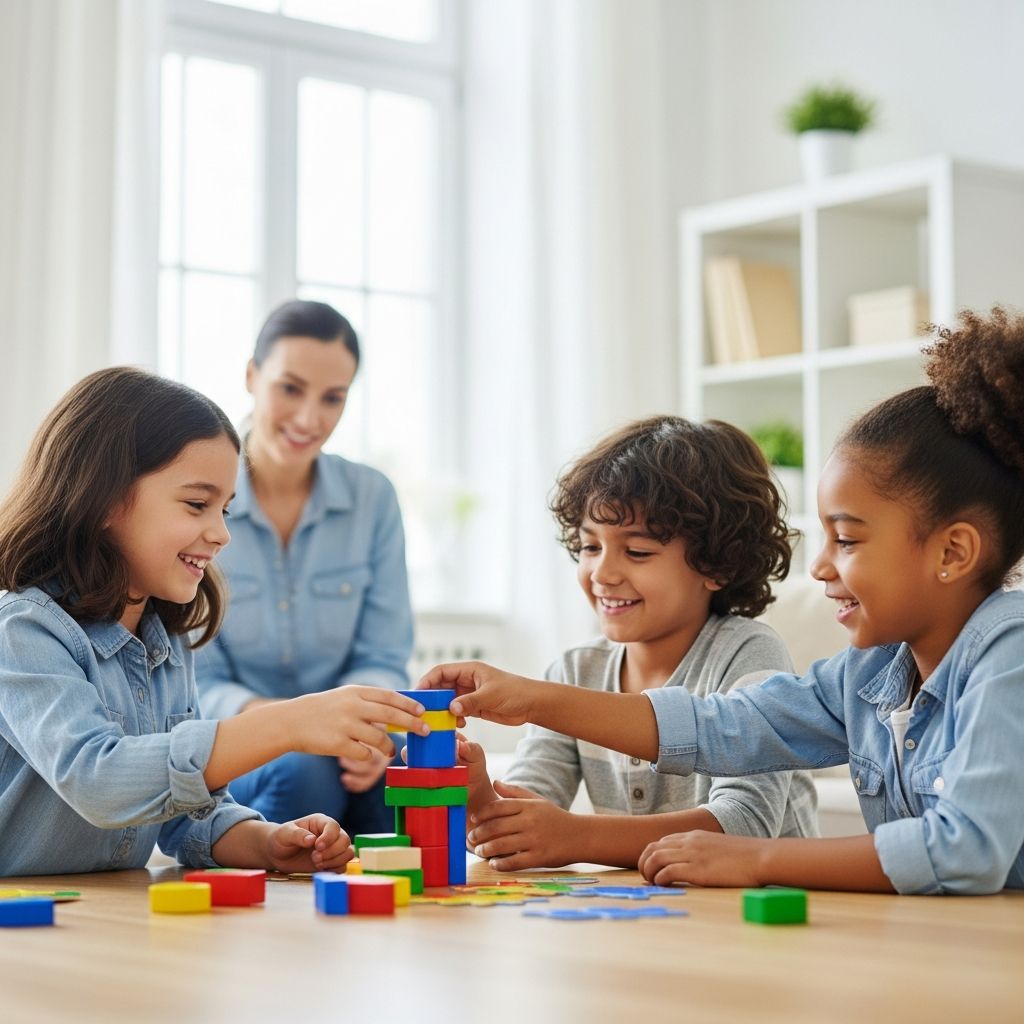
- Social development: Games, pretend play, and shared equipment help kids practice communication and cooperation.
Well-chosen outdoor toys make these benefits more likely by inviting kids to move their bodies and use their imagination instead of sitting still.
Key Factors to Consider Before Buying Outdoor Toys
Instead of starting with a long wish list, begin with a quick checklist. Thoughtful planning helps you avoid toys that look fun online but gather dust in a corner.
1. Space: Yard, Balcony, or Shared Courtyard?
- Large yards: You can accommodate bigger items like climbers, swings, trampolines, or ride-on tracks.
- Small patios/balconies: Focus on foldable toys, compact water play, and open-ended items like chalk, cones, and light sports gear.
- Shared outdoor areas: Choose portable toys you can carry easily (balls, kites, bubble gear, scooters) and avoid leaving large structures in common spaces without permission.
2. Age and Stage
Development stage matters more than the exact birthday. Use manufacturers’ age guidelines as a baseline, then consider your child’s abilities and temperament.
| Age Range | Best Toy Focus | Examples |
|---|---|---|
| Toddlers (1–3) | Balance, cause-and-effect, sensory | Push toys, simple ride-ons, sand and water tables, soft balls |
| Preschoolers (3–5) | Gross motor, pretend play | Balance bikes, playhouses, small climbers, bubble machines |
| Early school age (5–8) | Rules-based games, skill-building | Beginner sports sets, scooters, simple obstacle courses |
| Older kids (8+) | Challenge, mastery, peer play | More advanced sports gear, flying toys, strategy yard games |
3. Safety and Durability
Most outdoor toys will face sun, dirt, and enthusiastic use. Before purchasing, check:
- Weight limits and age ratings: Follow manufacturer guidance to reduce injury risk.
- Materials: UV-resistant plastic or weather-treated wood usually holds up best outdoors.
- Stability: Broad bases, low centers of gravity, and secure anchors help prevent tipping.
- Protective gear: Pair wheels and climbing toys with helmets and, when appropriate, pads.
4. How Long It Will Stay Interesting
Look for toys kids can use in more than one way, rather than single-purpose gadgets. A simple ball can become part of soccer, target practice, or imaginative games; a set of cones can mark race tracks, obstacle courses, or pretend shops. The more ways a toy can be used, the better your long-term value.
Core Categories of Outdoor Toys (and What They’re Best For)
Most outdoor toys fit into a few broad categories. Having at least one option from each category creates a well-rounded backyard or play kit.
Movement Toys: Ride-Ons, Wheels, and Things to Climb
These toys are all about big-body movement and coordination.
- Ride-on toys: Simple foot-to-floor cars for toddlers, then balance bikes, trikes, and scooters as kids grow. These build strength and balance and encourage confidence with speed and direction.
- Climbers and play structures: Compact climbing domes, low platforms, or combination sets with slides give kids safe places to climb, hang, and jump, supporting strength and motor planning.
- Balance-focused items: Stepping stones, low balance beams, and wobble boards add a gentle challenge for preschoolers and school-age kids.
For any wheeled toy, routinely check brakes, wheels, and fasteners, and make helmet use non-negotiable.
Water and Sand Play: Sensory Fun Outdoors
Water and sand play offer rich sensory experiences and are easier to clean up outside than indoors.
- Water tables and splash mats: Great for toddlers and preschoolers—add cups, funnels, and toy boats for pouring and experimentation.
- Sprinklers and splash pads: Encourage running, jumping, and cooling down in hot weather. Choose designs with adjustable water pressure for different comfort levels.
- Sandboxes and digging areas: Support fine motor skills and imaginative building with shovels, molds, trucks, and natural materials like rocks and sticks.
When using water play in warm weather, ensure frequent shade and hydration to protect kids from heat-related illness.
Sports and Active Games
Sports-themed outdoor toys can introduce kids to organized games in a low-pressure, playful way.
- Beginner sets: Child-sized soccer goals, T-ball stands, and adjustable basketball hoops help kids learn basic skills.
- Target games: Beanbag toss, ring toss, and child-safe throwing games are easy for mixed-age groups.
- Family yard games: Oversized versions of classic games (giant blocks, large ring toss, soft disc throws) keep kids and adults engaged together.
These toys are especially useful for social skills: taking turns, following rules, handling both winning and losing gracefully.
Creative and Imaginative Outdoor Toys
Not every outdoor toy has to be about running and jumping. Some of the best options encourage kids to invent stories and build worlds.
- Chalk and outdoor art tools: Sidewalk chalk, chalk paint, and large outdoor paper rolls invite drawing, writing, and collaborative murals.
- Playhouses and pretend kitchens: Simple structures become restaurants, veterinary clinics, space stations, or anything kids can dream up.
- Loose parts: Crates, fabric pieces, cones, and planks can turn into obstacle courses, forts, or stages.
Creative toys work well alongside natural materials—leaves, sticks, stones—to deepen kids’ connection with the outdoors.
Nature Exploration and Discovery Tools
Outdoor toys can also help kids observe and understand the natural world.
- Bug viewers and magnifying glasses: Let children inspect leaves, rocks, insects, and textures up close.
- Simple field guides and scavenger lists: Even homemade picture lists encourage kids to notice shapes, colors, and patterns during walks.
- Binoculars and kid-friendly cameras: Support birdwatching and documenting seasonal changes.
These tools encourage curiosity and can increase children’s sense of connection to local parks and green spaces.
Building a Versatile Backyard Toy Collection
You do not need every trending toy to have a fun backyard. A small, well-chosen set can offer endless play combinations.
Suggested Starter Set by Age Group
Use this as a flexible starting point, not a strict shopping list.
- Toddlers (1–3 years):
- 1 simple ride-on or push toy
- 1 water or sand play station
- 2–3 soft balls in different sizes
- Basic bubble wand set
- Preschoolers (3–5 years):
- Balance bike or lightweight scooter
- Small climber or slide
- Sidewalk chalk set
- Open-ended loose parts (cones, hoops, fabric)
- Early school-age (5–8 years):
- Adjustable hoop or soccer goal
- Beginner racket or throwing game
- Flying toy (kite or soft flying disc)
- Simple nature exploration kit
- Older kids (8+ years):
- Higher-challenge sports gear (e.g., more advanced ball, net, or target game)
- Strategy-based yard game suitable for family play
- More complex building or obstacle course components
Maximizing Value: Toys That Grow with Your Child
To keep costs down and storage manageable, look for:
- Adjustable height or difficulty: Items that raise, lower, or change configuration as your child grows.
- Modular systems: Tracks, blocks, and loose parts that can combine in new ways over time.
- Neutral themes: Simple designs that appeal across ages and interests, rather than tightly themed or character-based toys.
Practical Tips: Storage, Maintenance, and Safety
A few simple routines extend the life of outdoor toys and keep playtime safe and low-stress.
Smart Storage Solutions
- Weather-aware storage: Use covered bins, deck boxes, or a garage corner for items that fade or crack in sun or rain.
- Kid-accessible organization: Low baskets and labeled tubs help children take responsibility for clean-up.
- Rotation system: Keep a portion of toys stored away and swap them out every few weeks to rekindle interest.
Safety Checks and Play Rules
Before each season, walk through your outdoor play area and inspect toys for:
- Loose screws or sharp edges
- Splinters or cracked plastic
- Torn straps or worn ropes
Establish a few clear family rules, such as always using helmets with wheels, wearing shoes on climbers, and limiting the number of kids on a structure at once. Many injuries from home playground equipment are preventable with basic supervision and safe setup.
Weather and Heat Considerations
During hot weather, schedule active outdoor play earlier in the morning or later in the evening, and encourage regular water breaks. Check slides, metal parts, and dark plastic surfaces before use; they can become hot enough to cause burns in direct sun.
Simple Ideas to Refresh Outdoor Play Without Buying More
Even the best toys can start to feel stale if used the same way every time. Try these quick refreshers:
- Themed days: Declare a “sports day,” “water day,” or “nature explorer day” and set up toys around that theme.
- Mini challenges: Time a scooter course, design a new ball game, or build the tallest sand structure.
- Combine toys: Use chalk to draw roads for ride-ons, add loose parts to the water table, or turn sports gear into an obstacle course.
- Invite friends: Many toys are more fun with a group; simple gatherings make old toys feel new again.
Frequently Asked Questions (FAQs)
How many outdoor toys does a child really need?
A small mix from a few categories—movement, sensory, sports, and imaginative play—is usually enough. Focus on toys that can be used in multiple ways rather than buying lots of single-purpose gadgets.
Are secondhand outdoor toys safe to use?
Many can be safe if you carefully inspect them for cracks, missing parts, rust, or instability, and confirm that safety standards have not changed since they were made. Replace worn hardware and always follow up-to-date safety recommendations.
What outdoor toys are best for very small spaces?
Portable items like balls, chalk, compact water bins, bubbles, and small ride-ons or scooters work well. Choose toys that store vertically or fold flat, and plan to use nearby parks for running and larger movement needs.
How can I encourage my child outside if they prefer screens?
Start with short, predictable outdoor sessions and activities that connect to their interests, such as filming trick shots, designing chalk art challenges, or creating a backyard “mission” to record nature observations. Joining them at first makes participation more appealing.
Do outdoor toys have to be expensive to be worthwhile?
No. Some of the most engaging outdoor play comes from simple items like balls, chalk, buckets, and repurposed household objects used as loose parts. Durability and versatility matter more than high price.
References
- Physical Activity and Children — Centers for Disease Control and Prevention (CDC). 2022-09-08. https://www.cdc.gov/physical-activity-basics/guidelines/children.html
- Connecting Children with Nature — National Association for the Education of Young Children (NAEYC). 2018-01-01. https://www.naeyc.org/resources/topics/nature
- Playground Safety Tips — American Academy of Pediatrics / HealthyChildren.org. 2022-06-01. https://www.healthychildren.org/English/safety-prevention/at-play/Pages/playground-safety.aspx
- Heat-Related Illnesses — Centers for Disease Control and Prevention (CDC). 2023-07-12. https://www.cdc.gov/disasters/extremeheat/heat_guide.html