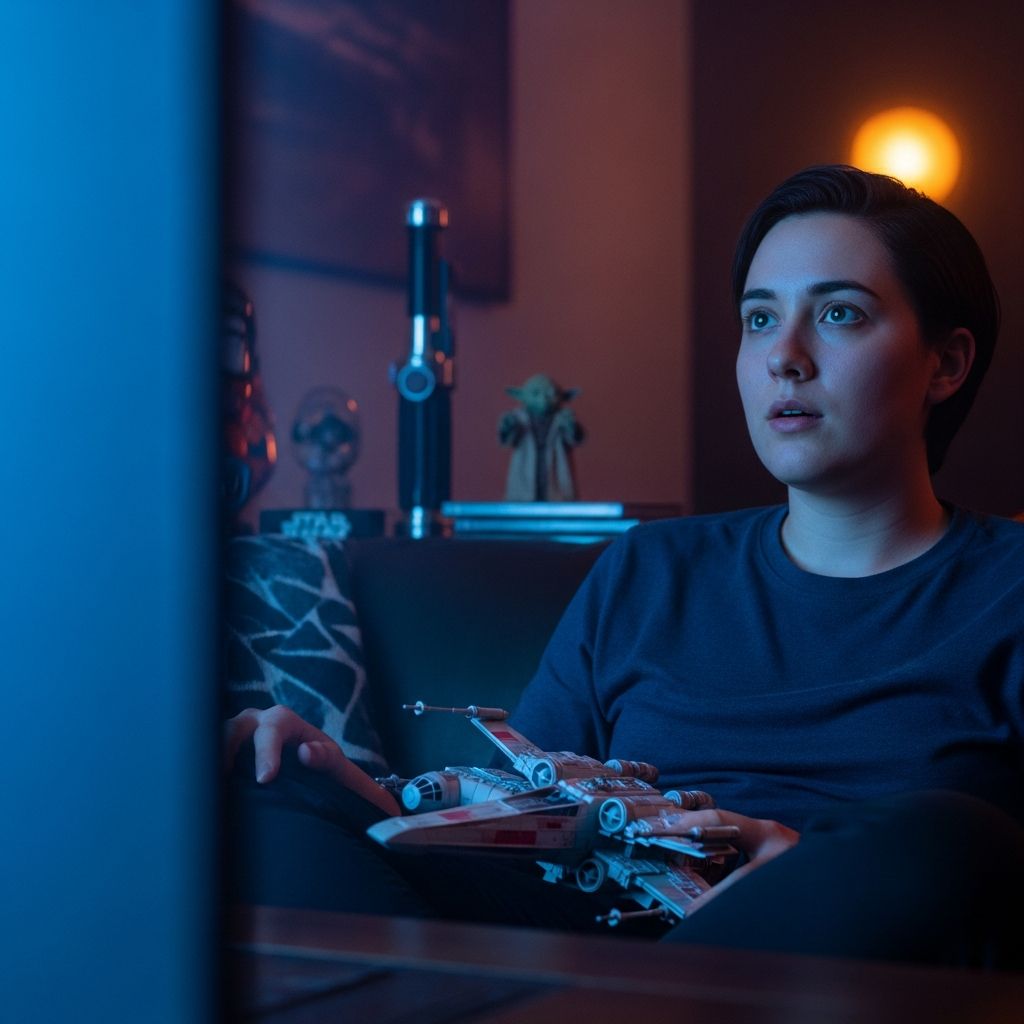
Entering the Star Wars galaxy for the first time is exciting, a little intimidating, and surprisingly full of decisions. The biggest one: in what order should you watch the movies? This guide explains the main viewing strategies, who each one works best for, and practical tips for making that very first journey to a galaxy far, far away feel magical and coherent instead of confusing.
Big Question: What Are You Trying to Get Out of Star Wars?
Before picking a viewing order, it helps to decide what kind of first-time experience you want. Different approaches highlight different strengths of the saga, from big plot twists to slow-building character arcs and sprawling lore.
- Do you care most about surprises? Some orders preserve major twists, while others sacrifice them in favor of background and context.
- Are you watching with kids? Younger viewers often respond better to fast pacing, clearer heroes and villains, and lighter tone.
- Do you want a self-contained introduction or the full canon? You can start with just a tight set of films, then expand later into series and spin-offs.
- How tolerant are you of older visual effects? Some orders ease you into the look and feel of late-70s and early-80s filmmaking more gently than others.
Once you answer these questions, you can pick the order that plays to your priorities instead of fighting against them.
Core Viewing Orders in Plain Language
Most first-time viewers end up choosing between three broad strategies: seeing the saga the way the world originally saw it, following the in-universe timeline, or using a hybrid method that focuses tightly on the main family story. Each treats mystery, backstory, and payoffs differently.
- Release order: Watch the movies in the order they actually came out in theaters, so you experience the story as audiences did across decades.
- Chronological order: Follow the in-universe timeline from earlier events to later ones, seeing cause and effect unfold in story order.
- Hybrid “bridge” orders: Start with part of the original story, jump backward for context, and then return to finish the main arc.
None of these are objectively “correct.” They simply trade off different storytelling priorities. The trick is matching the trade-off to the viewer.
Quick Comparison of First-Time Viewing Strategies
| Viewing Strategy | Best For | Biggest Strength | Main Drawback |
|---|---|---|---|
| Release Order | Most first-time viewers, especially adults | Preserves the original sense of discovery and key plot twists | Jumps backward and forward in the timeline |
| Chronological Order | Viewers who love lore and backstory | Clear cause-and-effect from earlier events to later consequences | Blunts some major surprises and reveals |
| Hybrid Order | Story-focused viewers who want both twists and context | Balances shock value with character depth | Requires more explanation and planning |
Release Order: Experiencing Star Wars Like the First Fans
Release order means you start with the original films made in the 1970s and 1980s, then move through the later prequels and sequels. This mirrors how the world actually discovered Star Wars over time. It emphasizes surprise, gradual world-building, and the emotional punch of seeing the universe expand as technology and budgets grew.
- Why many people recommend it: The early films were designed to drop you into the middle of the action and slowly explain the world as you go, which works beautifully for newcomers.
- What it feels like: You meet the saga’s key heroes first, then gradually uncover the history that shaped them, almost like reading a great book out of chronological order on purpose.
- Who it suits best: Adults, teens, and anyone who enjoys classic cinema and wants to understand why these movies became a cultural landmark.
The main downside is that the internal timeline jumps: you start partway through the overarching story, then later flash back to earlier events. Most first-time viewers adjust quickly, but very literal thinkers may prefer a more linear timeline.
Chronological Order: Following the Galaxy’s Timeline
Chronological order arranges the movies according to when events happen in the story’s universe, not when the films were released. You begin with the rise of political tensions and early conflicts, then move through the original heroes’ saga and beyond. This can make it easier to follow cause and effect, particularly for viewers who pay close attention to politics, family trees, and long-running character arcs.
- What stands out: You see key characters grow over many years, with their early decisions echoing into much later events.
- Advantages for detail-oriented viewers: Backstory is front-loaded, so motivations are clearer when major choices roll around.
- Trade-off: Some of the most famous twists in movie history land with less shock because major reveals are implied or explained earlier.
Chronological order can also be more demanding on younger kids, because some of the initial political and thematic material is slower paced than the straightforward adventure feel of the classic films.
Hybrid Orders: Balancing Mystery and Backstory
If you want both big emotional twists and rich context, a hybrid order can provide a satisfying compromise. In these approaches, you usually begin with some of the original films to hook new viewers, then pivot backward to show how earlier events led to the situation you just saw, and finally return to finish the central conflict.
- What hybrids try to do: Preserve key surprises from the original run while still letting you see how central characters changed over time.
- Who benefits most: Adults and teens who love thinking about structure, foreshadowing, and emotional payoffs.
- What to watch out for: These orders are less intuitive for complete newcomers; they sometimes require a short explanation before pressing play.
While the details of different hybrid orders vary, they all share the same basic idea: use the original films to set stakes and questions, then use later-made prequels as an extended flashback.
Watching with Kids: Tailoring Star Wars for Young Viewers
Introducing Star Wars to children adds extra layers: attention spans, sensitivity to scares, and comfort with complicated politics. The goal shifts from “complete narrative understanding” to “a memorable, fun, and emotionally appropriate experience.”
- Lean into the adventure: Choose entries where the pacing is brisk, the heroes are easy to root for, and the villains are clearly defined.
- Consider visual intensity: Some films have darker imagery and more intense battles that might be better saved for later viewings.
- Flex the order: It’s perfectly fine to skip or postpone certain movies until your child is older and better equipped for heavier themes.
For many families, a slightly simplified release-inspired order works best: start with the films that mix humor, excitement, and clear stakes, then expand once kids are hooked and asking questions.
How Much Should You Watch on Your First Run?
Another decision is scope. You no longer have only a handful of movies; there are now multiple trilogies plus stand-alone films and series. When introducing Star Wars to someone for the first time, more is not always better. It can be smarter to pick a “starter package” that tells a complete story without overwhelming them.
- Option 1: The original trilogy only. Treat it like a classic, self-contained saga, then decide later whether to explore prequels and sequels.
- Option 2: One full trilogy plus a stand-alone. Use a side story to deepen the universe once the main thread is clear.
- Option 3: All three main trilogies as a long-form epic. This is best suited to viewers who already know they enjoy long-running genre stories.
Think of Star Wars like a book series. You do not have to commit to the entire shelf on day one. A strong, focused first experience almost always leads to curiosity about the rest.
Practical Tips for a First-Time Star Wars Marathon
The order you choose matters, but so does how you watch. A few simple choices can make the difference between a magical first journey and a confusing slog, especially if you’re watching with kids or a mixed-age group.
- Set the expectation upfront: Explain that the movies span decades of filmmaking, so visual style and effects will change dramatically.
- Limit daily runtime: Instead of trying to power through everything in one weekend, cap it at one or two films in a sitting.
- Keep spoilers off the table: If some viewers already know the saga, agree on a no-spoiler rule for big moments.
- Turn it into an event: Themed snacks, dimmed lights, and simple traditions (like pausing afterward to talk) make the experience feel special.
- Avoid pausing for over-explanation: Answer basic questions, but let the story reveal itself instead of lecturing through every scene.
Approaching Star Wars as shared time rather than homework encourages everyone to relax and invest emotionally instead of worrying about keeping every detail straight.
Adult Newcomers vs. Returning Fans as Guides
Sometimes, a lifelong fan wants to introduce a partner, friend, or older child who has somehow never seen any of the movies. The tricky part is that fan nostalgia can clash with what actually works best for a newcomer. Remember that your goal is not to relive your own first viewing exactly, but to give them a version that fits who they are.
- Resist inside jokes: References, memes, and quotes that mean a lot to you can distract or confuse someone who doesn’t have the context yet.
- Be open about order choices: Ask what they usually enjoy in movies—twists, character studies, big world-building—and pick the order that matches their preferences.
- Let them form their own opinions: Try not to pre-load them with “this is the bad one” or “this is the best one” speeches before each film.
Being a good guide means stepping back enough to let the other person experience genuine surprise and form their own favorites, even when they differ from yours.
How Spin-Offs and Series Fit Into a First Viewing
Beyond the core films, Star Wars now includes multiple television series and stand-alone movies that fill in gaps, explore side characters, and expand themes. They are valuable, but not required for a satisfying first encounter. In fact, saving them for later often strengthens the initial experience.
- After a first trilogy: A well-chosen stand-alone movie can deepen appreciation for the broader conflict without derailing the main story.
- After two trilogies: Series that explore earlier or parallel events tend to resonate more once viewers already care about the larger stakes.
- For kids: Animated series can be a gentler, more episodic on-ramp once they fall in love with the universe through the films.
Think of these additions as bonus chapters or side quests: most enjoyable when you already understand the central narrative, not as mandatory homework before you know who anyone is.
Questions to Answer Before Pressing Play
If you’re still unsure how to start, run through a short checklist. Writing down the answers—especially when planning for a group—can quickly point you toward an order and scope that fits.
- Are you okay with time jumps in the story, or do you strongly prefer chronological storytelling?
- How important are surprise twists to you compared with understanding all the background upfront?
- What is the youngest age in your viewing group, and how sensitive is that person to scary imagery or intense themes?
- Do you want to sample Star Wars to see if you like it, or are you ready to commit to a full multi-film arc?
- Is your group more into emotional character journeys, big battles, complex politics, or lighthearted adventure?
Your answers will often make one strategy clearly stand out, whether that’s a straight release-order run, a tightly curated partial order, or a more experimental hybrid.
Recommended Starting Paths for Different Viewers
To make things concrete, here are sample starting strategies for different kinds of first-time viewers. These are not strict rules—just templates you can adapt.
| Viewer Type | Suggested Focus | Reasoning |
|---|---|---|
| Adult, likes classic movies | Original films first, in release order | Emphasizes historical impact, surprises, and practical effects |
| Teen or adult who loves long arcs | Hybrid order with mid-saga flashback | Balances character development with dramatic reveals |
| Young kids (8–11) | Simplified release-inspired sequence, possibly skipping darker entries at first | Highlights adventure and humor while delaying the heaviest material |
| Detail-oriented lore fan | Chronological timeline, with plenty of breaks | Clarifies politics, family ties, and cause-and-effect |
Adjust length, pace, and skipped entries based on how your group is reacting. Interest and enjoyment should always outrank completionism.
Frequently Asked Questions About Watching Star Wars for the First Time
Do I have to start with the oldest movie?
No. Many viewers enjoy starting with the oldest film because it mirrors how the world first encountered Star Wars, but it is not a requirement. If you know you struggle with older visual effects, you can start with a more modern entry and circle back once you are invested in the story.
Will I be lost if I don’t watch every single movie and series?
Not at all. The core story was originally told through a limited number of films, and those still stand on their own. Treat everything beyond your chosen starting set as optional bonus content you can explore later if the universe grabs you.
Is there a “wrong” way to watch Star Wars for the first time?
The only truly wrong way is one that makes you or your group miserable—forcing too many movies in a row, insisting on an order nobody enjoys, or spoiling big moments in advance. As long as everyone is engaged, curious, and having fun, your viewing order is doing its job.
Should I read summaries or character guides before I start?
For a first watch, it is usually better to go in with minimal preparation. The films are designed to introduce characters and conflicts gradually, and part of the joy is learning alongside the heroes instead of arriving already briefed like a historian.
When should I introduce spin-offs and series to a new fan?
Wait until the main arc you chose feels complete and your new fan is asking questions the films do not fully answer. That curiosity is the perfect signal that they are ready for side stories, prequels, and deeper dives into secondary characters and corners of the galaxy.
Choosing the Right First Journey
In the end, the best way to watch Star Wars for the first time is the one that keeps the viewer emotionally engaged, minimally confused, and hungry for more. Whether you honor the original theatrical path, follow the galaxy’s internal timeline, or craft a custom hybrid route, what matters most is that the story lands with wonder rather than worry about doing it “correctly.” Pick the path that fits your group, commit to it, and let the Force—and the credits—roll.