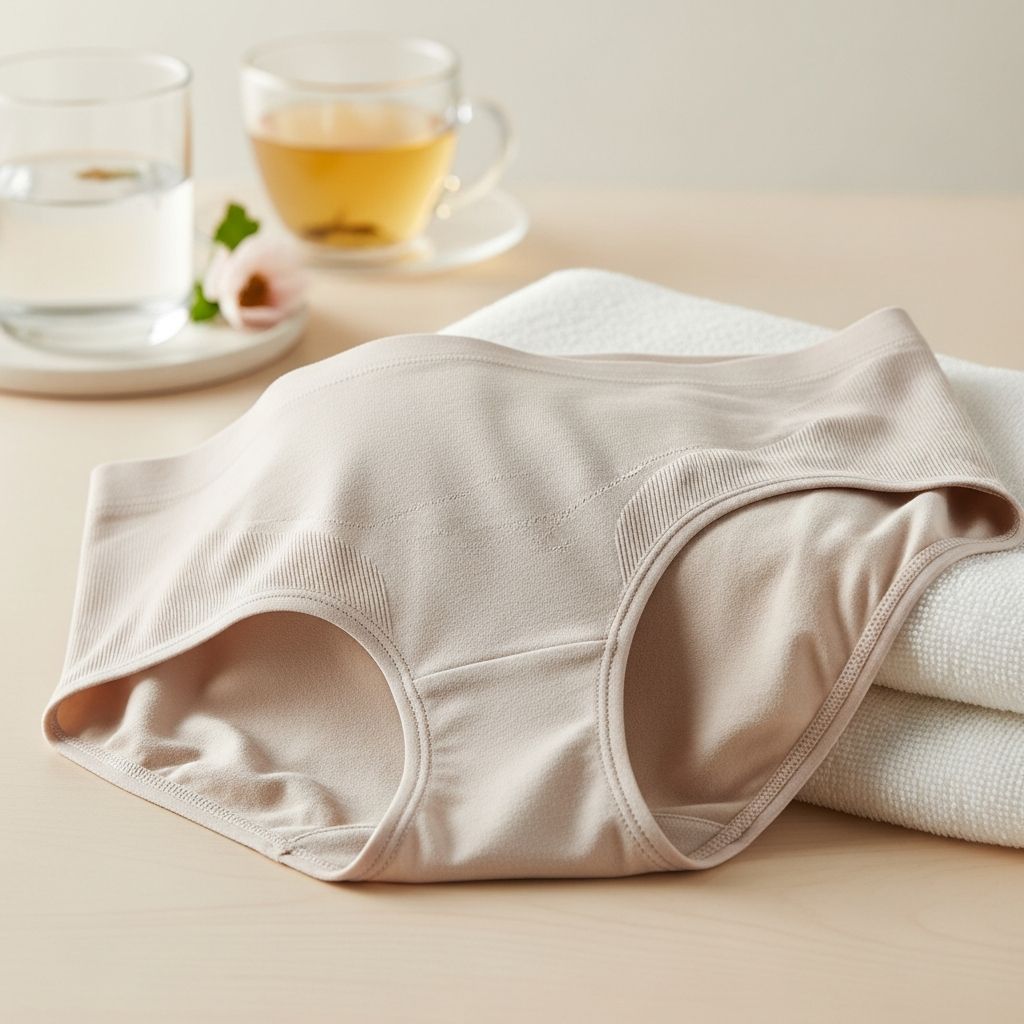
Postpartum underwear plays a crucial role in the early weeks after childbirth, offering comfort, support, and protection against lochia—the vaginal discharge that follows delivery. Light-colored options are particularly popular as they provide a fresh, clean look while effectively managing heavy flows without showing stains as prominently as darker shades. These garments are designed with soft, breathable fabrics to prevent irritation on sensitive skin, especially important for C-section incisions or episiotomy sites. According to experts, choosing underwear with light compression can gently support the abdomen and pelvis without restricting movement, aiding in posture and core recovery.
Understanding Lochia and Why Specialized Underwear Matters
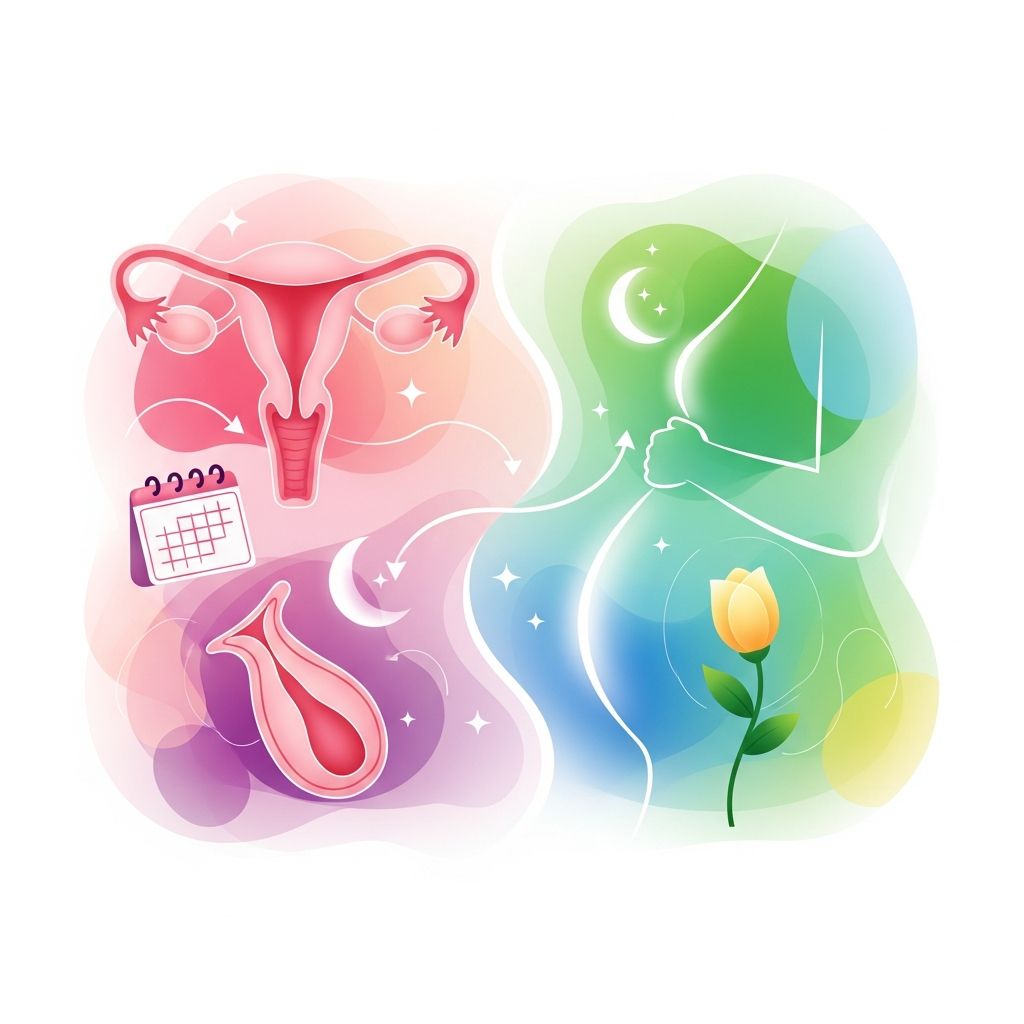
Lochia is the natural process of shedding the uterine lining after birth, starting as bright red blood with clots, transitioning to pinkish-brown, and finally creamy white over 4-6 weeks. This discharge can be heavy initially, soaking through regular underwear and pads, leading to discomfort and frequent changes. Postpartum underwear addresses this by featuring high absorbency, wide gussets, and secure pad holders, reducing leak risks and skin contact with moisture.
For vaginal births, these panties prevent shifting pads that could rub healing tissues. C-section mothers benefit from seamless designs that avoid waistband pressure on scars. Light colors like pale pink, beige, or white not only camouflage lighter flows but also evoke a sense of renewal, helping new moms feel more put-together amid exhaustion.
Key Features to Look for in Light Postpartum Underwear
When selecting light-colored postpartum underwear, prioritize these attributes for optimal recovery:
- Breathable Fabrics: Organic cotton or bamboo blends wick moisture and allow air circulation, reducing infection risks on perineal areas.
- Light Compression: Gentle support for abdominal muscles without constriction, promoting better circulation and reducing swelling.
- High Absorbency: Built-in layers or pad compatibility to handle heavy lochia without leaks.
- Seamless Design: Tag-free and smooth edges to prevent chafing, ideal for sensitive post-surgical skin.
- Stretch and Fit: High-waisted styles with flexible elastics that accommodate bloating and body changes.
Light shades ensure versatility, pairing well with recovery wear while hiding moderate spotting effectively.
Top Benefits of Light-Colored Options for New Mothers
Opting for light hues in postpartum underwear offers psychological and practical advantages. Visually, they appear cleaner longer, boosting confidence when regular underwear feels impractical. Breathable light fabrics like organic cotton are hypoallergenic, minimizing yeast infections common in humid postpartum conditions.
| Feature | Dark Underwear | Light Underwear |
|---|---|---|
| Stain Visibility | Hides heavy red lochia | Camouflages light pink/brown flows |
| Psychological Appeal | Practical but drab | Fresh, feminine feel |
| Versatility | Best for initial weeks | Suitable for all lochia stages |
| Cleaning Ease | Stains set in fabric | Bleach-compatible whites |
This comparison highlights why light colors shine in mid-to-late recovery.
Comparing Underwear Types: Diapers, Pads, and Panties
Postpartum care involves choices between disposable diapers, pads, and specialized underwear. Diapers offer 360° leak protection and C-section friendliness but lack style. Pads provide flexibility with any panty but require secure holders to stay in place. Dedicated postpartum panties combine both, with absorbency rivaling diapers and comfort surpassing pads.
- Diapers: Maximum protection, minimal style.
- Pads in regular underwear: Customizable but prone to shifting.
- Postpartum panties: Balanced absorbency, support, and aesthetics—ideal for light-colored preferences.
For light flows, transition to high-waisted cotton briefs that hold pads reliably.
Best Materials for Sensitive Postpartum Skin
Organic cotton tops recommendations due to its softness, breathability, and chemical-free nature. It reduces irritation risks and supports vaginal health by preventing bacterial overgrowth. Bamboo offers similar benefits with added antimicrobial properties. Avoid synthetics like polyester, which trap heat and moisture, exacerbating infections.
Light compression variants use nylon-spandex blends for support, but always check for cotton gussets. Medical advice favors breathable, roomy fits to protect vulvas and scars.
C-Section Specific Considerations for Light Underwear
C-section recovery demands underwear that avoids scar friction. High-waisted light panties with soft waistbands provide compression to minimize swelling and support uterine involution. Look for adjustable features and silicone scar panels in some designs. These reduce fluid buildup and smooth the incision bulge, enhancing comfort during mobility.
Vaginal Birth Recovery: Prioritizing Perineal Comfort
After vaginal delivery, focus on underwear that cradles ice packs or holds large pads without bunching. Light colors pair with mesh hospital undies initially, transitioning to cotton for home use. Stretchy fabrics accommodate swelling while promoting airflow to speed healing.
How Long to Wear Postpartum Underwear
Heavy lochia lasts 7-10 days, requiring absorbent styles. By week 3, lighter flows allow regular light cotton panties. Full transition to everyday underwear occurs around 6 weeks, post-clearance from your doctor. Always monitor for infection signs like foul odor.
Care and Maintenance Tips
Wash light postpartum underwear in hot water with gentle detergent; avoid fabric softeners. Air dry to preserve elasticity. Dispose of heavily soiled pairs if disposable, or retire stained ones post-recovery.
Frequently Asked Questions (FAQs)
Can I wear regular underwear postpartum?
Regular underwear works for light flows but lacks absorbency and support for initial lochia. Opt for postpartum styles first.
Are light-colored postpartum panties practical for heavy bleeding?
They excel in mid-recovery; pair with pads for heavy days. Stains are less visible than on white.
What’s the best fabric for C-section underwear?
Breathable cotton with light compression; avoids scar irritation.
How does compression help postpartum?
It supports core muscles, improves posture, and reduces swelling without restriction.
When can I stop using postpartum underwear?
Around 4-6 weeks or when lochia ends, per medical advice.
Transitioning Back to Everyday Wear
As recovery progresses, introduce seamless light panties for comfort. They bridge hospital disposables and pre-pregnancy favorites, maintaining hygiene and style.
(Word count: 1678)
References
- The Best Postpartum Underwear, Tested by 12 New Moms — The Bump. 2023. https://www.thebump.com/a/best-postpartum-underwear
- Postpartum Diapers vs Pads: Which is Best for Recovery? — LOLA. 2023. https://mylola.com/blogs/pregnancy-fertility/postpartum-diapers-vs-pads
- 12 Best Postpartum Underwear Options Of 2023 — Women’s Health. 2023-12-01. https://www.womenshealthmag.com/health/g28570640/postpartum-underwear/
- The Postpartum Underwear Guide Every New Mom Needs — Gennifer Rose. 2023. https://www.genniferrose.com/blog/the-postpartum-underwear-guide-every-new-mom-needs
- Best Underwear for Pregnant and Postpartum Women | Organic Cotton — LaCoochie. 2023. https://lacoochie.com/blogs/articles/why-organic-cotton-underwear-is-the-best-choice-for-pregnant-and-postpartum-women
- Maternity Underwear vs. Regular Ones: What Sets Them Apart? — LOLA Lykke. 2023. https://lolalykke.com/blogs/mamahood-manuals/maternity-underwear-vs-regular-underwear
- 8 Best Postpartum Underwear — Healthline. 2023. https://www.healthline.com/health/pregnancy/best-postpartum-underwear