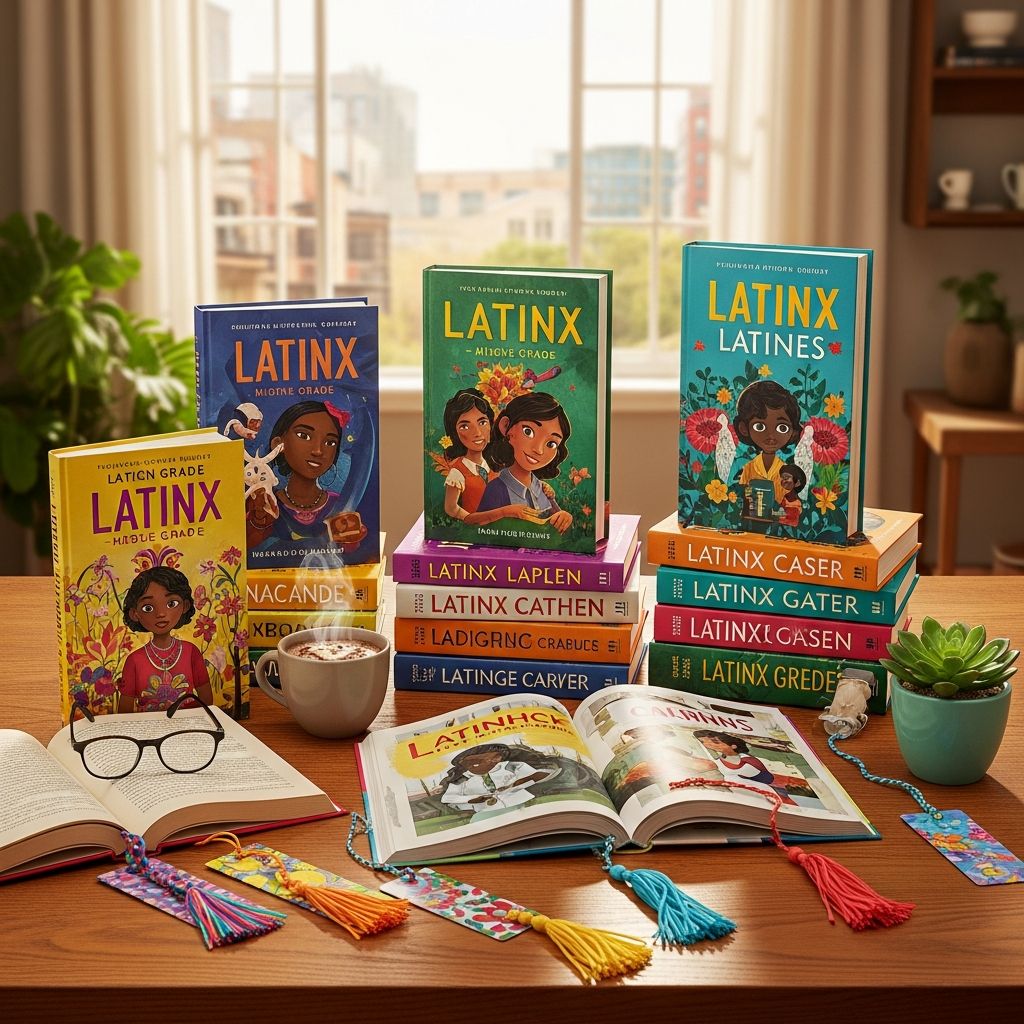
Middle grade literature offers a vital space for children aged 8 to 12 to encounter stories that mirror their experiences, especially for Latinx youth navigating identity, family dynamics, and cultural heritage in diverse settings. These books, often penned by Latinx authors, weave in elements of humor, adventure, and heartfelt growth, helping kids build empathy and pride in their roots. This collection spotlights standout titles that capture the vibrancy of Latinx life across the U.S. and beyond, drawing from themes like immigration, sports triumphs, punk rebellion, and magical realism.
Why Latinx Stories Matter in Middle Grade Fiction
Representation in books fosters self-esteem and broadens worldviews. For Latinx children, who make up a significant portion of U.S. students, seeing themselves as protagonists combats feelings of invisibility. Studies from educational organizations emphasize how diverse literature improves reading engagement and cultural understanding among all kids. These narratives often blend universal tween struggles—peer pressure, family expectations, self-doubt—with specific cultural touchstones like bilingualism, multigenerational households, and community festivals, creating relatable yet enlightening reads.
Historically, middle grade titles by Latinx creators have grown, addressing the ‘middle child syndrome’ where they receive less attention than picture books or YA. Recent years show a surge, with anthologies and series amplifying voices from Puerto Rican, Mexican, Cuban, and mixed-heritage backgrounds. Parents, educators, and librarians can use these books to spark discussions on resilience, prejudice, and joy during family read-alouds or school units.
Family Bonds and Cultural Pride
Many Latinx middle grade stories center family as a pillar of strength amid challenges. Take a tale where a girl champions her parents’ taco truck against school taunts, learning to embrace her heritage rather than hide it. This mirrors real-life tensions for immigrant families balancing tradition and assimilation.
- Key Themes: Embarrassment turning to pride, economic struggles, community support.
- Relatability: Tweens mortified by parental quirks will connect deeply.
Another poignant example draws from 1960s Cuba-to-New-York immigration, where a girl’s accident-bound recovery reveals inner fortitude. Blending Jewish-Cuban identity, it explores settling into new worlds while honoring the old. Such books teach that adversity forges character, with vivid settings like urban streets enhancing immersion.
Sports, Dreams, and Breaking Barriers
Sports narratives empower Latinx protagonists to defy odds. In one WWII-era story, a nine-year-old in California yearns for the first girls’ softball team despite her Indian-Mexican parents facing discrimination. Her journey highlights gender and racial hurdles in 1945 America.
Similarly, a powerhouse pitcher faces school switches but crafts a playbook blending baseball, field hockey, and poetry to reclaim her edge. These tales celebrate adaptability and multi-passion pursuits, ideal for athletic kids.
| Book Focus | Protagonist Challenge | Life Lesson |
|---|---|---|
| Softball Dreams | Prejudice and access | Perseverance |
| Pitcher’s Playbook | School transition | Versatility |
| Taco Truck Defense | Family stigma | Pride |
Punk Rock Rebellion and Authentic Self-Expression
Subcultures shine in stories like that of a punk-loving girl named María Luisa, who skates, makes zines, and skips cilantro in her Soyrizo. Facing new schools and expectations from her Mexican mom and punk dad, she embodies ‘be yourself’ amid band formations and identity clashes. This punk lens rarely spotlit in kid lit makes it fresh and bold.
Short story collections further diversify, like one with 12 vignettes on modern Latinx life: burrito trucks, immigration fixes by siblings, urban adventures. Perfect for reluctant readers, they offer bite-sized reflections on today’s realities. Anthologies co-curated by diverse book advocates feature stars like Matt de la Peña, mixing basketball, crushes, and neighborhood shifts.
Adventure, Magic, and Graphic Novel Thrills
Fantasy elements captivate with Mayan gods, shape-shifting, and relic quests in books like The Storm Runner, where a boy battles destiny alongside a prophetic girl. Graphic novels add visual punch: lowrider cars in eco-rescues, frizzy-haired girls tackling beauty norms, or witchling covens.
- Standouts: Juana & Lucas for bilingual fun; Invisible for hidden immigrant tales; Lowriders to the Rescue for Chicano sci-fi.
Poetry-infused stories, like a border kid’s verse discovery or a fierce Harlem slam poet (bridging to YA), show words as power.
Modern Hits and Award-Winners
Recent releases dominate lists: Shine On, Luz Véliz!, They Call Her Fregona, Miss Quinces with quinceañera drama, Sofía Acosta Makes a Scene theater dreams. Series like Rafi and Rosi or Catalina Incognito build worlds for repeat reads. Classics endure: Esperanza Rising on migrant labor, Echo harmonica prophecies.
How to Choose and Share These Books
Select by interest: sports fans get Step Up to the Plate; creatives, First Rule of Punk. Pair with heritage months or year-round. Discussion prompts: ‘How does family shape your identity?’ Libraries like Stanford’s guide recommend for grades 4-8.
Frequently Asked Questions (FAQs)
What age group is middle grade literature for?
Typically ages 8-12, focusing on friendship, family, and self-discovery without intense romance or violence.
Where can I find more Latinx middle grade recommendations?
Check sites like TeachingBooks.net, ReadBrightly.com, or library guides from Stanford.
Are these books only for Latinx kids?
No, they build empathy for all readers, highlighting universal themes through diverse lenses.
Do graphic novels count as middle grade?
Yes, titles like Isla to Island and Frizzy offer accessible entry for visual learners.
How has Latinx middle grade publishing evolved?
From sparse pre-2000s to dozens annually now, driven by #OwnVoices and diversity pushes.
These stories not only entertain but empower, ensuring Latinx kids see their lives celebrated on the page. Encourage budding readers to dive in and discuss.
References
- 10 Exciting New Middle Grade Books with Latinx Main Characters — ReadBrightly.com. 2017. https://www.readbrightly.com/new-middle-grade-books-with-latino-characters/
- 26 Chapter Books, Middle Grade, and Graphic Novels for Latinx Heritage Month — TeachingBooks.net/School Library Journal. Accessed 2026. https://school.teachingbooks.net/tb.cgi?lid=11084
- Middle Grade & YA: 9 Must-Read Fiction Books By Latinx Authors — City Teaching Alliance. N/A. https://cityteachingalliance.org/blog/middle-grade-ya-9-must-read-fiction-books-by-latinx-authors/
- 15 Middle Grade Books by Hispanic Authors — Literacious. 2023-10-02. https://www.literacious.com/2023/10/02/15-middle-grade-books-by-hispanic-authors/
- Children’s Books by or about Latinx and Hispanic Americans – Middle School — Stanford University Libraries. Accessed 2026. https://guides.library.stanford.edu/childrenslatinx/middleschool
- 17 Latinx Middle Grade Titles to Share on Latinx Heritage Month — School Library Journal. N/A. https://www.slj.com/story/17-latinx-middle-grade-titles-to-share-on-latinx-heritage-month