Preparing school lunches that kids will actually eat requires thoughtful choices in containers, accessories, and packing strategies. This guide explores durable, fun, and practical options to streamline your routine while encouraging healthy eating habits.
Why Choose the Right Lunch Container Matters
Selecting appropriate lunch gear impacts nutrition, waste reduction, and mealtime enjoyment. Quality containers keep food fresh, prevent leaks, and make packing efficient. Reusable options cut down on single-use plastics, benefiting both family budgets and the environment.
Parents report that compartmentalized designs help kids explore balanced meals without foods mixing, fostering independence at the lunch table. Investing in versatile boxes adaptable from preschool to upper grades ensures long-term value.
Top Features to Look for in Lunch Boxes
When shopping, prioritize these essentials:
- Leak-proof seals: Essential for soups, yogurt, or dips to avoid messes in backpacks.
- BPA-free materials: Safe plastics, stainless steel, or silicone prevent chemical leaching.
- Multiple compartments: Separate proteins, veggies, fruits, and grains for appealing presentations.
- Easy cleaning: Dishwasher-safe parts save time after busy mornings.
- Durability and size: Withstand drops and fit age-appropriate portions without excess bulk.
Insulated options maintain hot or cold temperatures, ideal for varied climates or picky eaters preferring warm foods.
Best Bento-Style Lunch Boxes Reviewed
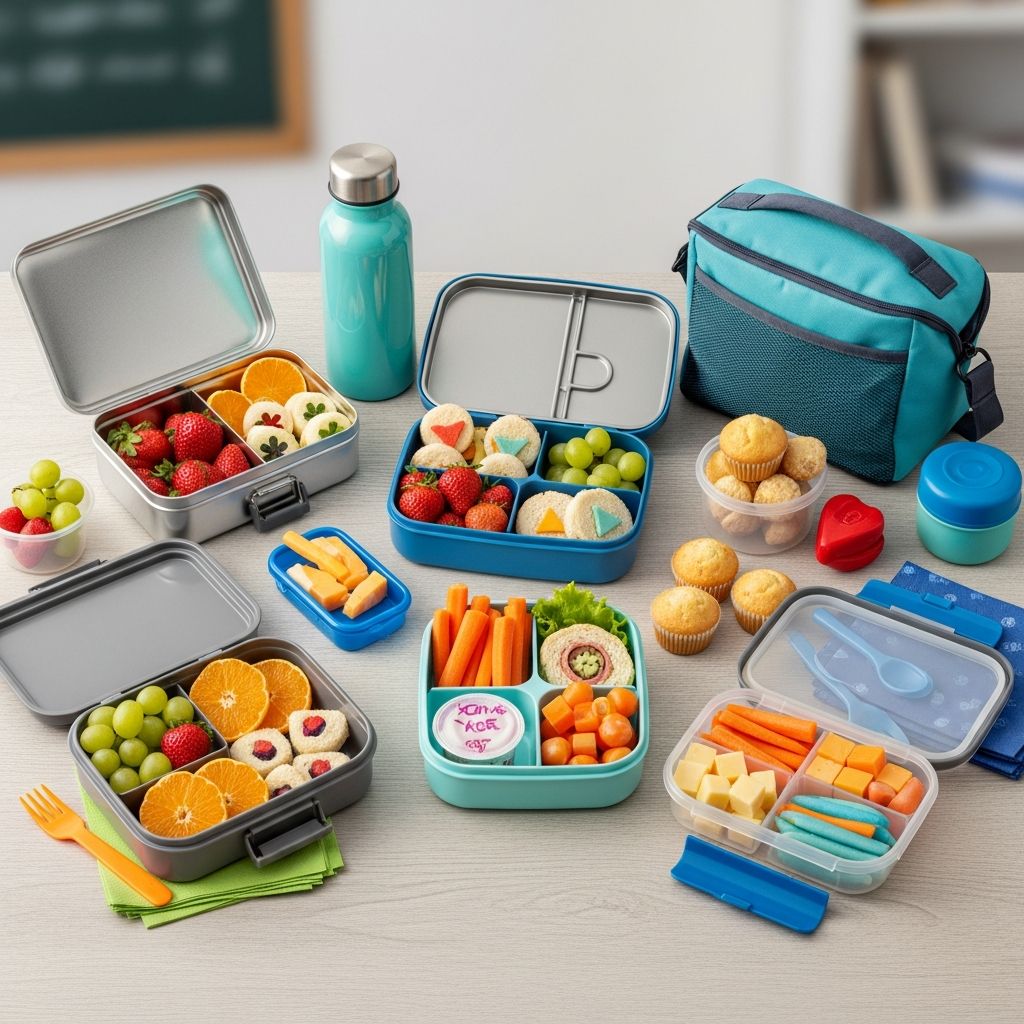
Bento boxes originated in Japan, emphasizing portion control and visual appeal through divided sections. Modern versions cater to Western tastes with colorful, kid-centric designs.
| Box Name | Compartments | Material | Key Benefit | Best For |
|---|---|---|---|---|
| Yumbox | 5-6 | Food-safe plastic | Leak-proof, lightweight | Preschoolers |
| PlanetBox | 5+ | Stainless steel | Eco-friendly, durable | Elementary kids |
| EasyLunchboxes | 4 | BPA-free plastic | Affordable, stackable | Budget families |
| Monbento | Modular | PP plastic | Customizable sizes | Tweens |
These selections stand out for their balance of functionality and fun. For instance, stainless steel models like PlanetBox resist stains from sauces and last years, reducing replacement costs.
Insulated Lunch Jars for Hot Meals
For families favoring warm lunches like pasta or oatmeal, insulated jars shine. The Zojirushi Mr. Bento features stacked stainless containers that retain heat for hours, complete with a chopstick set for variety.
Similar options include Thermos Funtainer, a budget-friendly pick with a fun spoon integrated into the lid. These keep foods above 140°F for safety, per food handling guidelines. Pair with a small ice pack for cold sides to create complete meals.
Sustainable and Reusable Accessories
Complement boxes with eco-conscious add-ons to minimize waste:
- Silicone muffin cups and sandwich cutters: Shape foods into stars or hearts for picky eaters.
- Reusable food picks and dividers: Add flair without disposables.
- Cloth napkins and beeswax wraps: Replace paper towels and plastic film.
- Stainless straws and mini dippers: Encourage veggies with yogurt or hummus.
Brands like BentoBuds offer magnetic accessories for customizable setups, enhancing creativity while teaching sustainability.
Packing Strategies for Picky Eaters
Make lunches irresistible with these tips:
- Involve kids: Let them choose themes like ‘rainbow days’ with colorful produce.
- Balance macros: Include protein, whole grains, fruits/veggies, and a treat in small portions.
- Theme it up: Taco Tuesdays or character bento faces using cheese and fruit.
- Prep ahead: Chop veggies Sunday nights; assemble mornings quickly.
- Rotate options: Track favorites in a journal to avoid boredom.
Studies from child nutrition experts emphasize variety prevents aversions, promoting lifelong healthy habits.
Age-Appropriate Lunch Gear Recommendations
Toddlers (Ages 2-4)
Opt for soft-edged, small-capacity boxes like Skip Hop Zoo Bento. Finger foods such as cheese cubes, grapes, and crackers work best to build self-feeding skills.
Preschool (Ages 4-6)
Transition to multi-compartment like Bentgo Kids, leak-proof for applesauce pouches and sandwiches. Fun prints motivate opening the box.
Elementary (Ages 6-10)
Larger options like Lunchbots suit growing appetites with room for salads or wraps. Stainless steel withstands playground roughhousing.
Tweens (Ages 10+)
Modular systems like MB Tresor allow personalization, fitting thermoses for soups alongside salads.
Maintenance and Safety Tips
Extend gear life with proper care: Air-dry silicone to prevent mold; hand-wash steel interiors if needed. Check seals quarterly by filling with water and shaking. Teach kids gentle handling to avoid dents.
For safety, avoid microwaving non-approved plastics. U.S. FDA guidelines confirm BPA-free status minimizes risks, but always verify labels.
Budget vs. Premium: Value Comparison
| Type | Price Range | Pros | Cons |
|---|---|---|---|
| Budget Plastic | $10-20 | Colorful, light | May stain, less durable |
| Mid-Range Bento | $25-40 | Leak-proof, versatile | Limited warranty |
| Premium Steel | $40-70 | Lifetime use, eco | Heavier, pricier upfront |
Premium pays off over time; one steel box outlasts 5-10 plastics, per parent reviews.
Frequently Asked Questions (FAQs)
What is the most leak-proof kids lunch box?
Yumbox and Bentgo excel with silicone seals tested for dips and dressings. Always confirm with manufacturer specs.
Are stainless steel lunch boxes safe?
Yes, when food-grade. They don’t leach chemicals and stay hygienic without absorbing odors.
How do I pack a lunch for a child who forgets utensils?
Choose integrated spoons like Thermos or attach reusable ones with clips. Practice at home builds habits.
Can bento boxes go in the dishwasher?
Most top-rack safe; check lids separately. Hand-washing preserves seals longer.
What are sustainable alternatives to ziplock bags?
Reusables like Stasher silicone bags or Abeego wraps, both machine-washable and planet-friendly.
Building Healthy Habits Through Lunch Packing
Consistent, creative lunches teach portion awareness and food enjoyment. Track progress: fewer uneaten items signal success. Community forums share recipes like mini muffin frittatas or fruit kebabs that vanish quickly.
Empower kids by labeling sections ‘protein power’ or ‘veggie victory’ for educational fun. Over time, this cultivates mindful eaters ready for any cafeteria challenge.
References
- Child Nutrition Guidelines — U.S. Department of Agriculture. 2023-10-01. https://www.fns.usda.gov/tn/myplate
- Food Safety and Container Standards — Food and Drug Administration (FDA). 2024-05-15. https://www.fda.gov/food/food-ingredients-packaging/packaging-food-contact-substances-fcs
- School Lunch Waste Reduction Study — World Wildlife Fund. 2022-08-20. https://www.worldwildlife.org/stories/reducing-school-lunch-waste
- Pediatric Nutrition Recommendations — American Academy of Pediatrics. 2025-01-10. https://publications.aap.org/pediatrics/article/155/1/e2024062384/196201
- Sustainable Food Packaging Report — United Nations Environment Programme. 2023-11-05. https://www.unep.org/resources/report/sustainable-food-packaging-global-legislation-roadmap