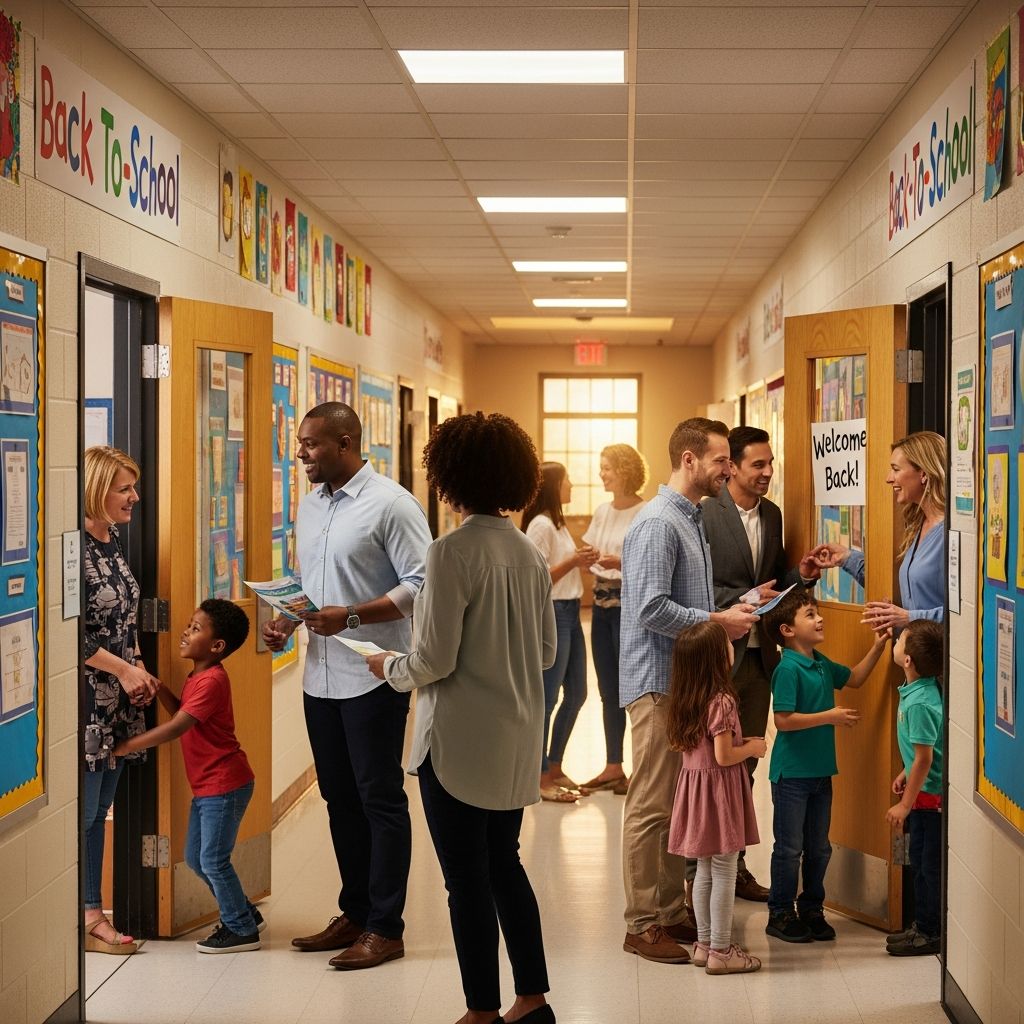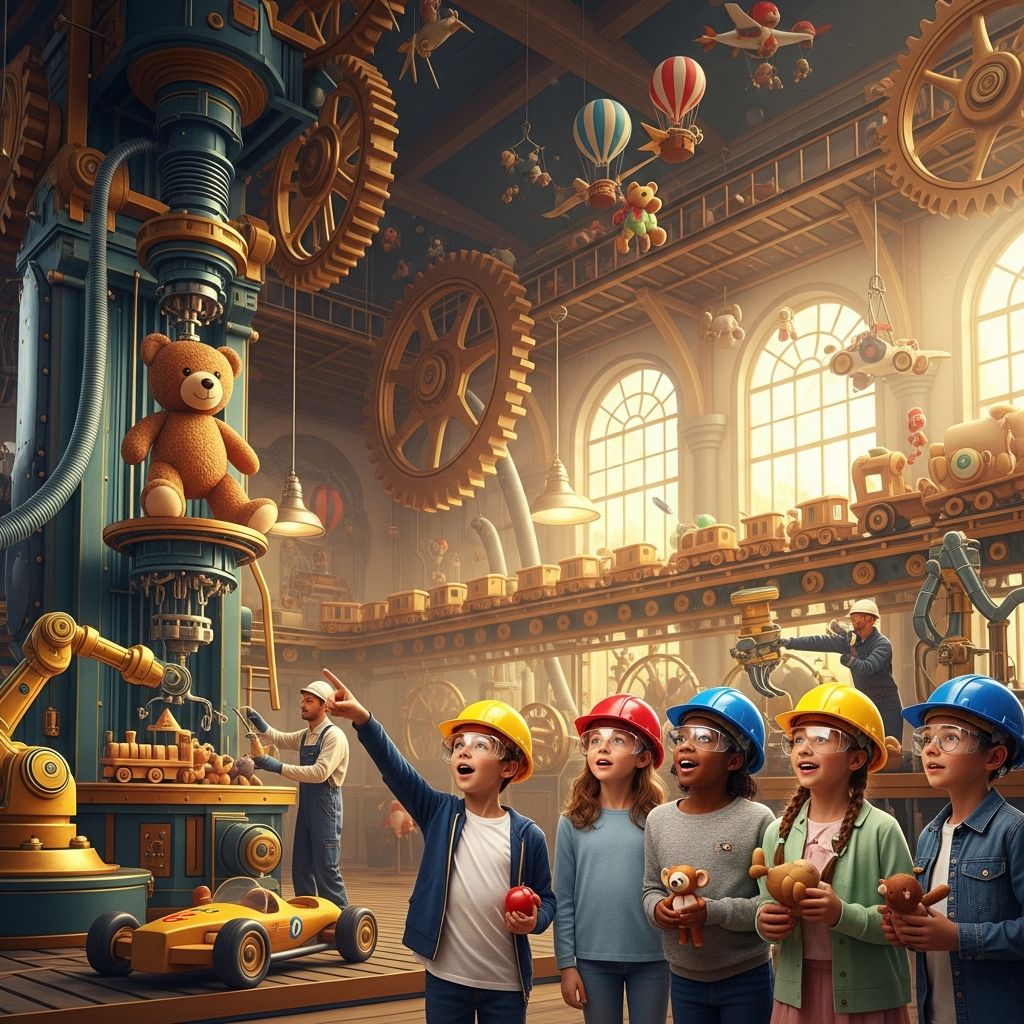
Watching a favorite toy come to life on an actual factory floor is the kind of experience kids remember for years. Factory tours blend hands-on fun with real-world science, engineering, art, and history, turning a simple family outing into a playful field trip. This guide walks you through some of the most engaging kid-friendly toy and toy-adjacent factory experiences, how to plan a visit, and what your child can learn along the way.
Why Factory Tours Are Perfect for Families
Factory tours let children see how everyday objects move from raw materials to finished products. Many companies now design tours specifically for families, adding interactive exhibits, play zones, and age-appropriate explanations of complex processes.
- Hands-on learning: Kids can connect what they see to concepts from school, such as simple machines, measurement, and materials science.
- Multi-sensory experiences: Sounds, movement, colors, and textures bring abstract ideas to life.
- Stronger curiosity: Seeing real workers and machines in action often sparks more questions than any textbook or video.
- Family bonding: Shared discovery time gives parents a chance to learn alongside their kids, not just supervise.
Educational research shows that visiting informal learning spaces—like museums and science centers—supports children’s long-term science interest and understanding, especially when families talk about what they see together. Factory tours tap into the same benefits while grounding learning in real production.
Planning a Kid-Friendly Factory Visit
Before choosing a specific tour, think about what your child loves and how they handle noise, crowds, and long walks. Each factory experience has its own pace, rules, and ideal age range.
Key Questions to Ask Before You Book
- Is there a minimum age for the tour?
- How long does the experience typically last?
- Are strollers permitted, and is the route accessible?
- Do kids receive souvenirs (like mini products) or need extra spending money?
- Are reservations required, or can families walk in?
- Are there quiet spaces or breaks for kids who may feel overwhelmed?
What Kids Learn on Factory Tours
| Theme | What Kids See | Hidden Lessons |
|---|---|---|
| STEM in Action | Machines shaping wood, metal, or plastic | Forces, motion, automation, and quality control |
| Art & Design | Product colors, shapes, and characters | Branding, graphic design, packaging, and storytelling |
| History | Old tools, early products, vintage ads | How technology and tastes change over time |
| Work & Careers | Engineers, craftspeople, guides | Different jobs, teamwork, and problem-solving |
Baseball Bats and Big Dreams: Louisville Bat Factory
For sports-loving kids, few things are more exciting than seeing how a real wooden bat is made from start to finish. A long-running bat manufacturer in Louisville, Kentucky has been crafting equipment for professional players since the 19th century, and their museum and factory tour walk families through every step of that journey.
- Watch bat blanks transformed on high-speed lathes.
- See how each bat is sanded, branded, and finished.
- Check out exhibits featuring bats used by legendary players.
- Leave with a mini bat souvenir that kids can proudly show off.
Because the tour route includes machinery and fast-moving equipment, children should be ready for noise and be able to follow safety instructions. School-age kids usually get the most out of the technical explanations, but younger baseball fans enjoy the visuals and memorabilia.
Soft and Cuddly Science: Teddy Bear Workshops
Teddy bear factories reveal a gentler side of manufacturing. In Vermont, a well-known teddy bear company invites families to walk through bear-making rooms where workers cut, sew, stuff, and dress plush toys by hand.
- Learn how modular manufacturing (dividing tasks into steps) keeps quality consistent.
- See patterns traced on fabric, pieces stitched together, and seams inspected.
- Watch stuffing machines bring floppy fabric shapes to life.
- Customize a bear’s clothing, accessories, and personality at the end.
Younger children may be fascinated—or briefly spooked—by seeing unstuffed “bear skins” before they are filled and fluffed. Talk through what they’ll see ahead of time so they understand the process as transformation rather than something scary. Because these factories often sit on scenic properties, they also make a relaxed stop on a broader New England road trip.
From Color to Creation: Crayon and Creativity Experiences
Colorful wax sticks feel simple to kids, but crayons combine chemistry, engineering, and large-scale logistics. In Easton, Pennsylvania, a major art-supplies brand has created a sprawling family attraction devoted to color, creativity, and the science of making art materials.
Instead of a traditional overhead catwalk viewing the full factory line, families typically find:
- Demonstrations explaining how crayons are mixed, poured, cooled, and labeled.
- Hands-on stations where kids can melt and mold crayons into new shapes.
- Large-scale play spaces, such as water tables and glow-in-the-dark rooms.
- Digital activities that let kids design labels or experiment with color palettes.
A visit like this blends art and science: children discover how pigments and wax behave together, how color names are chosen, and how packaging machines must sort thousands of crayons without jamming. These are excellent stops for mixed-age groups, since toddlers can simply explore the play areas while older kids dive into the how-it-works explanations.
Small but Mighty: How Whistles Are Made
Whistles are simple, durable toys that many kids encounter through sports or playground games. A long-running whistle manufacturer in Columbus, Ohio offers tours that focus on the life of a single metal object—from sheet stock to finished whistle.
- See metal strips cut, stamped, and bent into recognizable whistle shapes.
- Compare older, hand-operated machines to newer automated systems.
- Hear guides share quirky trivia about whistles in sports and public safety.
The tour length is often around three-quarters of an hour, making it manageable even for younger school-age kids with shorter attention spans. Because the topic is narrow, it can be a great way to teach how a single everyday object has a surprisingly rich history and engineering story behind it.
Classic Wagons and Woodcraft: A Wagon Workshop in Wisconsin
Before cars dominated streets, wagons and carts carried goods, tools, and people. In Janesville, Wisconsin, a wagon maker revived historic designs as heirloom toys, creating wooden wagons and wheelbarrows intended to last across generations.
- Start in the lumber yard, where raw boards are selected and dried.
- Follow the wood as it’s cut, planed, sanded, and assembled.
- Watch how wheels are made, balanced, and aligned.
- End in the finishing and shipping area to see completed toys ready to travel.
Because these tours often wind through working woodshops, families should expect some sawdust, noise, and walking. Older kids may leave with a new appreciation for craftsmanship, while younger ones are simply thrilled to see wagons tall enough to climb into.
Choosing the Right Factory Tour for Your Child
With so many options—bats, bears, crayons, wagons, whistles, and more—it helps to match the experience to your child’s interests and temperament. Use the quick guide below as a starting point.
| Child’s Interest | Best Match | Why It Works |
|---|---|---|
| Sports & action | Bat factory | Connects their favorite game to real tools and materials. |
| Stuffed animals & pretend play | Teddy bear factory | Soft visuals, characters, and customization at the end. |
| Drawing & crafts | Crayon experience | Blends creative play zones with science of color and wax. |
| Gadgets & sounds | Whistle factory | Short, focused tour with lots of satisfying noise. |
| Building & DIY | Wagon workshop | Showcases woodworking, wheels, and structural design. |
Tips for Making the Most of Your Visit
You can turn any factory tour into a richer learning experience with a little preparation and follow-up.
Before You Go
- Watch a short kid-friendly video about how the product is made, so your child recognizes steps during the tour.
- Help your child prepare three questions they’d like to ask a guide.
- Pack ear protection if your child is sensitive to loud sounds; many factories are noisy even in visitor areas.
During the Tour
- Stand where children can easily see machines and workers—front of the group if allowed.
- Quietly point out patterns: colors on safety signs, repeated motions of machines, or where materials are stored.
- Encourage older kids to jot quick notes or sketch what they see; drawing helps them remember details later.
After You Leave
- Ask your child to explain one step of the process in their own words; teaching back reinforces understanding.
- Create a simple project at home that mirrors part of the tour, such as melting old crayons into new shapes or building a cardboard “factory line” for toys.
- Connect the tour to school subjects: math (measurement and counting), science (materials and heat), history (how products changed over time), or art (color and design).
Safety, Accessibility, and Special Considerations
Because factories are working industrial spaces, they have to balance access with safety. Families should be prepared to follow posted rules closely.
- Footwear: Closed-toe shoes are nearly always required; flip-flops or sandals may not be allowed.
- Photography: Some areas may restrict cameras or phones, especially near proprietary equipment.
- Accessibility: Many visitor routes are now designed with ramps and elevators, but always ask about mobility accommodations when booking.
- Age limits: Certain tours restrict very young children because of machinery, long walking distances, or safety equipment requirements.
Parents should also consider sensory needs. If your child is sensitive to bright lights, loud noises, or strong smells (such as wood finishes or industrial cleaners), bring ear defenders, sunglasses, or a comfort item. Shorter tours with clear rest areas can make a big difference for neurodivergent children.
Frequently Asked Questions (FAQs)
What age is best for toy and factory tours?
Many factories recommend tours for children ages 5 and up, since they can follow rules and stay engaged longer. Older kids (8–12) often grasp the technical details and ask deeper questions, but even preschoolers can enjoy colorful, hands-on experiences when adults manage expectations and choose shorter tours.
How do I know if a tour is too intense or scary for my child?
Read the company’s description carefully and look for mentions of loud noise, dark areas, or graphic sights (such as unstuffed plush toys). If your child is sensitive, choose tours with more play zones and demonstrations rather than full production lines, and call ahead to ask staff what kids typically react to.
Are these factory tours educational enough to count as a school project?
Yes. Many teachers welcome reports or presentations based on museum and factory visits. Encourage your child to take notes or photos (where allowed), collect brochures, and then create a short poster, slide deck, or video explaining how the product is made and what they learned.
How far in advance should we book tickets?
Popular family-friendly factories often require timed tickets, especially during school breaks and summer. Booking at least a few weeks ahead is wise for major attractions, while smaller facilities may have more flexible walk-in options. Always check the factory’s official website for the latest policies and schedules.
What should we bring on the day of the tour?
Bring comfortable closed-toe shoes, a small water bottle if allowed, a light sweater for cool indoor environments, and ear protection for sensitive kids. A small notebook or sketch pad can help children capture what they see, and a backpack makes it easier to carry souvenirs home.
References
- Learning Science in Informal Environments: People, Places, and Pursuits — National Research Council. 2009-01-01. https://nap.nationalacademies.org/catalog/12190/learning-science-in-informal-environments-people-places-and-pursuits
- Family Learning in Museums: A Review of Research — Ash, D. (Journal of Museum Education, Taylor & Francis). 2004-01-01. https://www.tandfonline.com/doi/abs/10.1080/10598650.2004.11510405
- Louisville Slugger Museum & Factory — Louisville Slugger Museum & Factory (official site). 2024-01-01 (accessed). https://www.sluggermuseum.com/plan-your-visit/factory-tours
- Factory Tours USA: The Crayola Experience — Crayola LLC (via Factory Tours USA). 2023-01-01 (accessed). https://www.crayolaexperience.com/easton
- Vermont Teddy Bear Factory Tours — Vermont Teddy Bear Company (official site). 2024-01-01 (accessed). https://www.vermontteddybear.com/factory-tours