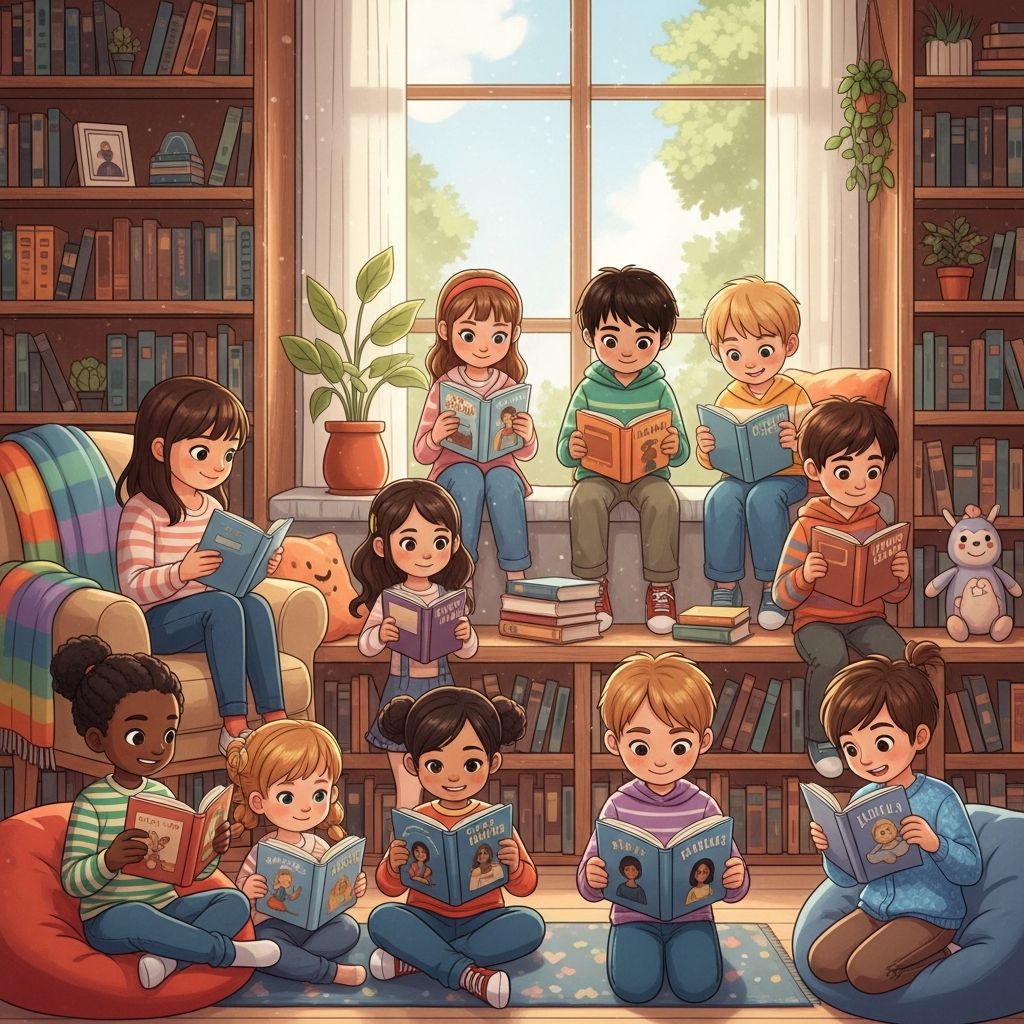
Books play a vital role in shaping how children and teens perceive themselves and others, especially when it comes to understanding gender. Gender-affirming literature introduces young readers to stories featuring transgender, non-binary, gender non-conforming, and questioning characters. These narratives help normalize diverse identities, encourage empathy, and provide representation that can be life-changing for gender-diverse youth. Parents, educators, and caregivers can use these books to spark meaningful conversations about identity, acceptance, and self-love. This article curates recommendations across age groups, drawing from trusted lists to highlight titles that resonate with real experiences.
Why Gender-Inclusive Books Matter Today
In an era of increasing awareness about gender diversity, literature serves as a bridge to understanding. Research from organizations like Stonewall emphasizes that exposure to inclusive stories reduces bullying and boosts self-esteem among LGBTQ+ youth. For children exploring their identities, seeing characters like themselves in books validates their feelings. For allies, these reads cultivate compassion. Books challenge rigid stereotypes, showing that interests, clothing, and expressions aren’t tied to gender. They also equip families with tools to discuss pronouns, transitions, and societal norms openly.
Selecting the right book involves considering age appropriateness, themes, and emotional depth. Picture books suit toddlers and early readers for simple concepts, while chapter books and young adult novels delve into complex journeys for older kids. Many titles feature vibrant illustrations and authentic voices from authors with lived experiences, making them both educational and engaging.
Picture Books for Toddlers and Preschoolers (Ages 2-5)
Early childhood is when gender awareness begins, and gentle introductions through colorful stories lay a strong foundation. These books use playful language and art to convey that everyone is unique.
- My Rainbow by DeShanna & Trinity Neal, illustrated by Art Twink: A child dreams of wearing a rainbow dress, finding joy in self-expression despite doubts. It celebrates trans joy and parental support.
- The Spectacular Suit by Kat Patrick, illustrated by Hayley Wells: Frankie chooses a fabulous suit over a dress, defying expectations and embracing personal style.
- Phoenix Goes to School by Michelle & Phoenix Finch, illustrated by Sharon Davey: Based on a true story, it follows a non-binary child’s first day, normalizing diverse names and presentations.
- I Am Jazz by Jazz Jennings and Jessica Herthel, illustrated by Shelagh McNicholas: Jazz shares her life as a transgender girl, promoting understanding of gender identity from a young age.
- It Feels Good to Be Yourself by Theresa Thorn, illustrated by Noah Grigni: Explains gender identity clearly, affirming that it’s okay to be cisgender, transgender, or anything in between.
These selections emphasize body positivity and choice, helping little ones see beyond binaries.
Books for Early Elementary (Ages 5-8)
As kids enter school, stories about friendships, school life, and self-discovery become key. These titles address pronouns, clothing choices, and peer dynamics.
- What Are Your Words? by Katherine Locke, illustrated by Anne Passchier: Introduces pronouns through a family’s park visit, teaching respect for chosen language.
- Bodies Are Cool by Tyler Feder: A body-positive book showcasing diverse shapes, sizes, abilities, and gender expressions.
- Ho’onani: Hula Warrior by Heather Gale, illustrated by Mika Song: Draws from Hawaiian culture where a girl leads a boys’ hula troupe, blending tradition with gender fluidity.
- They, She, He as Easy as ABC by Maya Christina Gonzalez, illustrated by Matthew Sg: An alphabet book pairing pronouns with inclusive scenarios.
- My Maddy by Gayle E. Pitman, illustrated by Violet Tobacco: A child loves their non-binary parent, Maddy, highlighting family diversity.
- Red: A Crayon’s Story by Michael Hall: A red crayon labeled blue learns to be true to itself, a clever metaphor for gender identity.
Such books foster inclusive classrooms, where kids learn to celebrate differences early.
Middle Grade Novels for Ages 8-12
Chapter books explore deeper emotions like confusion, friendship, and growth, ideal for tweens navigating puberty and identity.
- Call Me Max series by Kyle Lukoff, illustrated by Luciano Lozano: Max, a transgender boy, faces school changes with courage and support.
- Neither by Airlie Anderson: A creature who is neither builds a community of similars, perfect for non-binary representation.
- Jacob’s New Dress by Sarah & Ian Hoffman, illustrated by Chris Case: Jacob wears a dress to school, overcoming teasing with allyship.
- Julian is a Mermaid by Jessica Love: Julian’s mermaid dreams lead to a parade, embracing femininity joyfully.
- Born Ready by Jodie Patterson and Charnelle Pinkney Barlow: Penelope’s true story of transitioning young and thriving.
- Too Bright to See by Kyle Lukoff: A boy grapples with his best friend’s transition and his own queerness amid grief.
| Book Title | Key Theme | Age Range |
|---|---|---|
| Zenobia July | Trans girl hacker faces bullies | 9-12 |
| Lily and Dunkin | Bipolar boy befriends trans girl | 10-12 |
| Gracefully Grayson | Grayson asserts girl identity | 8-12 |
Young Adult Novels for Teens (Ages 13+)
Teens benefit from nuanced stories tackling romance, dysphoria, and societal pressures. These YA picks feature complex characters and plots.
- Melissa (formerly George) by Alex Gino: A trans girl’s secret play role brings self-acceptance.
- Ana on the Edge by A.J. Sass: A figure skater navigates non-binary identity and competition.
- The Witch Boy by Molly Knox Ostertag: Graphic novel where a boy with girl magic breaks witch/warlock traditions.
- Cemetery Boys by Aiden Thomas: A trans boy’s magic ritual summons unexpected love.
- Felix Ever After by Kacen Callender: Explores Black, queer, trans identity amid catfishing.
These narratives mirror real teen struggles, offering hope and relatability.
Incorporating Books into Family and Classroom Life
Reading together builds bonds. Start with questions like “What do you think the character feels?” to deepen discussions. In schools, librarians can create displays pairing these with classics. Parents might pair reads with activities, like drawing self-portraits or pronoun crafts. Challenges like book bans highlight the need for access; advocate through PTAs or libraries.
Frequently Asked Questions
How do I talk to my young child about gender from these books?
Keep it simple: “Everyone has their own way of being, like how you like blue and your friend likes pink.” Use the book’s visuals to point out choices.
Are these books suitable for cisgender kids too?
Absolutely—they teach empathy and broaden worldviews, benefiting all children.
What if my child identifies with a character?
Listen without judgment, affirm their feelings, and seek resources like PFLAG or therapists specializing in gender.
Where can I find more recommendations?
Check ALA’s LGBTQIA+ lists or Stonewall’s guides for updated selections.
Do these books address intersectionality?
Many do, incorporating race, culture, and disability alongside gender.
References
- Affirming and Gender-Inclusive Books for Kids and Teens — Madison Reading Project. 2023. https://www.madisonreadingproject.com/single-post/affirming-and-gender-inclusive-books-for-kids-and-teens
- LGBTQ+ inclusive books for children and young people — Stonewall. 2024-01-15. https://www.stonewall.org.uk/resources/lgbtq-inclusive-books-children-and-young-people
- LGBTQ+ Book List for Children and Families — Keshet. 2023-06-10. https://www.keshetonline.org/resources/lgbtq-inclusive-book-list-for-children-and-families/
- LGBTQIA+ Books for Children and Teens, Second Edition — American Library Association. 2024. https://alastore.ala.org/LGBTQIA2