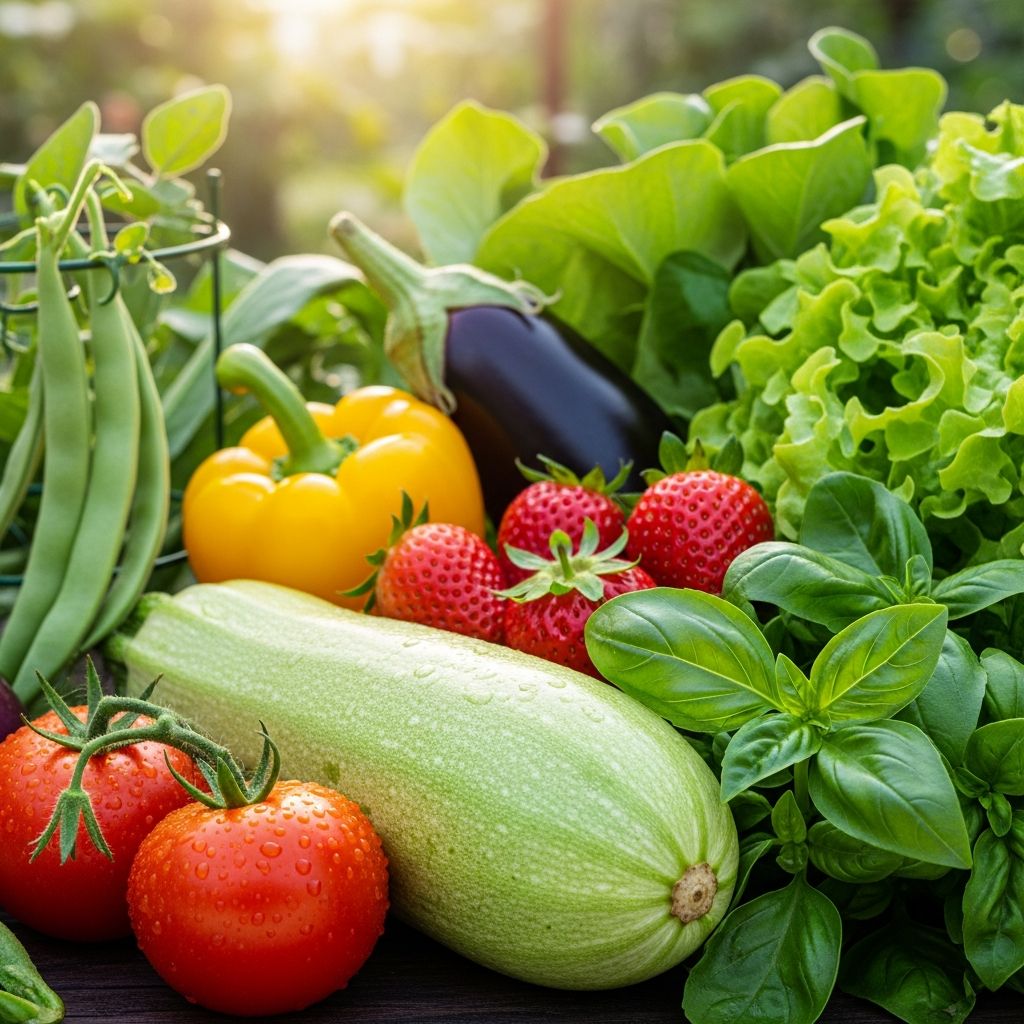
Starting a home garden doesn’t require vast land or advanced skills. Many fruits and vegetables flourish with basic care, delivering fresh, nutritious yields even in limited spaces like balconies, patios, or indoor corners. This guide highlights top choices for novices, focusing on quick-growing, low-maintenance options that reward patience with abundant harvests.
Why Grow Your Own Produce?
Cultivating fruits and vegetables at home offers numerous benefits beyond fresh flavors. Homegrown items retain more vitamins and minerals compared to store-bought counterparts, as they travel straight from soil to plate. Gardening promotes physical activity, reduces stress, and teaches valuable lessons in sustainability, especially for families involving children in the process. Small-scale growing conserves resources, with container methods using less water and space than traditional plots.
Beginners often succeed with varieties that tolerate imperfect conditions, germinate rapidly, and resist common pests. Selecting the right plants sets the foundation for confidence-building successes.
Top Easy Vegetables to Start With
Vegetables form the backbone of beginner gardens due to their straightforward needs and speedy results. These selections prioritize fast maturation, compact growth, and versatility for pots or beds.
Leafy Greens: Endless Salads from Cut-and-Come-Again Plants
Lettuce, spinach, and arugula top the list for simplicity. Sow seeds directly in moist soil, and harvest outer leaves as they mature, encouraging continuous regrowth. These cool-season crops thrive in partial shade, maturing in 30-45 days. Keep soil consistently damp but not waterlogged to prevent bitterness. Indoor windowsills work well for year-round greens, providing calcium, vitamins K and C for bone and immune health.
- Varieties to try: Loose-leaf lettuce like ‘Black Seeded Simpson’, baby spinach, or peppery arugula.
- Pro tip: Succession plant every two weeks for steady supply.
Radishes: Quick Wins in Tiny Spaces
Radishes offer the fastest gratification, ready in 25-30 days. Their small roots fit snugly in pots or rows, with colorful varieties adding garden appeal. Plant in loose, fertile soil under full sun, thinning seedlings for plump bulbs. Harvest promptly to avoid woody texture. These peppery roots pack vitamin C and fiber, ideal for salads or snacks.
Beans and Peas: Productive Climbers and Bush Varieties
Bush beans and sugar snap peas require minimal support and yield heavily. Direct sow after frost, spacing plants a hand’s width apart. They fix nitrogen in soil, benefiting nearby crops. Expect pods in 50-60 days; pick regularly to boost production. French beans suit pots, while pea wigwams delight kids with hidden harvests.
| Vegetable | Days to Harvest | Space Needed | Best Growing Conditions |
|---|---|---|---|
| Lettuce | 30-45 | 6-12 inches pots | Partial shade, cool weather |
| Radishes | 25-30 | Row or small pot | Full sun, loose soil |
| Beans/Peas | 50-60 | 30cm pot or bed | Full sun, moist soil |
Fruits That Thrive for Beginners
Fruits often intimidate new gardeners, but certain berries and vines prove otherwise. They demand sun and drainage but repay with sweet, repeated picks.
Tomatoes: Juicy Rewards in Containers
Bush or cherry tomatoes excel in pots, needing cages for support. Plant in rich compost, water deeply, and feed weekly. Harvest sun-warmed fruits in 60-80 days, rich in lycopene for heart health. Varieties like ‘Tumbling Tom’ cascade from hanging baskets.
Strawberries and Berries: Perennial Pleasures
Strawberries spread via runners, perfect for borders or baskets. They fruit in the first year with full sun and mulch to suppress weeds. Blackberries and raspberries form canes needing annual pruning, but yields are generous. Gooseberries offer tart berries on compact bushes, self-pollinating for single-plant ease.
Summer Squash and Cucumbers: Prolific Vines
Zucchini and cucumbers explode with produce once started. Sow in warm soil, providing trellises for vertical growth to save space. Harvest young for tenderness; one plant feeds a family. Blossoms are edible too, adding variety.
Essential Growing Tips for Success
Master these fundamentals to maximize yields across all crops.
- Soil and Sun: Use well-draining potting mix amended with compost. Most need 6+ hours of sun daily.
- Watering: Consistent moisture without sogginess; mulch retains humidity.
- Pest Control: Companion planting (e.g., basil with tomatoes) deters insects naturally.
- Seasonal Timing: Start seeds indoors for warm-season crops; direct sow cool ones.
For scraps regrowth, lettuce bases or celery hearts sprout in water before transplanting, extending kitchen waste into new plants.
Container Gardening for Small Spaces
No yard? Pots transform balconies into bounties. Choose 12-18 inch containers with drainage holes. Group thirsty plants like cucumbers together. Rotate for even light exposure. Herbs like basil, mint, and oregano complement veggies, thriving in the same setup with frequent trims.
Nutritional Boost from Home Harvests
Growing your own ensures peak freshness. Tomatoes deliver antioxidants, leafy greens supply folate for cell health, and berries combat oxidative stress. Studies affirm home produce often exceeds commercial nutrition due to harvest timing.
Frequently Asked Questions
What are the absolute easiest vegetables for total beginners?
Radishes, lettuce, and bush beans top the list for their speed, minimal space, and forgiving nature.
Can I grow fruits indoors?
Yes, dwarf tomatoes, strawberries in hanging pots, and herbs like mint succeed on sunny windowsills.
How do I prevent common gardening mistakes?
Avoid overwatering, plant at correct depths, and harvest promptly to encourage more production.
What’s the best time to start seeds?
Cool crops in early spring/fall; warm ones post-frost in summer.
Do I need special soil or fertilizers?
Standard potting mix works; organic compost or balanced feed boosts growth without complexity.
Expanding Your Garden: Next Steps
Once basics succeed, add garlic (plant