Understanding Nausea During Early Pregnancy
Nausea and vomiting affect more than 70% of pregnant women, particularly during the first trimester. While often called morning sickness, this condition can occur at any time of day and varies significantly in intensity and duration. For most expectant mothers, dietary adjustments and lifestyle modifications provide effective relief without medical intervention. However, understanding how nutrition impacts nausea severity is crucial for managing symptoms while ensuring adequate nutrient intake for both mother and developing fetus.
The relationship between food choices and nausea symptoms is bidirectional. Certain foods can trigger or intensify nausea, while others provide relief and essential nutrients. Additionally, how and when you eat significantly influences symptom severity, making meal structure as important as food selection itself.
The Foundation: Meal Timing and Frequency
One of the most effective strategies for managing pregnancy nausea involves restructuring meal patterns rather than consuming traditional three large meals daily. Instead of conventional meal spacing, consuming five to six mini meals throughout the day maintains a stomach that is never completely empty, which can significantly reduce nausea intensity.
The morning presents a particular challenge for many pregnant women. Beginning your day by eating dry carbohydrates before rising from bed creates a buffer for your stomach and can prevent the intense nausea that often accompanies waking on an empty stomach. Crackers, toast, or cereal placed at your bedside allow you to eat something before fully engaging in morning activities. This simple practice provides remarkable relief for many expectant mothers.
Beyond breakfast, maintaining consistent snacking prevents blood sugar fluctuations that can worsen nausea. Keeping accessible snacks available—whether at your desk, in your purse, or in convenient locations throughout your home—ensures you never go more than a few hours without food. This approach requires planning but yields significant symptom reduction.
Selecting Foods That Work With Your Body
Food choices during pregnancy nausea require careful consideration. The BRATT diet—consisting of bananas, rice, applesauce, toast, and tea—provides a time-tested foundation of bland, easily digestible foods low in fat content. These foods are gentle on the digestive system and unlikely to trigger additional nausea.
Temperature and preparation method influence how your body tolerates food. Cold foods typically produce less aroma, making them easier to consume when odors trigger nausea. Hard-boiled eggs, cold chicken, canned light tuna salad, fresh fruit, Greek yogurt, and smoothies represent excellent cold options that maintain nutritional value.
Protein deserves special emphasis in pregnancy nutrition during nausea management. Research indicates that protein decreases nausea more effectively than carbohydrates alone. Rather than viewing protein as secondary to carbohydrates, incorporating protein into each mini meal provides superior symptom management. Accessible protein sources include dairy products such as milk and yogurt, nut butters, eggs, nuts and seeds, and protein-fortified shakes.
Foods to Embrace
- Mild-flavored options like plain baked potatoes, rice, and noodles
- Hydrating vegetables and fruits including watermelon, celery, and citrus varieties
- Whole grains and cereals without excessive sweetness
- Cottage cheese, yogurt, and milk-based products
- Graham crackers with peanut butter or plain bagels
- Broth-based soups without strong seasonings
- Peeled or cooked fruits like applesauce
Foods to Limit or Avoid
- Highly processed foods with artificial ingredients
- High-sugar foods and beverages
- Spicy preparations that irritate the digestive tract
- Fatty or greasy foods requiring extensive digestion
- Foods with strong aromas that trigger nausea response
- Caffeinated beverages beyond moderate amounts
Hydration as a Critical Component
Dehydration intensifies nausea and creates additional pregnancy complications, yet maintaining fluid intake during morning sickness presents a distinct challenge. The American College of Obstetricians and Gynecologists recommends consuming 8 to 12 cups of water daily during pregnancy. However, when nausea makes plain water unappealing, creative hydration strategies become necessary.
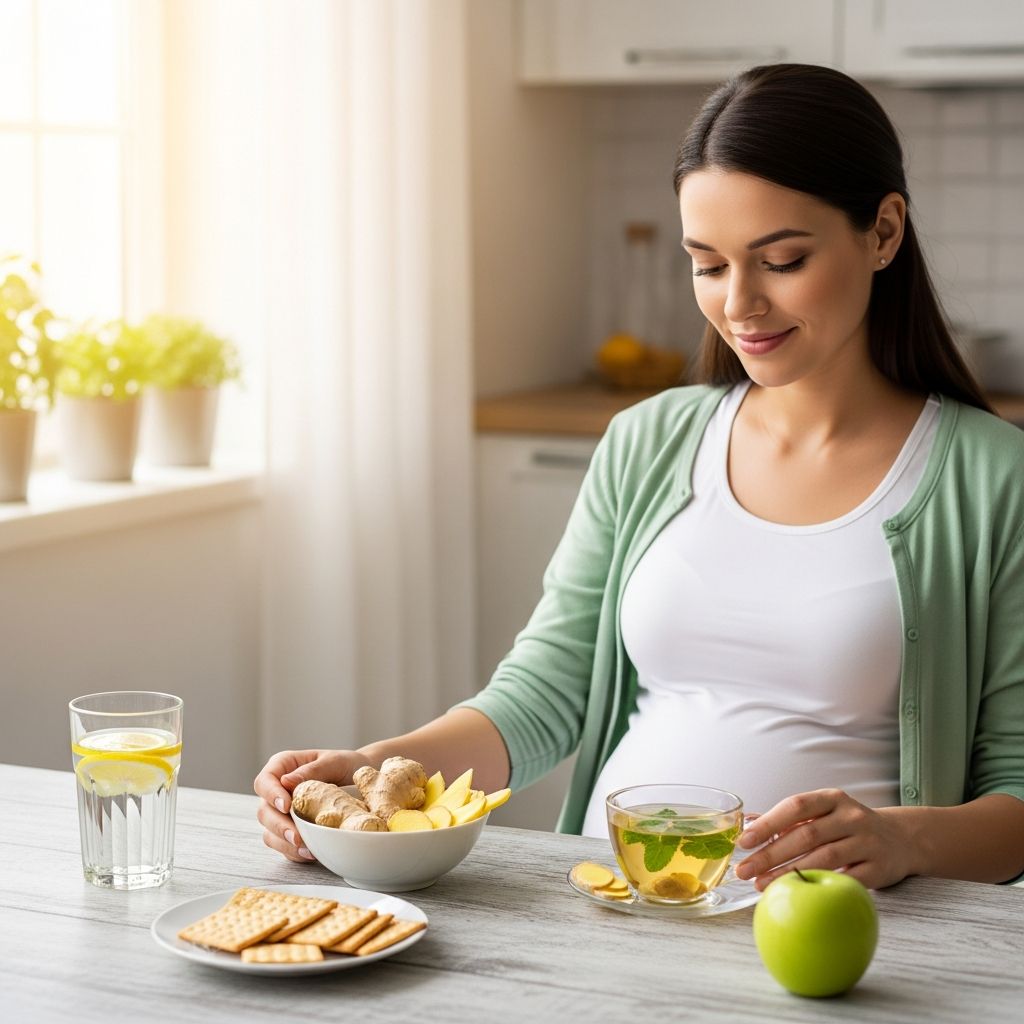
If bad taste sensations interfere with water consumption, chewing gum or hard candy provides oral stimulation while encouraging hydration through improved palatability perception. Alternatively, adding fresh lemon or lime juice transforms plain water into a more tolerable beverage. Herbal teas—particularly ginger and peppermint varieties—provide hydration alongside therapeutic properties that many pregnant women find beneficial.
Electrolyte-containing beverages like diluted sports drinks or coconut water offer additional benefits when regular water proves intolerable. These options maintain electrolyte balance while supporting hydration needs essential for fetal development and maternal health.
Leveraging Specific Flavor Profiles for Relief
Certain flavors possess documented nausea-reduction properties and deserve incorporation into your dietary strategy. Ginger, in various preparations, demonstrates consistent effectiveness in managing pregnancy nausea. Fresh ginger tea created from recently grated ginger, ginger capsules, ginger candies, or ginger ale made with real ginger all provide accessible options.
Citrus flavors including lemon, lime, and orange similarly reduce nausea symptoms for many expectant mothers. The refreshing quality of citrus extends beyond taste to aroma; simply inhaling lemon or orange scents can provide relief. Peppermint represents another flavor with documented nausea-reduction properties, available in tea form or as candies.
These flavor profiles work synergistically with your body’s natural responses rather than against them, making them valuable tools in symptom management beyond conventional bland foods alone.
Nutritional Priorities During the First Trimester
While managing immediate symptoms remains important, ensuring adequate nutrient intake supports both maternal health and fetal development. During early pregnancy, specific nutritional goals guide food selection even when nausea limits overall intake.
| Nutrient Category | Daily Target | Nausea-Friendly Sources |
|---|---|---|
| Dairy | 3 cups | Yogurt, skim milk, cottage cheese, ice cream |
| Fruits | 2+ cups | Bananas, applesauce, watermelon, citrus fruits |
| Vegetables | 3+ cups | Cooked vegetables, vegetable broths |
| Grains | 5-7 ounces | Whole wheat bread, rice, pasta, cereals |
| Protein | 5-6 ounces | Eggs, lean poultry, fish, nuts, yogurt |
Critical vitamins and minerals deserve attention during pregnancy nausea management. B vitamins, particularly important for fetal development, can be obtained from brown rice, nuts, seeds, eggs, enriched cereals, and legumes. Vitamin K sources including leafy greens, broccoli, and cauliflower support blood health. Vitamin A from orange vegetables like carrots, pumpkin, and butternut squash contributes to fetal eye development.
Omega-3 fatty acids essential for brain development can be sourced from fish with low mercury concentrations, nuts, and seeds. When consuming fish during pregnancy, limit intake to 12 ounces weekly of lower-mercury varieties such as salmon, pollock, or canned light tuna, reserving Albacore tuna to 6 ounces weekly.
Prenatal Vitamins and Supplement Strategies
Prenatal vitamins provide essential nutrients that regular diet alone may not supply, particularly during nausea periods when food intake becomes limited. Studies demonstrate that vitamin supplementation before and during pregnancy reduces severe nausea and vomiting severity.
However, prenatal vitamins themselves can trigger nausea, necessitating strategic timing. Taking vitamins with food rather than on an empty stomach improves tolerance. If iron content in your prenatal vitamin causes nausea, switching to bedtime administration often provides relief. Some expectant mothers find chewable gummy vitamins or liquid formulations more tolerable than traditional tablets.
Consult your healthcare provider before taking additional supplements or herbal remedies beyond recommended prenatal vitamins. While some herbal approaches show promise, safety during pregnancy requires professional guidance.
Lifestyle Factors Supporting Nutritional Management
Beyond food selection itself, environmental and behavioral modifications enhance the effectiveness of dietary strategies. Avoiding strong aromas—whether from cooking, perfume, or environmental sources—reduces nausea triggers that can undermine your nutritional intake efforts.
Adequate sleep supports overall nausea management and helps regulate hormones that influence appetite and symptom severity. Ensuring good ventilation in your living spaces, using fans to circulate air, or spending time outdoors provides environmental support for symptom reduction.
Delaying horizontal positioning immediately after meals allows proper digestion and reduces acid reflux that can compound nausea sensations. Similarly, rinsing your mouth thoroughly after any vomiting protects tooth enamel from stomach acid damage—an important preventive measure during pregnancy when dental health is already compromised.
Foods and Substances to Avoid During Pregnancy
Certain substances present risks during pregnancy regardless of nausea management. Raw or undercooked meats, poultry, and eggs increase foodborne illness risk that pregnancy compromises immune function makes particularly dangerous. Unpasteurized dairy products and soft cheeses pose listeria contamination risks.
High-mercury fish including shark, swordfish, and king mackerel should be eliminated from your diet, with Albacore tuna limited to 6 ounces weekly. Deli meats, hot dogs, and lunch meats require heating until steaming hot to eliminate potential bacterial contamination.
Alcohol and excessive caffeine intake present established risks, warranting complete avoidance or strict limitation during pregnancy. Herbal supplements and teas require medical approval before use, as many varieties contain compounds not adequately studied in pregnancy contexts.
Frequently Asked Questions
Q: When does pregnancy nausea typically begin and end?
A: Morning sickness typically emerges around week 4-6 of pregnancy and peaks around weeks 8-10. For most women, symptoms resolve by the second trimester, though some experience symptoms extending into later pregnancy.
Q: How can I ensure adequate nutrition when food aversions are severe?
A: Focus on foods you can tolerate rather than forcing foods you dislike. Liquid meals like smoothies and protein shakes provide concentrated nutrition in easier-to-consume forms. Work with your healthcare provider to ensure prenatal vitamins compensate for any dietary gaps.
Q: Is it normal to lose weight during early pregnancy due to nausea?
A: Mild weight loss in early pregnancy due to nausea is common and usually not concerning if it remains limited. However, severe weight loss exceeding 5% of pre-pregnancy body weight or signs of dehydration warrant immediate medical evaluation, as these may indicate hyperemesis gravidarum requiring professional intervention.
Q: Can ginger supplements replace ginger tea for nausea relief?
A: Both ginger capsules and ginger tea provide similar benefits. Choose based on your preference and tolerance. Some women find fresh ginger tea more palatable, while others prefer the convenience of capsules. Discuss dosing with your healthcare provider.
Q: What should I do if prenatal vitamins make nausea worse?
A: Try taking vitamins with food, switching to bedtime administration, or using chewable or liquid formulations. Your healthcare provider may recommend alternative vitamin products better tolerated by your system.
Q: Are there foods that universally help with pregnancy nausea?
A: While individual tolerances vary significantly, bland carbohydrates like crackers and toast, cold foods with minimal aroma, and protein-containing options tend to be better tolerated by most pregnant women. Experiment to identify your personal triggers and tolerable foods.
References
- Morning Sickness: How to relieve, Recommended Foods — Med Park Hospital. 2024. https://www.medparkhospital.com/en-US/lifestyles/remedies-for-morning-sickness-during-pregnancy
- First Trimester Nutrition: Combating Morning Sickness — Pullman Regional Hospital. 2024. https://info.pullmanregional.org/blog/first-trimester-nutrition-combating-morning-sickness
- Morning Sickness: Nausea and Vomiting of Pregnancy — American College of Obstetricians and Gynecologists (ACOG). 2024. https://www.acog.org/womens-health/faqs/morning-sickness-nausea-and-vomiting-of-pregnancy
- Morning Sickness: When It Starts, Treatment & Prevention — Cleveland Clinic. 2024. https://my.clevelandclinic.org/health/diseases/16566-morning-sickness-nausea-and-vomiting-of-pregnancy
- Food Strategies — HER Foundation (Hyperemesis Education & Research). 2024. https://www.hyperemesis.org/who-we-help/mothers-area/get-info/food-strategies/