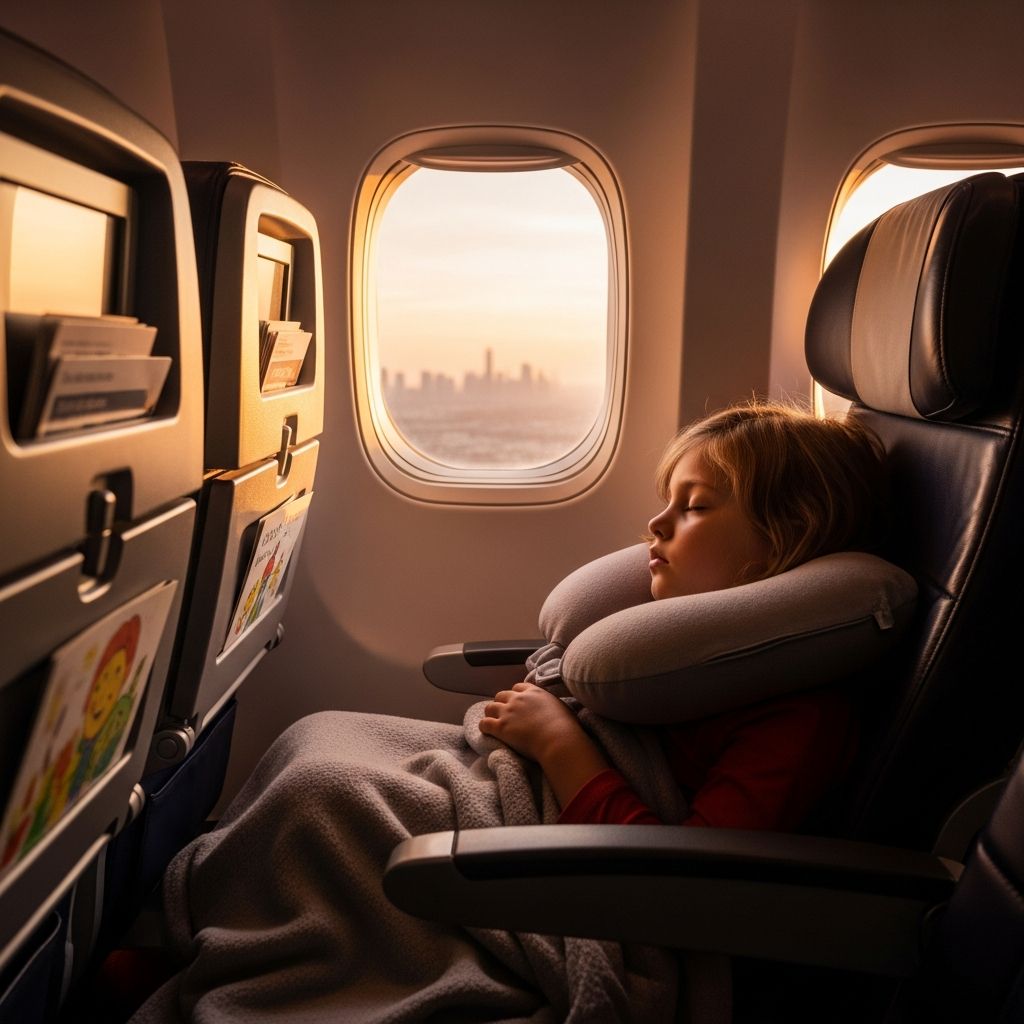
Traveling across time zones with children often leads to disrupted sleep patterns, fatigue, and irritability due to jet lag. Selecting the right flight times aligned with your child’s age and natural rhythms can significantly shorten recovery time, allowing families to dive into vacations refreshed. This guide draws on circadian science and practical family experiences to outline strategies for infants through teens, emphasizing pre-flight preparation, in-flight habits, and post-arrival adjustments.
Understanding Jet Lag’s Impact on Young Travelers
Jet lag occurs when rapid travel disrupts the body’s internal clock, or circadian rhythm, which regulates sleep-wake cycles based on light exposure and daily cues. Children, especially under 12, experience it more intensely because their rhythms are still developing and less flexible than adults’. Symptoms include early awakenings, difficulty falling asleep, daytime drowsiness, and mood swings, potentially lasting one day per time zone crossed.
Key factors worsening jet lag in kids include dehydration from cabin air, irregular meal times, and lack of movement. Eastward travel (advancing the clock) is typically harder than westward, as it shortens the day and fights the natural tendency to extend sleep. By choosing flights that match destination night or day, parents can leverage the plane ride for sleep or alertness, accelerating adaptation.
Flight Strategies for Infants (0-12 Months)
Infants have flexible schedules since they sleep 14-17 hours daily regardless of time zones. Their jet lag risk is low, but comfort during flights matters for parental sanity.
- Optimal Timing: Overnight flights work best, coinciding with usual bedtime. This lets babies sleep through most of the journey, arriving rested.
- Why It Helps: Darkness on board mimics home nights, promoting deep sleep without resistance.
- Alternatives: Daytime flights if short; keep awake with feeding and cuddles to align with arrival time.
Pack familiar items like swaddles or white noise machines. Hydrate frequently, as breast milk or formula counters dry air. Upon landing, expose to natural daylight immediately for rhythm reset.
Optimizing Travel for Toddlers (1-3 Years)
Toddlers’ established nap and bedtime routines make them prone to confusion. Aim for flights that encourage sleep when it’s night at the destination.
| Direction | Best Flight | Goal |
|---|---|---|
| Eastward | Evening departure | Sleep entire flight to match advanced bedtime |
| Westward | Morning arrival | Stay awake post-landing with activities |
Pre-flight, tire them with outdoor play. In-flight, use dim lights, pajamas, and loveys to signal sleep. Avoid screens; opt for stories. Limit naps to 1-2 hours post-arrival to build nighttime sleep pressure.
School-Age Kids (4-12 Years) and Flight Choices
These children understand time but struggle with enforced sleep. Overnight flights remain ideal for long hauls, aligning plane time with destination bedtime.
- Encourage sleep with eye masks, earplugs, and cozy layers.
- For morning arrivals, pack engaging toys, snacks, and games to prevent crashes.
- Set watches to destination time upon boarding to mentally shift clocks.
Physical activity before flights exhausts them naturally. Post-flight, prioritize sunlight exposure—beach walks or park visits advance the clock eastward effectively.
Teen Travelers: Balancing Independence and Recovery
Teens’ later natural bedtimes complicate adjustments. Red-eye flights help them sleep in, landing near wake-up time.
Discuss plans beforehand; involve them in packing sleep aids. Hydration and avoiding caffeine are crucial, as teens dehydrate faster. Encourage journaling or podcasts for calm in-flight unwinding.
Universal Pre-Flight Preparation Tactics
Build resilience starting days ahead:
- Sleep Bank: Ensure full nights’ rest; shift bedtime 1-2 hours toward destination gradually.
- Nutrition Base: Light, hydrating meals; avoid heavy sugars.
- Movement: Daily exercise to deepen sleep drive.
In-Flight Habits for Minimal Disruption
Treat the cabin as a time machine:
- Match lighting, meals, and activity to destination time.
- Water every hour; skip sodas.
- Stretch legs hourly to combat fatigue.
- Comfort items reduce anxiety, easing sleep.
For westward trips, stay up initially; eastward, sleep promptly.
Post-Arrival Recovery Roadmap
Day 1: Immediate Reset
Get outside pronto for sunlight. Stick to local meal times—no midnight feasts. Short power naps (under 90 minutes) if needed.
Days 2-3: Routine Reinforcement
Maintain home-like bedtimes adjusted locally. Active days, dim evenings. Melatonin (consult pediatrician) may aid for over-5s.
Longer Trips: Layover Benefits
Breaks in intermediate zones ease shifts, letting kids play and nap appropriately.
Nutrition and Hydration’s Role in Recovery
Dehydration amplifies fatigue; counter with electrolyte drinks. Healthy snacks like fruits stabilize energy. Time meals to local norms for clock cues.
Common Pitfalls and How to Avoid Them
- Over-napping: Caps at home limits.
- Dark hotel rooms: Blackout curtains for nights.
- Ignoring hunger cues: Small, timed bites.
Frequently Asked Questions
What if my child refuses to sleep on an overnight flight?
Stick to routine with dim lights and rocking. Exhaust pre-boarding with play. Short flights may need wakeful strategies.
Is melatonin safe for kids?
For ages 3+, short-term use under doctor guidance helps reset. Natural light is primary.
How long does recovery take?
Typically 1 day per 1-2 zones; kids rebound faster with strategies.
East vs. West: Which is worse?
Eastward harder; plan sleep-focused flights.
Short trips: Still adjust?
Yes, for 3+ zones; quick resets prevent return lag.
Advanced Tools: Apps and Gadgets
Timeshifter app personalizes plans via circadian math. Wearables track light exposure. Portable fans combat cabin stuffiness.
Families report 50% faster adjustment with combined tactics. Consult pediatricians for medical needs.
References
- Jet Lag and Children — ExpatChild.com. 2023-05-15. https://expatchild.com/jetlag-children/
- Your 3 Day Guide to Surviving Baby / Toddler Jet Lag — BabySleepMadeSimple.com. 2024-02-10. https://www.babysleepmadesimple.com/surviving-baby-toddler-jet-lag/
- Best Strategies for Jet Lag – Young Kids — Rick Steves Travel Forum. 2025-07-22. https://community.ricksteves.com/travel-forum/general-europe/best-strategies-for-jet-lag-young-kids
- How to Beat Jet Lag in Kids and Optimize Their Sleep During Travel — TheRestfulSleepPlace.com. 2024-06-01. https://www.therestfulsleepplace.com/blog/how-to-beat-jet-lag-in-kids-and-optimize-their-sleep-during-travel
- Jet Lag with Kids: The 2026 Parent Survival Guide — TraveLynnFamily.com. 2026-01-05. https://travelynnfamily.com/surviving-jet-lag-with-kids/