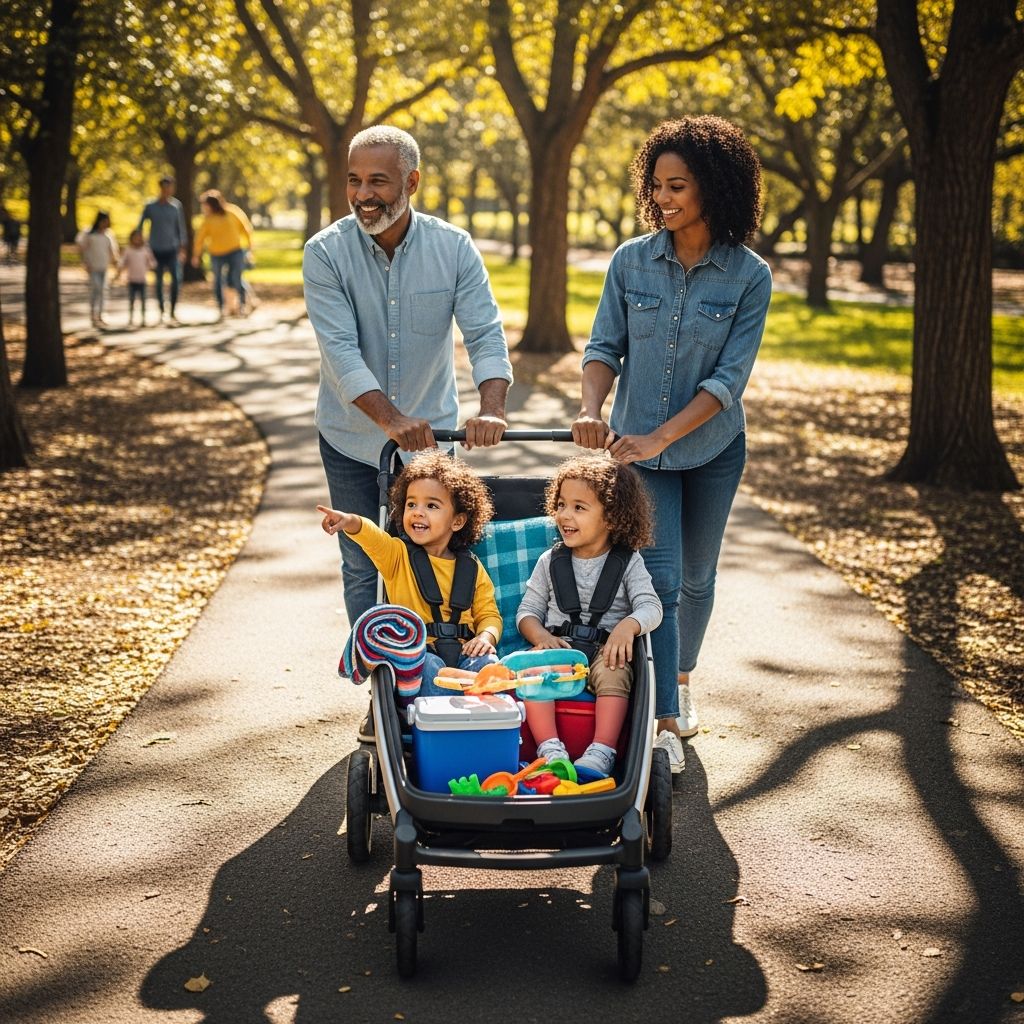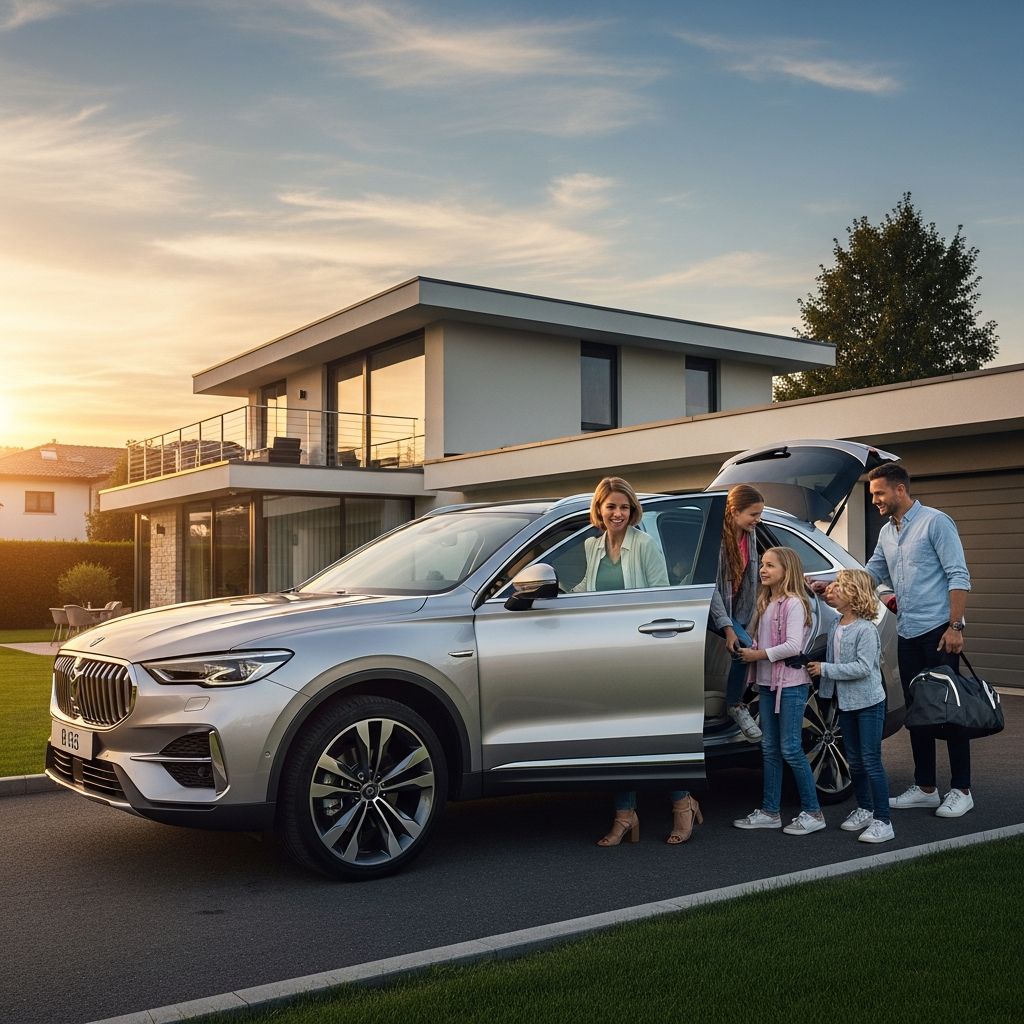
Parents spend a surprising amount of life in the car: crawling through school pickup lines, shuttling to sports practice, and negotiating who sits where on the way to a birthday party. A thoughtfully chosen vehicle can turn all of that from chaos into something close to calm.
Why The Right Vehicle Matters For Carpool Life
When you carry kids, backpacks, sports gear, snacks, and the occasional science project, the vehicle you drive becomes part playroom, part office, and part dining room. The wrong car feels cramped and stressful; the right one quietly does half the parenting for you.
Choosing a vehicle for modern family life is less about horsepower and more about how efficiently it handles everyday tasks like multiple pickups, tight parking lots, and tired kids who fall asleep ten minutes before you get home.
- Comfortable, flexible seating makes it easier to invite other families into your carpool rotation.
- Smart storage and kid-friendly features reduce arguments and help you stay on schedule.
- Good visibility and safety tech protect what matters most when you are distracted and tired.
Essential Features Every Family Car Should Have
Before comparing specific models, it helps to know exactly which features will change your daily routine, not just impress you on the test drive. Many parents discover too late that a shiny new car still does not solve basic carpool frustrations.
Use the list below as a reality check when you shop, and try to picture each feature on a rainy Tuesday when everyone is running late.
- Flexible seating: Split-fold seats, sliding second rows, and easy third-row access matter more than pure seat count.
- Genuine cargo space: With all rows in use, you still need room for backpacks, sports bags, musical instruments, and grocery runs.
- Kid-proof materials: Stain-resistant fabrics or wipe-clean leatherette will outlast juice boxes, crayons, and muddy cleats.
- Abundant charging and power: USB ports in each row prevent fights and keep devices charged during long days.
- Easy-clean floor and mats: All-weather mats and minimal carpet seams mean less time vacuuming crumbs.
- Wide-opening doors: Sliding or wide-swing doors make buckling car seats and loading toddlers much easier in tight parking spots.
- Thoughtful interior lighting: Soft overhead lights in the back help kids see homework or snacks without blinding the driver.
Popular Family Vehicle Types Compared
Different families thrive in different vehicle styles. Some love a classic minivan, others feel more comfortable in an SUV, and some urban families need a compact option that still carries extra kids. Understanding the trade-offs will help you choose what truly fits your reality.
The table below highlights how three broad categories often used for carpools compare on everyday parenting needs.
| Vehicle Type | Best For | Key Advantages | Potential Drawbacks |
|---|---|---|---|
| Minivan | Families who frequently drive 4–7 kids and lots of gear | Sliding doors, low step-in height for small kids, generous cargo room, usually the easiest access to third-row seats. | Boxy styling is not everyone’s favorite; can feel large in small city parking garages. |
| Three-row SUV | Families who want higher driving position and versatile seating | Stylish looks, higher ground clearance for rough roads, often available with all-wheel drive, strong towing options for family trips. | Third row can be tight; with all rows up, cargo space may shrink; can be more expensive to fuel and maintain. |
| Compact wagon or crossover | Urban families who rarely need more than 3–4 seats at once | Easier to park and maneuver, more efficient, still often offers flexible rear cargo area and roof-rack options. | Limited seating for larger carpools; may need creative planning for multiple car seats. |
Making Beauty And Practicality Work Together
Parents often feel forced to choose between a good-looking car and a practical family hauler, but those two qualities can coexist. The trick is to pay attention to details that keep the car looking and feeling fresh, even as kids put it through real-world tests.
Instead of obsessing over the trendiest color or wheel design, look for design choices that withstand everyday wear: darker interiors that hide stains, paint colors that show less dust, and exterior lines that still feel modern several years from now.
- Select a paint color that works with your climate and lifestyle; mid-tone grays and blues often hide dirt and fingerprints better than black or white.
- Consider upgraded, durable seat materials if they are easier to clean; they may cost more up front but save money on detailing later.
- Look for simple, uncluttered dashboards that you can wipe quickly rather than intricate designs that trap crumbs.
Interior Layout Tricks That Calm The Chaos
A beautiful exterior is pleasant, but the layout inside determines how stressed you feel during the morning rush. Small design decisions—like where cup holders sit or how wide the aisle is—often matter more than engine size when kids are involved.
Walk through how your average school day would feel by physically moving around the interior during a test drive. Imagine ballet bags, soccer balls, musical instruments, and younger siblings all sharing the same space.
- Check how easily second-row seats slide or tilt forward when you need to access the third row with a car seat still installed.
- Count cup holders and small storage bins; each child will want a place for water bottles, snacks, and treasures.
- Look for a flat load floor so strollers and folding wagons slide in without awkward lifting.
- Make sure there is at least one spot that fits an extra-large backpack upright without crushing paperwork or projects.
Technology That Actually Helps Parents
Modern vehicles come packed with technology, but not all tech is helpful when you are negotiating sibling arguments from the driver’s seat. Focus on features that make driving safer and more peaceful instead of flashy extras that rarely get used.
Consider how each feature will work with your existing devices, your kids’ ages, and your comfort with screens. Sometimes simple, intuitive systems are more valuable than complex setups with steep learning curves.
- Driver-assist safety tools: Lane-keeping support, blind-spot monitoring, and automatic emergency braking can be reassuring when you are distracted.
- Surround-view or backup cameras: Help you navigate tight school parking lots and see small children behind the vehicle.
- Rear-seat reminder alerts: Gentle prompts to check the back seats after you park are especially helpful on hectic days.
- Rear climate controls: Independent controls in the back allow older kids to manage their temperature without constant requests.
- Simple media access: Wireless phone integration for navigation and music reduces clutter and lets you respond to changes quickly.
Safety Considerations For Kid-Focused Driving
Safety is more than a crash-test number on a sticker. For families, it is about how easy it is to install car seats correctly, how clearly you can see around you, and how well the car protects everyone when you are exhausted from a long day.
Test drives are not just for how the vehicle feels at highway speed. Spend time experimenting with car seat placement and visibility before making a final decision.
- Look for clear, plentiful lower anchors and tether points to support a variety of car seat configurations as children grow.
- Check sight lines from the driver’s seat to mirrors and windows, and notice any large blind spots created by pillars or headrests.
- Review available crash-test ratings and optional safety packages, especially if you plan to drive frequently in bad weather or at night.
- Make sure you can reach and operate everything while buckled in, including climate controls and key infotainment functions.
Organizing Your Car For Smooth Carpools
Even the most thoughtfully designed vehicle will feel chaotic without basic organization. A few simple systems can turn your car into a dependable basecamp for daily routines, with or without extra passengers.
Think of the car as an extension of your home’s entryway. Everything should have a clear place, and items used daily should be easy to reach and easy to clean up.
- Use seat-back organizers or slim bins for school supplies, tissues, and small toys.
- Keep a dedicated lidded container for car snacks to minimize spills and crumbled wrappers.
- Store a small “emergency” kit: spare water bottles, basic first-aid items, extra masks if needed, and a change of clothes for younger kids.
- Choose collapsible trunk crates for sports equipment so you can quickly clear space for luggage or groceries.
- Place a compact trash bag or container in reach of older kids and empty it regularly.
Comfort Tips For Long School Runs
On busy days, the car may be the only place your family sits down together. Small comfort upgrades can reduce meltdowns, prevent headaches, and make those long after-school drives less draining for everyone involved.
Comfort is not about luxury; it is about anticipating what kids complain about most—temperature swings, boredom, and cramped seats—and solving those problems before they start.
- Use individual travel pillows and small blankets for early-morning starts or late-night returns.
- Set a basic car-only entertainment plan: audiobooks, shared playlists, or quiet games that avoid constant screen fights.
- Teach kids how to adjust their own vents and window shades appropriately without blocking visibility.
- Encourage a simple “car shoes” habit for sports practices so mud and turf stay in the trunk instead of on the seats.
Budgeting Wisely For A Family Vehicle
Family cars do not just cost money when you buy them. Insurance, fuel, maintenance, and unexpected repairs all add up, especially if you drive long distances to school or activities. A realistic budget helps you avoid surprises and resentment later.
When comparing vehicles, look beyond the monthly payment. Run rough estimates on fuel use, maintenance schedules, and how long you expect to keep the car while your kids grow.
- Consider a slightly used vehicle with strong reliability ratings if it allows you to upgrade safety features without overspending.
- Check how much insurance will cost for each model, particularly if adding teen drivers is on the horizon.
- Invest in protective add-ons like quality floor mats and seat covers to preserve resale value.
- Factor in potential savings from more efficient engines or hybrid options if you drive carpools several times a day.
Sample Carpool-Friendly Feature Checklist
Every family has different priorities, but a simple checklist makes it easier to compare test drives fairly. Print or copy this list and mark which features feel essential versus merely nice to have.
Use the checklist with older kids who will ride often, too. They may notice details you overlook, such as seat comfort or how easy it is to buckle themselves in.
- Seats at least as many kids as you expect to drive on your busiest day.
- Door openings wide or low enough for easy car-seat buckling and self-entry for older kids.
- Trunk or cargo space that fits backpacks, instruments, and at least one large sports bag simultaneously.
- Multiple USB ports, ideally one accessible to each row of seating.
- Separate climate settings or dedicated vents for the second and third rows.
- Advanced safety features, including backup camera and blind-spot alerts, available and easy to use.
- Materials that feel durable and easy to wipe clean, especially on seats and floors.
- Simple, intuitive dashboard controls that do not distract the driver.
Frequently Asked Questions About Family Carpool Vehicles
Is a minivan always better than an SUV for carpooling?
Minivans typically offer easier access to the third row, lower floors for young kids, and more usable cargo space when all seats are up. However, a three-row SUV can be a better fit if you regularly drive in snow, tow a trailer, or simply prefer the driving position and styling of an SUV.
How many seats do I really need?
Start by counting your own children, then add at least two extra spots for friends or teammates. If you expect to coordinate regular carpools, a vehicle that comfortably carries six or seven passengers gives you more flexibility than a standard five-seater.
What should I look for if I use multiple car seats?
Focus on vehicles with wide rear benches, clearly marked lower anchors, and multiple top-tether points. Test-fit your existing car seats during the shopping process to confirm you can access seatbelt buckles without awkward twisting or blocked latches.
Are built-in entertainment screens worth it?
Roof-mounted or seat-back screens can be helpful on long trips, but many parents find that personal devices paired with firm screen-time rules work just as well. If the built-in system adds significant cost, consider whether that budget might serve you better in extra safety features or upgraded seating.
How can I keep my car from becoming a mess?
Create simple rules, such as clearing trash every time you arrive home and limiting messy foods to longer drives. Combine those habits with basic organizers, washable mats, and quick weekly clean-ups so clutter never fully takes over.
Choosing A Vehicle That Supports Your Family’s Rhythm
The best carpool vehicle is not just the one with the most seats or the flashiest features. It is the one that quietly supports your family’s rhythm—early alarms, after-school rushes, last-minute practice changes—and still feels welcoming at the end of a long day.
By focusing on flexible seating, safety, comfort, and simple organization, you can choose a beautiful family car that makes every drive a little smoother and every school run a little less stressful.