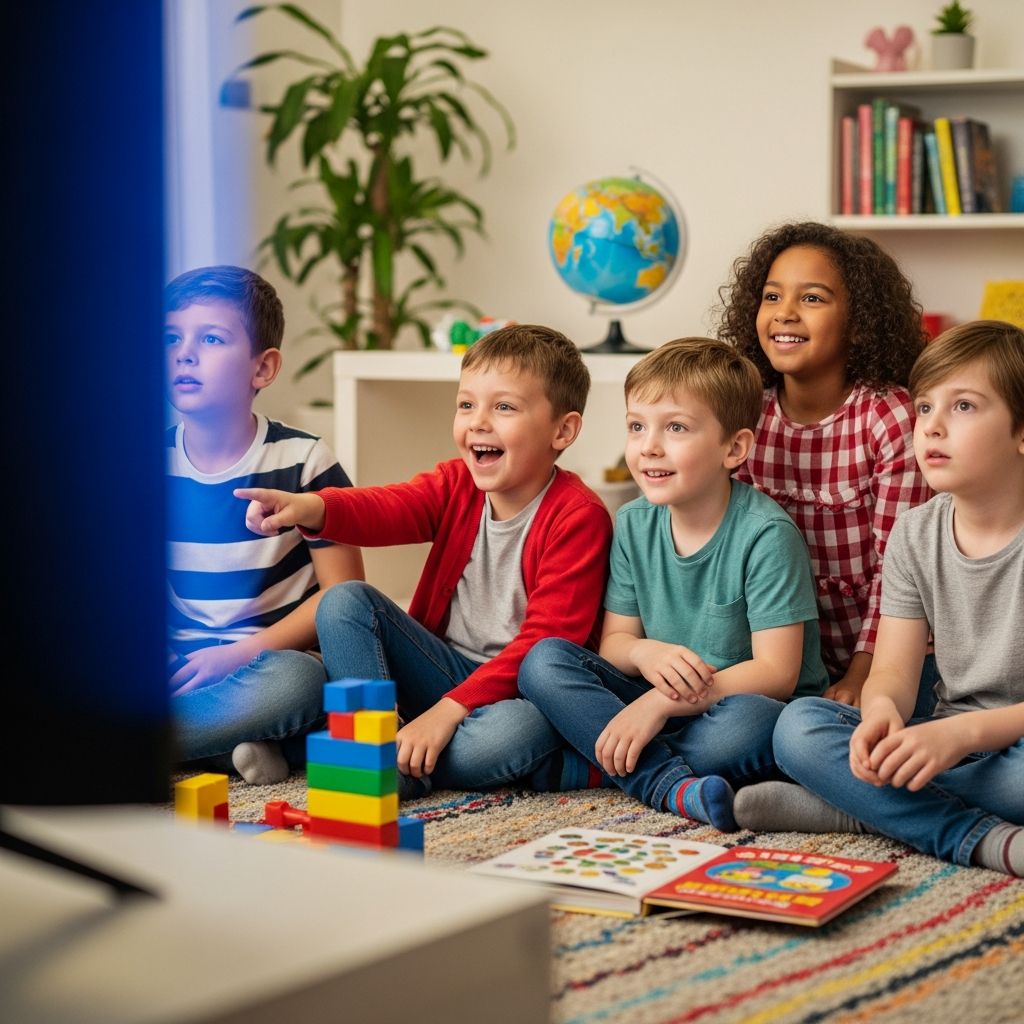
Children’s television has evolved into a powerful tool for development, blending entertainment with subtle teachings on emotions, relationships, and discovery. These programs use relatable characters and gentle narratives to instill values like kindness, perseverance, and curiosity, making learning feel like play. Parents can leverage them to reinforce daily lessons without overt instruction.
Mastering Emotions in a Gentle World
Young minds grapple with big feelings, and certain shows provide safe spaces to explore them. These series model healthy responses to frustration, joy, and sadness through songs and stories that stick.
- Daniel Tiger’s Neighborhood draws from timeless wisdom to guide toddlers through routines like sharing toys or waiting turns. Its simple mantras, sung in soothing tunes, empower kids to name emotions and find solutions, fostering empathy from an early age.
- Molang celebrates friendship with pastel visuals and wordless adventures. The duo’s joyful mishaps highlight self-acceptance and inclusivity, teaching that differences strengthen bonds without needing dialogue.
Both emphasize patience, turning potential tantrums into opportunities for growth. Watching together sparks family discussions on real-life parallels.
Sparking Scientific Curiosity Daily
Science comes alive when presented as exploration rather than lectures. Shows that encourage questioning the world build lifelong inquisitiveness in preschoolers.
| Show | Key Science Focus | Age Range | Platform |
|---|---|---|---|
| Tumble Leaf | Experimentation, nature discovery | 2-5 | Amazon Prime |
| Earth to Luna | Astronomy, physics basics | 3-6 | Various streaming |
| Louie | Artistic creation, cause-effect | 2-4 | YouTube |
In Tumble Leaf, a fox’s whimsical inventions reveal how things work, promoting trial-and-error without fear of failure. Earth to Luna follows a girl’s quests to answer ‘why’ questions, normalizing mistakes as part of inquiry. Louie animates drawings into stories, blending creativity with basic mechanics.
Fostering Teamwork and Community Safety
Real-world cooperation starts with fictional teams. Rescue-themed series demonstrate how diverse groups solve problems collectively.
- Robocar Poli features vehicles aiding neighbors, covering fire safety, traffic rules, and helping others. Episodes end with reviews of actions taken, reinforcing accountability.
- Daily Life Safety With Amber simplifies pedestrian caution and stranger awareness through everyday scenarios, building confidence in routines.
- Wild Kratts brothers use creature powers to protect wildlife, teaching habitat respect and collaboration across species.
These narratives highlight roles in a group, vital for school and playgroup dynamics.
Embracing Diversity and Global Perspectives
Broadening horizons combats bias early. Travel and culture-focused shows cultivate respect for varied traditions.
Mouk globe-trots with a monkey and bear, unpacking customs from festivals to foods. Each trip underscores universal themes like family and fun amid differences. Similarly, Xavier Riddle and The Secret Museum time-travels to meet young historical icons, humanizing figures like Cleopatra or Gandhi to inspire ordinary heroism.
Language, Literacy, and Wordplay Adventures
Words unlock imagination. Interactive literacy programs make reading an adventure, not a chore.
- Super Why transforms letters into superpowers, diving into books to fix dilemmas. It boosts phonics and comprehension playfully.
- Blue’s Clues pauses for viewer input on clues, honing observation and vocabulary through rhymes and riddles.
- Out of This Word demystifies idioms via a cat-bunny pair, turning confusion into giggles and clarity.
Repetition in songs and puzzles aids retention, prepping kids for formal reading.
Environmental Stewardship for Tiny Heroes
Sustainability starts small. Eco-conscious series motivate action through relatable characters.
Cry Babies Little Changers deploys doll-like changers to nudge habits like conserving water or recycling. Their interventions show planetary impact from tiny choices. Pairing with If You Give a Mouse a Cookie, which chains actions to teach consequence awareness, creates a full lesson on responsibility.
Growth Mindset Through Role Models
Perseverance shines in stories of trial. Programs praising effort over perfection nurture resilience.
- Milo tests careers from chef to pilot, revealing skills needed and value in all work.
- Numberblocks builds math confidence by personifying numbers that collaborate to solve sums.
- Curious George errs boldly then learns, modeling inquiry without defeat.
These affirm that persistence yields progress, countering fixed ability myths.
Practical Tips for Parents Maximizing Educational TV
To amplify benefits:
- Co-view and discuss: ‘How did Daniel feel? What would you do?’
- Limit to 1 hour daily, per pediatric guidelines, balancing with active play.
- Follow up: Reenact a Tumble Leaf experiment with household items.
- Choose ad-free platforms for focus.
Track progress in journals to see emotional or social gains.
Frequently Asked Questions
What age group benefits most from these shows?
Primarily 2-8 years, with slower-paced ones ideal for toddlers and adventure series for older preschoolers.
Are these shows available on free platforms?
Many on PBS Kids (free app), YouTube, or library streaming; others require Prime/Disney+.
Can TV replace hands-on learning?
No, but it complements by introducing concepts for real-world application.
How to handle over-attachment to one show?
Rotate weekly, introducing 2-3 at a time to broaden exposure.
Do they address neurodiversity?
Series like Daniel Tiger include routines helpful for autism spectrum; low-stimulation visuals suit sensory sensitivities.
Choosing Quality Over Quantity
Prioritize shows with positive messaging, diverse casts, and creator intent on education. Avoid those glorifying aggression. Streaming eras mean endless options—curate based on your child’s needs, like anxiety support via Daniel or science sparks from Luna.
Integrate with books of similar themes for hybrid learning. Parent reviews and awards (e.g., Peabody for Sesame Street) guide selections.
References
- Best Low Stimulation Shows for Toddlers and Preschoolers — Treehouse Schoolhouse. 2023-2024. https://treehouseschoolhouse.com/blog/best-low-stimulation-shows-toddler-preschooler
- 26 Best Learning TV Shows For Kids To Watch (0 to 8 years old) — Kids Bee TV. 2023-2024. https://kidsbeetv.com/blog/tops-picks/learning-tv-shows-for-kids/
- 20 Educational Shows that Your Kids Will Love! — The Lead Learner Mom. 2023-2024. https://theleadlearnermom.com/educational-shows-that-your-kids-will-love/
- 10 quality TV Shows for Young Children — Wee Talkers. 2023-2024. https://www.weetalkers.com/blog/tv-shows-for-young-children
- Top 70 Growth Mindset Television Shows — Big Life Journal. 2023-2024. https://biglifejournal.com/blogs/blog/top-growth-mindset-television-shows