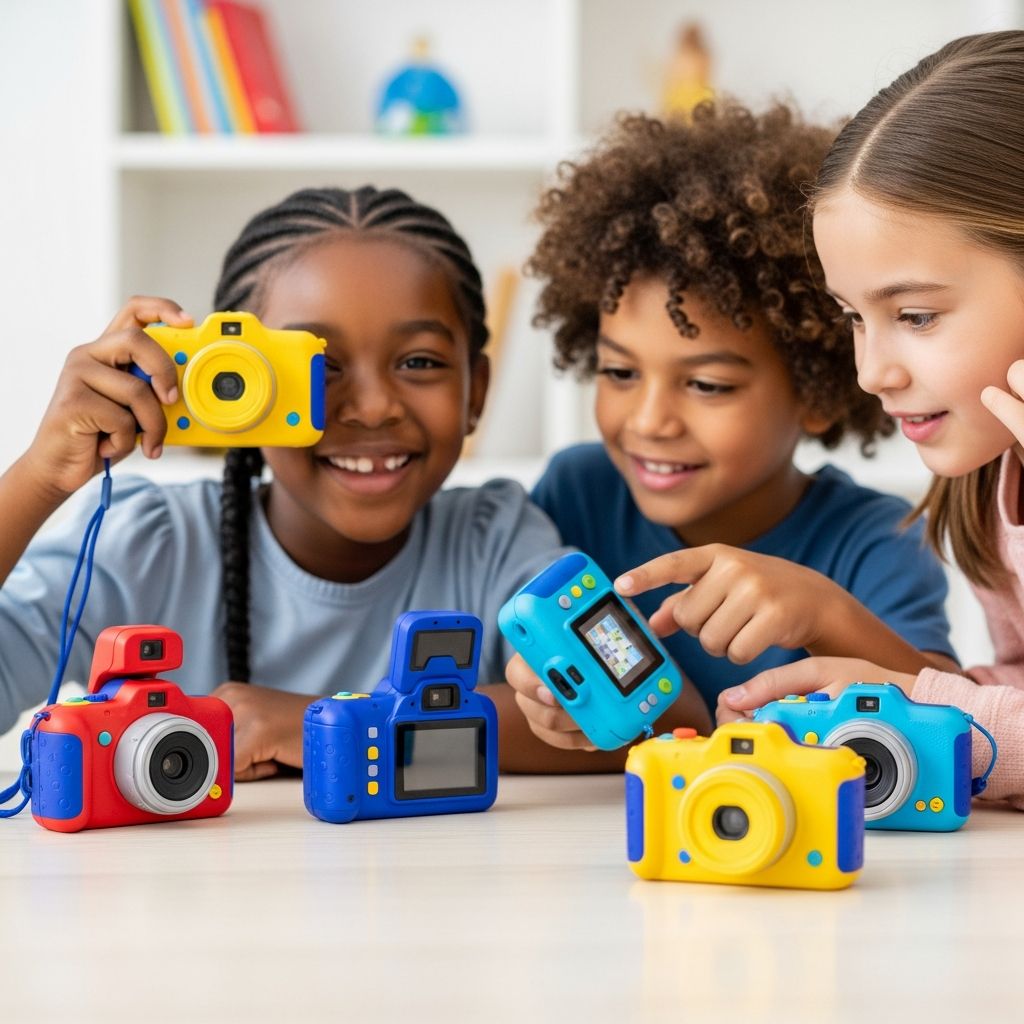
Why Kids Should Have Their Own Digital Camera
Introducing children to photography can spark creativity, boost confidence, and encourage them to see the world from new perspectives. A digital camera tailored for kids offers a safe, engaging way for them to explore their surroundings, document memories, and develop technical skills at an early age. Whether it’s capturing family moments, school events, or imaginative adventures, a camera designed for young hands can make the experience both fun and educational.
Key Features to Look for in a Kids’ Camera
- Durability: Cameras for kids should withstand drops, bumps, and rough handling. Look for models with rugged shells and reinforced corners.
- Easy Controls: Simple buttons and intuitive menus help children operate the camera without frustration. Touchscreens and large icons are especially helpful for younger users.
- Fun Extras: Built-in games, voice recorders, and creative filters keep kids engaged beyond just taking photos.
- Image Quality: While not as critical as for adults, decent resolution (at least 8MP) ensures clear, shareable images.
- Portability: Lightweight and compact designs are easier for small hands to hold and carry.
Top Camera Types for Young Photographers
Cameras for kids come in several varieties, each suited to different ages and interests. Here’s a breakdown of the most popular options:
Instant Cameras
Instant cameras like the Fujifilm Instax Mini 12 and Polaroid Now+ 2nd Gen are perfect for younger children who enjoy immediate results. These models are simple to use, produce physical prints, and often feature playful designs that appeal to kids.
Digital Point-and-Shoot Cameras
Digital point-and-shoot cameras, such as the VTech KidiZoom Duo FX and Kidamento Model C Bear, offer a balance of durability and features. They typically include built-in games, voice recorders, and creative effects, making them more than just a camera.
Entry-Level DSLRs and Mirrorless Cameras
For older children or teens interested in learning photography, entry-level DSLRs like the Canon EOS R100 and Nikon D3500 provide a more advanced experience. These cameras are smaller and lighter than professional models, making them easier for kids to handle, and they offer real photographic controls for learning.
Action Cameras
Miniature action cameras, such as the Insta360 Go 3S, are ideal for adventurous kids who want to capture unique angles and dynamic footage. Their compact size and magnetic mounting options make them versatile for various activities.
Comparison Table: Popular Kids’ Cameras
| Model | Type | Resolution | Special Features | Best For |
|---|---|---|---|---|
| VTech KidiZoom Duo FX | Digital Point-and-Shoot | 8MP | Games, voice recorder, rugged build | Young children |
| Fujifilm Instax Mini 12 | Instant | Print only | Instant prints, easy to use | Young children |
| Canon EOS R100 | DSLR/Mirrorless | 24.2MP | Interchangeable lenses, beginner-friendly | Older kids/teens |
| Insta360 Go 3S | Action | 4K video | Compact, magnetic mount, auto-rotate | Active kids |
| Kidamento Model C Bear | Digital Point-and-Shoot | 16MP | Large screen, slim design | Young children |
How to Choose the Right Camera for Your Child
- Consider Age and Skill Level: Younger children benefit from simple, durable cameras with fun extras, while older kids may prefer more advanced models for learning photography.
- Think About Interests: If your child loves instant prints, go for an instant camera. If they’re into action or adventure, an action camera might be best.
- Set a Budget: Cameras for kids range from under $50 to several hundred dollars. Decide how much you’re willing to spend based on your child’s commitment and your expectations.
- Check for Expandability: Some cameras allow for memory cards, lens changes, or accessories, which can extend their usefulness as your child grows.
FAQs About Kids’ Digital Cameras
What age is appropriate for a digital camera?
Most digital cameras are suitable for children ages 5 and up, but instant cameras and simple point-and-shoots can be used by even younger kids with supervision.
Are digital cameras for kids safe?
Yes, most kids’ cameras are designed with safety in mind, featuring non-toxic materials and rounded edges. Always supervise young children to prevent misuse.
Can kids’ cameras connect to smartphones or tablets?
Many modern kids’ cameras offer Wi-Fi or Bluetooth connectivity for easy photo sharing and remote control, especially higher-end models.
Do kids’ cameras need special accessories?
Basic accessories like extra batteries, memory cards, and protective cases can enhance the experience, but most cameras come with everything needed to get started.
How can I encourage my child to use their camera creatively?
Encourage themed photo challenges, family photo walks, or creative projects like making a scrapbook or digital slideshow.
Final Thoughts
Choosing the right digital camera for your child can be a rewarding experience that fosters creativity, learning, and lasting memories. By considering your child’s age, interests, and skill level, you can find a camera that’s both fun and educational. Whether it’s an instant camera for instant gratification or a beginner DSLR for aspiring photographers, the right camera can inspire a lifelong love of photography.