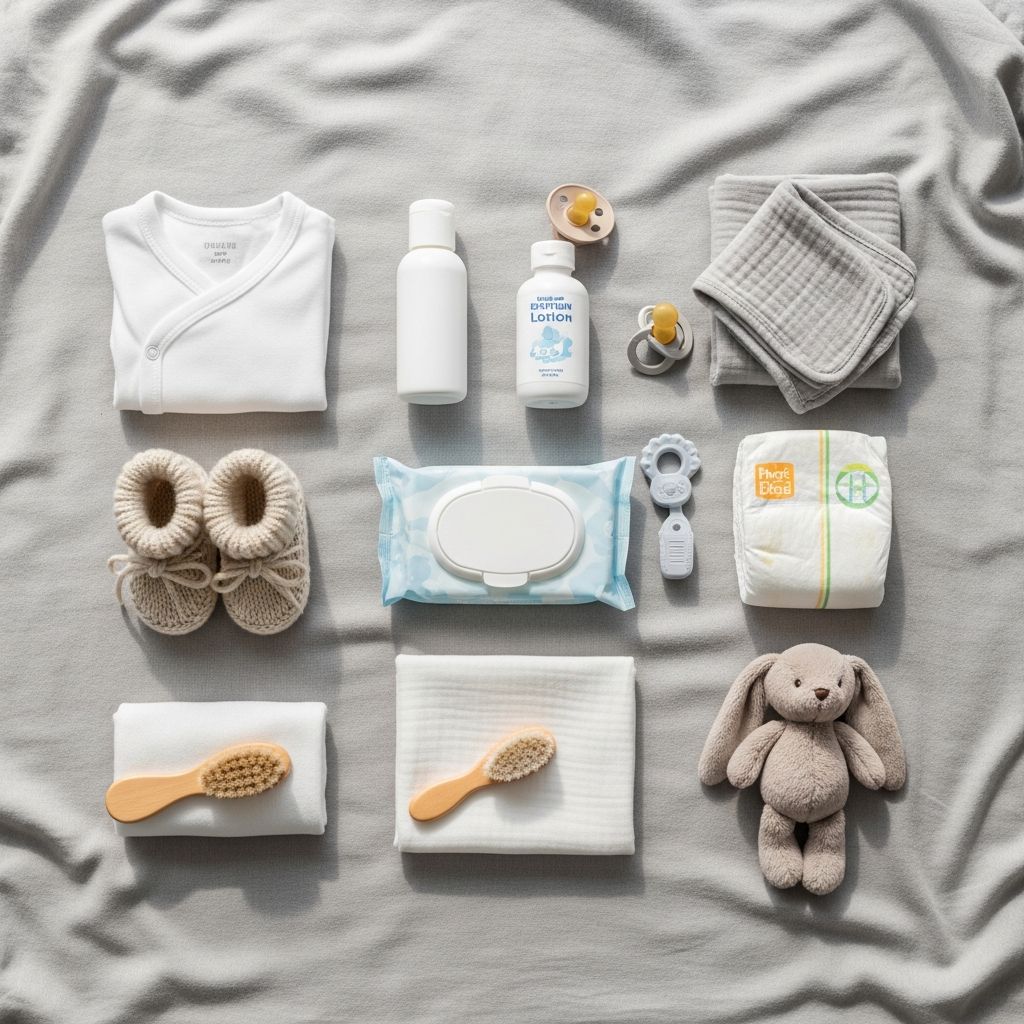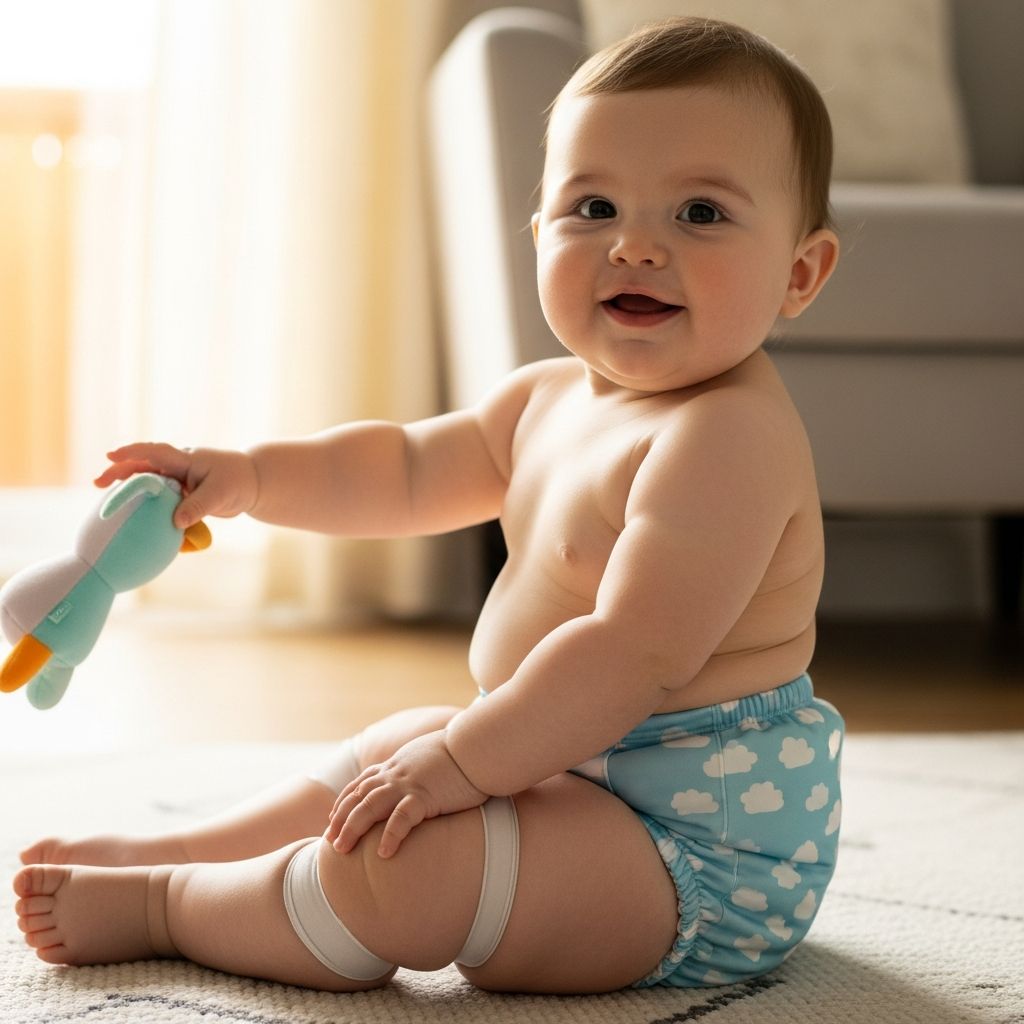
Cloth diapering a baby with deliciously chunky thighs can be both adorable and challenging. Soft rolls and sturdy legs often mean unique fit issues, red marks, and surprise leaks—but with the right strategies, cloth can be comfortable, reliable, and budget-friendly for every body type.[web:1][web:5]
Why Cloth Works Well for Big-Thigh Babies
Cloth diapers come in multiple shapes, fabrics, and closure systems, which makes it easier to customize the fit around the legs than with many disposables.[web:5] Parents can adjust rise snaps, waist snaps, and insert thickness so the diaper hugs the thighs without digging into the skin.
Because the absorbent layers are reusable fabric instead of gel, many families find that cloth keeps baby comfortable while reducing contact with certain chemicals, which is reassuring when skin folds trap heat and moisture.[web:1][web:5]
Understanding Baby Body Types and Fit
Babies with chunky thighs often have a different shape than sizing charts assume: narrower waists, prominent hip rolls, and fuller legs. A one-size diaper that technically “fits” by weight may still leave gaps or red pressure lines at the legs.[web:2]
For these babies, leg-curve fit matters more than the number on the tag. A diaper that flares gently at the leg opening and allows the elastic to sit in the underwear line, not across the thigh muscle, usually performs better and feels more comfortable.[web:1][web:5]
Choosing the Right Cloth Diaper Style
Not every cloth diaper type works equally well on thick thighs. Some cuts are narrow through the crotch and leg, while others offer a wider, more forgiving fit that wraps around the thigh rolls instead of cutting into them.[web:6]
Below is a helpful overview of popular styles and how they tend to perform on chunky-thighed babies.
Style Overview for Thick-Thighed Babies
| Diaper Style | How It Fits Big Thighs | Pros | Potential Drawbacks |
|---|---|---|---|
| Pocket diapers | Often have adjustable rise and generous cut; can work well if leg elastics are soft.[web:1] | Customizable absorbency; dries quickly; easy for caregivers. | Too much stuffing can make the leg openings stiff and cause gaps or red marks. |
| All-in-ones | Trim designs may run narrow; wide-crotch brands usually fit chunky legs better.[web:2] | Convenient one-piece system; great for daycare and outings. | Slower to dry; limited ability to adjust where bulk sits. |
| Prefolds with covers | Highly adjustable; can be folded to add bulk where needed and fastened snugly.[web:4] | Budget-friendly; versatile; easy to add absorbency for heavy wetters. | Requires more folding and practice; separate covers must fit correctly at the leg. |
| Fitted diapers with covers | Elastic all around offers a very forgiving, flexible fit on round legs.[web:4] | Excellent leak protection; great overnight option; breathable natural fibers available. | Bulky under clothes; higher upfront cost compared to flats and prefolds. |
| Flats with covers | Can be folded to contour around the thigh and waist; adaptable for growth.[web:6] | Very economical; easy to wash and dry; good for custom fit. | Steeper learning curve for new parents; more time needed per change. |
Key Features to Look For
Beyond style, certain design details make a big difference when diapering a baby with substantial thighs. Paying attention to elastics, rise, and fabric can prevent discomfort and leaks before they start.[web:5]
- Soft, wide elastic: Gently hugs the leg without creating sharp indentations, even when baby is sitting or wearing a carrier for long periods.[web:4]
- Double gussets or inner leg barriers: Extra fabric at the leg can help contain runny messes, which is especially handy when chubby legs push the outer shell outward.[web:1]
- Adjustable rise snaps: Allow the diaper to lengthen as thighs grow, preventing the front panel from “pulling down” and gaping at the legs.[web:2]
- Flexible, breathable materials: Natural fibers like cotton or bamboo often drape more easily around curves than very stiff synthetics.[web:5]
How to Put on a Cloth Diaper for a Chunky-Thighed Baby
A good fit starts with how the diaper is put on. Even a well-designed diaper can leak or leave marks if the rise, angle, or tension are off.[web:1] A quick, consistent routine helps every caregiver replicate the same comfortable fit.
- Prep the diaper: Lay it flat, smooth the absorbent insert, and pre-snap the rise to a setting that sits just below baby’s belly button.
- Position baby: Place baby so the back waistband lines up with the top of the diaper’s back panel, not riding too high up the spine.
- Tuck the front panel: Bring the front up between the legs, then gently tuck the fabric into the underwear line at the groin rather than across the thigh muscle.
- Angle the wings: When snapping or fastening, angle the wings slightly down toward the hips instead of straight across, which often respects the curve of the thigh better.
- Check the gap test: Run a clean finger around the leg opening. It should be snug enough that your finger meets gentle resistance but loose enough that it can move comfortably.
- Smooth the inner fabric: Make sure any inner insert or flat is entirely tucked inside the cover so cloth is not wicking moisture out onto clothes.
Preventing Red Marks and Pressure Lines
Red lines do not always indicate pain, but deep ridges, broken skin, or persistent marks lasting more than 30 minutes can signal that the diaper is too tight or poorly positioned.[web:2] Babies with thick thighs are especially prone to these when elastics are narrow or stiff.
- Experiment with loosening the waist and letting the leg elastics do most of the sealing work, rather than overtightening at the belly.
- Try a different rise setting; a diaper that is too short in the rise can drag down at the front and pull the leg openings inward, creating harsh lines.
- Rotate between a few brands or cuts, since even small differences in pattern can change how weight is distributed on the leg.
- Consider switching to diapers or covers with wider, softer leg casings or natural-fiber inners to reduce friction.[web:4][web:5]
Taming Leaks with Big Thighs and Heavy Wetters
Leaks are not always a sign of a bad diaper; they can indicate that the fit, absorbency level, or change frequency needs adjustment. Babies with chunky legs sometimes compress the absorbent core more when they sit, which can push moisture outward if leg gaps exist.[web:1]
Leak-Reduction Tips
- Boost absorbency strategically: Add a small booster insert at the wettest area—often the front for tummy sleepers or the center for sitters—rather than over-stuffing the entire diaper.
- Change more frequently: Many cloth-diapered babies need a change every 2–3 hours during the day to avoid saturation leaks.[web:1]
- Use fitteds or nighttime setups: For overnights, a fitted diaper with a quality cover or a heavily boosted pocket can handle longer stretches without overwhelming the leg seal.[web:4]
- Check for wicking: If clothing near the legs is wet but the insert is not fully saturated, exposed fabric at the leg opening may be drawing moisture out.
Daycare, Travel, and On-the-Go Strategies
Taking chunky-thighed cloth diapering outside the house adds new considerations, especially when caregivers are less familiar with the fit quirks. Simple systems, clear instructions, and backup options make life easier.[web:2]
- Send user-friendly styles like all-in-ones or pre-stuffed pockets to daycare so staff only need to fasten tabs and check for leg snugness.
- Provide labeled wet bags, already set for a day’s worth of changes, to keep soiled diapers contained and easy to send home.[web:1]
- For long trips, pack a small mix of cloth and a few disposables in a larger size, in case swollen airplane legs or extended car-seat time make cloth fit less comfortably for a stretch.
- Include a short printed fit checklist (“elastic in underwear line, one-finger gap check, tummy not too tight”) for anyone new to cloth.
Laundry, Detergent, and Skin Care Considerations
Proper washing matters for all cloth diapered babies, but skin folds around chunky thighs can trap residue and moisture, so buildup and irritation show up quickly if the wash routine is off.[web:1][web:3]
- Use enough detergent for heavily soiled laundry and ensure a thorough rinse so no residue remains in the fabric that will sit against creases.[web:3]
- Avoid fabric softeners and dryer sheets, which can coat fibers and reduce absorbency, leading to leaks and longer contact with dampness.
- Allow skin folds to dry fully at each change; a quick pat with a clean cloth and occasional diaper-free time help minimize rashes.[web:5]
- If rashes persist, consult a pediatrician and verify that your wash routine and detergent are appropriate for baby’s skin.
Budgeting for a Cloth Stash That Actually Fits
One of the appeals of cloth is long-term savings compared with disposables, but parents of chunky-thighed babies sometimes cycle through more brands before discovering what works.[web:1][web:4] Planning a realistic budget and testing a few different cuts can prevent expensive frustration.
- Start with a small sampler of different brands and styles instead of buying a full stash from one company.
- Watch for second-hand options or buy/sell/trade communities, which allow you to resell diapers that do not suit your baby’s shape.[web:4]
- Build your stash in stages: daytime diapers first, then specialized nighttime solutions, then extras for travel or daycare.
- Remember to factor in accessories such as wet bags, liners, and cloth wipes when comparing costs with disposables.[web:1]
Frequently Asked Questions
Do thick-thighed babies need a different diaper size?
Not necessarily, but they often need a different cut or rise setting than a baby with the same weight and slimmer legs. Weight-based size charts are only a starting point; the real test is how the elastic sits around the leg and whether you can fit a finger comfortably under the opening without seeing gaps.[web:2][web:6]
Are cloth diapers better than disposables for preventing rashes in leg folds?
Studies show that both cloth and disposable diapers can work when changed frequently and used with good skin care, but many families report fewer irritations when using breathable cloth fabrics and avoiding some disposable diaper chemicals.[web:1][web:5] The key is frequent changes, adequate absorbency, and a wash routine that removes all residue.
How many diapers do I need for a chunky-thighed baby?
Most full-time cloth users find that 18–24 diapers are enough for washing every two to three days, with a few extra covers or fitted diapers for nights if needed.[web:1][web:4] Babies who wet heavily or attend daycare may benefit from a slightly larger stash to avoid laundry emergencies.
Will cloth diapers delay or speed up potty training?
Some experts suggest that feeling wetness can help children connect the sensation of going with the result, which may support earlier readiness, while ultra-absorbent disposables often keep skin very dry.[web:2] That said, individual temperament and family routines play a much bigger role than diaper type alone.
Is cloth diapering still eco-friendly when I’m doing extra laundry?
Cloth diapers require more water and energy for washing, yet research comparing lifecycle impacts generally finds that reusables can use fewer raw materials and produce less solid waste than disposables when washed efficiently and reused over time.[web:1][web:4] Line drying when possible and using an energy-efficient washer can further reduce environmental impact.
Final Thoughts
Chunky-thighed babies can absolutely thrive in cloth diapers when parents match the right style, fit settings, and wash routine to their child’s unique shape. With a bit of experimentation, soft elastic at the leg and reliable absorbency can keep those rolls happy, dry, and photo-ready through every stage of growth.[web:1][web:5]