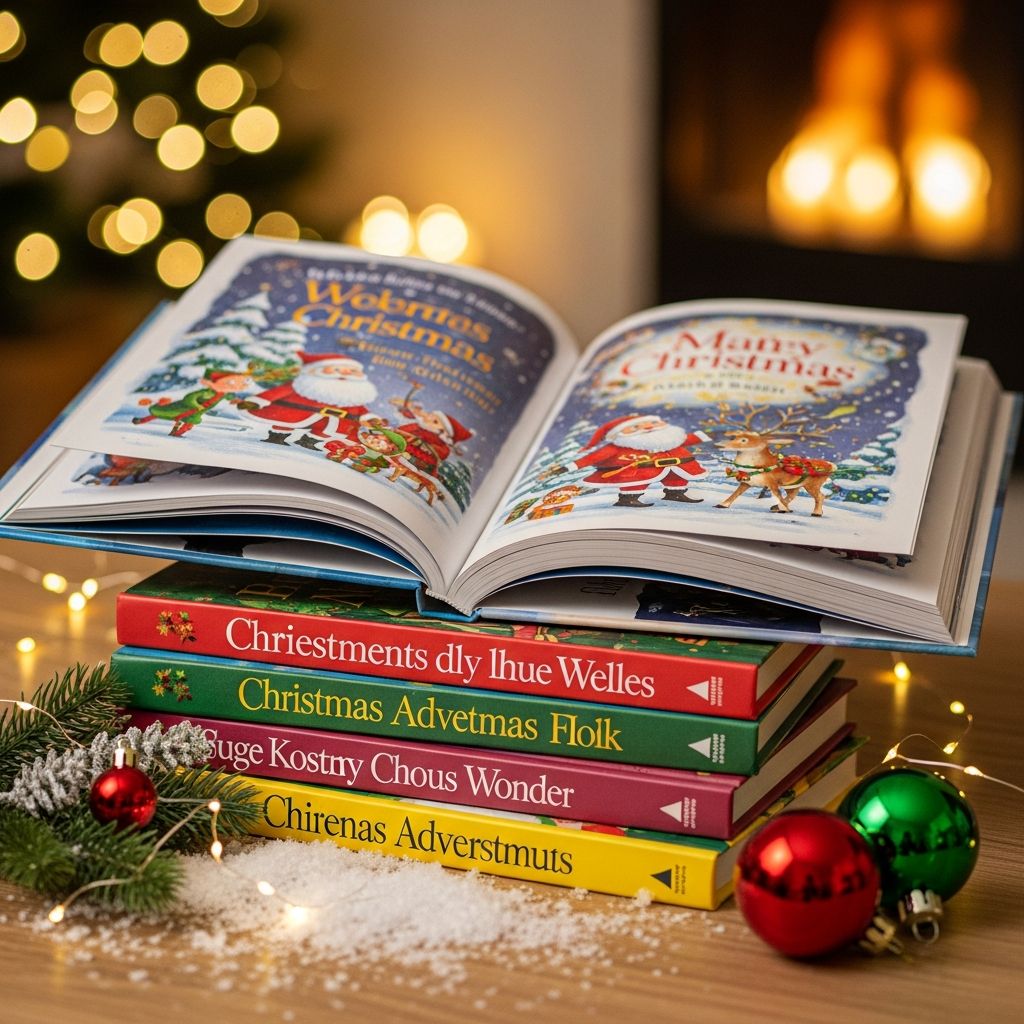
Christmas picture books can turn ordinary bedtime into a cherished family ritual, filling homes with light, laughter, and meaningful conversations about generosity, hope, and joy. Thoughtfully chosen stories help children understand the spirit of the season while giving families a cozy way to slow down and connect.
Why Christmas Picture Books Matter
Picture books are a powerful way to introduce big ideas in small, gentle moments, and Christmas stories are especially good at weaving together themes of love, kindness, and wonder. Beautiful illustrations engage even the youngest listeners, while simple text helps emerging readers build confidence and vocabulary.
Holiday reading traditions also become emotional anchors for children, who come to associate certain stories with warmth, belonging, and the reassuring rhythm of family rituals. When the same treasured books emerge from the box each December, children know that celebration, togetherness, and comfort are on the way.
- They reinforce values like empathy, gratitude, and generosity.
- They create predictable traditions that help children feel secure.
- They encourage shared time away from screens in a busy season.
How to Choose the Right Christmas Picture Books
Before exploring specific titles, it helps to think about what you want your family’s Christmas reading tradition to emphasize. Some families prioritize faith-based stories, while others focus on winter magic, Santa tales, or stories of community and giving. A balanced collection can easily include a mix of all these elements.
Consider your child’s age, attention span, and sensory preferences when selecting books. Younger children may be drawn to sturdy board books and rhythmic text, while older kids often appreciate longer narratives with complex characters and emotional arcs.
- Look for engaging, high-contrast illustrations for toddlers.
- Choose stories with repetitive phrases for preschool read-alouds.
- Include more detailed plots and subtle themes for school-age children.
Age Guide to Christmas Picture Books
Not every Christmas book will work for every age group, even if the cover looks festive and inviting. Matching stories to developmental stages can prevent frustration and make read-aloud time feel joyful rather than forced.
The following table gives a simple framework for organizing your holiday bookshelf by age and focus, so you can quickly choose the right story on a busy December evening.
| Age Range | Book Features | Ideal Themes |
|---|---|---|
| Babies & Toddlers (0–3) | Sturdy board books, simple text, strong rhythm, interactive flaps or textures | Lights, snow, simple Santa stories, familiar routines like bedtime or decorating |
| Preschoolers (3–5) | Short narratives, repeated phrases, bold illustrations, gentle humor | Sharing, anticipation, Christmas Eve excitement, basic Nativity stories |
| Early Elementary (6–8) | Richer vocabulary, longer plots, emotional depth, detailed art | Generosity, courage, family traditions, more detailed faith-based narratives |
| Older Children (9+) | Complex themes, layered characters, sometimes mixed text-and-picture formats | Reflection, social responsibility, historical Christmas settings, cultural traditions |
Classic Christmas Picture Book Themes
While specific titles change from family to family, many beloved Christmas books explore a handful of recurring themes. Identifying the ideas that matter most to you can help you build a library that feels intentional rather than random.
Most Christmas collections benefit from a blend of stories that feel deeply comforting and others that challenge children to think about the wider world and their role in it.
- The magic of anticipation: Books that celebrate countdowns, advent calendars, and Christmas Eve rituals.
- Acts of kindness and giving: Stories where characters sacrifice or share for others’ happiness.
- Family and belonging: Narratives about reunions, traditions, and making space for everyone at the table.
- The Nativity and faith: Retellings of the Christmas story and reflections on hope and light.
- Winter wonder: Stories focused on snow, animals, lights, and seasonal beauty.
Christmas Picture Books for Young Listeners (0–3)
For babies and toddlers, durability and visual appeal matter as much as narrative content. Sturdy board books with simple language, strong patterns, and clear Christmas imagery help very young children feel included in the season’s celebrations.
Short texts allow you to read a complete story in just a few minutes, making it easy to repeat favorites on demand and build early familiarity with holiday words like tree, star, snow, and bells.
- Choose board books with rounded corners and thick pages that can withstand enthusiastic handling.
- Look for repetitive phrases that invite toddlers to “read along” with key words.
- Interactive elements like flaps, textures, and finger trails add sensory interest.
Christmas Picture Books for Preschoolers (3–5)
Preschoolers are ready for slightly longer stories that build tension and resolution around Christmas preparations, Santa’s visit, or a special act of kindness. They also enjoy humor, surprise endings, and characters that feel as curious and impulsive as they are.
At this stage, many children are eager to talk about what they see in the illustrations, making Christmas picture books a springboard for conversations about feelings, fairness, and friendship.
- Look for stories that follow a clear beginning, middle, and end within 32–40 pages.
- Choose books with expressive characters whose faces clearly show emotions.
- Consider anthologies of short Christmas tales that can be read over several evenings.
Christmas Picture Books for Early Readers (6–8)
Children in early elementary school can handle more complex plots and are beginning to read independently, making Christmas picture books a bridge between shared storytime and private reading. Many titles for this age group blend richly detailed illustrations with paragraphs of text on each page.
Books that explore generosity, community, and difficult choices are especially meaningful at this age, when children are becoming more aware of others’ experiences and needs.
- Seek out stories where the main character grows or learns a lesson by the end.
- Include a mix of secular and faith-based titles if that fits your family’s values.
- Try picture-book-length retellings of classic Christmas tales or legends.
Faith-Focused Christmas Picture Books
Faith-centered Christmas picture books highlight the Nativity story, themes of divine love, and the symbolism of light in darkness. These stories can anchor family conversations about why Christmas is celebrated and how its message shapes daily life.
Illustrations in these books often range from gentle and pastoral to richly symbolic, giving families many stylistic choices while reinforcing the central narrative of the holiday in Christian traditions.
- Choose Nativity retellings that use child-friendly language without oversimplifying the meaning.
- Explore books that connect Christmas with ideas of peace, justice, and care for others.
- Consider pairing Bible passages with picture-book readings for older children.
Secular and Santa-Themed Christmas Picture Books
Not all Christmas books focus on religious themes; many families also enjoy stories about Santa, elves, reindeer, and the sheer excitement of gifts and decorations. These books often foreground imagination and play, making them especially appealing to young children.
Santa-themed books can also serve as gentle tools for exploring ideas like patience, good behavior, and the joy of giving, especially when they balance wish lists with acts of kindness toward others.
- Look for Santa stories that show him as kind, thoughtful, and respectful to children.
- Choose books where characters learn to appreciate experiences rather than just presents.
- Consider humorous titles to lighten busy December evenings with laughter.
Stories of Kindness, Giving, and Community
Some of the most meaningful Christmas picture books focus less on decorations or Santa and more on giving, hospitality, and noticing those who might feel left out. These stories invite children to think beyond their own wish lists and consider how they can bring joy to others.
Books about sharing food, inviting neighbors, or choosing thoughtful gifts help children see generosity not as a grand gesture but as a series of small, loving decisions made every day.
- Seek stories where children are the heroes of acts of kindness.
- Include books that highlight giving time or attention, not just material gifts.
- Look for narratives that show diverse families and community settings.
Christmas Picture Books from Around the World
Exploring Christmas picture books that feature different countries’ customs can broaden children’s understanding of how people celebrate around the globe. These stories often highlight unique foods, songs, decorations, and legends while still emphasizing connection, hope, and light.
Even if your own family traditions are simple or local, reading about global celebrations can inspire new ideas and deepen children’s appreciation for cultural diversity.
- Choose books that include maps, glossaries, or notes explaining cultural details.
- Look for stories that show children from various backgrounds celebrating together.
- Pair reading with trying a recipe, song, or craft from the culture in the book.
Building a 24-Day Christmas Reading Tradition
One popular way to use Christmas picture books is to create a 24-day reading calendar leading up to Christmas Eve. Families wrap books individually or place them in a basket, opening one each night to read together. This simple ritual can transform December evenings into a calm, anticipated pause.
Whether you own a large collection or rely on the library, rotating titles helps keep things fresh while reinforcing the sense that storytime is a key part of preparing for the holiday.
- Mix new purchases with borrowed library books to keep costs manageable.
- Include a balance of light, funny stories and deeper, reflective ones.
- Let children take turns choosing which wrapped book to open each night.
Tips for Cozy Christmas Read-Aloud Sessions
A magical Christmas book can lose some of its sparkle if storytime feels rushed or distracted. Simple changes to your routine and environment can make even a short read-aloud feel special and memorable for children of any age.
Focus on consistency over perfection: a five-minute read in dim light with a blanket can have more emotional impact than an hour-long session that happens only once.
- Dim overhead lights and read by the glow of a tree, lamp, or candles (used safely).
- Invite children to hold a favorite toy or ornament while listening.
- Pause on key pages to ask, “What do you notice?” or “How do you think they feel?”
Frequently Asked Questions About Christmas Picture Books
How many Christmas books does a family really need?
There is no ideal number; a small, thoughtfully chosen set can be just as meaningful as a large shelf. Aim for a mix of favorites you revisit each year and one or two new titles that keep your tradition feeling fresh.
Is it better to buy or borrow holiday books?
Borrowing from the library is a great way to preview new titles and add variety each year without overfilling your shelves. Purchasing a few special books to keep allows you to build a core collection that will hold emotional value as children grow.
What if my child wants to read the same Christmas book every night?
Repeated reading is developmentally normal and helps children internalize language patterns, story structures, and emotional cues. You can honor their favorite while still gently introducing other books by pairing the beloved story with a short second title.
How do I choose inclusive and diverse Christmas books?
Look for publishers and authors who intentionally feature characters from different backgrounds, family structures, and traditions. Reading a broad range of stories helps children see that the spirit of Christmas belongs to many cultures and communities, not just one familiar image.
Can older kids still enjoy picture books at Christmas?
Yes, many older children appreciate the nostalgia and artistry of Christmas picture books, especially when stories include layered themes and detailed illustrations. Shared reading can remain a comforting ritual long after children can read independently.
Creating Your Family’s Christmas Book Legacy
Over time, a well-loved set of Christmas picture books becomes part of a family’s story, carrying memories of tiny hands turning pages and sleepy heads resting on shoulders. Each December, those books quietly record another year of growth, change, and togetherness.
By choosing titles that reflect your values, your cultural background, and your children’s unique personalities, you create a holiday library that tells your family who you are and what you cherish most about the season.