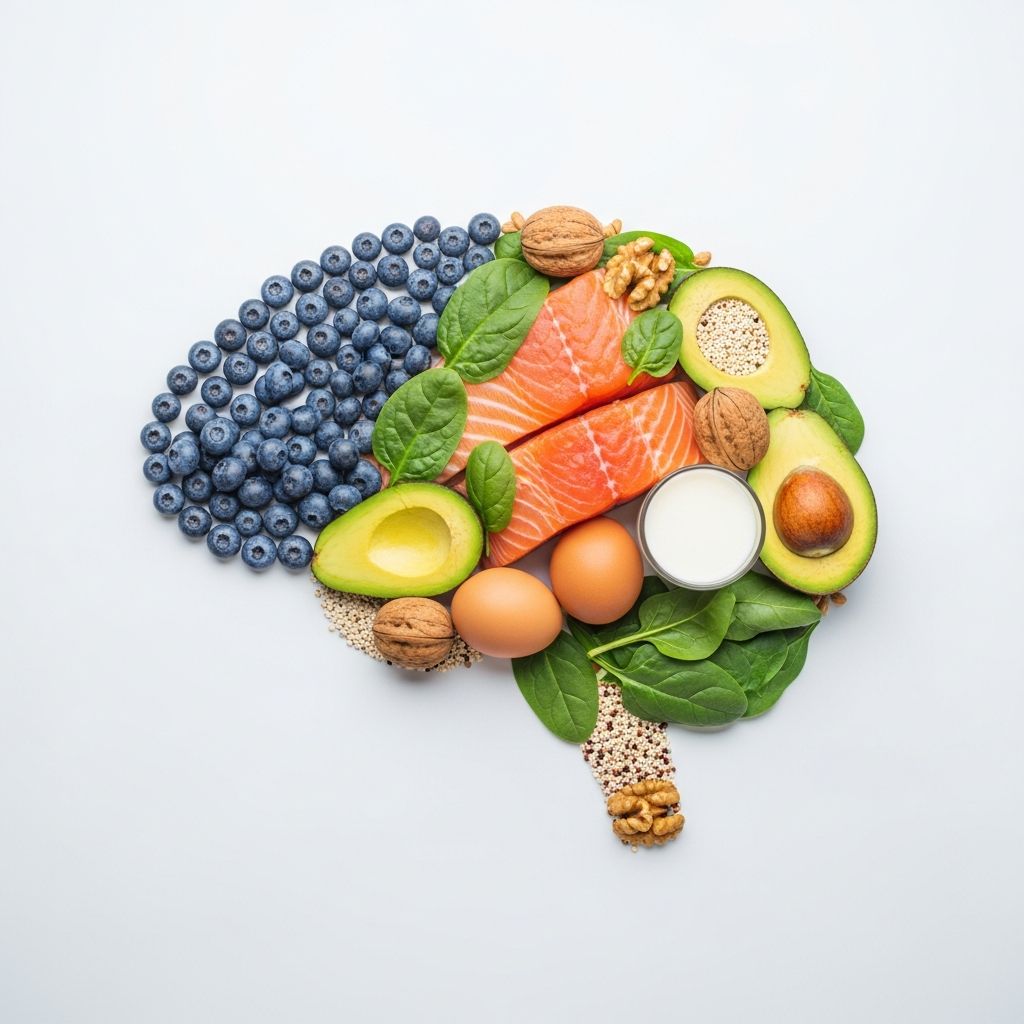
Children’s brains develop rapidly, especially in the early years, requiring specific nutrients to support cognitive function, memory, and learning. Incorporating brain-boosting foods into daily meals can significantly enhance mental performance and long-term health.
Essential Nutrients Driving Brain Growth
The foundation of a sharp young mind lies in key nutrients that fuel neural connections and protect brain cells. Omega-3 fatty acids, particularly DHA and EPA, are vital for building brain structure and improving attention spans in children. Choline supports memory formation, while iron prevents deficiencies linked to learning difficulties. Folate and iodine aid overall cognition, and antioxidants combat oxidative stress.
According to health experts, toddlers and school-age kids need a balanced intake of these from whole foods. The American Academy of Pediatrics emphasizes choline, folate, iron, and omega-3s for optimal brain development. Protein and zinc further promote neurotransmitter function and rapid brain growth during key stages.
Daily Nutrient Goals for Young Brains
| Nutrient | Benefit | Daily Need (Ages 4-8) | Top Sources |
|---|---|---|---|
| Omega-3 (DHA/EPA) | Memory & attention | 400mg DHA | Fatty fish, eggs |
| Choline | Learning & nerve health | 250mg | Eggs, yogurt |
| Iron | Hippocampus development | 10mg | Lean beef, beans |
| Folate | Cognition | 400mcg | Leafy greens |
| Zinc | Memory & growth | 5mg | Nuts, seeds, meat |
This table summarizes targets based on pediatric guidelines, helping parents plan meals effectively.
Fatty Fish: Omega-3 Powerhouses
Fatty fish stand out as premier brain foods due to their rich omega-3 content. DHA, abundant in salmon and sardines, enhances listening skills and vocabulary in preschoolers, with studies showing gains after just four months of supplementation equivalent to regular intake. Children consuming oily fish weekly exhibit superior attention and mental flexibility.
Low-mercury options like salmon, tilapia, and cod provide protein, zinc, iron, and iodine without risks. For kids under 3, 1-ounce servings 2-3 times weekly suffice. Grill salmon bites or mix into pasta for picky eaters.
- Salmon: High DHA for neural membranes.
- Sardines: Iodine for cognitive support.
- Mackerel: EPA for focus.
Eggs and Dairy: Choline and Protein Boost
Eggs deliver choline, crucial for acetylcholine production, which aids learning and memory. A single egg meets significant daily needs, making them ideal for breakfast.
Unsweetened yogurt offers probiotics, protein, zinc, and iodine, linking gut health to brain function. Iodine deficiencies impair reasoning, so yogurt smoothies are a smart choice. Calcium-rich dairy supports overall neural health.
- Scrambled eggs with spinach.
- Greek yogurt parfaits with berries.
- Cottage cheese on whole-grain crackers.
Berries and Citrus: Antioxidant Defenders
Berries’ anthocyanins protect neurons, boost blood flow, and spur new cell growth. Wild blueberries outperform others, improving memory in kids within hours. Citrus fruits supply vitamin C for neuron protection and collagen in brain tissue.
Strawberries, blackberries, and oranges make snacks fun and effective against oxidative damage.
- Blueberry smoothies.
- Orange slices with nuts.
- Mixed berry yogurt bowls.
Leafy Greens and Whole Grains: Steady Energy Sources
Spinach and kale provide folate for cognition and iron for the hippocampus, reducing ADHD risks. Folate-rich greens correlate with better thinking skills.
Whole grains like quinoa, oats, and brown rice offer B-vitamins and steady glucose for sustained focus, unlike refined carbs.
| Green/Grain | Key Nutrient | Brain Perk |
|---|---|---|
| Spinach | Folate, lutein | Cell protection |
| Kale | Vitamin K | Cognitive support |
| Quinoa | Protein, minerals | Mental energy |
| Oats | B-vitamins | Nerve function |
Nuts, Seeds, and Legumes: Mineral-Rich Snacks
Walnuts mimic brain shape with DHA and vitamin E for stress reduction and cognition. Almonds and flaxseeds add omega-3s ALA. Beans pack zinc, iron, folate, and protein, perfect for vegetarians.
Nut butters on apple slices or bean dips encourage intake.
- ¼ cup walnuts daily.
- 1-2 tsp ground flax.
- Black beans in tacos.
Lean Meats and Alternatives: Iron and Zinc Heroes
Lean beef combats anemia in 1 in 10 young kids, preventing learning issues. Alternatives like soy or black bean burgers match benefits. Protein from these sources builds amino acids for neurotransmitters. Aim for 3-5 oz daily for ages 3-5.
Practical Meal Ideas for Busy Families
Integrate these foods seamlessly:
- Breakfast: Oatmeal with berries, walnuts, yogurt.
- Lunch: Salmon salad wrap with spinach, quinoa.
- Snack: Apple with almond butter, cheese stick.
- Dinner: Beef stir-fry with broccoli, brown rice.
- Dessert: Citrus fruit salad.
Variety ensures broad nutrient coverage, as no single food has everything.
Age-Specific Strategies
For toddlers (1-3): Purees of fish, eggs, yogurt; finger foods like soft berries. School-age (4-8): Larger portions, involve in prep for buy-in. Teens: Smoothies, energy bars with nuts/seeds.
Potential Pitfalls and Solutions
Avoid high-mercury fish like tuna. Allergies? Swap nuts for seeds, beef for beans. Picky eaters? Hide greens in sauces, blend berries.
Frequently Asked Questions
How often should kids eat fatty fish?
2-3 servings weekly of low-mercury options like salmon for optimal omega-3s.
Are eggs safe daily for children?
Yes, 1-2 eggs provide choline without excess cholesterol for most kids.
Can vegetarians get enough brain nutrients?
Absolutely, via beans, nuts, seeds, fortified grains, and algae omega-3 supplements if needed.
What if my child refuses greens?
Blend into smoothies, sauces, or muffins; folate benefits persist.
Do probiotics in yogurt really help brains?
Yes, gut-brain axis supports mood and cognition via microbiome.
References
- 8 Foods to Boost Child Brain Health — HML Functional Care. 2023. https://hmlfunctionalcare.com/8-foods-to-boost-child-brain-health/
- Baby brain food: 7 foods to fuel brain development — UCLA Health. 2023-06-12. https://www.uclahealth.org/news/article/baby-brain-food-7-foods-to-fuel-brain-development
- Brain-boosting foods for kids — CHOC Children’s. 2023. https://health.choc.org/brain-boosting-foods-for-kids/
- Brain foods for kids — Children’s Health. 2023. https://www.childrens.com/health-wellness/brain-foods-for-kids
- The crucial brain foods all children need — Harvard Health Publishing. 2018-01-23. https://www.health.harvard.edu/blog/brain-food-children-nutrition-2018012313168
- Supporting Healthy Brain Development in Children through Nutrition — Child Care Aware of Kansas. 2023. https://ks.childcareaware.org/supporting-healthy-brain-development-in-children-through-nutrition/