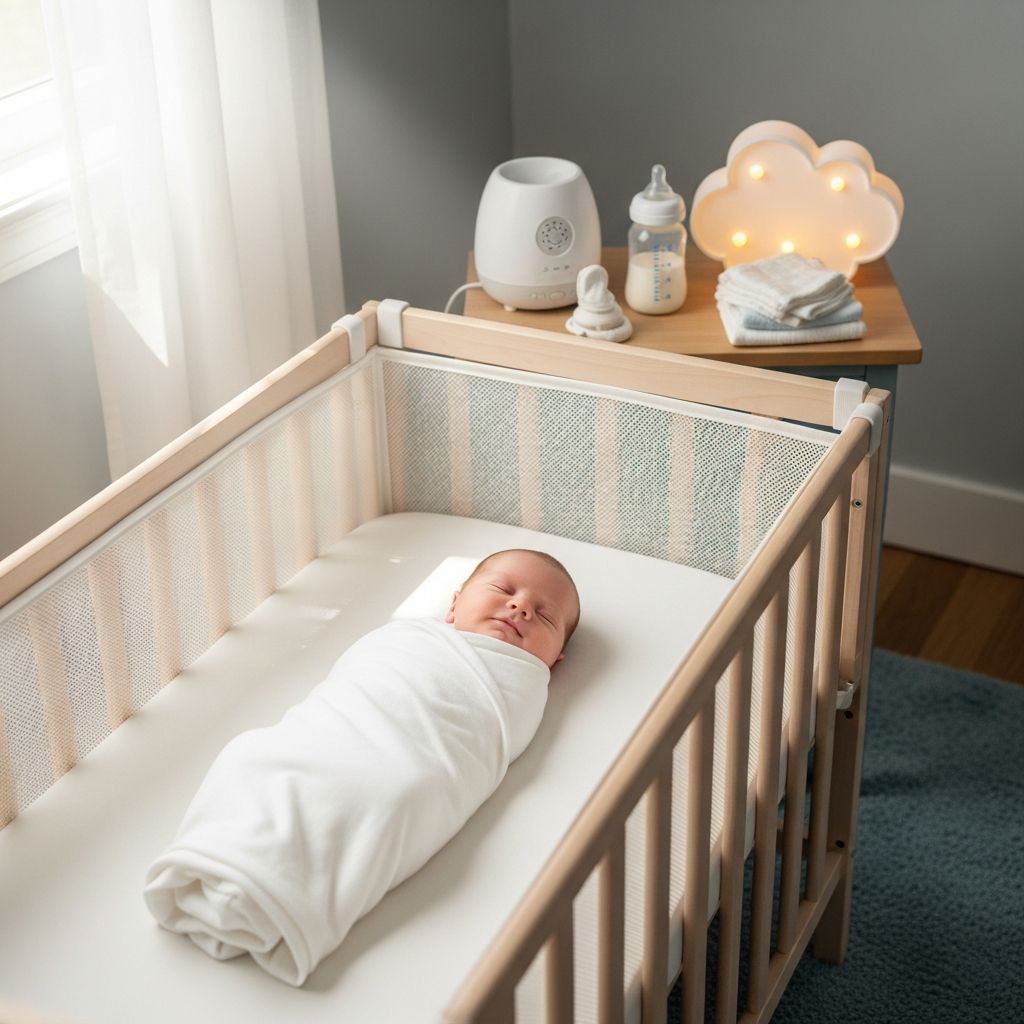
Reading to a baby who can’t yet talk—or even sit up—might feel a little odd at first, but this quiet ritual can be one of the most powerful gifts a parent gives in the first year of life. Sharing books from birth supports brain development, strengthens your bond, and lays the foundation for a lifelong love of stories and learning.
Why Books Matter Even in the Newborn Stage
Newborns may not understand the words you read, but their brains are rapidly wiring connections that will later support language, attention, and emotional security. The rhythm of your voice, the closeness of your body, and the comforting repetition of stories create a rich sensory experience.
- Babies recognize and are soothed by their caregivers’ voices, so reading becomes a familiar, calming sound.
- Hearing varied words and sentence patterns lays the groundwork for future vocabulary and comprehension.
- Regular reading time becomes a predictable routine, signaling safety and connection.
In the earliest weeks, the “what” of the story is less important than the “how” of the interaction. Your baby benefits most when reading feels relaxed, responsive, and loving.
Key Benefits of Reading to Babies
Reading with your infant supports development in multiple areas at once. Think of each story session as a gentle workout for both your baby’s brain and your relationship.
- Language and communication: Babies hear different sounds, rhythms, and patterns of speech, which later helps them babble, point, and use words.
- Emotional bonding: Snuggling with a book creates a sense of security and positive association with you and with reading.
- Attention and focus: Looking at pages, listening to your voice, and tracking pictures helps lengthen their attention span over time.
- Sensory exploration: Touching textures, turning pages, and seeing high-contrast images engage vision and motor skills.
- Routine and regulation: Repeating favorite books, especially around naps or bedtime, can help soothe and calm an overstimulated baby.
These benefits accumulate with repetition, so short, frequent reading moments can be more impactful than occasional long story times.
Choosing Books for Each Stage of the First Year
Babies change rapidly in their first twelve months, and their needs in books change too. Instead of focusing on specific titles, think in terms of what types of books suit each developmental stage.
| Age Range | What Babies Enjoy | Best Book Features |
|---|---|---|
| 0–3 months | Faces, bold patterns, soothing voices | High-contrast images, simple pictures, sturdy board or cloth pages |
| 3–6 months | Grabbing, mouthing, tracking movement | Chewable or washable books, simple storylines, rhythmic language, crinkly or textured elements |
| 6–9 months | Interaction, surprise, cause and effect | Lift-the-flap, peekaboo-style pages, repetitive phrases, photos of real babies and everyday objects |
| 9–12 months | Pointing, naming, participation | Picture dictionaries, simple narratives, action words, sturdy pages they can help turn |
This table is a guide, not a rulebook. If your 2-month-old loves a book technically aimed at older babies, or your 10-month-old is still obsessed with high-contrast cards, keep following their lead.
What to Look For in Books for Babies
Not every cute baby book is equally useful. When choosing books, focus on a few qualities that support both development and real-life practicality for busy, sometimes tired parents.
- Durability: Board books, cloth books, and bath books that withstand drool, enthusiastic grabbing, and the occasional chew.
- Clear, simple images: One main picture per page, with uncluttered backgrounds that make it easy for baby to focus.
- Limited text: A few words or short sentences per page keep stories manageable when attention spans are short.
- Engaging rhythm: Rhyme, repetition, and predictable phrases invite babies to anticipate and eventually “participate.”
- Diverse representation: Books that show a variety of families, cultures, and abilities help your child see a rich, inclusive world.
- Safe design: Rounded corners, securely attached parts, and non-toxic materials for inevitable mouthing.
When in doubt, choose books that you enjoy reading. Your genuine pleasure in the story and pictures will shine through and make reading time more engaging for your baby.
Reading with Newborns (0–3 Months)
During the first few months, babies see best up close and are most interested in high-contrast patterns and faces. Reading is mostly about soothing sound and gentle connection.
- Hold your baby close, about 8–12 inches from the book, so they can see the images clearly.
- Use a calm, sing-song voice, exaggerating rhythm and tone rather than worrying about perfect storytelling.
- Choose very short books or even just a few pages at a time to match their limited alertness.
- Place books where your baby does tummy time, giving them something fascinating to gaze at while strengthening muscles.
At this stage, you can even “read” everyday objects by describing what you see around the room. The goal is exposure to language in a warm, loving context.
Reading with Curious Explorers (3–6 Months)
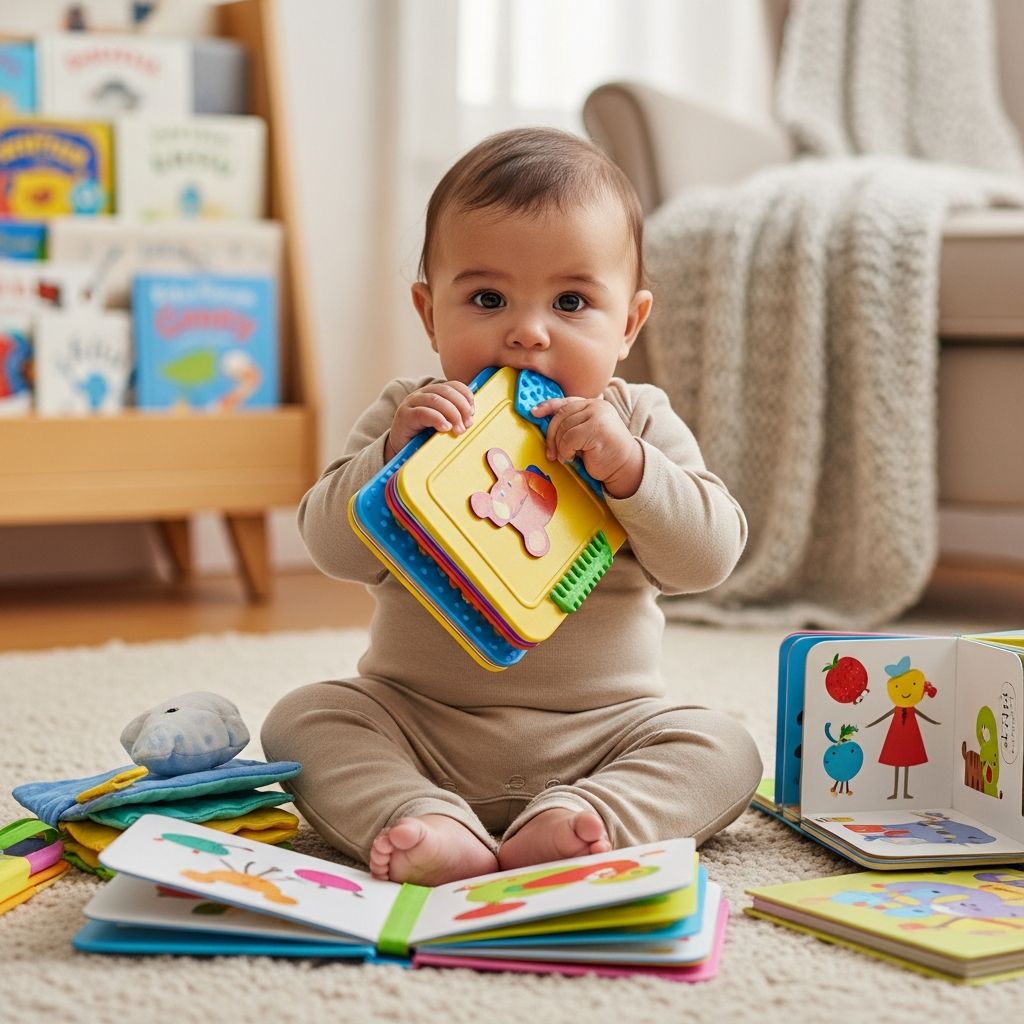
By three to six months, many babies are more alert and interested in grabbing, banging, and mouthing whatever they can reach—including books. This hands-on interaction is part of how they learn.
- Offer soft cloth books and sturdy board books your baby can safely chew.
- Let your baby pat, grab, and explore pages, even if that means skipping parts of the story.
- Point to and name simple objects: “ball,” “dog,” “mommy,” helping them connect words to images.
- Use short, frequent reading breaks throughout the day instead of expecting long story sessions.
Expect interruptions, page skipping, and lots of repetition. Following your baby’s interest keeps reading positive instead of feeling like a task.
Reading with Active Sitters and Crawlers (6–9 Months)
As babies learn to sit and perhaps crawl, they become more interested in interaction and surprise. Reading can turn into a playful game filled with anticipation and delight.
- Choose books with flaps, holes, or textures that invite your baby to touch and discover.
- Pause before lifting a flap or turning a page to build anticipation—many babies will squeal or reach in excitement.
- Use lots of expression: whisper, roar, or make animal sounds to keep stories lively.
- Invite simple participation: “Where’s the cat?” and then help them point, clap, or tap the image.
This is also a great time to introduce books that reflect everyday routines—bath time, mealtime, or bedtime—so your baby sees their own life in stories.
Reading with Emerging Communicators (9–12 Months)
Near the end of the first year, many babies start to point, babble in “conversation,” and show favorite pages. Reading can now be more interactive, with your baby as an active partner.
- Offer picture books with clear images of familiar objects, animals, food, and daily activities.
- Ask simple questions: “Where is the dog?” “Can you find the ball?” and pause to let them point or vocalize.
- Encourage them to help turn pages, even if it makes the story go out of order.
- Repeat favorite books as often as they want; children learn through joyful repetition.
These playful interactions strengthen both language and confidence, helping your baby feel like a capable participant in the story.
Building a Simple, Baby-Friendly Home Library
You don’t need a huge collection of books to support your baby’s love of reading. A modest “library” chosen thoughtfully and rotated regularly can feel fresh and exciting.
- Start with 10–15 sturdy books that cover faces, everyday objects, animals, routines, and simple stories.
- Store books in easy-to-reach baskets or low shelves so your baby can pull them out when ready.
- Rotate a few books out every couple of weeks and replace them with “new” ones from the closet, library, or friends.
- Include family photo books—homemade or printed—so your baby can see familiar people in “story” form.
Borrowing from the library, swapping with friends, or buying secondhand keeps things affordable while still providing variety.
Making Reading a Daily Ritual
The biggest factor in raising a child who loves books is not perfect technique or expensive titles; it is consistency. Frequent, predictable reading moments help your baby see books as a normal, comforting part of daily life.
- Link reading to existing routines: a story after waking, a picture book during snack, or a short read before nap or bedtime.
- Keep a small basket of books in several spots—near the nursing or feeding chair, by the changing table, and in the living area.
- Stay flexible: some days you may manage several books, other days only half a page. The habit matters more than the length.
- Invite other caregivers and siblings to share books too, creating a family culture of reading.
Over time, your baby will come to expect and enjoy these quiet pauses in the day, associating books with comfort and connection.
Encouraging Baby’s Independence with Books
Even before they can read, babies often enjoy “reading” on their own. This independent exploration supports concentration and early literacy in a playful way.
- Place a few safe, sturdy books on the floor where your baby plays so they can crawl over and explore at will.
- Accept and even celebrate chewing, banging, and page turning as part of normal book learning.
- Comment gently while they explore: “You found the doggy page!” without taking over the activity.
- Model your own reading nearby—magazines, novels, cookbooks—so they see that adults enjoy books too.
This self-directed time with books plants the seeds for future independent reading and a sense that books belong to them, not just to adults.
Common Concerns About Reading to Babies
Many parents have quiet worries about whether they’re doing reading “right.” In reality, babies need far less perfection and structure than parents often imagine.
- “My baby won’t sit still.” It is normal for babies to wiggle, look away, or crawl off mid-story. Keep reading in short bursts and follow their cues rather than insisting they stay put.
- “We read the same book every day.” Repetition is how babies learn. Familiar books build comfort, predictability, and early memory skills.
- “I’m not a good reader.” Your baby doesn’t care how expressive, fluent, or confident you feel. The warmth of your voice and presence matters far more.
- “We don’t have much time.” A few minutes here and there—during feeds, before naps, or while waiting for appointments—still add up.
Give yourself permission to treat reading as a flexible tool, not another rigid task on the parenting checklist.
Practical Tips for Stress-Free Story Time
Making reading enjoyable for both you and your baby increases the chances you’ll stick with it. Small changes in approach can turn a fussy story time into a soothing ritual.
- Follow your baby’s mood: choose lively, playful books when they’re alert and soft, gentle stories when they’re tired.
- Skip pages, shorten text, or paraphrase freely if attention is fading; you are not obligated to read every word.
- Use your whole body: rock, bounce, sway, or gently tap to the rhythm of the story.
- Keep a few “emergency” mini-books in the diaper bag or car for unexpected waits and meltdowns.
Over time, you will develop your own style of reading that fits your family’s personality and rhythms.
Sample Daily Reading Routine for the First Year
Every family’s schedule looks different, but this sample routine shows how reading can weave naturally into a typical day with a baby.
| Time of Day | Reading Moment | Book Type |
|---|---|---|
| Morning wake-up | Snuggle in bed or a comfy chair with a short board book. | Simple pictures of faces or high-contrast images. |
| Midday play | Floor time with a few books scattered among toys. | Interactive books with flaps, textures, or mirrors. |
| Before nap | Quiet story in a dim room to signal winding down. | Gentle, repetitive books or routine-based stories. |
| Evening | Family reading time where siblings and caregivers join. | Favorites your baby recognizes and requests with gestures. |
You can use this as inspiration and adapt it to your baby’s age, nap schedule, and family preferences.
Frequently Asked Questions About Books for Babies
How early should I start reading to my baby?
You can start reading from day one. Newborns won’t follow the story, but they benefit from hearing your voice, feeling your touch, and settling into a calm, predictable routine. There is no such thing as “too early” when it comes to introducing gentle, age-appropriate books.
How long should reading sessions be?
For infants, short and frequent is usually best. Aim for a few minutes several times a day rather than one long session. Watch your baby’s cues—when they turn away, fuss, or arch their back, it is time for a break, even if you have not finished the book.
Do I need special “educational” books?
Expensive or heavily marketed “educational” books are not necessary. Simple board books with clear images, everyday objects, and warm stories are highly educational because they build real-life connections and rich language exposure. Your presence, responsiveness, and warmth are what make any book truly enriching.
Is it okay if my baby chews on books?
Yes, chewing and mouthing are normal ways babies explore. Offer safe, sturdy books designed for infants, and expect some wear and tear. If a book becomes torn or unsafe, retire or repair it, but try not to treat gentle chewing as “bad” behavior.
What if I don’t enjoy reading aloud?
Many adults feel self-conscious about reading aloud, especially if they did not grow up with books themselves. You can start with very simple texts, talk about the pictures instead of reading every word, or sing parts of the story. Over time, most parents become more comfortable, and babies respond to the warmth of the interaction more than performance.
Do audiobooks or screens count as reading?
Audio stories and screen-based books can sometimes be useful tools for older children, but they are not a replacement for face-to-face reading with an infant. Babies learn best when they can see your facial expressions, feel your touch, and respond to your voice in real time. When possible, prioritize real books and real interactions during the first year.
Creating a Lasting Foundation for a Reading Life
Books for babies are not about early academic achievement or racing to teach letters. They are about shared moments of warmth, curiosity, and connection. When your baby associates reading with feeling safe and loved, a positive foundation is laid for all the learning to come.
By choosing simple, sturdy books, following your baby’s lead, and weaving reading into your everyday routines, you build not only language and literacy, but also a deep sense of security. Those quiet minutes with a book in your lap may someday become your child’s favorite memories—and a lifelong invitation to keep turning pages.