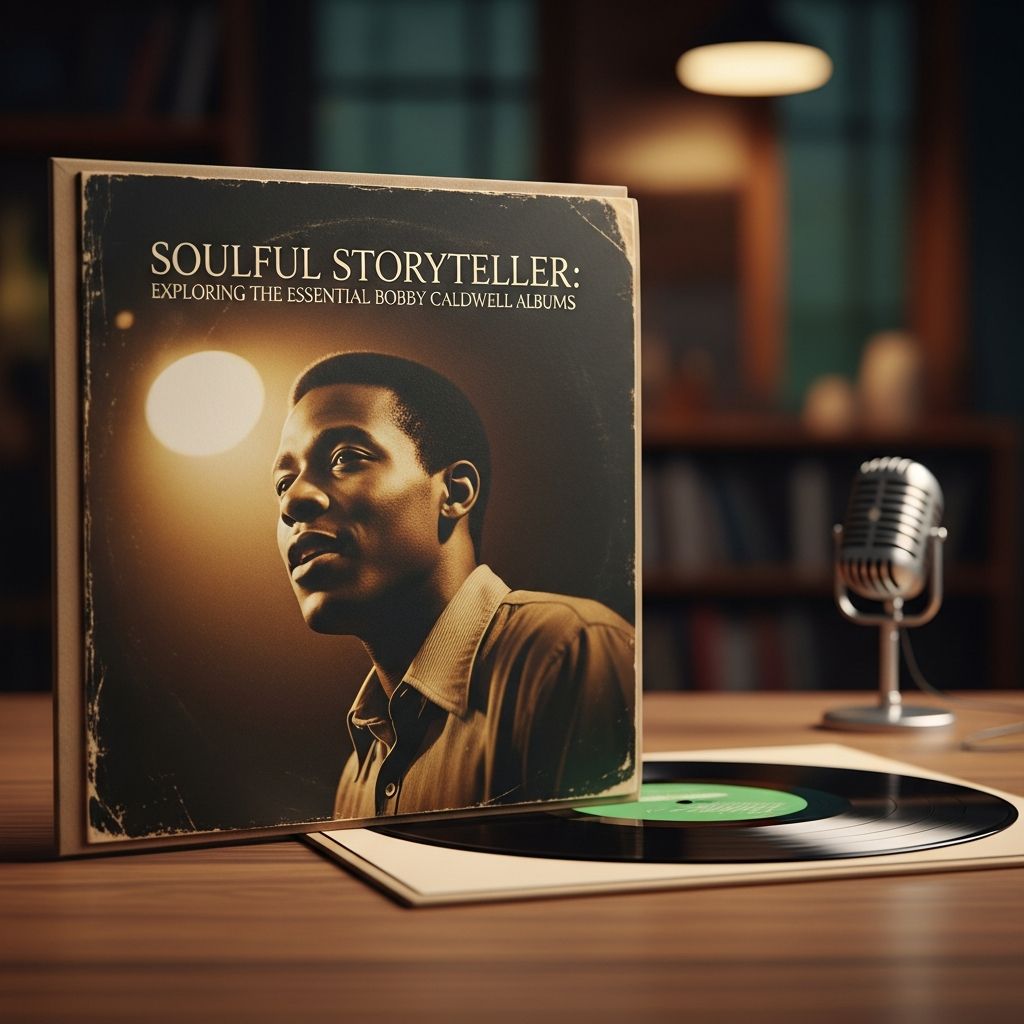
Bobby Caldwell’s catalog is a rich journey through soul, jazz, pop, and big band influences, anchored by a voice that sounds timeless on every recording. This guide highlights his most essential albums, shows how they connect, and helps you decide where to begin or what to rediscover next.
Why Bobby Caldwell’s Albums Still Matter
Bobby Caldwell occupies a rare space in popular music: a performer who could write classic songs, sing with emotional nuance, and reinvent himself across decades without losing his identity. His albums reward start-to-finish listening, revealing careful arrangements, subtle lyrics, and a deep respect for musical craft.
Whether you first met his music through a famous single, a hip-hop sample, or a late-night jazz station, exploring his albums in context reveals just how versatile and consistent he really was.
- He moved naturally from silky late-70s soul to early-80s pop-jazz and eventually to lush, big band projects.
- His records balance radio-friendly hooks with sophisticated harmony and orchestration.
- Many songs you know from other artists or samples began life on his albums.
Key Eras of Bobby Caldwell’s Recording Career
Rather than thinking only in terms of isolated records, it helps to see Caldwell’s work in eras. Each period has its own sound, production style, and emotional center, and certain albums serve as pillars within those eras.
| Era | Approx. Years | Dominant Style | Representative Albums |
|---|---|---|---|
| Breakthrough Soul-Pop | Late 1970s | Smooth soul, soft rock, R&B | Self-titled debut, early follow-ups |
| Jazz-Influenced Sophistication | Early–mid 1980s | Pop-jazz, adult contemporary, slick grooves | Studio albums with polished rhythms and hooks |
| Songwriter & Orchestral Soul | Late 1980s–1990s | Smooth jazz, orchestral, ballad-heavy sets | Heart-on-sleeve albums featuring strings and jazz players |
| Standards & Big Band | Late 1990s–2010s | Great American Songbook, swing, big band arrangements | Albums of standards and vintage-styled originals |
| Modern Collaborations | 2010s | Retro-soul meets contemporary production | Collaborative projects with younger artists |
The Definitive Starting Point: The Breakthrough Debut
Any conversation about Bobby Caldwell’s best albums begins with his breakthrough debut, the record that delivered his signature hit and established his reputation as a master songwriter. That album blends velvet-smooth vocals with an effortless mix of soul, jazz, and soft rock textures.
Beyond the famous single, the debut is packed with strong deep cuts, from late-night ballads to lightly funky mid-tempo tracks. Hearing the album front to back reveals how carefully the songs are sequenced and how cohesive the production feels.
Why This Album Is Essential
- Introduces his signature sound: warm Rhodes keyboards, tasteful guitar lines, and horn accents wrapped around a soulful vocal performance.
- Shows his range as a writer, from heartbreak torch songs to breezier, groove-based tunes.
- Laid the foundation for decades of reinterpretations, covers, and samples that kept his music in circulation.
Best for: New listeners who want one album that captures his essence and long-time fans who enjoy tracing his later ideas back to their starting point.
Slick Sophistication: Early 1980s Studio Highlights
In the early 1980s, Caldwell leaned further into jazz-inflected pop, polishing his sound without losing emotional depth. The albums from this period are compact, groove-driven, and full of hooks, making them perfect for fans of smooth jazz and adult contemporary.
Guitar, keyboards, and rhythm section lock into tight patterns, while horns and background vocals add color. The production is cleaner than on his debut, but the songs still carry the same melodic richness and subtle harmonic twists.
Hallmarks of This Era
- Up-tempo tracks with crisp drum grooves and bass lines that sit comfortably between R&B and jazz.
- Choruses that feel radio-ready but avoid cliché chord progressions.
- Lyrics that capture bittersweet romance, travel, and the tension between ambition and intimacy.
Best for: Listeners who love elegant, groove-oriented arrangements and want something a bit more polished than 1970s soul but more organic than modern programmed pop.
Deep-Feeling Ballads: Late 1980s and 1990s Masterpieces
As the 1980s wound down, Bobby Caldwell increasingly showcased his strengths as a balladeer and arranger. Albums from this period often use larger ensembles—string sections, horn sections, and veteran jazz musicians—to frame his voice in lush sonic landscapes.
This era also overlaps with the time when he was writing major hits for other artists, proving he could craft timeless material for both himself and others. The result is a run of albums that feel emotionally direct, carefully orchestrated, and endlessly replayable.
What Sets These Albums Apart
- Orchestral arrangements that give his ballads a cinematic sweep without overshadowing the vocals.
- Refined, mature songwriting dealing with long-term relationships, regret, and resilience.
- A smooth jazz influence that makes these albums fit perfectly alongside nighttime radio and candlelit playlists.
Best for: Fans of sophisticated ballads, smooth jazz, and singer-songwriters who lean toward classic pop craftsmanship rather than trends.
Standards and Swing: His Big Band Reinvention
At a point when many artists coast on their greatest hits, Caldwell pivoted into big band and standards territory. He tackled songs associated with icons like Frank Sinatra while also writing new material in a classic style, proving his vocal phrasing and timing could stand up in a more demanding setting.
These albums are drenched in horns, walking bass lines, and crisp drum fills. If you know him mainly as a soul singer, hearing him in front of a big band is a revelation: the same sensitivity appears, but with a swagger that recalls mid-century nightclub stages.
Why the Standards Era Matters
- Demonstrates his technical control as a vocalist—breath, diction, and swing feel are all on full display.
- Connects his work to the Great American Songbook, showing how his own writing fits within that lineage.
- Offers timeless listening: these albums sound less tied to any specific decade than much contemporary pop.
Best for: Listeners who enjoy crooners, jazz standards, or big band vocal albums, and want to hear a soul singer stretch into classic pop territory.
Late-Career Collaboration: Bridging Generations
In the 2010s, Caldwell stepped into a new collaborative phase, teaming up with younger producers and artists who were themselves influenced by his catalog. These projects blend retro-soul aesthetics with modern production touches like heavier drums, updated keyboard textures, and more contemporary song structures.
His voice, richer and more seasoned, sits comfortably in these new settings. The contrast between vintage songwriting sensibility and modern sonic choices makes these albums feel both nostalgic and fresh.
Key Features of the Collaborative Era
- Guest appearances by contemporary vocalists and musicians who grew up on his music.
- Production that nods to classic soul and R&B while still sounding current through groove design and mixing choices.
- Lyrics that often look back over love and life with reflective, sometimes playful perspective.
Best for: Fans of neo-soul and modern R&B who want an entry point into Caldwell’s world without feeling like they are stepping into a purely vintage soundscape.
How to Explore Bobby Caldwell’s Albums by Mood
Because his discography spans so many moods and styles, a mood-based roadmap can be more helpful than strict chronology. Use the table below as a quick guide to pick the right album for your current vibe.
| Mood | What to Look For | Album Traits to Favor |
|---|---|---|
| Romantic Night In | Slow to mid-tempo love songs, warm production, intimate vocals | Ballad-heavy albums from his late-1980s and 1990s output, plus choice cuts from the debut |
| Sunday Afternoon Chill | Laid-back grooves, jazz harmony, melodic solos | Early-1980s records with smooth rhythm sections and horn embellishments |
| Vintage Lounge Atmosphere | Swing feel, standards, lush big band arrangements | Standards and big band era albums recorded in the late 1990s and 2000s |
| Discover the Roots of Samples | Recognizable chord progressions, memorable hooks, mid-tempo soul | Breakthrough debut plus select follow-ups that were popular sources of samples |
| Modern Yet Retro | Updated drums and keys, guest features, retro-soul vibe | Collaborative releases from the 2010s that merge classic and contemporary R&B |
Underrated Corners of His Catalog
While the debut and a handful of radio favorites get most of the spotlight, several albums and tracks live just below the surface of mainstream recognition. These underrated corners often show Caldwell experimenting—whether with arrangement choices, lyrical perspectives, or studio techniques.
Exploring these projects can reset your sense of what he was capable of, revealing surprising grooves, unexpected chord changes, or narrative songs that feel almost cinematic.
- Japan-favored releases that lean into jazz-pop sophistication with particularly strong rhythm section work.
- Albums where he took on more of the instrumental duties himself, showcasing his multi-instrumental chops.
- Later projects that blend standards with original songs written to sound like they came from a different era.
Essential Bobby Caldwell Albums at a Glance
To summarize the journey, the following table organizes his most important albums by function: where to begin, what to play for guests, and which to savor when you are ready to go deeper. It is not a complete discography, but a listening blueprint.
| Album Role | Era | Primary Strengths | Ideal Listener Situation |
|---|---|---|---|
| Signature Introduction | Late 1970s | Defining hit single, soulful ballads, tight songwriting | First-time listeners or fans sharing his music with friends |
| Smooth Groove Showcase | Early 1980s | Jazz-flavored pop, sleek production, catchy choruses | Background music for gatherings, road trips, or light workdays |
| Romantic Ballad Centerpiece | Late 1980s–1990s | Orchestral arrangements, emotional vocals, mature themes | Intimate evenings, reflective solo listening |
| Standards & Swing Statement | Late 1990s–2000s | Big band energy, classic songcraft, vocal finesse | Dinner parties, jazz nights, or fans of classic crooners |
| Modern Collaboration Gem | 2010s | Retro-meets-modern production, guest features, revitalized sound | Neo-soul fans and listeners curious about his influence on today’s artists |
Tips for Appreciating His Albums More Deeply
Bobby Caldwell’s music rewards close listening. The more attention you give to details—chord choices, instrumental lines, phrasing—the richer the albums feel. Here are a few simple ways to slow down and let the records sink in.
- Listen with good headphones: Many arrangements tuck subtle keyboard fills, string lines, or background vocal harmonies into the mix.
- Follow recurring themes: As you move across albums, notice how he revisits ideas of devotion, distance, and second chances from slightly different angles.
- Compare versions: If a song appears in more than one arrangement or live version, study how tempo and instrumentation change its emotional effect.
- Explore covers and samples: Hearing how other artists reinterpret his songs highlights just how sturdy his melodies and chord progressions are.
Frequently Asked Questions About Bobby Caldwell’s Albums
Which Bobby Caldwell album should a new listener start with?
Most listeners start with his breakthrough debut, because it includes his most well-known hit and represents his core sound. After that, it makes sense to branch out to the smoother early-1980s albums and then into his ballad-heavy 1990s work.
Are his big band and standards albums only for jazz fans?
Not at all. While those albums do lean into jazz and swing traditions, they are structured around accessible melodies and clear storytelling, much like his soul recordings. If you already enjoy his voice, hearing it in a big band setting is more of an expansion than a departure.
Why do so many hip-hop and R&B artists sample his songs?
Producers are drawn to his warm chord progressions, expressive harmonies, and tightly constructed grooves. Those elements translate beautifully into loops, giving modern tracks a sense of depth and nostalgia that is hard to manufacture from scratch.
Did he write songs for other artists as well?
Yes. Beyond his own albums, Bobby Caldwell contributed songs to a variety of well-known performers across pop, rock, and R&B. Exploring those recordings alongside his original versions offers fascinating insight into how his writing can be interpreted in different voices.
Is his later work as essential as the early hits?
His early albums may be more widely known, but the later material shows a deepening of craft, especially in vocal nuance and arrangement. Fans who take the time to explore these records often discover new favorites that rival the classics in emotional impact.
Bobby Caldwell’s discography is more than a handful of beloved singles. It’s a decades-long conversation between soul, jazz, and classic pop, carried by a voice that made every song feel personal. By exploring his essential albums across eras and moods, listeners can trace an artist who never stopped refining his sound while staying true to an unmistakable musical identity.