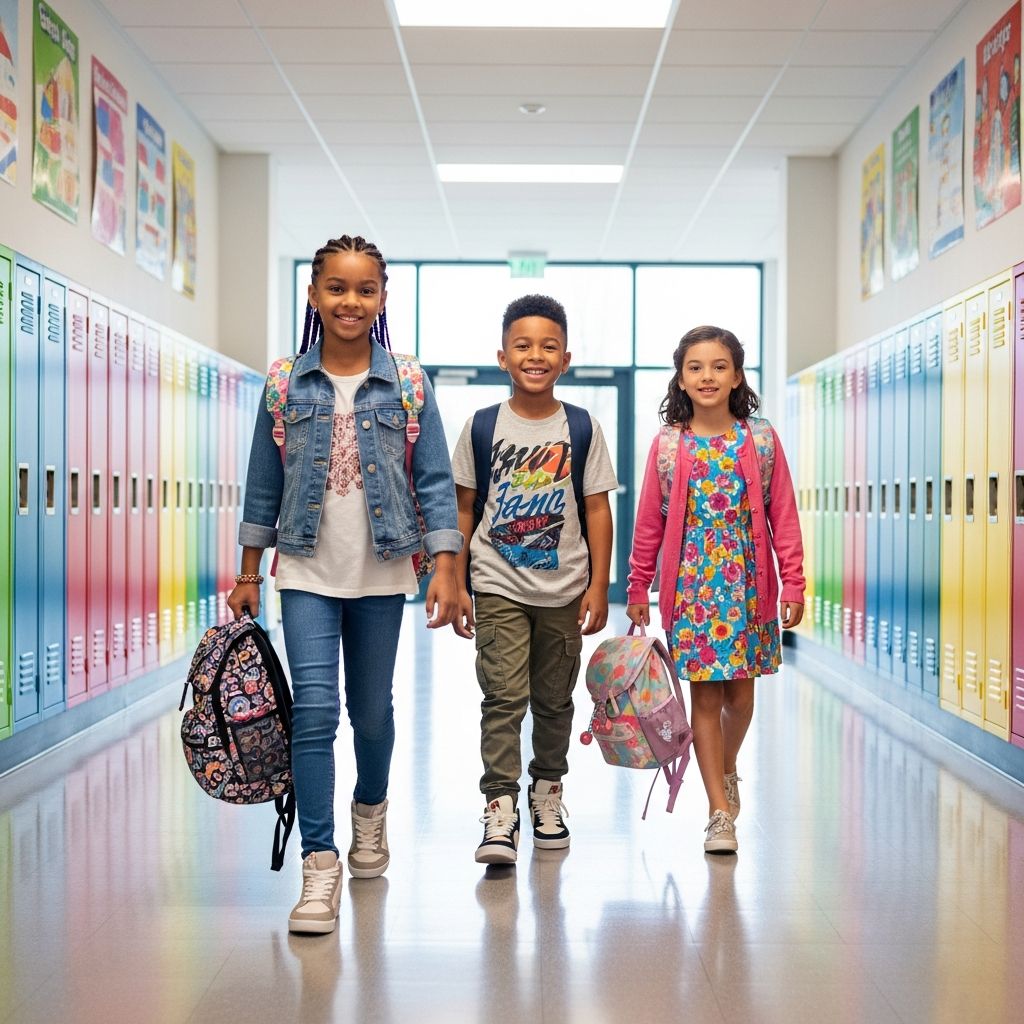
Back-to-school clothing shopping can feel like a full-time job, especially when kids outgrow or outwear their clothes between every semester. This guide walks you through how to choose the best retailers, build a mix-and-match wardrobe, and shop smarter so your child looks great and you stay on budget.
Why Back-to-School Clothing Feels So Overwhelming
When a new school year approaches, parents juggle supply lists, registration forms, and suddenly too-short jeans. Clothing can be one of the most expensive and stressful pieces of the puzzle, particularly if you have multiple children or a strict dress code to follow.
The key to cutting the chaos is shifting from impulse shopping to a simple, repeatable strategy. Choosing the right retailers, planning ahead, and focusing on a small but hard-working wardrobe can save time, money, and a lot of last-minute panic.
Step One: Take Inventory Before You Shop
Before browsing any retailer, start by looking in your child’s closet. Many parents discover perfectly good items hiding behind outgrown clothes or seasonal pieces.
- Pull everything out and sort into: still fits, too small, damaged, and “not my style anymore.”
- Check for specific dress code requirements: collar shirts, neutral colors, no logos, or specific lengths.
- Note what actually gets worn: comfy favorites say more about what you should buy than any catalog photo does.
Once you know what you already have, create a short list of true gaps. This prevents you from buying yet another pair of jeans when what you really needed was hoodies and socks.
What Makes a Kid-Friendly Clothing Retailer?
Not all kids’ clothing retailers are created equal. Some win on price but lose on durability, while others shine in style but fail on comfort or fit. Evaluating retailers on a few core criteria helps you avoid buying clothes that fall apart or never get worn.
Key factors to consider
- Durability: Can the clothes handle playground time, art class, and frequent washing?
- Comfort: Are fabrics soft, breathable, and tagless or lined to avoid sensory irritation?
- Fit consistency: Do sizes run predictably from season to season and across styles?
- Price and value: Are you paying for quality, or just a logo and marketing?
- Return policy: Can you easily return or exchange if something doesn’t fit?
- Ethical and eco practices: Does the store offer organic, sustainable, or fair-trade options?
Types of Retailers Parents Rely On
Different families solve back-to-school clothing in different ways. Most end up using a mix of retailer types to balance cost, convenience, and style. Understanding each category helps you build the right combination for your needs.
| Retailer Type | Best For | Typical Pros | Typical Cons |
|---|---|---|---|
| Big-box & discount chains | Stretching a tight budget | Low prices, frequent sales, one-stop shopping | Quality can vary, trendy pieces may not last the full year |
| Children’s specialty stores | Kid-friendly fits and styles | Consistent sizing, good basics, kid-appeal designs | Can be more expensive without coupons or sales |
| Department stores | Families wanting a mix of brands | Wide selection, mid-to-higher quality options | Overwhelming choice, prices fluctuate heavily |
| Online-only brands | Busy parents and unique styles | Convenient, broad size ranges, niche styles | Fit guesswork, returns take more effort |
| Secondhand & consignment | Eco-conscious and budget-focused families | Lower prices, sustainable, chance to score premium brands | Inconsistent inventory, requires more hunting |
Building a Versatile School Wardrobe
A strong back-to-school wardrobe doesn’t need to be huge. Aim for a small collection of pieces that can mix and match so your child can get many outfits from a limited number of items.
How to think in outfits, not items
- Choose a simple color palette (for example: navy, gray, white, plus one bright accent).
- Pick basics that go with everything: solid tees, neutral pants, cardigans, and leggings.
- Add a few “fun” pieces: graphic tees, printed skirts, or statement sneakers that still coordinate with the basics.
This approach helps you say “yes” mainly to pieces that work with at least three other items your child already owns, multiplying outfit options without multiplying cost.
Budget Strategies for Smart Retailer Choices
Good retailers help, but the way you shop matters just as much. Even higher-priced stores can be budget-friendly when used strategically, and discount retailers can waste money if you buy more than you need.
Practical budget tips
- Set a per-child budget: Decide on a total amount before shopping and divide it into categories like tops, bottoms, shoes, and outerwear.
- Buy the uniform pieces first: Replace essentials like jeans, uniform pants, solid tees, and underwear before browsing “fun” items.
- Use price alerts and email lists: Many retailers offer first-time signup discounts or app-only sales.
- Time your buying: Stock up on basics during big seasonal sales, then fill small gaps midyear as kids grow.
Online vs. In-Store: Which Is Better for Kids’ Clothes?
Most families blend online and in-store shopping. Each has strong advantages, and the right mix depends on your schedule, your child’s sensory needs, and how predictable a retailer’s sizing is.
Pros of in-store shopping
- Kids can try items on for size, which helps if they are between sizes or picky about texture.
- You can feel the fabric, check stitching, and see true colors before buying.
- Instant gratification: no waiting for shipping or managing returns.
Pros of online shopping
- Easier to compare prices, read reviews, and check size charts.
- Often larger selections and extended sizes that never make it to stores.
- Convenient for busy parents; you can shop after bedtime or during breaks.
A helpful approach: visit a favorite retailer in person once to test sizing and fabric, then reorder future seasons online with more confidence.
How to Judge Quality Without a Fashion Degree
Most parents don’t have time to analyze every seam, but a quick quality check can prevent disappointment later. A few seconds in the aisle or at home can reveal whether an item is worth buying or returning.
Quick quality checklist
- Gently tug at seams: they should feel secure, not stretchy or uneven.
- Check fabric weight: very thin knits may twist, stretch out, or wear holes quickly.
- Look at care labels: if something must be hand-washed or dry-cleaned, it may not be practical for school.
- Examine prints and graphics: peeling or sticky-feeling prints may crack after a few washes.
Shopping for Kids With Sensory Needs
For children who are sensitive to seams, tags, or certain fabrics, choosing retailers with sensory-friendly options is crucial. Comfort can influence attention, behavior, and confidence in the classroom.
- Look for tagless labels, flat seams, and soft, stretchy waistbands.
- Consider seamless socks and soft, unstructured shoes for kids who struggle with stiff materials.
- Let your child help choose fabrics: some prefer smooth jersey, others like brushed cotton or fleece.
Once you identify a retailer whose clothes your sensory-sensitive child loves, consider buying multiple colors or sizes in a favored style, especially when sales hit.
Ethical and Eco-Friendly Options
Many families want to balance budget concerns with environmental and ethical values. While not every purchase can be perfectly sustainable, small changes add up over time.
Ways to make more responsible choices
- Prioritize quality over quantity: one durable hoodie that lasts all year is better than three that fall apart.
- Explore secondhand: thrift stores, consignment shops, and online resale platforms extend garments’ life.
- Look for organic cotton, recycled materials, or brands that share clear information about their supply chains.
- Donate or resell outgrown pieces so other families can benefit.
Sample Back-to-School Capsule Wardrobe
A capsule wardrobe is a small collection of items that all work together. The specifics will vary by climate and dress code, but the idea is universal: fewer pieces, more outfits.
| Category | Suggested Number | Notes |
|---|---|---|
| Short-sleeve tops | 5–7 | Mix of solids and a few prints; easy to layer under cardigans or hoodies. |
| Long-sleeve tops | 3–5 | Great for cooler classrooms and transitional weather. |
| Pants/jeans/leggings | 4–6 | Neutral colors that pair with every top help reduce outfit battles. |
| Shorts or skirts | 2–4 | Consider dress code rules on length and fit. |
| Dresses (if worn) | 2–3 | Casual styles that work with leggings and sneakers are most versatile. |
| Outer layers | 2–3 | Light hoodie, cardigan, and a weather-appropriate jacket. |
| Shoes | 2–3 pairs | Everyday sneakers, optional dress shoes, and weather-specific boots or sandals. |
| Undergarments & socks | 7–10 each | Enough to last through the week without emergency laundry. |
Planning for Growth Spurts
Kids rarely stick to a neat, predictable growth schedule, which makes long-term planning tricky. A thoughtful retailer strategy can soften the impact of sudden growth spurts.
- When buying pants, check if the waistband is adjustable or elastic to allow room to grow.
- For jackets and sweaters, consider sizing up one size if sleeves can be rolled comfortably without looking sloppy.
- Avoid buying too far ahead by season; a growth spurt can turn “next year’s clothes” into “never worn.”
Involving Kids in the Shopping Process
Clothing is part of your child’s identity, especially in school where peers notice everything. Involving kids in reasonable, age-appropriate choices helps avoid morning battles and unworn items.
- Offer a curated set of options you can live with, then let your child choose from that group.
- Ask them which fabrics they like and which colors they feel confident wearing.
- Set clear boundaries on price or number of items, but give them freedom within those limits.
Frequently Asked Questions About Back-to-School Clothing Retailers
How early should I start back-to-school clothes shopping?
Starting 4–6 weeks before school begins usually offers a good balance between selection and sales. Shopping too early can lead to buying the wrong sizes, while waiting until the last minute limits stock and size availability. For essentials like socks, underwear, and uniforms, you can stock up whenever you find a good sale, regardless of season.
Is it worth paying more for higher-quality kids’ clothes?
Paying more makes sense for items that must last the entire school year or be handed down to younger siblings, such as coats, sturdy shoes, and backpacks. For trend-driven pieces that may only be loved for a season, lower-cost options are often perfectly adequate. Blending a few quality staples with budget-friendly extras usually delivers the best value.
How do I handle different dress codes at multiple schools?
If you have kids in schools with different requirements, separate their wardrobes physically to avoid mix-ups during rushed mornings. Prioritize neutral basics that overlap both dress codes when possible, then add a few unique pieces for each child’s specific rules. Labeling uniforms and using color-coded hangers can also help everyone grab the right items quickly.
What should I look for in a retailer’s return policy?
A parent-friendly return policy allows returns or exchanges for fit issues within a reasonable timeframe and accepts unworn, unwashed items with tags attached. Free or low-cost return shipping is helpful for online orders, while in-store returns give you flexibility without mailing anything back. Keep digital receipts or store emails in a dedicated folder so you can access them quickly if something doesn’t work.
How do I avoid overbuying when sales are tempting?
Go into every sale with a written list of needs, not just a general intention to “stock up.” Ask yourself whether each item works with at least three other pieces your child already owns and whether it fits within the season’s budget. Remember that another sale will always come along, but closet space and kids’ attention spans for any given style are limited.
Making Retailers Work for You
The best back-to-school clothing retailers are the ones that fit your real life: your budget, your child’s comfort, your schedule, and your values. When you combine a clear plan, a small but powerful wardrobe, and a smart mix of retailers, shopping becomes far less stressful and much more intentional.
Over time, you’ll discover a handful of go-to stores that consistently deliver on quality, price, and style for your family. Once you do, you can lean on those favorites each school year, adjusting only for new sizes, changing tastes, and the occasional growth spurt surprise.