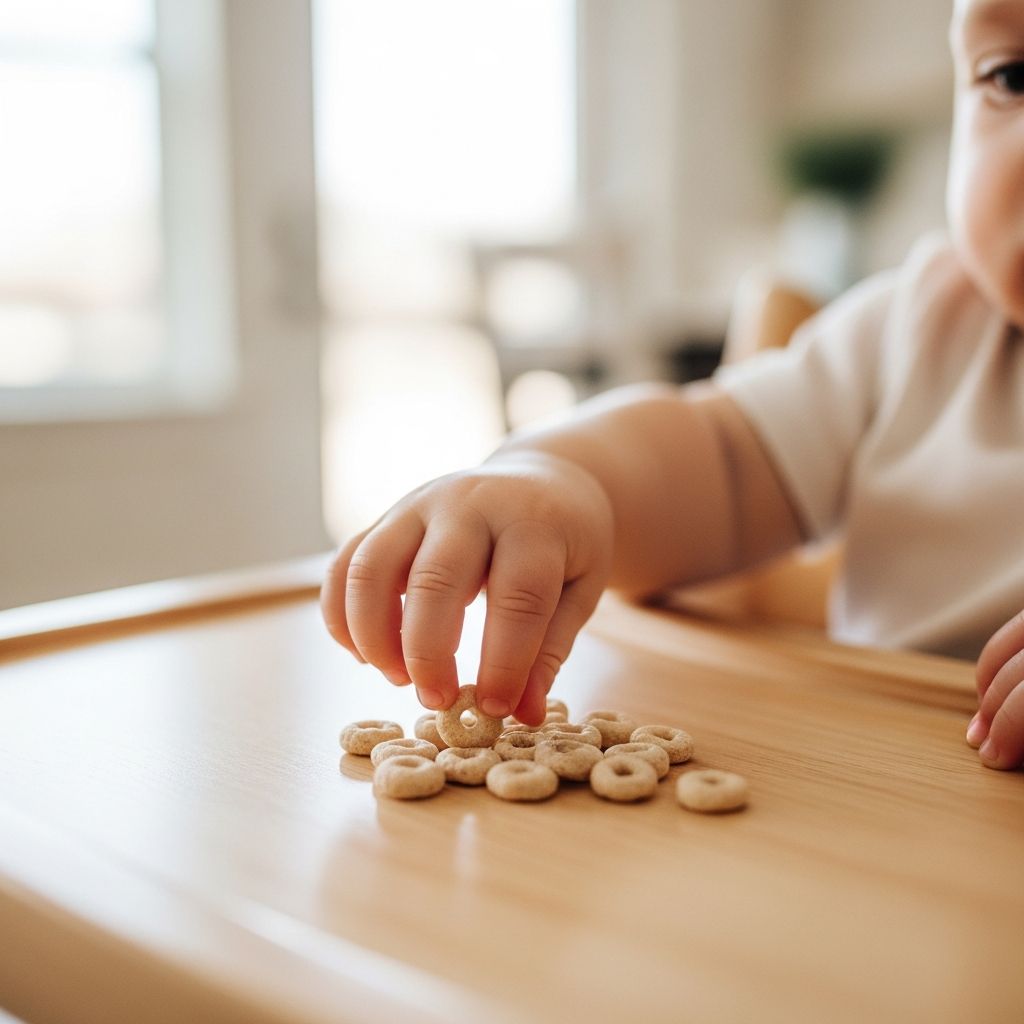
Teething can turn an otherwise cheerful baby into a fussy, drooling, chew-on-everything explorer. A thoughtfully chosen baby teether can help redirect that chewing instinct, protect household items, and offer your little one real comfort.
Understanding the Teething Phase
Most babies begin teething sometime between 4 and 7 months of age, though the timing varies widely. Early signs often include extra drooling, a strong urge to bite or chew, mild irritability, and more frequent night waking.
Because babies naturally explore with their mouths, a teether provides a safe, sanitary object to chew on instead of car keys, their crib rails, or anything they find on the floor. It can also give caregivers peace of mind during a challenging developmental stage.
Why Teethers Help Babies
Teethers support babies in several ways beyond simple gum relief. They can promote oral exploration, help develop fine motor skills, and sometimes even strengthen pre-feeding muscles.
- Gentle pressure on gums: Biting down can temporarily counteract the discomfort caused by erupting teeth.
- Cooling relief: Many teethers can be chilled (in the refrigerator, not the freezer) to add a soothing temperature component.
- Sensory input: Different textures and shapes keep babies engaged and support tactile development.
Common Types of Baby Teethers
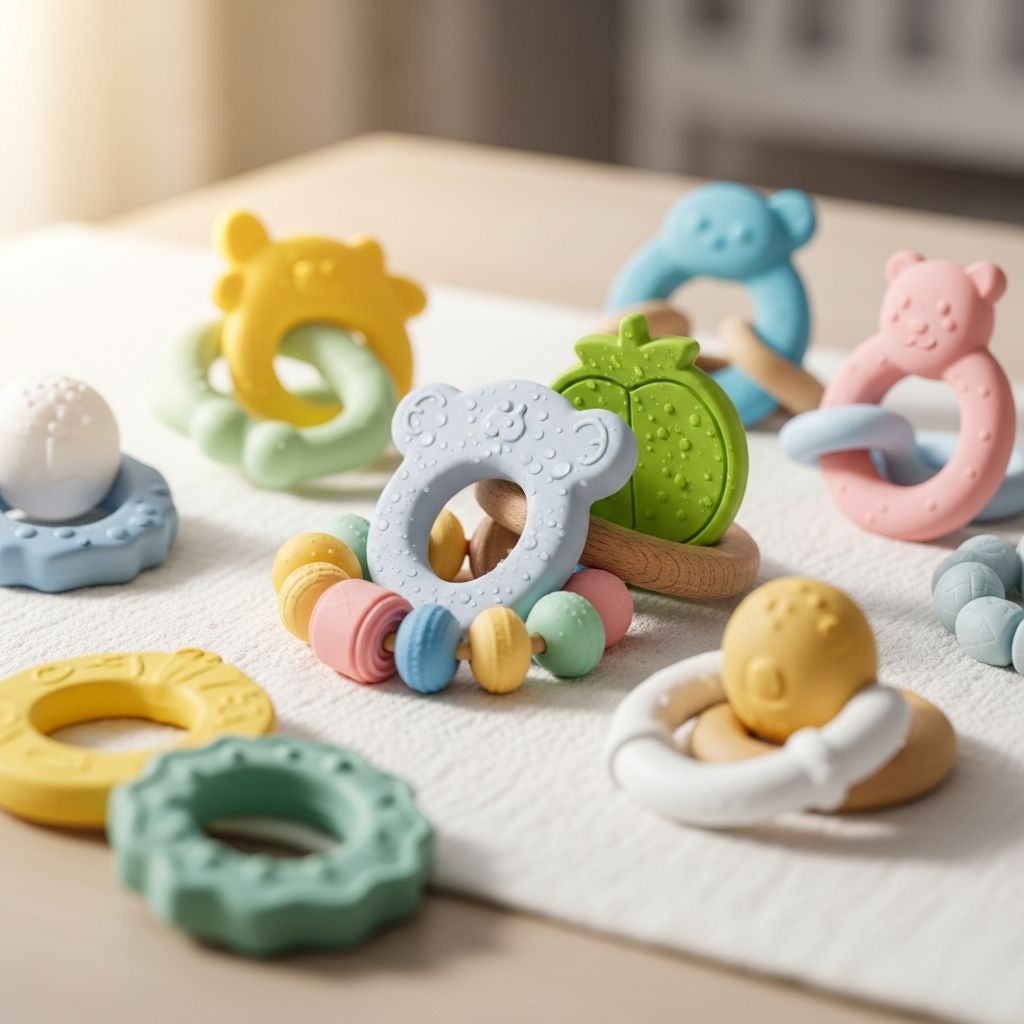
Teethers come in many shapes and formats, and there is no single “best” option for every baby. Understanding the main categories helps you match a product to your child’s age and preferences.
Classic Teething Rings
Ring-style teethers are simple circles or looped shapes that babies can grasp from multiple angles. They often feature raised textures to massage sore gums.
- Easy for small hands to hold and rotate.
- Can be used at various stages, from early teething until toddlerhood.
- Available in solid designs or with multiple interconnected loops for added interest.
Textured Silicone Teethers
Silicone teethers are popular because they combine flexibility with durability. Food-grade silicone is typically soft on baby gums but sturdy enough to withstand repeated chewing.
- Comes in a wide variety of shapes, from simple sticks to animal characters.
- Often dishwasher-safe for easy cleaning.
- Non-porous surfaces tend to harbor fewer germs when cleaned properly.
Wooden and Natural Material Teethers
Some families prefer teethers made from natural materials such as untreated wood or fabric. These can be especially appealing for those who want to avoid plastics.
- Provide a firmer chewing surface compared with silicone.
- Often combined with organic cotton or other fabrics for added texture.
- Require careful maintenance to prevent splintering or mold.
Water- or Gel-Filled Teethers
Certain teethers contain a sealed core filled with water or gel that can be chilled for extra cooling relief. Parents must check them frequently for any sign of damage or leaks.
- Can offer stronger cooling than solid teethers when properly chilled.
- Should only be placed in the refrigerator, not the freezer, to avoid becoming too hard.
- Need consistent inspection to ensure the outer shell remains intact.
Wearable and Hand-Mitten Teethers
Some designs wrap around a baby’s hand or wrist so they can chew without needing to grasp a toy. These are especially useful for younger infants who have not yet mastered coordinated hand-to-mouth movements.
- Stay close to baby even when dropped.
- Can help protect hands from constant chewing and sucking.
- Often combine soft fabric with textured silicone or rubber areas.
Key Safety Considerations for Teethers
Safety is the most important factor when choosing any product for a baby to put in their mouth. A cute design should never outweigh a solid safety profile.
- Avoid choking hazards: The teether should be large enough that it cannot fit entirely into the mouth and must not have small, detachable parts.
- Look for non-toxic materials: Choose products labeled as free from BPA, phthalates, PVC, lead, and other concerning chemicals.
- Check construction: Ensure seams, joints, and attachments are secure, and avoid designs that could easily tear or break.
- No neck cords: Teethers should never be hung around a baby’s neck due to strangulation risk.
Materials: Pros and Cons Overview
Different materials offer different benefits and drawbacks. The table below provides a quick reference before you finalize your choice.
| Material | Main Benefits | Potential Drawbacks | Best For |
|---|---|---|---|
| Food-grade silicone | Soft yet durable; easy to clean; non-porous surface | Can attract lint/dust if not stored properly | Everyday chewing, a wide age range |
| Natural wood | Very sturdy; firm pressure on gums; eco-friendly appeal | Requires more care; must stay smooth and dry to avoid damage | Babies who prefer harder textures |
| Water-/gel-filled | Cooling relief when refrigerated; engaging sensation | Risk of leakage if damaged; needs frequent inspection | Short bursts of relief under close supervision |
| Fabric plus textured surface | Soft to hold; offers mixed sensory experience | Fabric can trap moisture and require frequent washing | Babies who like cuddly textures |
How to Choose a Teether for Your Baby
Rather than hunting for a universal “best” teether, it helps to think in terms of matching a product to your baby’s stage, personality, and daily routine. A few guiding questions can simplify the decision.
- How old is your baby, and how well can they grasp and manipulate objects?
- Do they seem to prefer soft, flexible items or firmer surfaces?
- Will the teether mainly be used at home, or do you want one that clips to a stroller or diaper bag (without cords near the neck)?
- How much time can you realistically devote to cleaning and maintenance?
Features Worth Prioritizing
Once you narrow down your preferred material, compare products by their specific features. Small design details can make a big difference in daily use.
- Easy-grip handles: Thinner sections, loops, or built-in grips help babies hold on without frustration.
- Varied textures: Ridges, bumps, and smooth areas allow babies to self-select what feels best.
- Straightforward cleaning: Simple shapes with minimal crevices reduce the risk of trapped residue.
- Lightweight design: A lighter teether is easier for younger babies to control and less likely to bump their face.
Cleaning and Caring for Teethers
Because teethers spend so much time in a baby’s mouth and on the floor, a consistent cleaning routine is essential. Always follow the manufacturer’s instructions first, since not all materials tolerate the same methods.
- Wash silicone and many plastic teethers with warm soapy water or in the top rack of the dishwasher if allowed.
- Wipe wooden teethers with a damp cloth and dry thoroughly; some can be conditioned with food-safe oils as recommended.
- Launder fabric components frequently, ideally in a mesh bag to protect them in the wash.
- Inspect for cracks, tears, or rough edges regularly and replace any teether that shows signs of wear.
Using Cold for Extra Comfort
Chilling a teether can enhance its soothing effect, but it is important to do this safely. Extremely cold or frozen items can be too hard and may hurt delicate gums.
- Chill teethers in the refrigerator, not the freezer.
- Test the temperature on your inner wrist before offering it to your baby.
- Limit very cold use to short sessions and alternate with room-temperature options.
Non-Teether Teething Comfort Ideas
Teethers are helpful tools, but they are not the only way to soothe sore gums. Many caregivers use a combination of strategies throughout the day.
- Gently massage your baby’s gums with a clean finger.
- Offer a cool, damp washcloth for supervised chewing.
- For babies eating solids, serve cool (not frozen) soft foods like applesauce or yogurt, as recommended by your pediatrician.
- Comforting contact, such as extra cuddles and rocking, can also ease teething-related fussiness.
Signs a Teether Should Be Replaced
No teether lasts forever. Knowing when to retire one protects your baby and helps prevent accidents before they happen.
- Visible cracks, tears, or dents in silicone or plastic.
- Worn, splintering, or rough edges on wooden surfaces.
- Dark spots, odors, or discoloration that suggest mold or trapped residue.
- Loose parts, rattles, or attachments that no longer feel secure.
Frequently Asked Questions About Baby Teethers
When should I introduce a teether?
Many parents introduce a teether as soon as their baby begins showing early teething signs, such as chewing on fingers and increased drooling. Always supervise your baby with any new item and follow age recommendations on the packaging.
How many teethers does a baby need?
A small rotation of two to four teethers is usually enough. This allows for different textures and shapes while still keeping cleaning and storage manageable.
Can my baby sleep with a teether?
It is safest to remove teethers, toys, and loose objects from the crib once your baby is asleep, especially in the first year. Offer the teether during awake, supervised playtime instead.
Are homemade or DIY teethers safe?
Homemade teethers can be risky because they may not meet safety standards for size, materials, or construction. If you use any DIY option, be extremely cautious about small parts, finish coatings, and cleanliness.
What if my baby refuses the teether?
Some babies simply do not enjoy traditional teethers. In that case, try different textures, shapes, or temperatures, and rely more on gum massages, cool washcloths, and extra cuddling as your baby works through the teething phase.
Helping Your Baby Through Teething with Confidence
Teething can be an exhausting season, but the right teether turns constant chewing into a safer, more comfortable activity. By focusing on safe materials, thoughtful design, and good hygiene, you can give your baby reliable relief while also protecting their developing mouth.
Ultimately, the “best” teether is the one your baby actually enjoys using and that you feel confident offering day after day. With patience, supervision, and a bit of trial and error, you will find a teething routine that works well for both of you.