New parents quickly discover that baby skin is both delightful and delicate. A good baby lotion can help keep that tiny skin soft, hydrated, and protected, but the sheer number of options can feel overwhelming. This guide walks you through how baby skin works, what to look for in a lotion, what to avoid, and how to build a simple, safe skincare routine.
Why Baby Skin Needs Special Care
Baby skin is not just a smaller version of adult skin—it is still developing and needs extra protection. The outermost barrier is thinner and loses moisture more quickly, which is why dryness and flakiness are so common in the first months of life. Newborns are also more prone to irritation from fragrances, harsh soaps, and rough fabrics.
Because the skin barrier is still maturing, it can absorb more of what is put on it compared with adult skin. That makes ingredient quality especially important. Choosing a gentle, purpose-made baby lotion helps support this barrier, lock in moisture, and minimize irritation from the environment, washing, and diaper changes.
Key Benefits of Using Baby Lotion
A well-formulated baby lotion does more than just make skin feel soft. Used correctly, it supports overall skin health and can even make bedtime and bath time more soothing for your little one.
- Hydration: Replenishes moisture lost through frequent baths, dry indoor air, or cold weather.
- Barrier support: Helps strengthen the skin’s natural protective layer, reducing roughness and micro-cracks.
- Comfort: Soothes dry patches that can itch or feel tight, making babies less fussy and more comfortable.
- Bonding: Massage with lotion provides skin-to-skin contact that promotes bonding and relaxation.
Understanding Common Lotion Ingredients
Product labels can read like a chemistry textbook, but most baby lotions follow a similar pattern: a blend of water, oils or butters, humectants that attract moisture, and a small amount of preservatives to keep the formula stable. Knowing the basic categories helps you quickly assess whether a lotion might suit your baby.
| Ingredient Type | Examples | What It Does for Baby Skin |
|---|---|---|
| Humectants | Glycerin, hyaluronic acid | Draw water into the outer skin layers to keep them plump and hydrated. |
| Emollients | Shea butter, cocoa butter, jojoba oil | Soften and smooth rough areas, making skin feel supple. |
| Occlusives | Plant oils, certain waxes | Form a light barrier on top of the skin to slow moisture loss. |
| Soothing botanicals | Aloe, calendula, chamomile | Help calm red, easily irritated skin when used in gentle concentrations. |
| Preservatives | Varied | Prevent mold and bacteria growth in water-based products. |
Skin-Friendly Ingredients Many Parents Appreciate
While every baby is different, some ingredients are widely used and valued for their gentle, moisturizing qualities. Look for these on product labels when you are narrowing down your options.
- Shea butter: A rich, plant-based butter known for deep moisture and a creamy texture, often used in lotions meant for very dry skin.
- Sweet almond oil: A light, nourishing oil that helps maintain softness without feeling overly greasy when used in moderation.
- Coconut oil (in lotion form): Commonly added to lotions for its smoothing and hydrating properties, especially in dry climates.
- Aloe vera: Frequently included in baby products for a cooling, soothing feel, especially after baths.
- Oat or colloidal oatmeal extracts: Often recommended for sensitive or easily irritated skin due to their calming, protective qualities.
Ingredients You May Want to Limit or Avoid
Not every ingredient that looks unfamiliar is harmful, but certain categories are more likely to cause issues for delicate skin. If your baby has a history of sensitivity, allergies, or eczema, being extra careful with these is especially important.
- Heavy synthetic fragrance: Strong added scents are a common cause of redness, rashes, and itchiness in infants.
- Harsh alcohols: Some types of alcohol can be drying when used in higher amounts, making flaky patches worse.
- Unnecessary dyes or colorants: Color is rarely needed in a baby lotion and can introduce an extra source of irritation.
- Overly complex formulas: Very long ingredient lists may increase the chance that something will not agree with your baby’s skin.
Matching Lotion Type to Your Baby’s Skin
No single lotion is perfect for every child. Observing how your baby’s skin behaves through the seasons can help you pick the right texture and formula. Think about dryness level, sensitivity, and whether there are any specific concerns like rough patches or mild eczema (always managed with a pediatrician’s input).
| Skin Type or Concern | Texture to Consider | Helpful Features |
|---|---|---|
| Normal skin | Light lotion or milk | Balanced blend of water and oils, no strong fragrance. |
| Very dry or flaky skin | Richer cream | Includes butters and occlusive oils for longer-lasting moisture. |
| Sensitive skin | Minimalist formula | Limited ingredients, fragrance-free, gentle preservatives. |
| Seasonal dryness (winter) | Cream or thicker lotion | Extra emollients and oils, possibly labeled for cold weather. |
How to Read Baby Lotion Labels with Confidence
Labels often emphasize marketing phrases such as “natural” or “gentle,” but they do not always tell the full story. Focusing on a few key parts of the label can give you a clearer picture than slogans alone.
- Start with the first five ingredients: These typically make up the bulk of the formula. Look for water, plant oils, butters, and humectants rather than a string of harsh-sounding synthetics.
- Scan for fragrance: If added scent is present, consider choosing a fragrance-free or lightly scented product, especially for newborns.
- Look for plain language clues: Statements like “for sensitive skin” or “fragrance-free” can be helpful, but always confirm by checking the ingredient list itself.
When and How Often to Apply Baby Lotion
Timing and technique matter as much as product choice. Overusing products is not usually necessary, but skipping moisturizer in dry conditions can leave skin tight and uncomfortable. A balanced routine is ideal for most babies.
- After bath time: This is the best moment to apply lotion, while the skin is still slightly damp and pores are open from the warm water.
- Dry patches during the day: If you notice rough spots on cheeks, elbows, or legs, a small amount of lotion can be dabbed on between baths.
- Seasonal adjustments: In winter or in very dry climates, daily application may be helpful; in humid seasons, your baby might need lotion less frequently.
Step-by-Step: Gentle Baby Lotion Routine
A simple, repeatable routine helps you avoid both under- and over-moisturizing. It can also become a soothing ritual your baby comes to enjoy and expect.
- Prepare the space: Lay a soft towel on a flat surface and have the lotion and a clean diaper within reach.
- Pat, do not rub, after the bath: Gently pat your baby’s skin with a towel so it is no longer dripping but still slightly moist.
- Warm the lotion in your hands: Pump a small amount into your palms and rub them together to warm it, which can be more comfortable for your baby.
- Use gentle, sweeping motions: Apply in long strokes along arms, legs, tummy, and back, avoiding the eye area and any broken skin unless guided by a healthcare professional.
- Observe the skin: Watch for any redness, bumps, or signs of discomfort in the next 24 hours. If you see irritation, stop using that product and consult your pediatrician if needed.
Baby Lotion and Special Skin Conditions
Many babies experience temporary skin issues such as cradle cap, newborn acne, or mild eczema-like dryness. While a general lotion can help maintain moisture, specific conditions should be discussed with a pediatrician or dermatologist.
- Eczema-prone skin: Often benefits from thicker creams designed to support the skin barrier, but these should be selected with professional guidance.
- Cradle cap: Typically involves the scalp, where oils and gentle brushing are often more important than lotion.
- Persistent rashes: Should always be evaluated by a healthcare provider before adding new products.
Indoor Climate, Seasons, and Lotion Choice
Environmental factors play a larger role in baby skin comfort than many parents expect. Central heating, air conditioning, and shifts between indoor and outdoor temperatures can all influence dryness. Adjusting your lotion choice with the seasons can keep your routine effective without overcomplicating it.
- Cold, dry winters: A cream with richer emollients may help prevent chapping on cheeks and legs.
- Hot, humid summers: Lightweight, non-greasy lotions are often enough, and in some cases, simply using fewer products works best.
- Heated indoor air: Consider running a humidifier and pairing it with a consistent lotion routine to offset moisture loss.
Building a Minimal, Effective Baby Skincare Kit
More products rarely mean better care. A focused approach reduces clutter, cuts down on costs, and gives you a clearer sense of which product is doing what. Start with just a handful of essentials, then add only if a clear need appears.
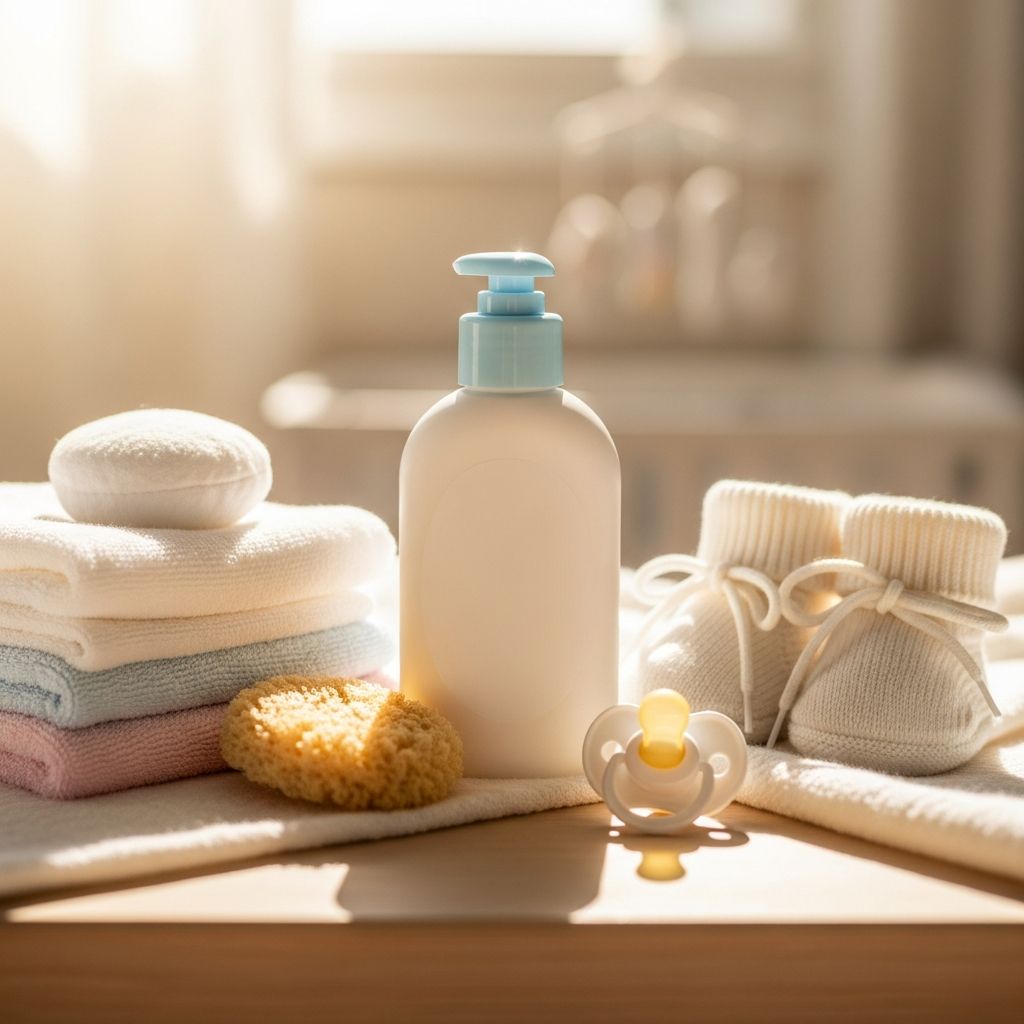
- Mild, baby-safe wash or cleanser.
- One primary baby lotion suitable for daily use.
- A heavier cream or ointment if your pediatrician recommends it for very dry areas.
- Diaper cream, which serves a different purpose than lotion and is used in the diaper area only.
Frequently Asked Questions About Baby Lotion
Is lotion safe for newborns?
In most cases, gentle baby lotion is safe for newborns, but many parents find that the youngest babies need very little additional moisture beyond what their skin naturally provides. If your newborn’s skin looks comfortable and only mildly flaky, you may not need daily lotion right away. For premature babies, or if there is a history of skin issues or allergies, it is always best to ask your pediatrician before starting any product.
How can I tell if a lotion is irritating my baby’s skin?
Signs of irritation can include redness that does not fade quickly, raised bumps, increasing roughness, or your baby appearing unusually fussy when the product is applied. If you suspect a reaction, stop using the lotion immediately and switch back to plain water for cleansing while you wait to speak with your pediatrician. In the future, you can test new products on a small area of skin first and watch for changes over 24 hours.
Do babies really need fragrance-free lotion?
Fragrance-free products are often recommended because scent components are a common source of sensitivity. Some babies tolerate light, gentle fragrance without problems, but others develop rashes or itchiness. If you enjoy scented products yourself, consider keeping your baby’s lotion unscented and using mild fragrance only in your own skincare, which limits what comes in direct contact with their skin.
Can I use my own body lotion on my baby?
Adult body lotions are usually not formulated with infant skin in mind. They may contain higher levels of fragrance, active ingredients designed for anti-aging, or exfoliating acids that are too strong for a baby. Using a dedicated baby lotion or a product clearly labeled as suitable for infants is a safer choice, especially in the first year of life.
How long will one bottle of baby lotion last?
How long a bottle lasts depends on the size of the container, how often you apply it, and whether you are using it for full-body coverage or just on dry spots. Many families find that a moderate-size bottle used mainly after baths will last several months. As your baby grows and you adapt the routine to the seasons, you might go through products faster in winter and more slowly in warmer months.
Final Thoughts: Keep It Simple and Gentle
Choosing baby lotion does not have to be complicated. Focus on a short, understandable ingredient list, skip heavy fragrances, and choose a texture that matches your child’s skin and climate. Once you find a product that keeps your baby comfortable without causing redness or rashes, there is no need to keep experimenting—consistency is one of the best gifts you can give their developing skin.