Baby carriers offer parents a practical way to keep infants close while freeing up their hands for daily tasks. These devices promote bonding, soothe fussy babies, and enable mobility during outings or household chores. With numerous styles available, selecting the right one involves considering your baby’s age, your body type, usage frequency, and safety priorities. This guide breaks down key aspects to help you make an informed choice.
Understanding Baby Carrier Fundamentals
At its core, a baby carrier distributes your child’s weight across your body to minimize strain. Effective carriers maintain an ergonomic ‘M’ shape for the baby’s hips, supporting spine development as recommended by health experts. They come in various designs suited to different ages, from newborns to toddlers weighing up to 45 pounds.
Key benefits include enhanced parent-infant attachment through skin-to-skin contact, which can regulate a baby’s heart rate and temperature. Studies from pediatric organizations emphasize that proper babywearing supports healthy posture and reduces reflux episodes in infants.
Exploring Carrier Varieties
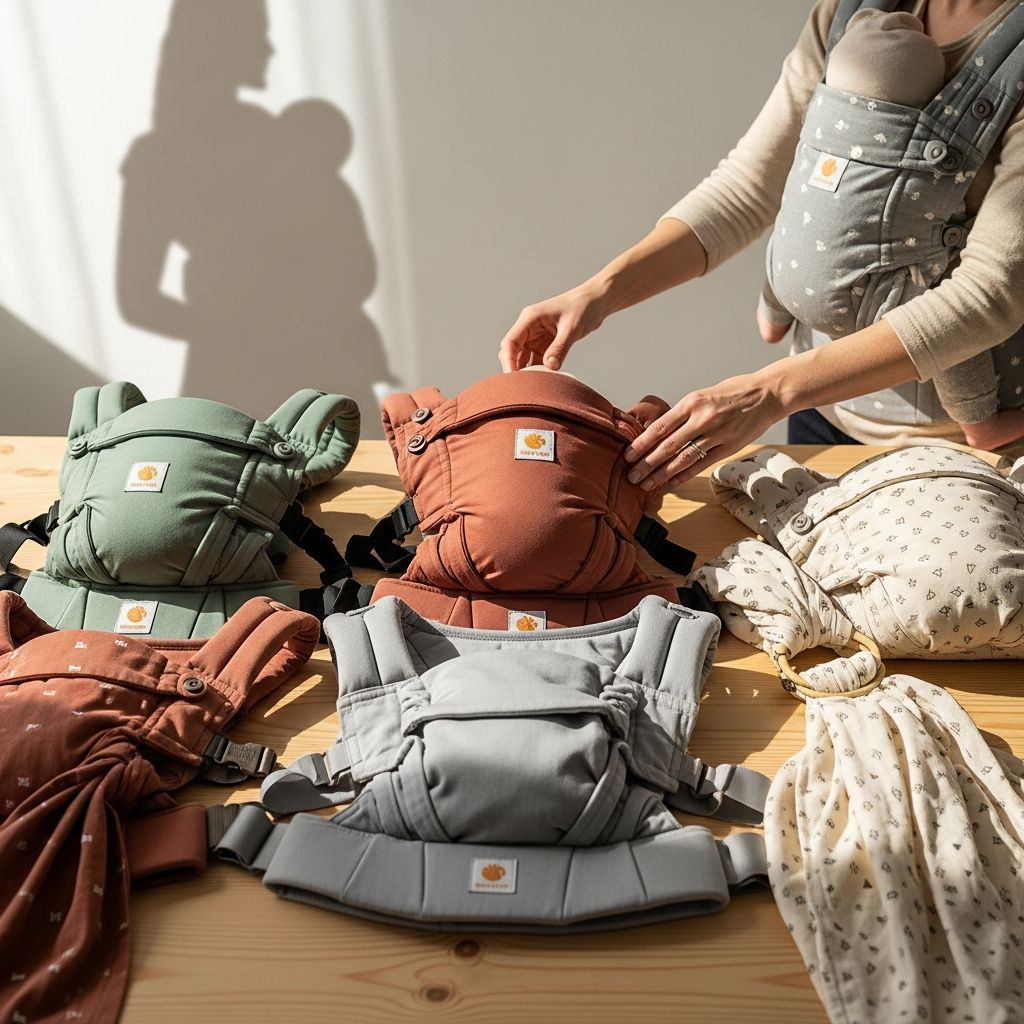
Baby carriers fall into several categories, each with unique advantages. Understanding these helps match the right product to your lifestyle.
- Wraps and Slings: Fabric-based options that tie around the body. Ideal for newborns due to customizable fit and gentle support. Examples include stretchy wraps like the Boba Wrap, praised for ease in early months.
- Soft Structured Carriers (SSCs): Feature padded straps, buckles, and a structured panel. Versatile for front, back, or hip carries, suitable from infancy with inserts. Brands like Ergobaby and BabyBjorn dominate this space.
- Mei Tais and Poh Mei Tais: Asian-inspired carriers with fabric body and ties. Offer adjustability without hardware, balancing simplicity and support for babies 8-35 pounds.
- Soft Carriers and Hybrid Models: Blend wrap softness with buckle ease. The Ergo Embrace exemplifies this, rolling up compactly for on-the-go use.
- Frame Carriers: Hiking-oriented with rigid frames for older babies. Less common for everyday but excellent for outdoor adventures.
| Type | Best For | Weight Range | Pros | Cons |
|---|---|---|---|---|
| Wraps | Newborns | 7-25 lbs | Custom fit, lightweight | Learning curve |
| SSCs | Infants-Toddlers | 7-45 lbs | Easy adjust, multiple positions | Bulkier |
| Mei Tais | 8+ months | 8-35 lbs | Breathable, no buckles | Tie adjustments needed |
| Hybrids | All stages | 7-45 lbs | Versatile, portable | May need sizing |
Prioritizing Safety in Your Choice
Safety is non-negotiable. Look for carriers certified by the International Hip Dysplasia Institute (IHDI), ensuring the ‘M’ position for hips and legs. The Consumer Product Safety Commission (CPSC) mandates labels warning against use with infants under a certain weight or without head support.CPSC guidelines stress clear airways and secure holds.
Additional checks include sturdy stitching, weight-appropriate fabrics, and instructions for proper positioning. Avoid carriers with dangling parts that could pinch or restrict breathing. Always follow the TICKS rule: Tight, In view at all times, Close enough to kiss, Keep chin off chest, Supported back.
Factors for Optimal Comfort
Comfort affects long-term use. For parents, wide padded shoulder straps and waistbands distribute weight evenly, reducing back pain. Adjustable panels accommodate growing babies and diverse body shapes.
Baby comfort relies on soft, breathable materials like cotton or mesh for airflow. Features like hoods for naps or sun protection add versatility. Test carriers with your baby’s weight using dolls if possible.
Matching Carrier to Baby’s Age and Size
Newborns (0-6 Months)
For tiny ones, prioritize head and neck support. The Momcozy WeeSnug stands out as IHDI-certified for newborns, offering cozy positioning without inserts. Stretchy wraps like Solly Baby provide instinctive holds mimicking the womb.
Infants (6-12 Months)
As babies gain strength, structured options shine. The Tula Free-to-Grow adjusts seamlessly from infant to toddler, earning high marks for seat comfort and fabric quality.
Toddlers (1+ Years)
Back carries become feasible. Wildbird Aerial excels here with its supportive design for extended wear, favored by parents of multiples.
Practical Considerations for Everyday Use
Think about your routine: Frequent washers need machine-washable models. Travel demands lightweight, packable designs. Budgets range from $40 wraps to $200 premium SSCs.
Durability matters; reinforced seams withstand daily pulls. Ventilation panels suit warm climates, while fleece-lined options help in cooler weather.
Top Recommendations from Real Parents and Experts
Based on rigorous testing, standout models include:
- Best for Newborns: Momcozy WeeSnug – Affordable, safe, cozy fit.
- Best Overall: Wildbird Aerial – Superior comfort for all-day use.
- Best Budget: Momcozy Newborn Carrier – Feature-packed under $70.
- Best Versatile: Tula Free-to-Grow – Grows with baby, ergonomic excellence.
- Best Wrap: Boba Wrap – Simple, effective for early bonding.
- Best Hybrid: Ergo Embrace – Portable and adjustable.
Caring for Your Baby Carrier
Extend lifespan with proper maintenance. Spot-clean fabrics daily; machine wash on gentle cycles with mild detergent. Air dry to preserve elasticity. Store flat to avoid strap creases.
Common Pitfalls to Avoid
Don’t overlook fit—poor adjustments lead to slippage or discomfort. Skip untested secondhand carriers without full instructions. Ignore age/weight limits at your peril; exceeding them risks injury.
Frequently Asked Questions (FAQs)
Can all carriers be used from birth?
Not all; many SSCs require newborn inserts. Opt for IHDI-approved wraps or dedicated newborn models for safest starts.
How long can I wear my baby in a carrier daily?
Monitor for overheating or fussiness; breaks every 1-2 hours recommended. Healthy babies tolerate 4-6 hours with proper positioning.
Are baby carriers safe for babies with reflux?
Yes, upright positions can alleviate symptoms. Ensure chin-off-chest placement for airway clearance.
What’s the difference between a wrap and a sling?
Wraps use long fabric tied around; slings are shorter, often ring-adjusted for quick use.
Do carriers help with postpartum recovery?
They encourage gentle movement and bonding, but consult your doctor for pelvic floor considerations.
Choosing a baby carrier transforms parenting by blending convenience with closeness. Weigh your needs against these insights for a joyful babywearing journey.
References
- Best Baby Carrier for Newborn: Safe & Cozy Picks for 2026 — Momcozy. 2026. https://momcozy.com/blogs/babycare/best-carrier-for-newborn
- Best Baby Carriers and Wraps 2026 – My Top Picks as a Mom of 6! — Imperfect Homemaking. 2026. https://www.imperfecthomemaking.com/best-baby-carriers
- The Best Baby Carriers | Tested & Ranked — BabyGearLab. 2026. https://www.babygearlab.com/topics/getting-around/best-baby-carrier
- The Top 3 Best Baby Carriers to Make Your Life Easier — Bump and Glow. 2026. https://bumpandglow.ca/the-3-best-baby-carriers-to-make-your-life-easier/
- Safe Use of Baby Carriers — U.S. Consumer Product Safety Commission. 2017-10-12. https://www.cpsc.gov/s3fs-public/5000.pdf