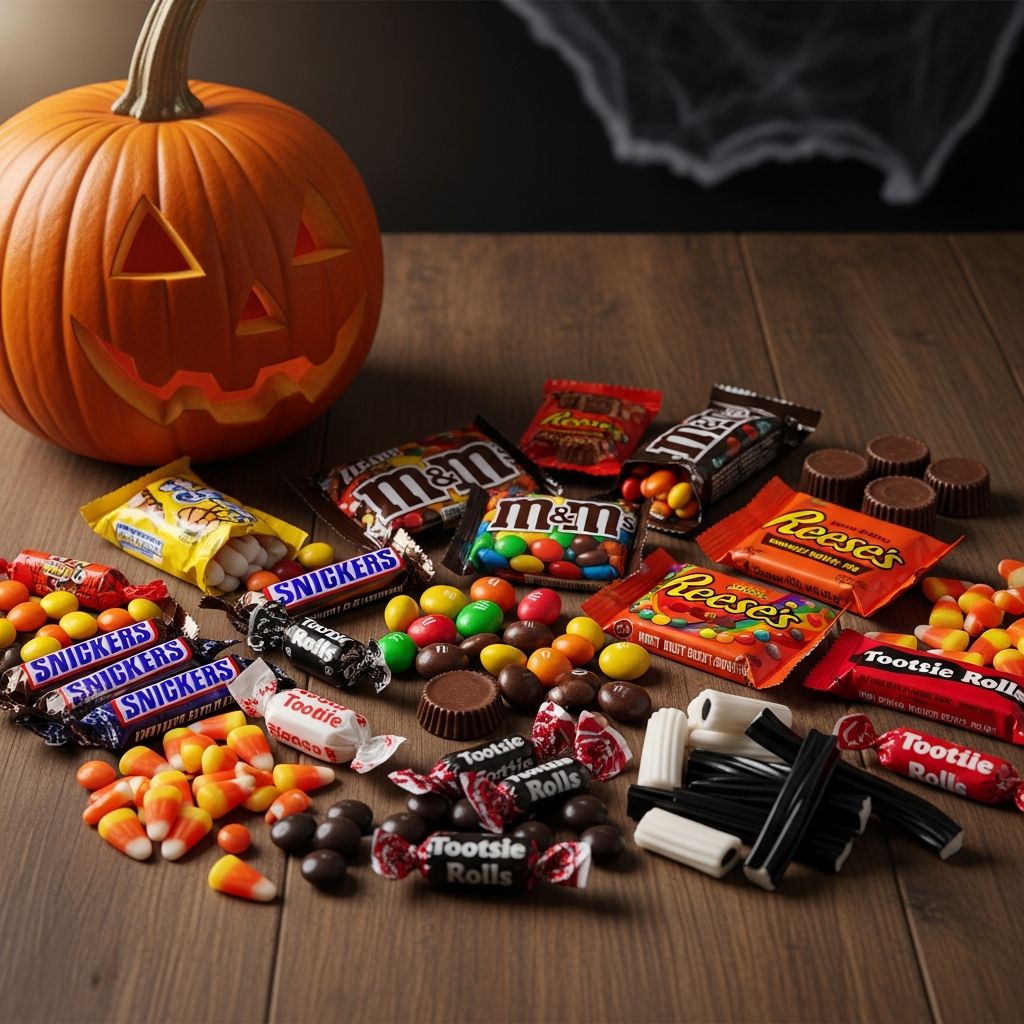
Halloween candy inspires surprisingly strong opinions. Some treats disappear from the bowl before the doorbell even rings; others sit untouched until Thanksgiving, only to be quietly tossed. This guide takes inspiration from that annual love–hate debate and turns it into a practical, parent-friendly look at which candies kids cheer for, which they trade away, and how to make slightly better choices without spoiling the fun.
Why Halloween Candy Sparks Such Strong Feelings
From a kid’s point of view, Halloween is about freedom: no dress code, no bedtime, and a bag full of sugar. Adults, meanwhile, see ingredients labels, dental bills, and sugar crashes. Both perspectives are valid. Candy is meant to be a once-in-a-while treat, and nutrition experts emphasize moderation rather than perfection—especially at holidays.
Public health guidance consistently encourages limiting added sugars for kids, but it does not demand banning candy outright. The American Heart Association recommends that children consume less than about 25 grams (6 teaspoons) of added sugar per day, and to avoid sugary drinks entirely in most cases. Balancing that advice with Halloween excitement is the challenge this guide aims to help with.
Types of Halloween Candy: What’s in the Bowl?
Before ranking “best” and “worst,” it helps to group candies into broad families. These categories often predict both kid appeal and nutritional downsides.
- Chocolate bars and minis – Think tiny versions of popular bars: nougat, caramel, wafer, nuts, and chocolate coatings.
- Peanut and nut-based candies – Chocolates filled with peanut butter or whole nuts, which add some protein and fat.
- Fruity chewy candies – Gummy or chewy pieces in bright colors and sour or fruity flavors.
- Hard candies and lollipops – Slow-dissolving sweets you suck rather than chew.
- Gum and novelty candies – Bubble gum, powdery treats, and other non-chocolate oddballs.
Kids tend to have strong brand loyalties within each group, but there are patterns: chocolate often feels more “special,” while brightly colored fruit candies win with younger kids and sour-flavor fans.
Kid Favorites vs. Trade-Bait: How Candy Really Ranks
Every household has its own mini candy economy. Some pieces are hoarded, others swapped, and a few quietly left behind. While personal tastes vary, parents generally report three broad categories of kid response.
1. The “Jackpot!” Candies
These are the treats that light up a child’s face when they hit the trick-or-treat bag. They’re often name-brand, chocolate-based, and familiar from TV ads and birthday parties.
- Mini chocolate bars with caramel, nougat, or wafers
- Peanut butter cups and peanut/nut-filled chocolates (for kids without allergies)
- Colorful chocolate candies (small coated chocolate pieces, often in fun-size pouches)
Why kids love them:
- Instant recognition – Kids know exactly what they’re getting.
- Texture variety – Crunch, chew, and melt-in-your-mouth chocolate.
- Perceived value – Mini bars feel “bigger” and more substantial than tiny hard candies.
2. The “It’s Fine, I Guess” Middle Tier
These candies get eaten eventually but rarely spark arguments among siblings over who gets the last one.
- Plain chocolate squares or simple bars without fillings
- Standard chewy fruit candies
- Sour candies that appeal to a specific subset of kids
- Basic lollipops with single flavors
They’re safe, familiar, and reasonably likable—but not usually anyone’s number one.
3. The Bottom of the Bag
Then there are the candies kids groan about or abandon in the bowl: off-brand mystery chews, ultra-stale taffy, plain hard candies that look like something from a waiting room dish, or flavors that feel more “grandma” than “Halloween.”
- Unbranded or generic hard candies in plain wrappers
- Old-fashioned flavors that most modern kids don’t recognize
- Chalky, powdery sweets that crumble more than they satisfy
- Anything visibly melted, crushed, or stuck to the wrapper
Kids often treat these as currency for trades—three “boring” candies for one chocolate mini—if they bother with them at all.
Nutrition Reality Check: Best and Worst from a Health Lens
From a purely health perspective, there is no truly “healthy” Halloween candy. Some, however, are less intense sugar bombs than others. Several nutrition analyses rank popular candies by calories, sugar, fat, and even a bit of protein and fiber.
How Different Candies Compare
The table below illustrates how sample fun-size candies can differ nutritionally. Values are approximate and based on typical nutrition labels for small or fun-size pieces.
| Candy Type (Fun-Size or Mini) | Approx. Calories | Approx. Sugar (g) | Approx. Fat (g) | Notes |
|---|---|---|---|---|
| Nut-filled chocolate mini (e.g., peanut chocolate) | ~90–100 | ~9–10 | ~4–5 | Contains a bit of protein and sometimes trace fiber from nuts. |
| Plain chocolate mini bar | ~40–80 | ~5–10 | ~3–5 | Mostly sugar and fat; some have small amounts of protein. |
| Fruit-flavored chewy candies | ~60–110 | ~14–24 | 0 | High in sugar; little or no protein or fat. |
| Hard candies or lollipops | ~25–60 | ~6–15 | 0–1 | Mostly sugar; low volume per piece, but eaten slowly. |
| Small powdered or chalky candies | ~20–30 | ~5–6 | 0 | Lower calories per piece; often less satisfying. |
Some ranking systems consider candies with a little protein or fiber slightly better because they may help with fullness, while heavily sugary, fat-free candies can spike sugar quickly with no satiety. Still, experts stress that candy is an occasional indulgence, not a nutritional strategy.
“Better-Than-Average” Candy Choices (If You Care About Nutrition)
If you want to fill your bowl with items kids actually want while keeping an eye on nutrition, some styles of candy edge ahead of others.
- Nut-based chocolates – Candies made with peanuts or other nuts provide a bit of protein and fat, which may help kids feel fuller compared with pure sugar sweets. These are only appropriate in settings where nut allergies are not a concern.
- Smaller portions of chocolate – Single mini pieces or individually wrapped small chocolates allow portion control and often land in the “jackpot” category with kids.
- Lower-calorie hard or powdered candies – Tiny rolls or single hard candies can have fewer calories per piece, although kids may counter by eating more.
Keep in mind that lower-calorie does not automatically mean “best” for kids. A single more satisfying chocolate mini may be less likely to trigger a grab-another impulse than a handful of low-calorie hard candies.
Tricky Treats: Candies That Are Rough on Teeth
From a dental perspective, the stickiness and time-in-mouth of candy matter as much as its sugar level. Public health and dental organizations emphasize that sugary foods which linger on teeth or are consumed slowly over long periods are more likely to contribute to cavities.
Particularly tough on teeth:
- Very sticky candies – Chewy caramels, taffy, and gummy candies tend to cling to teeth, letting bacteria feed on that sugar for a long time.
- Hard candies sucked for minutes – Holding a sweet in the mouth for extended periods continually bathes teeth in sugar.
- Sour candies – These can be both sugary and acidic, potentially weakening enamel before bacteria even get involved.
Compared with those, a small chocolate that melts and is swallowed quickly may be somewhat less damaging, especially if followed by water or toothbrushing.
How Much Is Too Much? Practical Guidelines for Parents
One night of trick-or-treating will not make or break your child’s health. The bigger issue is what happens to the leftover haul over the next week or two. Here are realistic strategies many families use:
- Set a daily limit – Allow a few pieces after dinner for several days instead of unrestricted grazing.
- Pair candy with real food – Offering treats after a balanced meal can soften blood sugar spikes and help kids feel fuller.
- Encourage water – A glass of water after candy helps rinse the mouth and supports hydration.
- Brush before bed – On Halloween night and the days that follow, a thorough brushing and flossing routine matters more than ever.
- Use a trade-in system – Some parents let kids swap a portion of their candy for a small toy, book, or outing.
These approaches respect kids’ excitement while aligning with public health recommendations to limit added sugars overall.
Ideas for Thoughtful Handouts (That Kids Won’t Hate)
If you want to stand out on the block—in a good way—consider a mix of treats that balance fun, flavor, and a bit of restraint.
- Mix it up – Offer a bowl with both chocolate minis and fruity favorites so kids can choose.
- Include some smaller items – Individually wrapped, lower-calorie pieces help when kids are making trades at home.
- Provide allergy-friendly options – Keep a separate bowl of non-nut, clearly labeled candies for kids with allergies.
- Non-food extras – Glow sticks, stickers, or small pencils can be surprisingly popular and avoid sugar entirely.
A bit of variety also prevents your leftovers from being a mountain of the same candy that nobody really likes.
Frequently Asked Questions (FAQs)
What is the “healthiest” Halloween candy to give out?
No candy is truly healthy, but options with fewer calories and some protein or fiber are considered slightly better. Nut-based chocolate pieces offer small amounts of protein and sometimes fiber, while tiny rolls or hard candies tend to be lower in calories per piece. Even so, nutrition experts stress that Halloween candy should be viewed as an occasional treat, not a health food.
Are chocolate candies better than fruity gummies?A: From a dental standpoint, chocolate may be somewhat less harmful than very sticky gummies because it melts and rinses away more easily. Sticky or very chewy candies can cling to teeth and feed cavity-causing bacteria for longer periods, especially if kids don’t brush soon afterward. Nutritionally, both are mostly sugar, though nut-filled chocolates may provide a bit of protein and fat.
Q: How many pieces of Halloween candy is reasonable per day?
There is no universal number, but many families find that a small, consistent limit—such as 2–3 fun-size pieces after dinner—works well. This keeps candy within the general guidance to limit added sugars while still letting kids enjoy their haul. What matters most is the pattern over time, not a single night.
Should I completely ban certain candies from my house?
For most families, an outright ban is not necessary and can even make forbidden treats more appealing. Exceptions include candies that pose choking hazards for very young children, severe allergy concerns (such as nuts), or hard and sticky candies for kids with specific dental or orthodontic needs. Otherwise, setting limits and enjoying candy in moderation usually works better than prohibition.
What can I do with leftover Halloween candy?
Popular options include freezing chocolate for future baking, using small pieces in homemade trail mix for older kids, donating sealed candy to local organizations, or running a “buy-back” at home where kids swap candy for small non-food rewards. These strategies help prevent weeks of constant snacking while respecting kids’ excitement about their loot.
References
- The “Healthiest” Halloween Candy — iHeart / Scotty & Rose Britt, RDN. 2023-10-18. https://94rock.iheart.com/featured/scotty-page/content/2023-10-18-the-healthiest-halloween-candy/
- 23 Halloween Candies Ranked from Healthiest to Unhealthiest — Hers. 2023-10-10. https://www.forhers.com/news/healthiest-to-unhealthiest-halloween-candy
- The Scary Truth About Halloween Candy: Fat, Carbs and Calories — JumpstartMD. 2019-10-15. https://jumpstartmd.com/the-scary-truth-about-halloween-candy-fat-carbs-and-calories/
- What 100 Calories of Halloween Candy Looks Like — Consumer Reports. 2023-10-20. https://www.consumerreports.org/food/what-100-calories-of-halloween-candy-looks-like-a1053385539/
- How Your Favorite Halloween Candy Stacks Up Nutritionally — Hartford HealthCare. 2022-10-24. https://hartfordhealthcare.org/about-us/news-press/news-detail?articleId=68432
- Added Sugars: What You Need to Know — American Heart Association. 2023-06-01. https://www.heart.org/en/healthy-living/healthy-eating/eat-smart/sugar/added-sugars