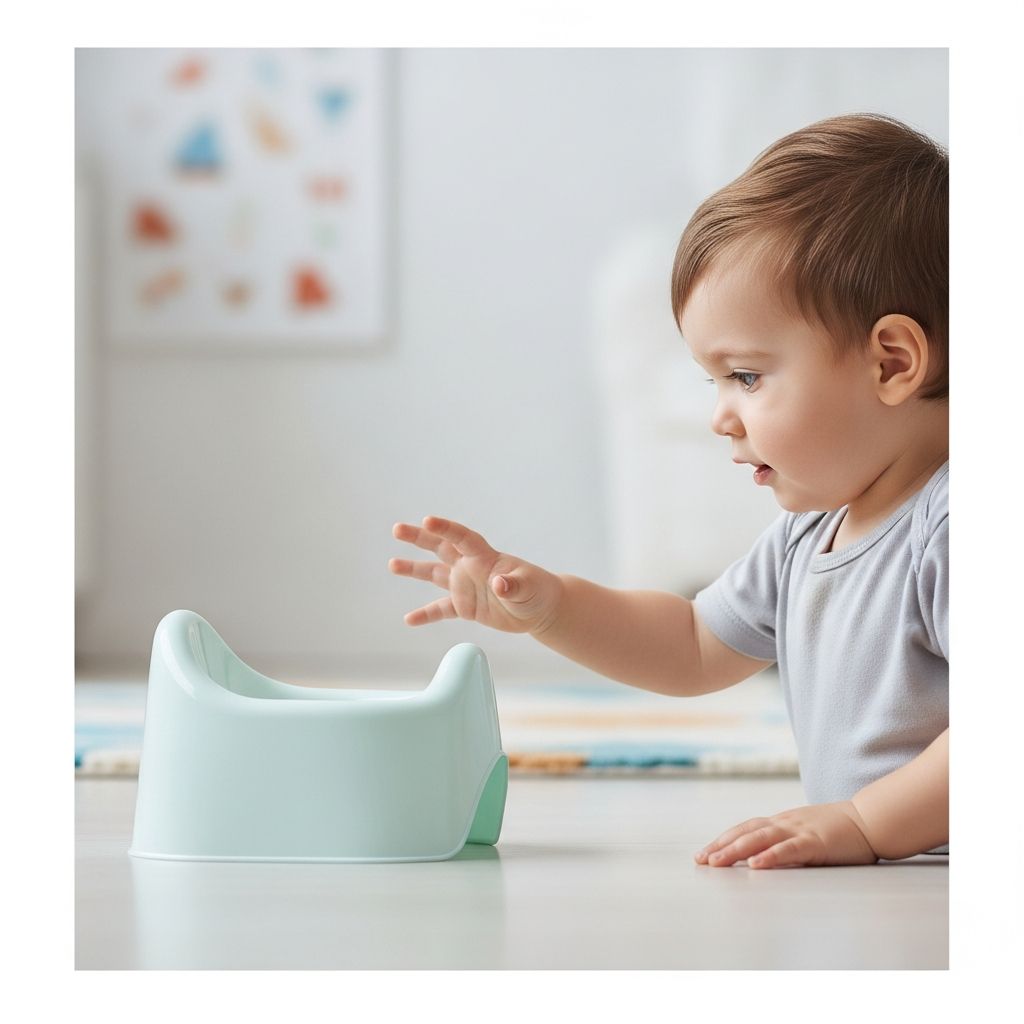
Toddlers between 16 and 25 months often display clear indicators of interest in potty training, marking a prime window for introducing toilet independence. This period aligns with key developmental strides in motor skills, awareness, and autonomy, making it an ideal time to begin guided learning without rushing the process.
Understanding Developmental Windows for Toilet Learning
During the 16-25 month phase, children typically gain better control over their bodies and start noticing bodily functions more acutely. Research and parental experiences highlight that early exposure to potty concepts can accelerate mastery, contrasting with later starts that might prolong the process. For instance, initiating practices around 18 months leverages natural curiosity, potentially leading to quicker outcomes compared to waiting until after 30 months.
Bladder and bowel control emerges gradually. By 16 months, many toddlers can stay dry for short intervals, signaling maturing sphincter muscles. This window, often called a ‘sensitive period’ in Montessori approaches, fosters rapid learning when paired with consistent parental guidance.
Key Behavioral Indicators of Readiness
Spotting readiness prevents frustration for both parent and child. Common signs include:
- Interest in the bathroom: Toddlers may follow adults to the toilet, touch potty chairs, or mimic flushing actions, showing cognitive curiosity about elimination.
- Discomfort with diapers: Fussiness during changes or attempts to remove diapers indicate awareness of wetness and a desire for dryness.
- Verbal cues: Words like ‘pee’ or ‘poo,’ or pointing to soiled areas, demonstrate communication of needs.
- Physical control: Staying dry for 1-2 hours or during naps suggests neuromuscular readiness.
- Motor skills: Ability to pull pants up/down and sit stably on a potty.
These cues cluster around 20 months on average, but individual variation is normal—some show them at 16 months, others closer to 25.
Effective Methods Tailored to Age Groups
Approaches vary by exact age within this range to match developmental stages.
For 16-18 Months: Gentle Introduction via Elimination Communication
Elimination Communication (EC) involves observing infant cues like squirming or specific cries to hold babies over sinks or potties. Starting at this age builds habits without pressure, with many achieving daytime dryness by 24 months. Parents report success by syncing potty offers with meal times or wake-ups.
For 18-22 Months: Hybrid EC and Independence Training
Merge EC with child-led potty sits. Use hybrid plans where toddlers practice pulling down pants and wiping, capitalizing on their drive for mastery. This ‘Montessori sweet spot’ often wraps up training in weeks.
For 22-25 Months: Structured Early Potty Training
Shift to regular potty training with timers and rewards. Focus on independence like dressing undies. Data shows starts here take about 4-8 weeks, shorter than earlier attempts due to cognitive maturity.
| Age Range | Recommended Method | Expected Timeline | Key Focus |
|---|---|---|---|
| 16-18 months | Elimination Communication | 2-6 months to habits | Cue recognition |
| 18-22 months | Hybrid EC/Potty Pause | 1-3 months | Independence skills |
| 22-25 months | Structured Training | 2-8 weeks | Consistency & rewards |
Practical Strategies for Success
Success hinges on preparation and positivity:
- Choose a potty: Low, stable models with fun designs encourage use.
- Dress for ease: Elastic pants over belts simplify access.
- Routine integration: Offer potty after meals, drinks, naps.
- Positive reinforcement: Praise efforts, avoid punishment for accidents.
- Model behavior: Let child observe family routines.
Track progress in a simple chart to celebrate dry days, boosting motivation.
Common Challenges and Solutions
Accidents are normal—view them as learning opportunities. If resistance arises:
- Poop withholding: Offer comfort on potty with books; dietary fiber helps.
- Nighttime delays: Bedwetting often persists beyond daytime success; use pull-ups patiently.
- Regression: Common during stressors like new siblings; revert gently without pressure.
Parental consistency trumps perfection. Surveys indicate later starts (post-30 months) correlate with shorter durations but risk behavioral issues if delayed excessively.
Long-Term Benefits of Early Training
Beginning in this window promotes confidence, reduces diaper rash risks, and eases daycare transitions. Studies link early toilet independence to better self-regulation skills later. Environmentally, it cuts waste significantly.
Frequently Asked Questions (FAQs)
Is 16 months too early for potty training?
No, gentle methods like EC make it beneficial, building awareness without stress. Many complete by 24 months.
What if my 25-month-old shows no interest?
Gently introduce through play and modeling. Most catch on quickly at this age with consistent offers.
How long does potty training take at 20 months?
Typically 4-12 weeks with a structured approach, varying by child.
Can boys and girls train at the same pace?
Generally yes, though girls may show earlier verbal cues; individual temperament matters more.
Should I use rewards?
Yes, sticker charts work well for motivation without over-reliance.
Expert Insights on Timing
Pediatric guidelines emphasize child-led timing, but data favors 20-30 months for efficiency. Avoid diaper industry myths promoting delays; science supports flexible early starts.
Empower your toddler’s journey with observation and patience. This phase builds lasting independence.
References
- At what age can I potty train my child? — Go Diaper Free. 2023. https://godiaperfree.com/at-what-age-can-i-potty-train-my-child/
- How to Know When to Start Potty Training — YouTube (Go Diaper Free channel). 2023. https://www.youtube.com/watch?v=KBndLxbKi8Q
- What is the Best Potty Training Age? — Oh Crap Potty Training. 2023. https://www.ohcrappottytrainingmetoyou.com/post/what-is-the-best-potty-training-age
- What to Know About Potty Training — ParentData by Emily Oster. 2024. https://parentdata.org/potty-training-best-advice/
- Potty training a 25 month old boy…Help please. — The Bump Forums. 2023. https://forums.thebump.com/discussion/8443155/potty-training-a-25-month-old-boy-help-please