Benign neglect parenting represents a thoughtful shift from intensive oversight to guided autonomy, enabling children to navigate challenges independently while parents provide a secure foundation. This method emphasizes resilience-building through controlled discomfort, distinguishing it sharply from harmful neglect by prioritizing safety and strategic involvement.
Understanding the Essence of Benign Neglect
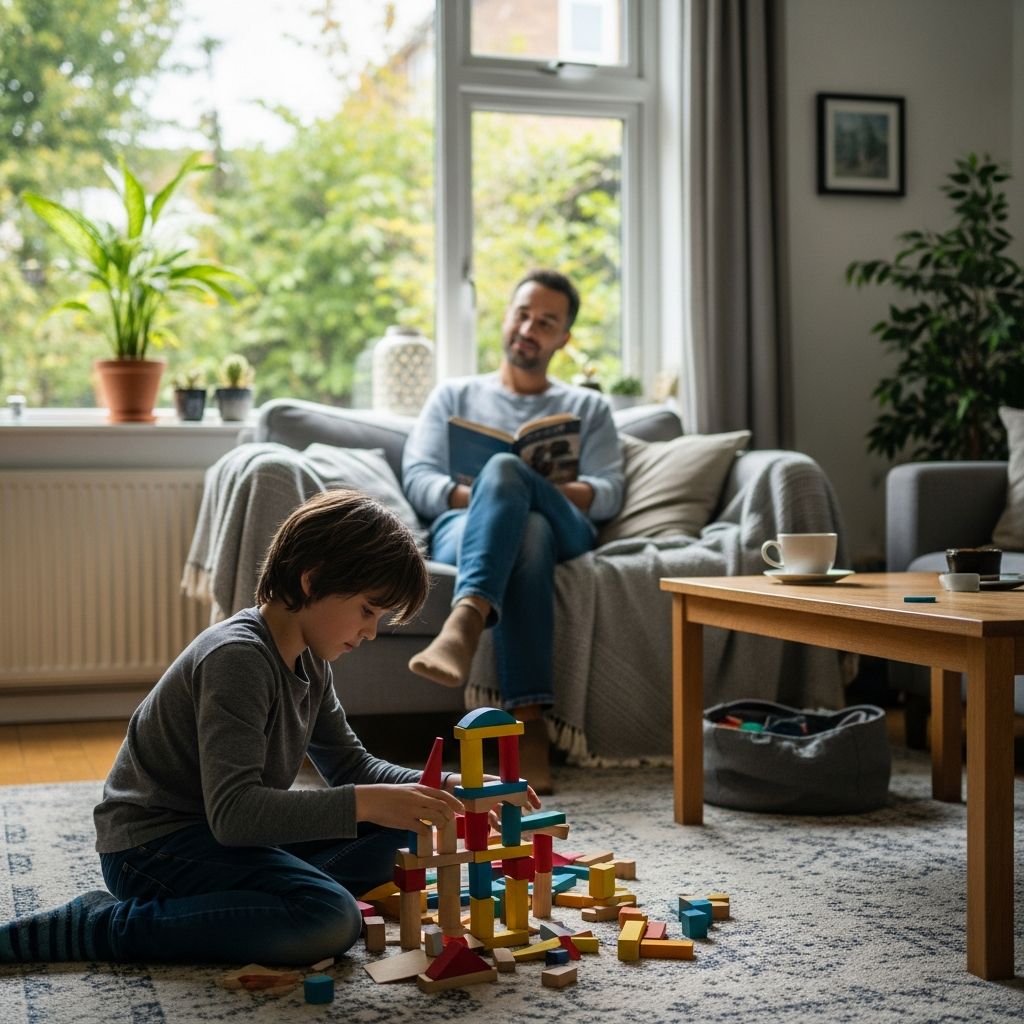
At its core, benign neglect involves intentionally stepping back to allow children to confront minor setbacks, fostering essential coping mechanisms without constant intervention. Unlike helicopter parenting, which hovers over every decision, this approach trusts kids to learn from natural consequences within predefined safe limits. Parents remain vigilant—ensuring dangers like sharp objects are inaccessible—but resist the urge to micromanage playdates or homework, promoting self-regulation from an early age.
Psychological foundations trace back to concepts like Lev Vygotsky’s scaffolding, where support is calibrated to stretch abilities just beyond current reach. By permitting stumbles, parents equip children with tools for larger life hurdles, echoing expert views that moderated struggle builds character over coddling. Pediatric insights reinforce this: true growth emerges from independent experiences, not parental orchestration of every outcome.
Key Benefits for Child Development
Implementing benign neglect yields profound advantages, from enhanced problem-solving to stronger emotional fortitude. Children learn negotiation during peer conflicts by resolving scuffles autonomously, acquiring social skills that interventions often disrupt.
- Resilience Building: Facing small failures teaches perseverance, reducing future anxiety over setbacks.
- Independence: Self-directed play cultivates creativity and decision-making confidence.
- Critical Thinking: Ownership of choices hones evaluation skills for lifelong application.
- Parental Modeling: Demonstrating personal pursuits shows kids balanced adulthood is achievable.
Research-aligned observations indicate these kids enter adulthood with robust self-belief, less reliant on external validation. A table illustrates comparative outcomes:
| Parenting Style | Child Outcomes | Long-Term Impact |
|---|---|---|
| Helicopter | High dependence, low resilience | Anxiety in independence |
| Benign Neglect | Strong autonomy, adaptive skills | Confident adulthood |
| Neglectful | Unsupervised risks, emotional voids | Behavioral issues |
Practical Strategies for Everyday Implementation
Adopting benign neglect starts with establishing clear boundaries: secure the environment, communicate expectations, then observe. During playdates, assess if conflicts self-resolve before stepping in—most do, imparting negotiation lessons. Post-event discussions transform experiences into teachable moments, exploring feelings and alternatives without mid-crisis dictates.
For daily routines, delay assistance on tasks like dressing or puzzles. This ‘wait-and-see’ tactic, applied judiciously, prevents learned helplessness. Dr. Roshann Hooshmand advises presence for safe guidance while granting ownership of outcomes, blending participation with detachment.
- Define safety parameters upfront.
- Monitor discreetly without hovering.
- Intervene only for imminent harm.
- Debrief afterward to reinforce learning.
- Model self-reliance in your routines.
Age-appropriate application evolves: toddlers need proximity for falls, while school-age kids manage homework solo, building accountability.
Navigating Common Challenges and Misconceptions
Critics conflate benign neglect with absence, but experts clarify the distinction—vigilant oversight ensures safety amid freedom. Concern over poor peer strategies? Observation reveals organic resolutions, with later coaching providing perspective.
Letting go proves hardest amid visible distress; counter this by recalling long-term gains. Parents report rediscovered joy, unburdened from constant vigilance, strengthening family bonds through mutual respect. Balance love with logic: celebrate uniqueness while preparing for disappointments.
For teens, risks intensify, yet early independence foundations mitigate poor choices. Pushing parental comfort zones fosters evolving adult-child relationships.
Real-Life Examples and Expert Endorsements
Celebrity anecdotes, like Jennifer Garner’s admission of embracing ‘benign neglect’ for her kids’ self-lived lives, highlight mainstream appeal. She balances presence with personal pursuits, modeling fulfillment.
In practice, a parent might watch siblings negotiate toy disputes, intervening only if escalation threatens injury. Afterward: ‘How did that feel? What could you try differently?’ This partners in growth, not dictates. Pediatric coaching emphasizes family health: parental happiness signals adult success potential.
Age-Specific Guidelines for Success
Tailor benign neglect to developmental stages for optimal results.
| Age Group | Strategies | Expected Gains |
|---|---|---|
| 0-3 Years | Supervised solo play; cry-it-out for sleep training | Self-soothing, basic problem-solving |
| 4-7 Years | Allow minor falls; self-dress | Physical confidence, routine mastery |
| 8-12 Years | Independent homework; peer conflict resolution | Academic autonomy, social negotiation |
| 13+ Years | Unsupervised outings with check-ins; decision ownership | Teen risk assessment, future readiness |
Frequently Asked Questions (FAQs)
Is benign neglect the same as ignoring my child?
No, it requires active monitoring and safety measures while allowing natural learning opportunities, unlike true neglect.
Will my child learn bad habits without constant correction?
Children often self-correct in safe settings; post-event talks teach better strategies than interruptions.
How do I know when to intervene?
Step in for physical danger or escalation; otherwise, observe and discuss later.
Does this work for all kids?
Adapt to temperament, but core principles build universal resilience with consistent boundaries.
Can it improve my parenting joy?
Yes, by reducing overcontrol, parents model balance and reconnect with personal lives.
Long-Term Outcomes and Family Dynamics
Over years, benign neglect cultivates adults who thrive independently, viewing parents as guides, not controllers. Families report deeper bonds, evolved through shared growth. Challenges like teen rebellion lessen with established trust.
Critically, this isn’t abdication—it’s intentional parenting. Clear limits enable freedom, discomfort sparks growth, and presence ensures safety. As one expert notes, kids need struggle practice under safety nets.
Embrace this philosophy to raise capable humans. Balance evolves with ages, but rewards—resilient, joyful kids and fulfilled parents—endure.
References
- Parenting and the Art of Benign Neglect — GoodTherapy.org. 2023-01-23. https://www.goodtherapy.org/blog/parenting-and-the-art-of-benign-neglect-0123135
- Is ‘benign neglect’ a good parenting style? — Cape Cod Health News. 2025-03-25. https://www.capecodhealth.org/cape-cod-health-news/is-benign-neglect-a-good-parenting-style/