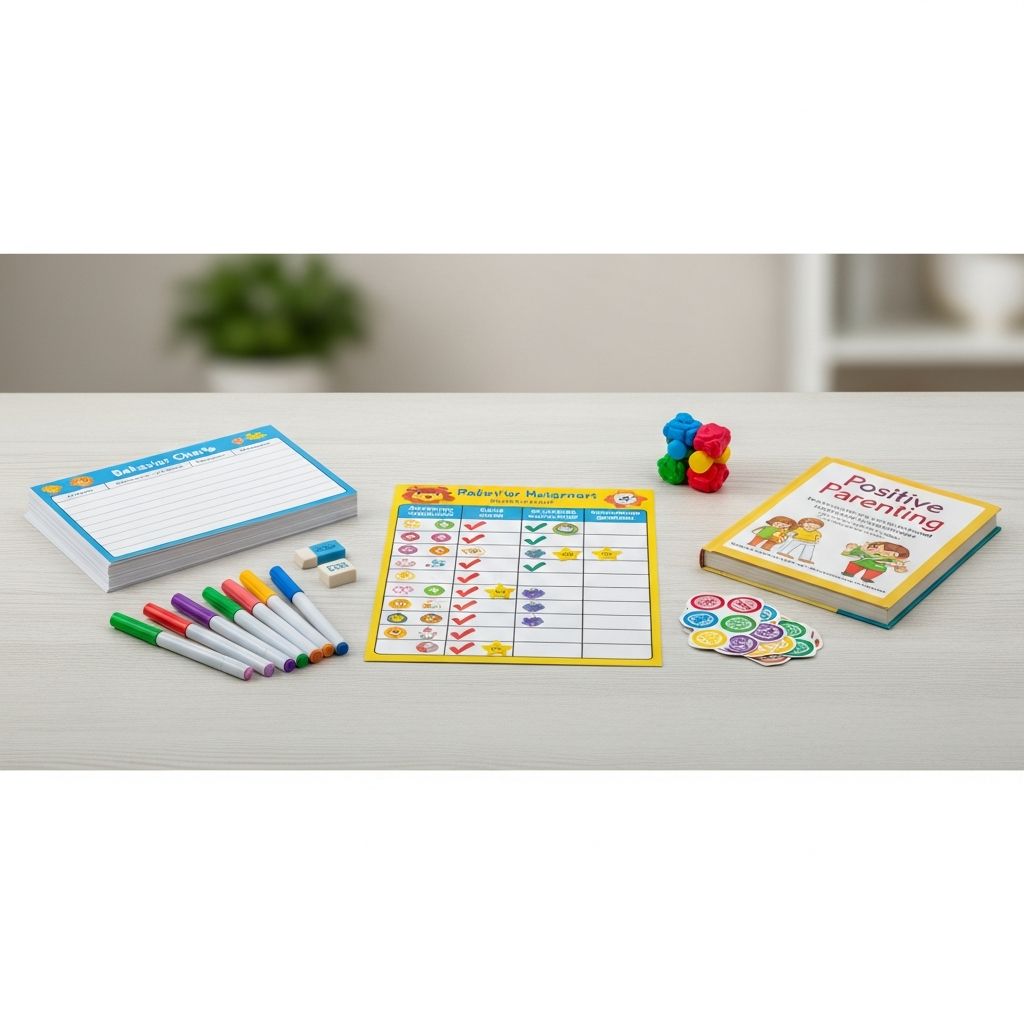
Child behavior charts offer parents and educators a visual roadmap to encourage desirable actions and foster responsibility in young ones. These tools transform abstract expectations into tangible progress trackers, helping children aged 3 to 10 develop self-discipline through structured positive reinforcement.
Understanding the Core Value of Behavior Tracking Tools
At their essence, behavior charts serve as daily companions in the journey of child development. They break down complex routines into manageable steps, providing clarity that reduces frustration for both kids and adults. Research from educational surveys indicates that a significant portion of elementary educators rely on these systems, with many reporting improvements in classroom conduct. For families, this translates to smoother mornings, calmer evenings, and fewer power struggles over basics like tidying up or homework completion.
The magic lies in their simplicity: a grid or ladder where stickers, checks, or clips mark achievements. This immediate visual cue taps into a child’s natural love for games and accomplishments, turning compliance into an engaging challenge. Unlike vague verbal praises, charts create a record of success that builds momentum over time.
Key Advantages That Drive Real Change
Behavior charts shine by establishing predictable patterns that young minds crave. Here’s why they resonate so deeply:
- Crystal-Clear Guidelines: Children grasp expectations instantly—no guesswork involved. Tasks like “pack your backpack” or “use kind words” are listed plainly, minimizing misunderstandings.
- Instant Recognition: A sticker placed right after a good choice reinforces the link between action and approval, strengthening neural pathways for repetition.
- Progress Visualization: Filling spaces creates a dopamine rush from seeing advancement, motivating sustained effort.
- Confidence Builder: Accumulated wins elevate self-worth, encouraging kids to tackle harder challenges independently.
- Social Skill Booster: Charts targeting sharing or listening practice essential interpersonal abilities in a fun format.
These benefits extend beyond the moment, laying foundations for intrinsic motivation as habits solidify.
Potential Pitfalls and How to Sidestep Them
No tool is flawless, and behavior charts can backfire if mishandled. Public displays sometimes lead to embarrassment, eroding self-esteem, especially for sensitive children. Over-reliance on external prizes might diminish internal drive, where kids perform only for stickers rather than understanding the “why”.
Equity issues arise too—children with unique needs, like those with ADHD, may struggle more visibly, fostering resentment. Surveys reveal mixed teacher sentiments: while 75% note behavioral gains, over half worry about emotional impacts. To counter this:
- Opt for private tracking to protect dignity.
- Phase out rewards gradually once behaviors stick.
- Pair with verbal encouragement focusing on effort, not just outcomes.
Step-by-Step Guide to Crafting Your Chart
Creating an effective chart starts with intention. Begin by selecting 3-5 specific, positively phrased goals aligned with your child’s age and stage. For toddlers, focus on self-care like “wash hands before snacks”; for school-age kids, include responsibilities such as “finish reading time quietly.”
| Age Group | Sample Goals | Reward Ideas |
|---|---|---|
| 3-5 Years | Put toys away, Use inside voice, Try new foods | Extra storytime, Choose a song, Hug from parent |
| 6-8 Years | Complete homework, Help set table, Share with sibling | Park outing, Screen time bonus, Pick family game |
| 9-10 Years | Manage bedtime routine, Tidy room weekly, Practice instrument | Allowance boost, Friend playdate, New book |
Design visually: Use bright colors, kid-friendly fonts, and spaces for 5-10 days. Digital apps work for tech-savvy families, but paper fosters hands-on pride. Set rewards as group privileges over material items to emphasize family joy.
Implementing Charts in Daily Family Life
Launch with enthusiasm—explain the chart as a “team adventure” during a calm family meeting. Consistency is key: Review twice daily, celebrating small wins lavishly. If a slip happens, gently redirect without erasing progress; focus on recovery to teach resilience.
For bedtime battles, sequence steps like “pajamas on,” “brush teeth,” “read book.” Naptime in group settings benefits from similar checklists, empowering kids to self-guide. Track for 2-4 weeks, then evaluate: Adjust goals upward as mastery grows.
Integrating Charts into Classroom Dynamics
Educators adapt these for groups by personalizing clips on a large board or individual folders. They excel for transitions—lining up, group work—providing structure amid bustle. Blend with praise: “I love how you chose calm hands!” to amplify effects. Monitor for equity, offering quiet alternatives for shy students.
Shifting from Charts to Independent Habits
Charts are bridges, not destinations. Once goals hit 80% consistency, fade them: Reduce stickers, then remove rewards entirely, relying on natural consequences. Discuss the internal rewards—”How does it feel to handle that yourself?”—to nurture autonomy. Long-term, this cultivates lifelong self-regulators, not prize-chasers.
Real-World Examples of Chart Transformations
Consider a 5-year-old resisting chores: A weekly chart for “fold clothes” and “water plants” earned park trips. Within weeks, tasks became routine, with the child requesting duties for pride. Another case: A classroom of 20 used color-coded ladders for listening, slashing disruptions by 60% per teacher logs. These stories underscore tailored application yields profound shifts.
Frequently Asked Questions
What age is best for starting behavior charts?
Charts suit ages 3-10, when visual learning peaks and abstract reasoning develops. Younger toddlers need simpler picture-based versions; preteens may outgrow them for discussion-based accountability.
Do charts work for kids with special needs?
Yes, with customization—like shorter goals or sensory-friendly rewards—but combine with professional input for conditions like autism or ADHD to avoid frustration.
How do I handle regression after progress?
Reassess triggers (stress, changes), shorten timelines, and recommit without punishment. View slips as learning opportunities.
Should rewards be tangible or experiential?
Prioritize experiences (quality time) over toys to build emotional bonds and avoid materialism.
When to stop using a behavior chart?
Phase out after 4-6 weeks of independent success, monitoring for backsliding. Use as a temporary scaffold for habit formation.
Advanced Strategies for Maximum Impact
Elevate charts by incorporating growth mindset language: Praise effort (“You kept trying!”) over innate talent. Track family-wide charts for unity, or pair with journals for older kids reflecting on choices. Digital integration via apps allows progress sharing, enhancing accountability. Always align with pediatric guidelines for holistic development.
In essence, wielded wisely, behavior charts evolve chaos into confidence-building rituals, equipping children for self-directed futures.
References
- Are Behavior Charts Really Effective? — Heart of Connecting. 2023. https://www.heartofconnecting.com/parenting-articles/are-behavior-charts-really-effective
- The Pros and Cons of Using Behavior Charts — Brightwheel. 2024. https://mybrightwheel.com/blog/behavior-chart
- The Power of Sticker Charts: Encouraging Good Behavior with Positive Reinforcement — CK Family Services. 2023-09-25. https://ckfamilyservices.org/blog/power-sticker-charts-encouraging-good-behavior-positive-reinforcement
- Behavior Charts in the Classroom: Balancing Benefits and Drawbacks — FSR Inc. 2024. https://fsrinc.com/education/collaborate-ed-tech-blog/437-behavior-charts-in-the-classroom-balancing-benefits-and-drawbacks-for-effective-management
- Are Student Behavior Charts Beneficial? — TeachHUB. 2024-08. https://www.teachhub.com/classroom-management/2024/08/are-student-behavior-charts-beneficial/
- Are There Benefits of Behavior Charts for Children? — WebMD. 2023. https://www.webmd.com/parenting/are-there-benefits-of-behavior-charts-children