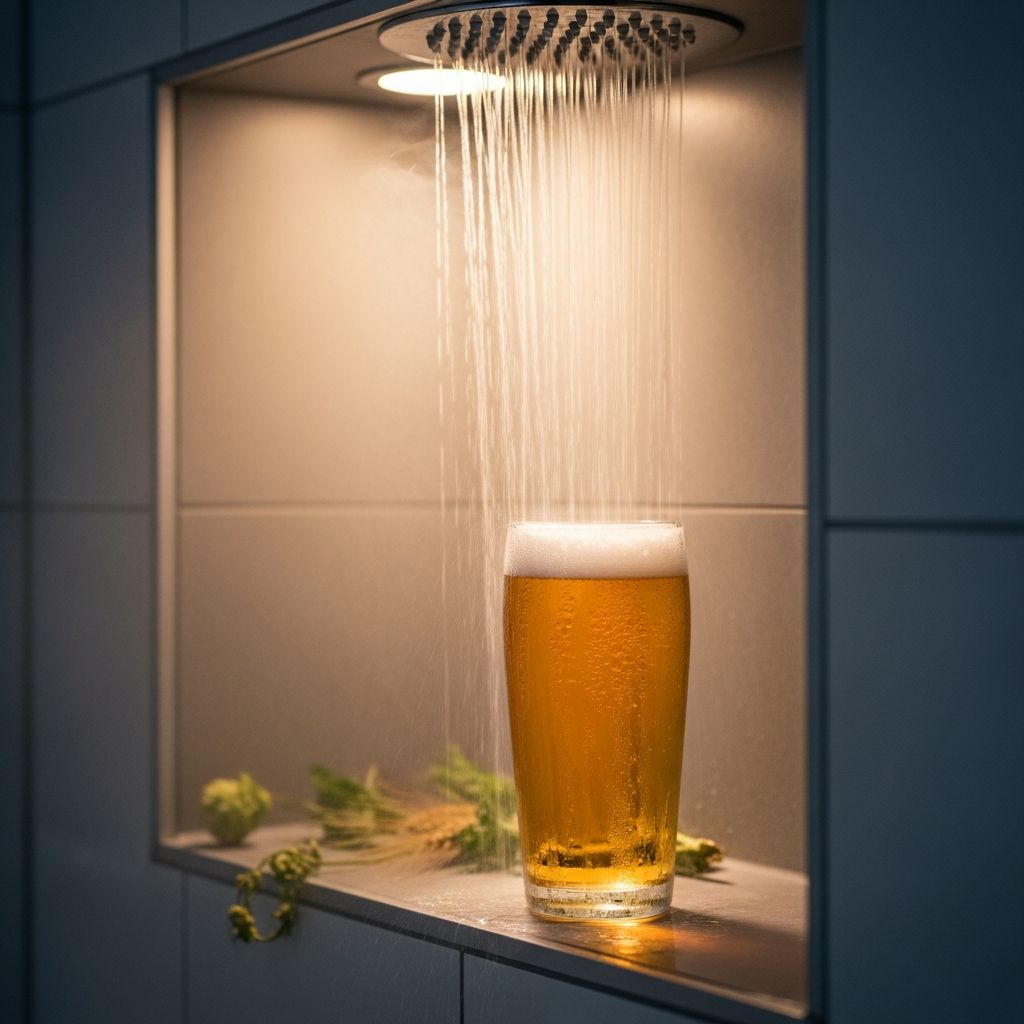
Combining beer with your shower routine might sound unconventional, but science reveals compelling reasons rooted in beer’s nutrient profile. Moderate use leverages antioxidants, vitamins, and minerals for tangible wellness gains, transforming a simple rinse into a therapeutic ritual.
The Nutrient Powerhouse Behind Beer’s Shower Magic
Beer stands out not just for flavor but for its dense array of bioactive compounds. Barley and hops deliver flavonoids, polyphenols like xanthohumol, B vitamins, silicon, and minerals such as silicon, magnesium, and potassium. These elements contribute to antioxidant activity comparable to wine, supporting cellular protection and metabolic health when applied topically or absorbed minimally.
In a shower context, beer’s mild acidity (pH around 4-5) aligns with skin’s natural barrier, promoting gentle cleansing without stripping oils. Studies highlight how these components enhance HDL cholesterol properties and reduce oxidative stress, benefits that extend to topical applications by nourishing skin and scalp.
- Polyphenols and Flavonoids: Combat free radicals, aiding skin repair and anti-aging.
- Silicon Content: Supports collagen formation for firmer skin and hair strength.
- B Vitamins: Boost circulation and energy at the cellular level.
Skin Rejuvenation: Beer’s Topical Antioxidant Boost
Your skin encounters daily assaults from pollution and UV rays. Beer’s antioxidants provide a frontline defense during showers. Xanthohumol from hops inhibits inflammation and platelet activation without bleeding risks, while flavonoids neutralize damage similar to grape-derived resveratrol in wine.
A 2018 study on moderate beer intake showed enhanced HDL antioxidant capacity, preventing lipid buildup in vessels—parallels drawn to skin where these compounds protect against glycation, a process aging collagen. Pouring beer over skin mid-shower allows direct absorption, hydrating and brightening complexion. The yeast residues act as mild exfoliants, sloughing dead cells for smoother texture.
| Beer Compound | Skin Benefit | Supporting Evidence |
|---|---|---|
| Xanthohumol | Reduces inflammation | Optimizes brewing for higher content; anti-platelet effects |
| Silicon | Boosts collagen | Linked to bone and skin density improvements |
| Flavonoids | Antioxidant shield | Equal to wine; higher in ales |
For best results, use unfiltered or craft beers with higher polyphenol levels. Rinse lightly after 5 minutes to lock in moisture.
Hair and Scalp Vitality: A Natural Conditioning Secret
Beer’s B vitamins (niacin, folate) and proteins fortify hair shafts, reducing breakage. Silicon promotes keratin production, essential for lustrous locks. Traditional uses in Europe involved beer rinses for shine, now validated by research showing moderate consumption correlates with better mineral density.
Shampoo first, then massage flat beer (decarbonated overnight) into scalp. The malic acid smooths cuticles, enhancing light reflection for glossy results. A study on beer drinkers noted lower fracture risks via BMD gains, suggesting silicon’s role in structural integrity extends to hair. Avoid over-application to prevent residue buildup.
- Decant beer to remove foam for even distribution.
- Target oily scalps; balances sebum production.
- Weekly use yields noticeable thickness and reduced dandruff.
Muscle Recovery and Tension Relief Post-Workout
Athletes find shower beer eases soreness. Hops’ anti-inflammatory humulones, combined with beer’s hydration from fluid intake parallels, mimic recovery baths. Research links moderate beer to 40% lower kidney stone risk via diuresis, indicating efficient waste flushing that aids muscle repair.
Post-exercise, lactic acid buildup causes stiffness. Beer’s potassium and magnesium counteract cramps, while warm shower integration amplifies circulation. A PMC review found moderate intake (1-2 drinks) reduces CV risks and supports metabolic health, benefits amplified topically for localized relief.
Technique: Dilute one can in a bucket, pour over legs and back while stretching. Studies on obese individuals showed no weight gain and vascular benefits from low-moderate beer.
Circulation and Stress Reduction: Full-Body Wellness
Beer’s niacin promotes vasodilation, improving blood flow during showers. This echoes findings where moderate drinkers had 58% lower diabetes risk for women, tied to insulin sensitivity. Topically, it warms tissues, reducing stress markers like cortisol.
Enhanced circulation delivers nutrients to skin and muscles, combating cold extremities. A Spanish study associated moderate beer with superior mental health, self-perceived wellness, and social support vs. abstainers. Shower steam enhances volatile compound inhalation for aromatherapy-like calm.
Bone and Longevity Support: Beyond the Surface
Silicon in beer strengthens bones, with moderate drinkers showing 20% lower hip fracture risk in elderly cohorts. Shower use indirectly supports via mineral absorption through skin, complementing dietary intake. Polyphenols lower systolic pressure and cholesterol.
For men, kidney stone prevention via fluid dynamics; women gain lumbar BMD from low-alcohol variants. Integrate into routines for holistic skeletal health.
Practical Tips for Safe, Effective Shower Beer Rituals
Select quality: Opt for ales over lagers for superior antioxidants. Moderate to 1-2 servings weekly topically. Consult doctors if pregnant, underage, or with conditions. Non-alcoholic versions retain benefits.
- Warm beer slightly for comfort.
- Test patch for allergies.
- Combine with Epsom salts for amplified recovery.
Frequently Asked Questions
Is shower beer safe for daily use?
Limit to 2-3 times weekly; topical absorption is minimal, but excess alcohol dries skin. Non-alcoholic beer is ideal.
Does it work for all hair types?
Best for straight/oily; curly/dry types dilute further to avoid stiffness.
Can it replace commercial products?
Augments, not replaces; pairs well with pH-balanced shampoos.
What about colored hair?
Malic acid may fade dyes; rinse thoroughly.
Benefits for sensitive skin?
Hops soothe eczema; start diluted.
Potential Drawbacks and Moderation Guidelines
Overuse risks dryness or irritation. J-shaped curve shows benefits peak at moderate levels (women: 1 drink/day; men: 1-2). Avoid if alcohol-sensitive. Recent insights question blanket alcohol benefits, emphasizing individual factors.
References
- Why Beer, Like Red Wine, Can Be Good for Your Health — St. Vincent’s. 2023-approx. https://stvincents.org/about-us/news-press/news-detail?articleId=26724&publicid=395
- Moderate Consumption of Beer and Its Effects on Cardiovascular… — PMC/NCBI. 2021-04-07. https://pmc.ncbi.nlm.nih.gov/articles/PMC8001413/
- Moderate Beer Consumption Is Associated with Good Physical and… — PMC/NCBI. 2023-03-20. https://pmc.ncbi.nlm.nih.gov/articles/PMC10052738/
- Beer: Is It Good for You? — WebMD. 2024-approx. https://www.webmd.com/diet/beer-good-for-you
- The Health Benefits of Beer — Pocono Brewery (informational). 2023-approx. https://www.poconobrewery.com/the-health-benefits-of-beer