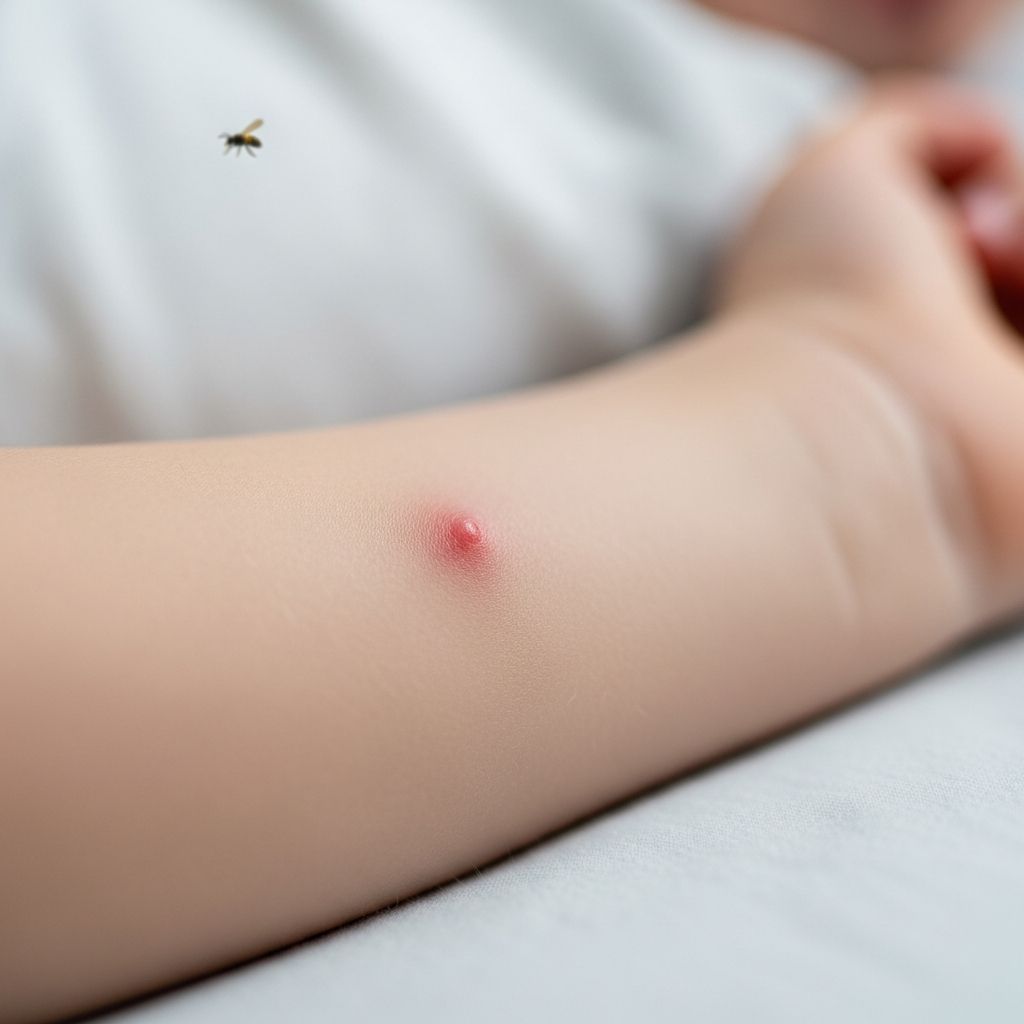
Insect stings from bees, wasps, hornets, and yellow jackets can turn a fun day outdoors into a medical concern for children. While most kids experience only local pain and swelling, a small percentage face severe allergic responses that demand quick action. This guide equips parents with knowledge on identification, home care, professional treatments, and prevention tactics to keep children safe.
Common Culprits Behind Child Sting Reactions
Bees, wasps, hornets, and yellow jackets are the primary insects responsible for stings in children. Bees often leave a barbed stinger embedded in the skin, pumping venom as the child moves, while wasps and similar insects can sting repeatedly without losing their stinger. These encounters happen frequently in parks, backyards, or during picnics, especially in warmer months when insects are active.
Children are particularly vulnerable because they may not recognize the danger or react calmly. Bright clothing, sweet smells from lotions or foods, and sudden movements attract these insects. Understanding these triggers helps parents minimize risks during playtime.
Decoding Reaction Severity: From Mild to Life-Threatening
Reactions to insect stings fall into three categories: mild (local), moderate (large local), and severe (systemic anaphylaxis). Recognizing the level guides appropriate responses.
Mild Local Reactions
The most common type affects only the sting site. Children feel sharp burning pain, see red raised skin, and experience minor swelling. These symptoms peak within hours and fade in a day or two without intervention.
- Pain resembling a sharp burn
- Small swollen, discolored area
- Mild itching
No medical attention is typically needed, but monitoring prevents infection.
Moderate Large Local Reactions
Here, swelling expands beyond the sting, sometimes reaching several inches. The area warms, reddens, and itches intensely, lasting up to a week. This indicates a stronger immune response but not true allergy.
| Symptom | Duration | Typical Size |
|---|---|---|
| Swelling | 3-7 days | Up to 4-5 inches |
| Redness/Warmth | 2-5 days | Matching swell size |
| Itching | 1-4 days | Localized |
These reactions rarely progress to anaphylaxis but warrant doctor consultation for recurring cases.
Severe Systemic Reactions (Anaphylaxis)
Affecting about 5% of children, anaphylaxis involves the whole body and can be fatal without prompt treatment. Symptoms appear within minutes: hives spreading beyond the site, throat swelling, breathing trouble, nausea, dizziness, weak pulse, or unconsciousness.
- Itchy widespread hives
- Swollen lips/tongue/throat
- Difficulty breathing or wheezing
- Abdominal cramps, vomiting
- Rapid heartbeat, drop in blood pressure
- Feeling faint or passing out
Act immediately: administer epinephrine if prescribed, call emergency services.
First Response: What Parents Should Do Immediately
Speed is crucial. For all stings:
- Remove the stinger if present: Scrape with a fingernail or credit card edge within 20-30 seconds—never pinch, as it releases more venom.
- Wash gently: Use soap and water to clean and reduce infection risk.
- Apply cold compress: Ice wrapped in cloth for 20 minutes eases pain and swelling.
Tailor further steps by severity.
Home Remedies for Mild and Moderate Reactions
Over-the-counter options soothe discomfort:
- Pain relief: Acetaminophen or ibuprofen per age/weight dosing.
- Itch control: Oral antihistamine like diphenhydramine (Benadryl) or hydrocortisone cream applied 3x daily.
- Natural aids: Baking soda paste (neutralizes venom), apple cider vinegar soak, or meat tenderizer paste for 20 minutes.
Elevate the limb and avoid scratching to prevent secondary issues.
Emergency Protocol for Anaphylaxis
If severe signs emerge:
- Inject epinephrine auto-injector (EpiPen) into the thigh—hold 10 seconds.
- Call 911 even if symptoms improve; biphasic reactions can recur.
- Position child comfortably; avoid oral intake.
Post-use, seek evaluation for prescription refills and allergy testing.
Diagnosis: Confirming a True Allergy
Suspected allergies require allergist assessment. Skin prick tests or blood tests (specific IgE) detect venom sensitivity. History of reactions informs risk. Children with large local reactions rarely need immunotherapy, but anaphylaxis survivors do.
Long-Term Protection Strategies
Epinephrine Auto-Injectors
Children with history of anaphylaxis must carry two EpiPens at all times—school, sports, outings. Train family and teachers on use.
Venom Immunotherapy (VIT)
This desensitization builds tolerance via escalating venom doses over 3-5 years. Success rate exceeds 90% for preventing future anaphylaxis. Ideal for high-risk kids; requires commitment to weekly then monthly shots.
Recent guidelines emphasize VIT for those with severe reactions or high sting exposure.
Preventive Measures for Safer Outdoor Adventures
Proactive steps reduce sting odds:
- Wear light colors, avoid floral patterns/perfumes.
- Keep food/drink covered; don’t leave sweets out.
- Teach kids to stay calm, brush insects off gently.
- Avoid barefoot walking or reaching into unknown areas.
- Use EPA-approved repellents sparingly on clothing.
For allergic children, inform caregivers and pack emergency kits.
Special Considerations for Young Children
Toddlers may not articulate symptoms, so watch for fussiness, drooling, or breathing changes. Dosing meds by weight is key; consult pediatrician. Schools need action plans under allergy laws.
Frequently Asked Questions
Can a child outgrow a bee sting allergy?
Some do, but anaphylaxis history demands ongoing vigilance and re-testing. VIT offers lasting protection.
How soon after a sting do severe symptoms start?
Usually within 30 minutes, but delayed up to an hour. Monitor for 4-6 hours.
Is immunotherapy safe for kids?
Yes, starting age 3-5; monitored closely with rare anaphylaxis risk (less than 1%).
What if no EpiPen is available during reaction?
Call emergency immediately; antihistamines won’t suffice for anaphylaxis.
Do home remedies replace medical care?
No, they’re adjuncts for mild cases. Severe reactions need professionals.
Empowering Parents: When to Escalate Care
Consult a doctor for first-time moderate reactions, recurrent swelling, or any systemic signs. Pediatric allergists provide personalized plans. Early intervention prevents future scares, letting kids enjoy nature confidently.
References
- Bee sting allergy: Symptoms, causes, and treatment — Medical News Today. 2023-05-23. https://www.medicalnewstoday.com/articles/322075
- What doctors wish patients knew about treating a bee sting — American Medical Association. 2024-06-12. https://www.ama-assn.org/public-health/chronic-diseases/what-doctors-wish-patients-knew-about-treating-bee-sting
- Insect venom allergies: Short-term and long-term treatment — National Center for Biotechnology Information. 2023-01-15. https://www.ncbi.nlm.nih.gov/books/NBK447119/
- Treating a Child’s Bee Sting — St. Louis Children’s Hospital. 2024-02-10. https://www.stlouischildrens.org/health-resources/symptom-checker/bee-sting
- Home Remedies to Help Treat a Bee Sting Reaction — Oak Brook Allergists. 2021-02-26. https://www.oakbrookallergists.com/2021/02/26/home-remedies-to-help-treat-a-bee-sting-reaction/
- Bee Sting Allergy Treatment — Impact Medical. 2023-11-05. https://impactmedicalaai.com/conditions/allergies/bee-sting-allergy/