The term “bath salts” sounds harmless, but on the street it refers to a group of powerful synthetic drugs that can seriously damage the brain and body. Parents and caregivers who understand these substances are better prepared to spot problems early and protect teens from harm.
What Are “Bath Salts” (the Drug)?
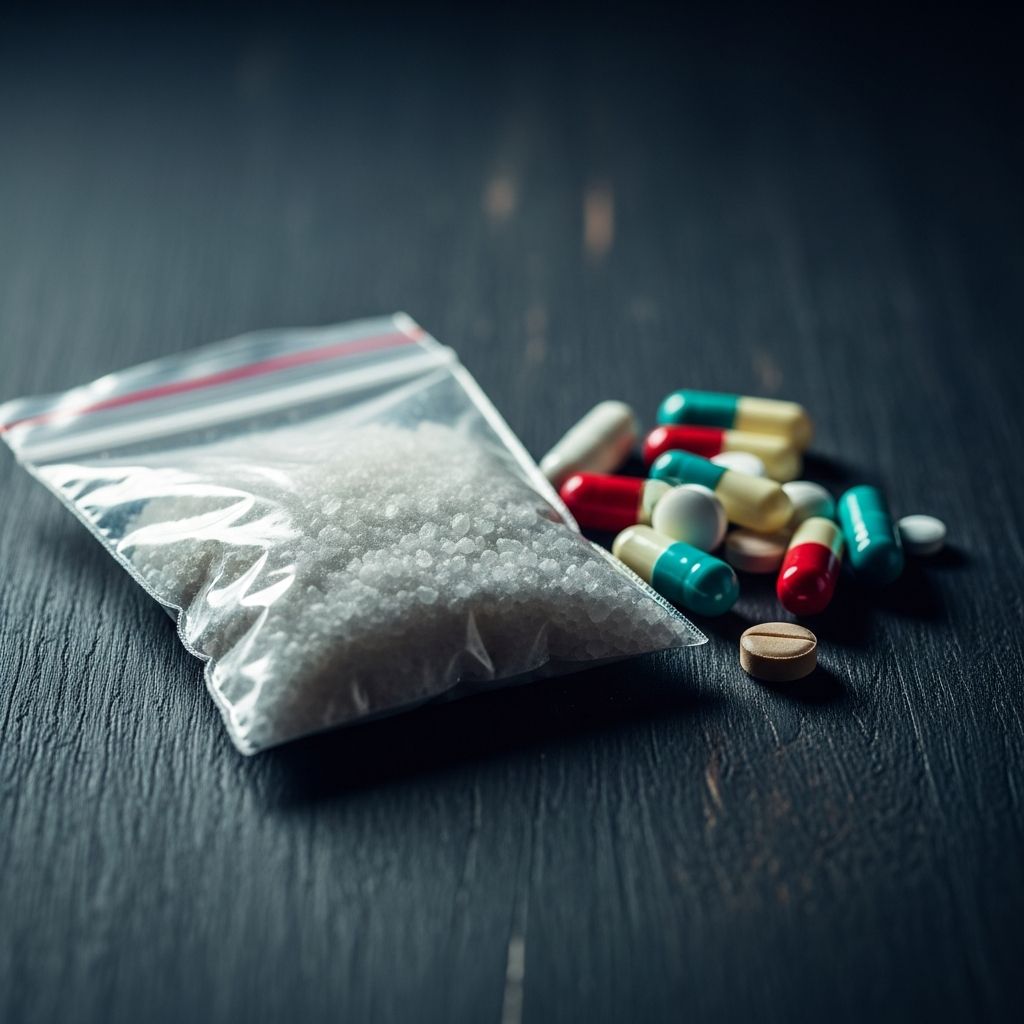
When people talk about “bath salts” as drugs, they are not referring to the scented products used in a bathtub. Instead, they mean man-made stimulant drugs that usually come as white or off-white crystals or powder and are sold in small packets with misleading labels.
These drugs belong to a group called synthetic cathinones, which are chemically related to a natural stimulant found in the khat plant. They act on the central nervous system in ways that can be similar to cocaine, methamphetamine, or MDMA, but their effects are unpredictable and often much stronger.
Street Names and How They’re Sold
To avoid attention from law enforcement and parents, sellers often package these drugs in colorful bags or small containers marked with innocent-sounding names. The labels may claim the product is “not for human consumption,” but that is only a tactic to dodge regulations.
- Common terms: “bath salts,” “plant food,” “research chemicals,” or other vague product names.
- Packaging can look like candy, herbal incense, or legitimate bath products.
- Teens may obtain them from friends, online sellers, or illicit shops.
Even when a package has a brand or listed ingredient, there is no guarantee of what is actually inside. The dose and chemical mix can change from batch to batch, raising the risk of overdose and extreme reactions.
How People Use Bath Salts
These drugs are designed to be versatile and easy to hide. People may use them alone or combined with alcohol, marijuana, or other substances, which increases the danger.
- Swallowing the powder, often mixed into drinks or capsules.
- Snorting the powder through the nose.
- Injecting dissolved powder into a vein, which sharply raises overdose and infection risks.
- Smoking or vaping the drug after heating or mixing it with other substances.
The way a person uses the drug can change how fast the effects begin, how intense the high feels, and how likely severe side effects or overdose become.
How Bath Salts Affect the Brain
Bath salts strongly stimulate brain chemicals involved in pleasure, energy, and alertness. They can cause a rush of euphoria and confidence at first, but this is followed by dangerous changes in thinking, mood, and behavior.
- Short-term brain effects: intense pleasure, anxiety, agitation, paranoia, confusion, and sometimes violent behavior.
- Disturbed perception: seeing or hearing things that are not there, or misreading other people’s intentions.
- Loss of judgment: taking extreme risks, acting impulsively, or feeling “invincible.”
These drugs can also disrupt communication between different brain regions. In some people, the result looks very similar to a severe mental illness episode, with psychosis and loss of touch with reality.
Effects on the Body
Because bath salts are powerful stimulants, they push the heart and circulatory system into overdrive. This can be dangerous even in young, otherwise healthy people.
| Area of the body | Possible short-term effects | Possible serious complications |
|---|---|---|
| Heart and circulation | Racing heartbeat, high blood pressure, chest pain | Heart attack, stroke, collapse of circulation |
| Temperature control | Overheating, heavy sweating, hot dry skin | Heat stroke, organ failure |
| Muscles | Jaw clenching, tremors, restlessness | Breakdown of muscle tissue, kidney damage |
| Brain and nerves | Headaches, dizziness, insomnia | Seizures, coma, brain swelling |
At high doses, or when mixed with other substances, the risk of life-threatening reactions goes up sharply. Emergency rooms have reported patients who are extremely agitated and difficult to calm even with strong sedatives.
Short-Term Mental Health Dangers
One of the most frightening features of bath salts is the severe mental and emotional disturbance they can cause. Even occasional use can lead to episodes that resemble acute psychiatric crises.
- Intense fear and panic, sometimes described as a “bad trip.”
- Paranoia, including beliefs that others are out to harm them.
- Visual and auditory hallucinations.
- Aggression, self-harm, or violent behavior toward others.
- Confused thinking and disorganized speech.
These episodes can last many hours, and some users require hospital care for days. During this time, the person may be unable to recognize loved ones or follow instructions, and may place themselves or others in danger.
Long-Term Risks and Addiction
Bath salts are not just dangerous in the moment; some users develop a strong urge to keep taking them despite bad experiences. The brain can quickly adapt to the drug, leading to cravings and a pattern of repeated use.
- Tolerance: needing more of the drug over time to get the same effect.
- Dependence: feeling sick, anxious, or low when not using.
- Ongoing mental health problems: depression, anxiety, or lingering psychotic symptoms even after the drug is out of the body.
Repeated use can also cause long-term issues such as memory problems, difficulty concentrating, trouble sleeping, and social withdrawal. For some young people, the drug may appear to trigger or worsen underlying mental illnesses.
Why Teens Might Try Bath Salts
Understanding what draws teens to any drug helps adults respond with empathy and effective prevention, rather than only fear. Bath salts may appeal to young people for several reasons.
- Curiosity and thrill-seeking: wanting to experiment with something “new” or “strong.”
- Peer influence: pressure or encouragement from friends or older teens.
- Misinformation: believing that “legal highs” or products sold in stores or online must be safe.
- Stress and emotional pain: using substances to escape worries, family conflict, or mental health struggles.
Teens may also be drawn to the low price compared with other stimulants and the perception that parents or teachers are less familiar with these particular drugs.
Warning Signs a Young Person May Be Using Bath Salts
No single sign proves that a teen is using a specific drug, but clusters of changes should prompt concern. Caregivers who notice sudden shifts in behavior or health should take them seriously.
Physical and Behavioral Clues
- Unusually high energy or agitation that seems out of character.
- Rapid heartbeat, sweating, or complaining of chest pain or pounding heart.
- Staying awake for long periods, then crashing with deep, prolonged sleep.
- Jaw clenching, teeth grinding, or unexplained muscle aches.
- Unexplained nosebleeds or frequent sniffing (if snorting).
- Needle marks, skin sores, or infections (if injecting).
Mood, Thinking, and Social Changes
- Unusual suspiciousness or claims that others are “watching” or plotting against them.
- Talking about hearing voices or seeing things no one else sees.
- Sudden anger outbursts, aggression, or reckless risk-taking.
- Withdrawing from family, changing friend groups, or losing interest in hobbies.
- Declining school performance, skipped classes, or rule-breaking.
Parents should also pay attention to unexplained cash needs, hidden small packets or powders, or unfamiliar chemical smells in bedrooms or cars.
What Parents and Caregivers Can Do
Fear alone is rarely effective in preventing drug use; open communication and clear expectations work better. Taking small, steady steps can make a big difference in keeping kids safe.
Start Honest, Age-Appropriate Conversations
- Use news stories or school health lessons as conversation starters rather than lecturing out of the blue.
- Ask what your child has heard about drugs like bath salts and listen carefully before giving information.
- Explain that some drugs can permanently change the brain and may cause terrifying experiences, even from a single use.
- Emphasize that you care about their safety, not just rules or punishment.
Set Clear Rules and Support Healthy Choices
- Discuss family expectations about not using alcohol or drugs and repeat them regularly.
- Encourage activities that reduce boredom and build confidence, such as sports, arts, clubs, or volunteering.
- Know your teen’s friends, where they spend time, and how they communicate online.
- Model healthy coping skills by managing your own stress in positive ways.
When young people feel connected at home and at school, and when they believe adults will listen without overreacting, they are more likely to reach out before problems grow.
When Bath Salts Use Becomes an Emergency
Some reactions to bath salts are medical emergencies that require immediate help. Delaying care can lead to permanent injury or death.
Call for urgent help right away if:
- The person has chest pain, trouble breathing, or collapses.
- They have a seizure or lose consciousness.
- They are extremely hot to the touch, confused, or not making sense.
- They threaten to harm themselves or others, or act violently.
- They are hallucinating, paranoid, or impossible to calm.
While waiting for medical help, try to keep the person safe from falling or hurting themselves or others. Do not attempt to physically restrain a very agitated person unless needed to prevent immediate harm, and avoid giving them other substances like alcohol or sedatives on your own.
Getting Ongoing Help and Support
Recovery from bath salts use is possible, but it often requires professional support. Treatment plans may combine medical care, counseling, and family involvement.
- Medical evaluation to check for heart, kidney, or mental health complications.
- Counseling or therapy to address cravings, triggers, and underlying emotional issues.
- Family therapy to improve communication and rebuild trust.
- Support groups where teens can meet others working toward sobriety.
Early intervention usually leads to better outcomes, so it is wise to seek help even if you are unsure how serious the problem is. School counselors, pediatricians, and mental health professionals can guide families toward appropriate resources.
Frequently Asked Questions About Bath Salts (Drugs)
Are these the same as store-bought bath salts?
No. Fragrant bath products sold for soaking in the tub are different from the illegal stimulant drugs sold under the same nickname. The confusion comes from the similar appearance of the crystals or powder, not from their ingredients or intended use.
Can someone die from using bath salts?
Yes. These drugs can cause heart problems, overheating, seizures, or dangerous behavior that leads to accidents, self-harm, or violence. Even one use can be deadly, especially when combined with other substances or in people with hidden medical conditions.
Are bath salts drugs legal?
Many specific synthetic cathinones have been banned, and laws continue to evolve to cover new versions. Sellers sometimes change the chemical formula or label to stay ahead of regulations, but possessing or distributing these substances is illegal in many places.
How long do the effects last?
Some people feel stimulated and restless for several hours, but disturbing mental and physical symptoms can last much longer. In severe cases, individuals may need hospital care for days, and emotional or thinking problems can continue even after discharge.
What should a teen do if a friend takes bath salts?
The safest action is to get an adult or call emergency services right away, especially if the friend seems panicked, confused, or aggressive. Staying with the person, speaking calmly, and avoiding arguments can help until professionals arrive, but teens should not try to handle a serious reaction alone.
Key Takeaways for Families
- The street drugs called “bath salts” are powerful synthetic stimulants, not bath products.
- They can cause severe physical and mental health problems, including life-threatening emergencies.
- Teens may be drawn to these drugs out of curiosity, peer influence, or stress, especially if they misunderstand the risks.
- Open communication, clear rules, and strong relationships are central to prevention.
- Professional help is available, and early support gives young people the best chance to recover and thrive.