“Bath salts” might sound harmless, but in the world of drugs this term refers to a group of highly dangerous, synthetic stimulants. These substances can cause rapid changes in mood, behavior, and health, sometimes after a single use. Parents who understand what bath salt drugs are and how they affect young people are better prepared to protect their children.
1. What Are Bath Salt Drugs?
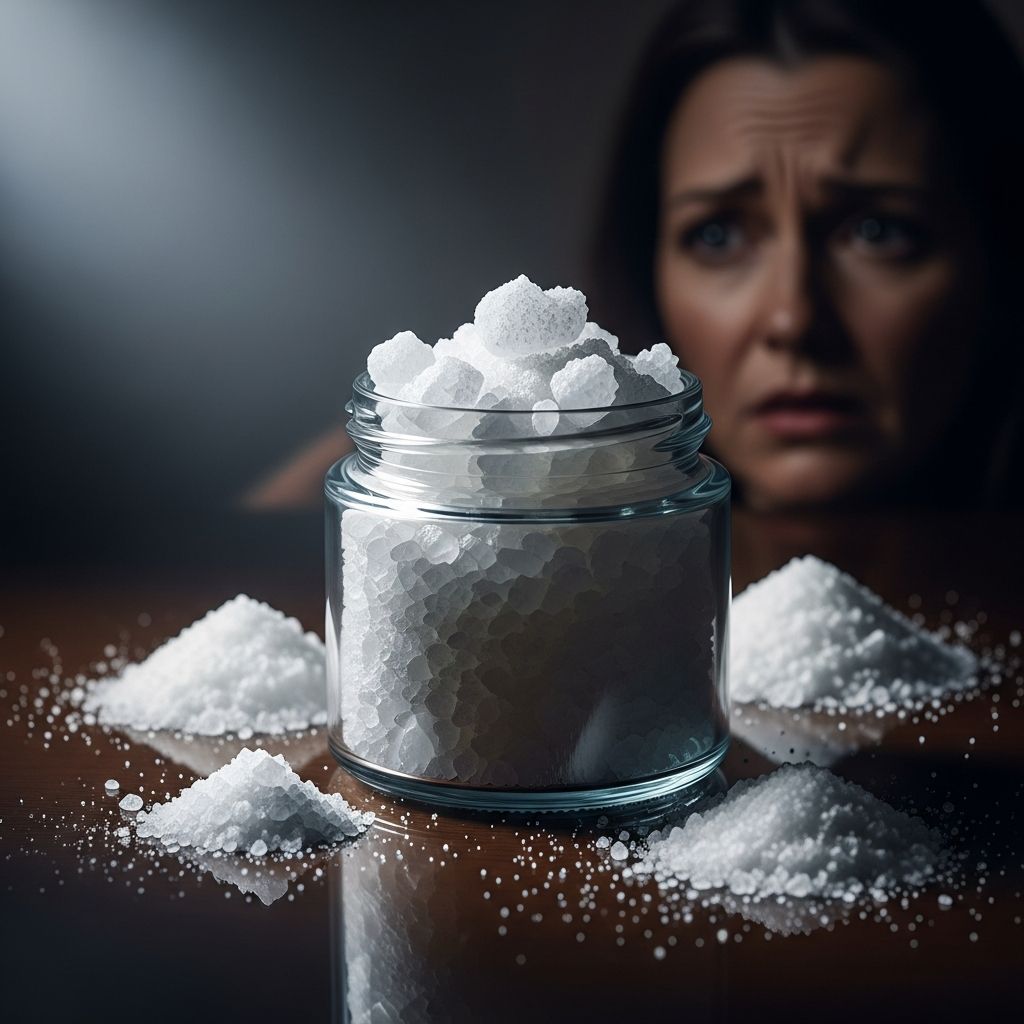
In drug slang, bath salts are not the perfumed crystals used in the tub. They are usually synthetic cathinones, lab-made chemicals designed to act like strong stimulants similar to cocaine, methamphetamine, or MDMA (ecstasy). These powders or crystals are often sold in small packets with labels such as “plant food,” “research chemicals,” or “not for human consumption” to hide their real purpose.
- Appearance: White, off-white, or brown powder or crystals.
- Common packaging: Foil or plastic packets, small jars, vape liquids, or capsules.
- Street names: May be sold under brand-style names, and also called “synthetic stimulants” or “legal highs.”
Young people might be drawn to these drugs because they are marketed as trendy, intense, and sometimes falsely advertised as safer or legal alternatives to other stimulants.
2. How Do Bath Salts Affect the Brain?
Bath salt drugs strongly stimulate the central nervous system. They cause a surge of brain chemicals (like dopamine and norepinephrine) that control pleasure, alertness, movement, and heart rate. This is why users often feel very energetic or euphoric at first.
One of the main chemicals found in some bath salts, MDPV (3,4-methylenedioxypyrovalerone), is extremely potent and may be even more addictive than methamphetamine. High doses of MDPV can severely disrupt communication between brain regions responsible for thinking, movement, and emotional control, producing effects similar to psychosis seen in serious mental illnesses.
| Possible Effect | What Parents Might Notice |
|---|---|
| Intense euphoria and high energy | Unusual excitement, talking fast, can’t sit still |
| Increased alertness | Stays awake for long periods, appears wired |
| Anxiety and panic | Restlessness, fearfulness, frequent checking of doors/windows |
| Paranoia and delusions | Says others are out to get them, extreme mistrust |
| Hallucinations | Talking to people who aren’t there, reacting to unseen things |
| Aggression or violence | Sudden anger, threats, or dangerous behavior |
These disturbing changes can appear suddenly and may last for hours, sometimes even days, after the drug use has stopped.
3. What Do Bath Salts Do to the Body?
Because bath salts are powerful stimulants, they can trigger dangerous physical reactions even in healthy young people. Official drug enforcement and health agencies report a wide range of serious side effects:
- Heart and circulation: Rapid heartbeat, high blood pressure, irregular heart rhythms, chest pain, risk of heart attack or stroke.
- Temperature and muscles: Overheating (hyperthermia), heavy sweating, tremors, muscle breakdown that can damage the kidneys.
- Neurological: Severe headaches, confusion, seizures, loss of consciousness.
- Other: Jaw clenching, grinding teeth, nausea, vomiting.
Emergency room data from the early 2010s showed tens of thousands of visits in the United States linked to bath salt intoxication, and many cases required intensive medical care or psychiatric hospitalization.
4. Long-Term Risks and Addiction
Although some teens believe they can try bath salts just once, these drugs have a strong potential to cause addiction. Research on synthetic cathinones shows they can create brain changes similar to those seen with cocaine and amphetamine misuse.
With repeated use, people may experience:
- Powerful cravings and difficulty stopping even after bad experiences.
- Tolerance (needing more to feel the same effects).
- Persistent mood problems such as depression, anxiety, and irritability.
- Ongoing psychotic symptoms (paranoia, hallucinations) even after the drug has left the body in some cases.
- Social and school consequences like dropping grades, conflicts, or legal problems.
Some long-term users develop serious medical complications including kidney and liver damage, malnutrition, and chronic pain, as well as a continuing risk of self-harm or suicide during severe depressive or psychotic episodes.
5. How Are Bath Salts Used?
Bath salt drugs can be taken in several ways, each bringing its own risks:
- Snorting (insufflation): Powder is inhaled through the nose.
- Swallowing: Pills, capsules, or powder mixed into drinks.
- Smoking or vaping: Powder or liquid form heated and inhaled.
- Injecting: Dissolved in liquid and injected into a vein or muscle.
Injection is especially dangerous, adding risks such as infections, abscesses, vein damage, and blood-borne diseases like HIV and hepatitis when needles are shared.
6. Why Are Bath Salts So Unpredictable?
A major danger of bath salts is that the user rarely knows what they are actually taking. These products are often made in unregulated laboratories and can contain:
- Different synthetic cathinones than listed on the package.
- Mixtures of multiple stimulants or other drugs (including synthetic cannabinoids or local anesthetics).
- Varying strengths from batch to batch, making overdose more likely.
Medical reports describe packets labeled as bath salts that contained only unrelated substances, such as lidocaine, or complex combinations of chemicals. This inconsistency means the same product name can produce completely different effects each time, even for the same user.
7. Warning Signs of Possible Bath Salt Use in Teens
No single sign proves a teen is using drugs, but certain patterns can raise concern. Parents should pay attention to sudden changes that cannot easily be explained by normal stress or typical teenage behavior.
Behavioral and Emotional Clues
- Periods of extreme energy followed by exhaustion.
- Unusually aggressive, hostile, or combative behavior.
- Appearing extremely fearful, paranoid, or suspicious without clear reason.
- Talking about hearing voices or seeing things that others do not.
- Risky or bizarre actions, such as running into traffic or self-harm.
Physical and Health Changes
- Rapid heartbeat, chest pain, or heavy sweating.
- Grinding teeth, jaw clenching, or muscle twitching.
- Difficulty sleeping for long periods, followed by long crashes.
- Unexplained weight loss or lack of appetite.
- Frequent nosebleeds (if snorting) or marks on arms or legs (if injecting).
School, Social, and Home Red Flags
- Sudden drop in grades or skipping school.
- Changing friend groups, secrecy around new peers.
- Hiding packages, powders, capsules, or strange-smelling vape liquids.
- Locking doors more often, deleting messages, or being overly protective of their phone.
Any combination of these signs, especially if they appear quickly and intensely, should prompt a calm but serious conversation and possibly a visit to a health professional.
8. Overdose and Medical Emergencies
Because bath salts are so potent and unpredictable, overdose can happen easily, even in first-time users. Official health and toxicology reports link these drugs to many life-threatening conditions, including heart attacks, strokes, brain swelling, seizures, coma, and sudden death.
Emergency Warning Signs
Call emergency medical services immediately if a child or teen has used a substance and shows any of the following:
- Chest pain, trouble breathing, or extremely fast heartbeat.
- Seizures, fainting, or not waking up when spoken to or shaken.
- Very high body temperature (hot, dry skin, heavy sweating, or confusion).
- Violent behavior that cannot be safely controlled.
- Severe hallucinations, extreme paranoia, or talk of suicide.
Do not wait to see if symptoms improve. In some cases, strong sedatives and intensive hospital care are needed to protect the person from harming themselves or others and to stabilize their heart, temperature, and breathing.
9. How Parents Can Talk With Kids About Bath Salts
Honest, age-appropriate conversations about drugs are one of the strongest protective factors against risky behavior. When you discuss bath salts with children or teens, aim to be calm, factual, and open.
Key Messages to Share
- They are not real bath products. Explain that these are powerful, illegal synthetic drugs, not the salts used in bathwater.
- Even one use can be dangerous. Heart problems, extreme panic, or psychosis can happen the first time, especially with unknown doses.
- You never know what’s inside. The contents and strength of each packet are unpredictable, which makes overdose more likely.
- Asking for help is safe. Emphasize that they can come to you or another trusted adult without fear if they are offered drugs or have already tried them.
Practical Conversation Tips
- Choose a relaxed time (for example, while driving or walking) rather than lecturing in anger.
- Ask open questions: “What have you heard about these kinds of drugs?”
- Listen more than you talk at first; avoid interrupting or shaming.
- Share real examples of health risks rather than exaggerating or using scare tactics.
- Agree on family rules and consequences around drug use and explain the reasons behind them.
10. Getting Help for a Teen Using Bath Salts
If you believe your child is using bath salts or other drugs, seeking help early can prevent serious harm and long-term problems. Treatment options can be tailored to the teen’s needs and may include medical care, counseling, and family support.
Where to Start
- Primary care clinician: A pediatrician or family doctor can assess immediate health risks and refer to specialists.
- Mental health professionals: Child and adolescent psychiatrists, psychologists, or counselors can evaluate mood, anxiety, and psychosis symptoms.
- Substance use programs: Outpatient or inpatient services that specialize in adolescent substance use can provide structured treatment and support.
Treatment may involve:
- Medical stabilization and monitoring after heavy or prolonged use.
- Cognitive-behavioral therapy (CBT) and other evidence-based approaches to reduce cravings and risky behaviors.
- Family therapy to improve communication, set boundaries, and support recovery.
- School coordination to manage academic impacts and support a safe return to learning.
Recovery is a process. Relapses can happen, but with consistent support, many young people are able to return to healthy, substance-free lives.
11. Prevention: Building Protection Before There Is a Problem
No parent can control every choice their child makes, but you can strengthen protective factors that reduce the chances of drug use, including bath salts.
- Strong relationships: Warm, consistent connection with parents or caregivers is one of the best defenses against substance use.
- Clear expectations: Let your child know your values and rules around drugs, and explain why they exist.
- Positive activities: Encourage sports, arts, clubs, or volunteering that build confidence and a healthy peer network.
- Media literacy: Talk about how social media, music, or online communities may glamorize risky behaviors without showing consequences.
- Modeling behavior: Be mindful of how you talk about alcohol, medications, and stress coping in your own life.
Frequently Asked Questions (FAQs)
Are bath salt drugs the same as Epsom salt or bath bombs?
No. Drug “bath salts” are synthetic stimulants with powerful effects on the brain and body, while Epsom salt and bath bombs are legitimate products used for bathing and do not have psychoactive effects.
Can someone die from using bath salts just once?
Yes. Because the contents and strength are unpredictable, even a single use can trigger heart problems, stroke, seizures, extreme overheating, or suicidal behavior that can be fatal in some cases.
Are bath salts illegal?
Many of the synthetic cathinones used in bath salt products are controlled substances in countries such as the United States. Manufacturers sometimes change chemicals to evade specific laws, but possession and sale can still be illegal under broader drug-control statutes.
How long do the effects of bath salts last?
Intense effects can last several hours, but in some cases, severe anxiety, paranoia, or psychosis have required hospitalization for days or longer, even after the drug is no longer detectable in the body.
What should I do if my teen admits to trying bath salts?
Stay as calm as possible, thank them for being honest, ask when and how much they took, and watch for any signs of distress. If there are symptoms like chest pain, confusion, or hallucinations, seek emergency care. Even if they feel fine, schedule an appointment with a health professional to discuss risks and next steps.
References
- Bath Salts Side Effects, Signs and Symptoms — The Recovery Village. 2022-04-15. https://www.therecoveryvillage.com/bath-salt-addiction/side-effects/
- “Bath salt” drug spurs psychosis-like condition in the brain — UF Health. 2016-09-27. https://ufhealth.org/news/2016/bath-salt-drug-spurs-psychosis-condition-brain-uf-health-study-finds
- A Trip on “Bath Salts” Is Cheaper Than Meth or Cocaine But Much More Dangerous — JAMA. 2013-04-10. https://jamanetwork.com/journals/jama/fullarticle/1486827
- Bath Salts (Synthetic Cathinones): Effects, Addiction, & Treatment — American Addiction Centers. 2022-06-10. https://americanaddictioncenters.org/stimulants/bath-salts
- Bath Salts — Drug Enforcement Administration (DEA). 2020-06-01. https://www.dea.gov/factsheets/bath-salts
- Bath salt drugs: What they are, effects, and overdose — Medical News Today. 2023-03-27. https://www.medicalnewstoday.com/articles/bath-salt-drug
- Mind Matters: The Body’s Response to Bath Salts — National Institute on Drug Abuse (NIDA), NIH. 2019-10-01. https://nida.nih.gov/videos/mind-matters-bodys-response-to-bath-salts