The Ancient Wisdom Meets Modern Science: Bananas as Nature’s Mood Support
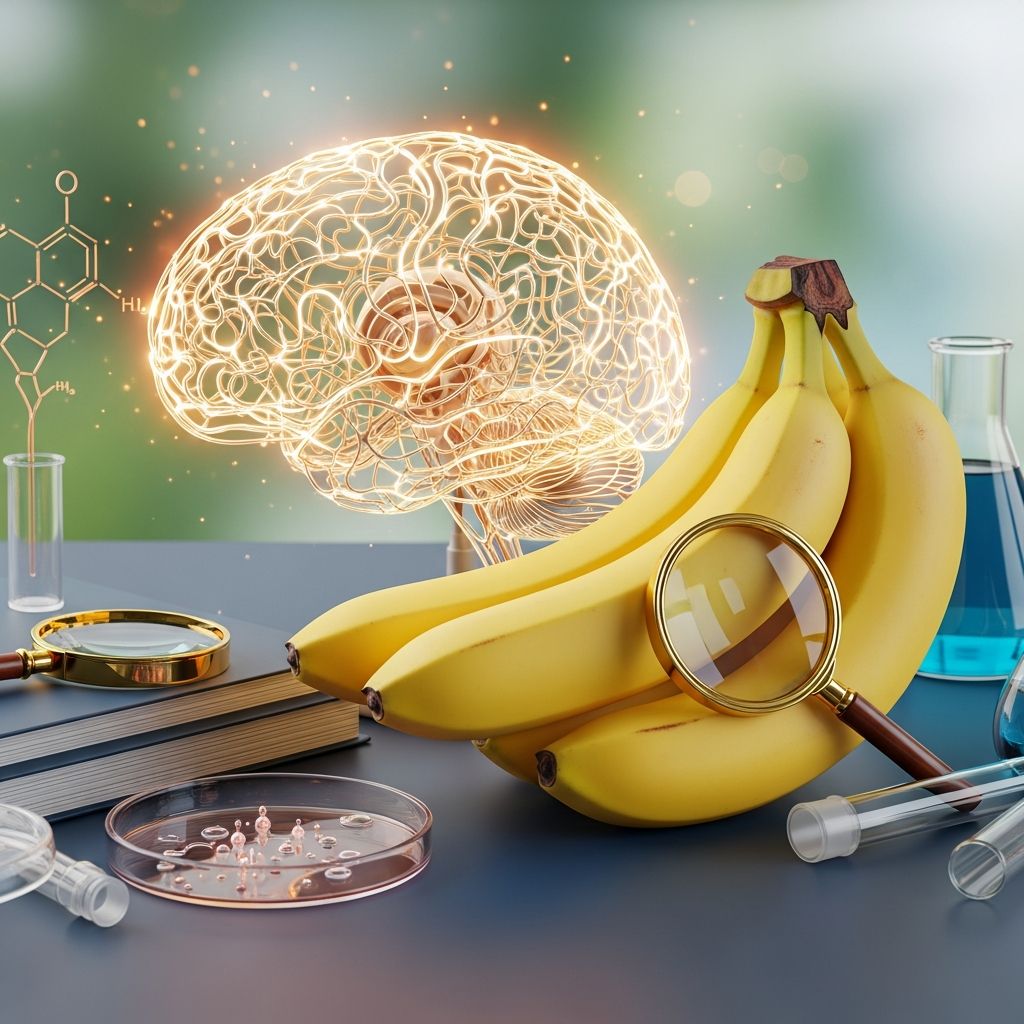
For generations, traditional wisdom has suggested that certain foods could lift our spirits and calm our nerves. Among these remedies, the humble banana has held a special place in folk medicine and dietary advice. What was once considered an old wives’ tale is now gaining substantial support from contemporary scientific research. Modern studies demonstrate that bananas contain specific biochemical compounds that genuinely influence mental health markers, stress reduction, and emotional well-being. This convergence of traditional knowledge and scientific validation offers compelling insights into how simple dietary choices can contribute to psychological wellness.
Understanding the Brain Chemistry Connection
To comprehend why bananas might support mental health, we must first understand the neurochemical foundations of mood regulation. The brain relies on numerous chemical messengers called neurotransmitters to facilitate communication between nerve cells and regulate emotional states. Among these crucial messengers, serotonin stands out as a primary regulator of mood, sleep patterns, and appetite regulation. When serotonin levels decline in the central nervous system, depression and anxiety can emerge as significant concerns.
The conventional pharmaceutical approach to addressing low serotonin involves medications designed to increase serotonin availability in the brain. However, emerging research suggests that dietary interventions may offer a complementary or alternative pathway. This is where bananas enter the picture with their unique nutritional composition.
The Role of Tryptophan: Building Blocks for Happiness
Bananas serve as an excellent dietary source of tryptophan, an essential amino acid that functions as the fundamental building block for serotonin synthesis in the human body. When you consume a banana, your digestive system breaks down the fruit and absorbs tryptophan, which then crosses the blood-brain barrier and becomes converted into serotonin through enzymatic processes. This biological transformation represents a direct pathway from food to mood enhancement.
Research examining tryptophan’s effects reveals compelling patterns. An Australian scientific team published findings in the journal Nutrients demonstrating that dietary tryptophan levels significantly influence mood, sleep quality, and cognitive processing. Animal studies showed that when rats consumed diets low in tryptophan for extended periods, they exhibited anxiety-like behaviors and depressive responses across multiple behavioral tests.
The implications are significant: inadequate tryptophan intake may contribute to negative emotional states, while sufficient consumption supports psychological equilibrium.
Vitamin B6: The Cofactor in Mental Wellness
Beyond tryptophan, bananas contain substantial quantities of vitamin B6, which plays an essential role in neurotransmitter production and brain function. Vitamin B6 acts as a crucial cofactor in the enzymatic reactions that convert tryptophan into serotonin. Without adequate B6 levels, even abundant tryptophan availability cannot be efficiently transformed into the neurotransmitters necessary for mood regulation.
Additionally, vitamin B6 facilitates the production of dopamine, another critical neurotransmitter that influences motivation, pleasure perception, and cognitive function. This dual action—supporting both serotonin and dopamine pathways—makes bananas a multifaceted tool for neurochemical optimization.
Potassium and Mineral Support for Neural Communication
The mineral composition of bananas contributes substantially to brain health and nervous system function. Potassium, one of bananas’ most abundant minerals, maintains proper nerve function and facilitates communication between brain cells. Proper neural communication is fundamental to mood regulation and emotional processing. Additionally, bananas contain magnesium, which supports overall brain health and stress response mechanisms.
This mineral profile creates an environment conducive to optimal neurological function and enhanced emotional resilience.
Antioxidant Protection for Brain Cells
Bananas also contain antioxidants, including dopamine and vitamin C, which protect brain cells from oxidative stress and neuroinflammation. Chronic oxidative stress can impair cognitive function and contribute to mood disorders. By providing antioxidant protection, bananas help maintain the structural and functional integrity of neural tissue essential for sustained emotional well-being.
Energy Substrate for Cognitive Function
Beyond neurotransmitter support, bananas provide a steady supply of glucose, which serves as the brain’s primary energy source. Stable blood glucose levels maintain consistent cognitive performance and emotional equilibrium throughout the day. The carbohydrate content in bananas, combined with fiber, creates a sustained energy release that prevents the mood fluctuations associated with rapid blood sugar swings.
Clinical Evidence: Stress Reduction and Mood Improvement
Scientific investigations have moved beyond theoretical mechanisms to demonstrate practical benefits. A notable clinical trial evaluated the effects of banana consumption on stress-related markers in healthy adult volunteers. Researchers divided 20 participants into two groups: one consuming two bananas daily for two weeks, and a control group consuming no bananas. The study assessed multiple stress biomarkers including intestinal health indicators, biochemical markers, autonomic nervous system balance, and psychological mood states.
The findings were striking: approximately 50% of the banana-consumption group demonstrated measurable improvements in stress markers. Specifically, effective responders showed:
- Decreased urinary indoxyl sulfate levels, indicating improved intestinal environment
- Reduced cortisol and chromogranin A concentrations, suggesting decreased stress hormone activity
- Altered heart rate variability patterns indicating increased parasympathetic nervous system dominance
- Enhanced positive mood subscales and reduced negative emotional states
The study demonstrated that 54% of banana consumers showed increased parasympathetic activity, with 31% experiencing decreased sympathetic dominance. The parasympathetic nervous system represents the body’s “rest and digest” mode, counteracting the stress-response sympathetic system. This shift toward parasympathetic predominance indicates genuine stress relief at the physiological level.
Mood Enhancement Across Multiple Psychological Domains
Beyond stress biomarkers, the clinical research examined psychological mood states using validated assessment tools. Between 46% and 62% of banana-consuming subjects demonstrated significant improvements in negative mood subscales, with enhanced positive emotional states. Total mood disorder scores improved in 62% of the intervention group. These results suggest that banana consumption influences multiple psychological dimensions simultaneously.
Another clinical investigation examined anxiety specifically using the Hamilton Anxiety Rating Scale over a 14-day period. Participants receiving banana intervention demonstrated measurable reductions in anxiety levels compared to control groups, with anxiolytic effects becoming apparent within the two-week timeframe.
Mechanisms: Prebiotic Function and Gut-Brain Integration
Recent research reveals that bananas function as prebiotics—substances that nourish beneficial gut bacteria. The gut microbiota influences brain function through the gut-brain axis, a bidirectional communication system between the gastrointestinal tract and central nervous system. By improving the intestinal environment through prebiotic action, bananas may indirectly enhance mood and stress resilience through microbial metabolite production.
This mechanism demonstrates that banana benefits extend beyond direct neurochemical effects to include systemic physiological improvements that support mental health.
Cognitive Enhancement and Memory Support
Beyond mood and anxiety relief, bananas contribute to broader cognitive functioning. Research indicates that tryptophan supplementation improves emotional and cognitive processing speed, with enhanced attention capabilities. When participants consumed tryptophan-containing supplements 60-90 minutes before bedtime, they consistently reported increased feelings of calmness and happiness. This timing consideration suggests that bananas consumed in late afternoon or evening may optimize sleep quality and morning mood state.
Individual Response Variability and Practical Considerations
While the research is encouraging, it is important to note that approximately 50% of study participants demonstrated significant improvements while others showed minimal response. This individual variability suggests that while bananas represent a valuable dietary intervention, they may not universally produce the same magnitude of benefit for all individuals. Factors including baseline nutritional status, individual biochemistry, overall diet quality, and lifestyle factors likely influence response magnitude.
For optimal results, bananas appear most effective when integrated into a comprehensive approach to mental wellness that includes regular physical activity, adequate sleep, stress management practices, and overall nutritional adequacy.
Natural Intervention with Minimal Risk Profile
Compared to pharmaceutical interventions, banana consumption represents a low-risk approach to mood support. Bananas are naturally sweet, contain beneficial fiber for digestive health, and support skin health through their nutrient density. They offer multiple physiological benefits beyond mental health, making them a valuable addition to any wellness-oriented diet.
Bananas as Part of a Comprehensive Wellness Strategy
The scientific evidence validates what traditional wisdom has long suggested: simple dietary modifications can meaningfully influence emotional and psychological well-being. Bananas, through their unique combination of tryptophan, vitamin B6, potassium, magnesium, antioxidants, and prebiotic compounds, represent a multifaceted approach to supporting mental health. Regular banana consumption appears to enhance mood, reduce anxiety, support stress recovery, and improve overall psychological stability in a significant proportion of consumers.
Rather than viewing bananas as a standalone solution, they are best integrated into a holistic approach to mental wellness that emphasizes nutritious whole foods, physical activity, quality sleep, and stress management. The convergence of traditional knowledge and modern scientific validation suggests that occasionally overlooked dietary interventions deserve serious consideration as part of contemporary mental health strategies.
Frequently Asked Questions
How many bananas should I consume daily for mood benefits?
Research demonstrates benefits with two bananas daily over a two-week period. However, individual responses vary, and integration into a balanced diet is recommended rather than excessive consumption.
When is the best time to eat a banana for mood support?A: Late afternoon or 60-90 minutes before bedtime may optimize benefits, as tryptophan absorption may support evening relaxation and sleep quality.
Q: Can bananas replace psychiatric medication for depression or anxiety?
No. Bananas represent a complementary dietary intervention that may support mental health, but they should not replace professional medical treatment. Consult healthcare providers regarding appropriate treatment approaches.
Why don’t all people experience mood benefits from bananas?
Individual biochemistry, baseline nutritional status, diet quality, and lifestyle factors influence response magnitude. Approximately 50% of study participants demonstrated significant improvements.
Are frozen or dried bananas as effective as fresh bananas?A: While research primarily examined fresh bananas, the active compounds (tryptophan, B6, potassium) remain present in processed forms. Minimal processing likely preserves beneficial components.
Q: What other foods complement bananas for mental health support?
Foods containing tryptophan (nuts, seeds, poultry, dairy) and B-vitamin sources (whole grains, leafy greens) synergize with bananas for optimal neurochemical support.
References
- Banana Intake Relieves the Stress of Daily Life in Healthy Adult Volunteers — Science and Education Publishing (SCIEDU). 2023. https://pubs.sciepub.com/jfnr/10/12/2/index.html
- How Bananas Can Improve Mood, Memory, and Cognitive Function — Memory Morsels. 2024. https://memorymorsels.org/how-bananas-can-improve-mood-memory-and-cognitive-function/
- Exploring the Role of Banana on Mental Health — Biomedical Research Journal. 2024. https://biomedres.us/fulltexts/BJSTR.MS.ID.009112.php
- Wellness Wednesday: The Brilliance of Bananas — Rio Salado College. 2025. https://www.riosalado.edu/news/2025/wellness-wednesday-brilliance-bananas