More parents than ever want products that feel good on their baby’s skin and align with their environmental values. Bamboo diapers are one of the most talked-about options, promising softness, strong absorbency, and a lighter footprint than traditional disposables. This guide breaks down what bamboo diapers really are, how they work in everyday life, and what to consider before making the switch.
What Exactly Are Bamboo Diapers?
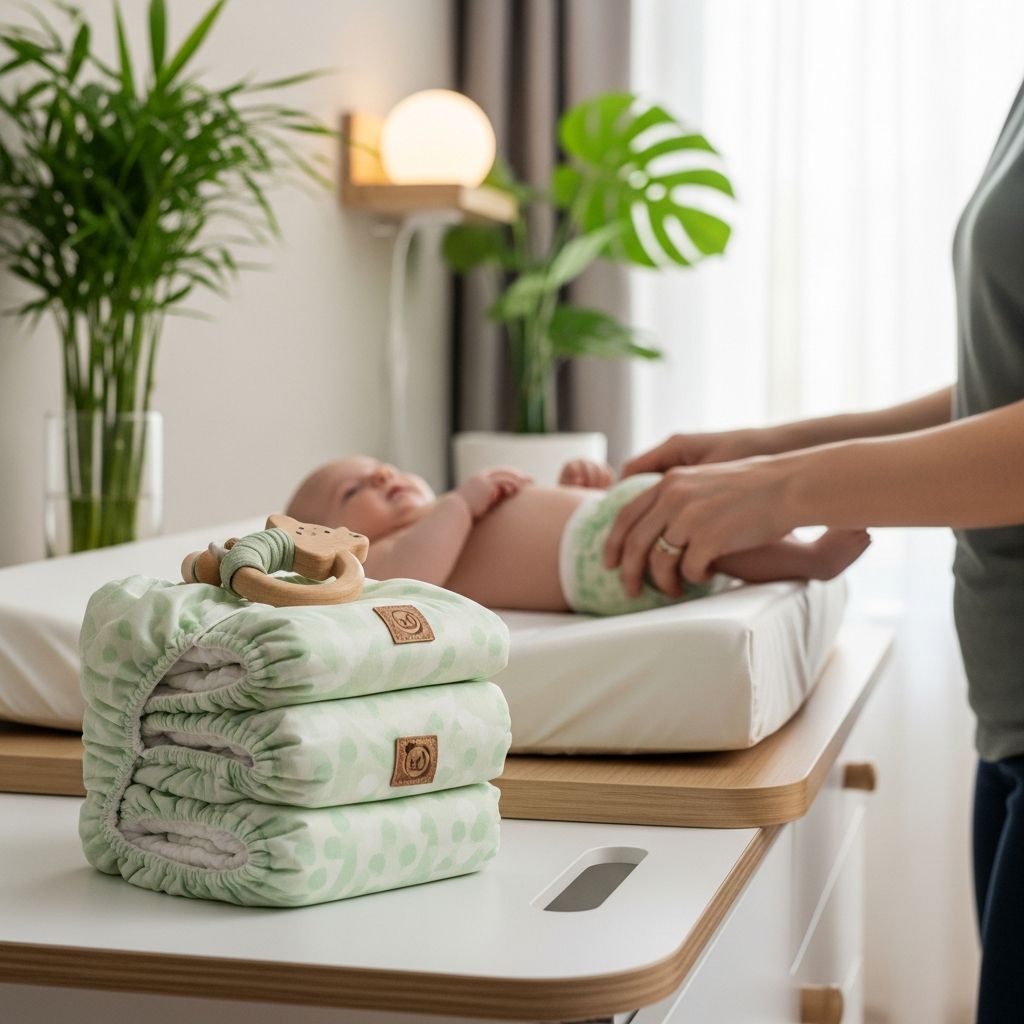
Bamboo diapers are single-use diapers made primarily from fibers derived from bamboo plants instead of only petroleum-based plastics or conventional wood pulp. While they still contain some non-plant components for structure and leak protection, their top and inner layers often feature bamboo-based materials that touch your baby’s skin.
The term “bamboo” can cover slightly different manufacturing methods, but the common goal is the same: use a fast-growing plant to create a diaper that feels gentle, performs well, and reduces certain environmental impacts compared with standard disposables.
Why Parents Consider Bamboo: Core Benefits
Bamboo diapers appeal to families for several overlapping reasons—comfort, performance, and sustainability. Below are typical advantages many parents report when they switch.
- Soft feel: The inner lining is usually smoother than many traditional diaper brands, which can be particularly helpful for delicate or reactive skin.
- Strong absorbency: High absorbency means fewer leaks, especially at night or during long car rides.
- Breathability: Bamboo-based fabrics tend to allow more airflow, helping to reduce heat and moisture buildup inside the diaper.
- Lower irritation potential: Many bamboo-focused brands avoid certain lotions, fragrances, or chlorine bleaching, which can help some babies prone to redness or rashes.
- Plant-based and often more eco-conscious: By relying heavily on a renewable plant resource, these diapers are positioned as kinder to the planet than fully plastic-heavy options.
How Bamboo Diapers Compare to Conventional Disposables
To understand whether bamboo diapers fit your family, it helps to compare them to typical disposables in a few key areas: comfort, absorbency, environmental impact, and price.
| Feature | Bamboo Diapers | Conventional Disposables |
|---|---|---|
| Primary material | Plant-based bamboo fibers plus supporting materials | Wood pulp plus larger share of petroleum-based plastics |
| Feel against skin | Typically very soft and smooth | Soft but can feel more papery or synthetic |
| Absorbency | Usually high; often marketed for overnight use | Varies widely by brand; mid to high |
| Breathability | Often more breathable due to bamboo-based layers | Depends on brand; some feel warmer or less airy |
| Eco positioning | Markets focus on renewability and reduced plastic | Often focus on price and mainstream performance |
| Average cost per diaper | Usually higher than budget disposables | Wide range, from very low-budget to premium |
Comfort and Skin Health: What Parents Notice
Many families first try bamboo diapers because their baby struggles with recurring redness, chafing, or rashes in regular disposables. A smoother, breathable inner layer can make a noticeable difference for some babies, especially in warm weather or overnight.
Of course, every child is different. Some babies do well in nearly any diaper, while others react to certain materials, dyes, or fragrances. Bamboo diapers are not a cure-all, but they can be a helpful option for parents who want to remove potential irritants while maintaining the convenience of disposables.
Environmental Perspective: How “Green” Are Bamboo Diapers?
Bamboo plants grow quickly and do not typically require replanting after each harvest, which makes them an attractive raw material. In theory, using bamboo instead of slow-growing trees or purely fossil-based plastics can reduce pressure on certain resources.
However, processing bamboo into soft, diaper-ready material still involves industrial steps and additives. While bamboo diapers may use fewer petroleum-based inputs and may break down more readily under the right conditions than conventional diapers, they are still single-use items that require energy, packaging, and transportation. The key takeaway: bamboo diapers are often a better step, not a perfect solution.
Real-World Use: Performance in Daily Life
Performance matters more than marketing when you are changing a diaper at 3 a.m. Most bamboo diaper brands emphasize strong absorption and leak protection, and many parents report success using them as day and overnight diapers.
As with any diaper, how well they work will depend on your baby’s build, how often you change them, and whether the size and fit are ideal. If you experience consistent leaks, the solution is often as simple as moving up a size, adjusting the tabs, or checking for gaps around the legs.
Cost Considerations and Budget Tips
One of the biggest trade-offs with bamboo diapers is price. They usually cost more per diaper than large-pack, mainstream disposables at big-box stores. For some families, that extra cost is manageable; for others, it requires more planning and creativity.
- Use bamboo diapers primarily overnight or during long outings when performance matters most, and a less expensive diaper at home for short changes.
- Watch for bulk discounts, subscription programs, or bundle offers that reduce the cost per diaper.
- Track how often you need to change bamboo diapers. If they truly leak less for your child, you may use fewer overall, which can narrow the price difference.
Fit, Sizing, and Avoiding Leaks
Even the best diaper will leak if the fit is off. Bamboo diapers tend to offer a trim, flexible fit, but small differences in your baby’s shape—chunky thighs, petite waist, or a long torso—can change how a brand works for you.
- Check the brand’s weight chart, but treat it as a guideline rather than a rule. If your baby is between sizes, consider leaks, marks, and how snug the diaper looks before deciding.
- When putting on the diaper, pull the back high and snug, then bring the front panel up and over the belly button. Fasten the tabs so they are angled slightly upward rather than straight across.
- Run a finger along the leg cuffs to make sure the soft inner ruffles are pulled outward, not tucked in, which helps prevent blowouts.
How Bamboo Diapers Fit into Different Parenting Styles
No two families diaper exactly the same way. Some parents use bamboo diapers full-time, while others combine them with cloth or conventional disposables to strike a balance between cost, convenience, and sustainability.
A few common approaches include using bamboo diapers exclusively for newborns with very sensitive skin, keeping them as the go-to option for nighttime or travel, or using them alongside cloth inserts during the day to reduce waste even further.
Practical Tips for Getting Started
If you are curious but unsure where to begin, start with a testing mindset. Treat the first few weeks as an experiment rather than an all-or-nothing commitment.
- Order a smaller pack from two different bamboo diaper brands and compare softness, fit, and leak protection over a few days.
- Try them both during naps and overnight to see which holds up better under heavier wetting.
- Pay attention to any change in skin condition, especially if your baby previously had rashes or irritation.
Disposal and End-of-Life Realities
Many bamboo diaper brands highlight biodegradability or compostability, but the reality depends on local conditions. Household trash often ends up in landfills where airflow and moisture are limited, slowing down decomposition for any material, even plant-based ones.
If industrial composting programs for diapers exist in your region, read the rules carefully; many facilities require that solid waste be removed and may accept only specific certified products. Without such infrastructure, bamboo diapers should generally be treated like other disposables and disposed of in the trash after solids are flushed when possible.
Key Pros and Cons at a Glance
| Category | Pros | Cons |
|---|---|---|
| Comfort | Very soft, flexible, often more breathable | Fit can vary by brand; some may run small or large |
| Performance | Strong absorbency, suitable for overnight for many babies | Improper sizing still leads to leaks or blowouts |
| Skin sensitivity | Often free from certain fragrances and lotions; gentle for many babies | Not every baby will respond the same way; some irritation can still occur |
| Environment | Plant-based fibers and reduced reliance on plastics compared to many mainstream brands | Still single-use; disposal systems may not fully realize biodegradability benefits |
| Cost | May reduce total changes if absorbency is higher | Per-diaper cost usually higher than budget disposables |
SEO-Friendly FAQs About Bamboo Diapers
Are bamboo diapers better for sensitive skin?
Many families find bamboo diapers helpful for babies with easily irritated skin because the inner lining is often very smooth and free from added fragrances or lotions. That said, every child is unique, so it is best to introduce any new diaper gradually and watch for changes in redness, dryness, or discomfort.
Do bamboo diapers really help the environment?
Bamboo diapers generally rely on a fast-growing plant that can be harvested repeatedly, which is a step toward more responsible resource use. However, they are still single-use items, and their environmental impact depends on how they are manufactured, transported, and disposed of, so they should be seen as an improvement rather than a perfect solution.
Can bamboo diapers be composted at home?
In most households, composting used diapers at home is not recommended because of hygiene and safety concerns. Some specialized commercial facilities accept specific diaper brands for controlled composting, but rules vary widely by region, so it is important to check local guidelines rather than assume all bamboo diapers are compostable in practice.
How many bamboo diapers does a baby need per day?
The number of diapers your baby needs depends more on age and individual habits than on the material. Newborns may need 10 to 12 changes per day, while older babies often use 6 to 8; if bamboo diapers are more absorbent for your child, you might do slightly fewer changes, but it is still essential to change promptly after soiling.
Are bamboo diapers worth the extra cost?
For parents who prioritize softer materials, strong absorbency, and a plant-based design, the higher price can feel justified, especially if the diapers reduce leaks or skin issues. Families on a tighter budget sometimes choose a hybrid strategy—using bamboo diapers for nights, long outings, or sensitive phases, and a more economical option at other times.
How to Decide if Bamboo Diapers Are Right for You
Choosing the “right” diaper is less about finding a perfect product and more about balancing your baby’s comfort, your eco-conscious goals, and your budget. Bamboo diapers offer a practical middle ground between mainstream disposables and more time-intensive options like cloth.
If you are drawn to the idea of a softer, more plant-forward diaper and willing to invest a bit more per change, trying a few small packs is a low-risk way to see whether bamboo diapers make your daily routine easier, cleaner, and more comfortable for everyone.