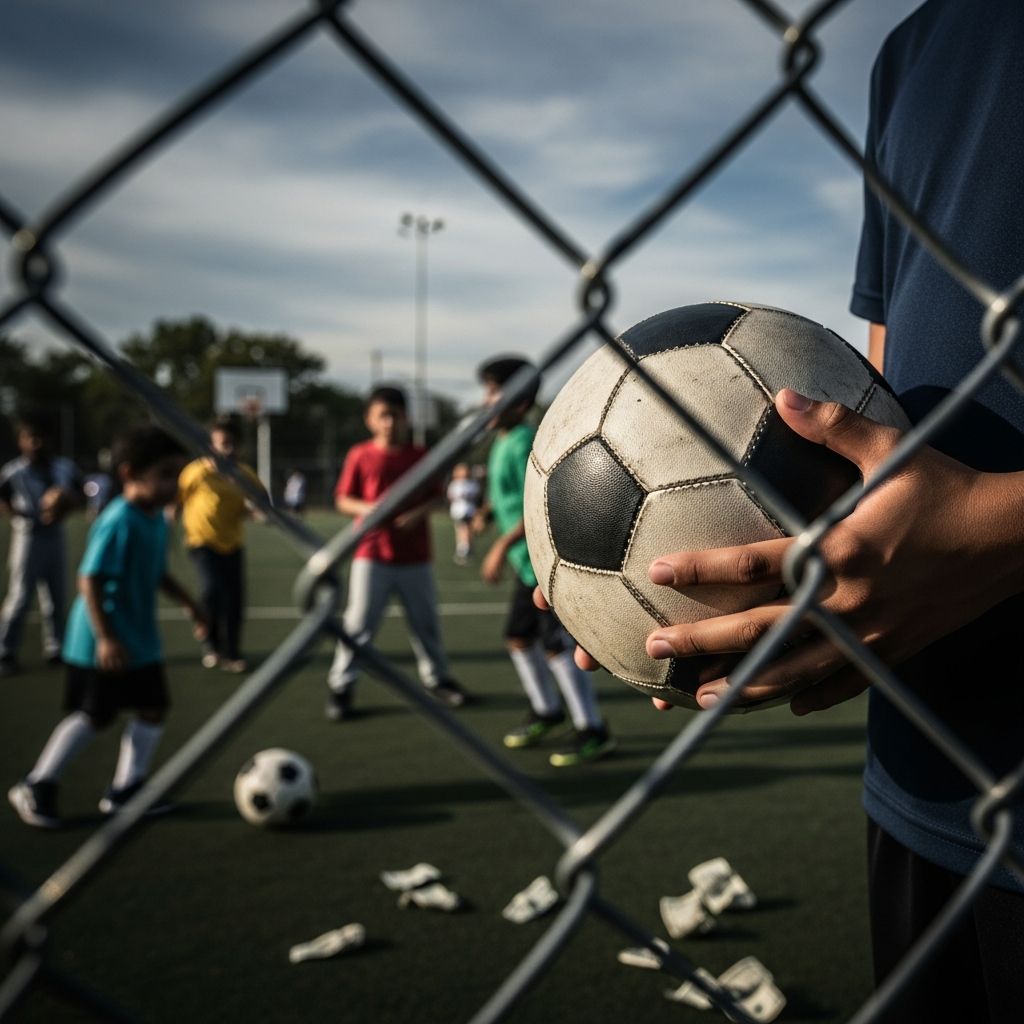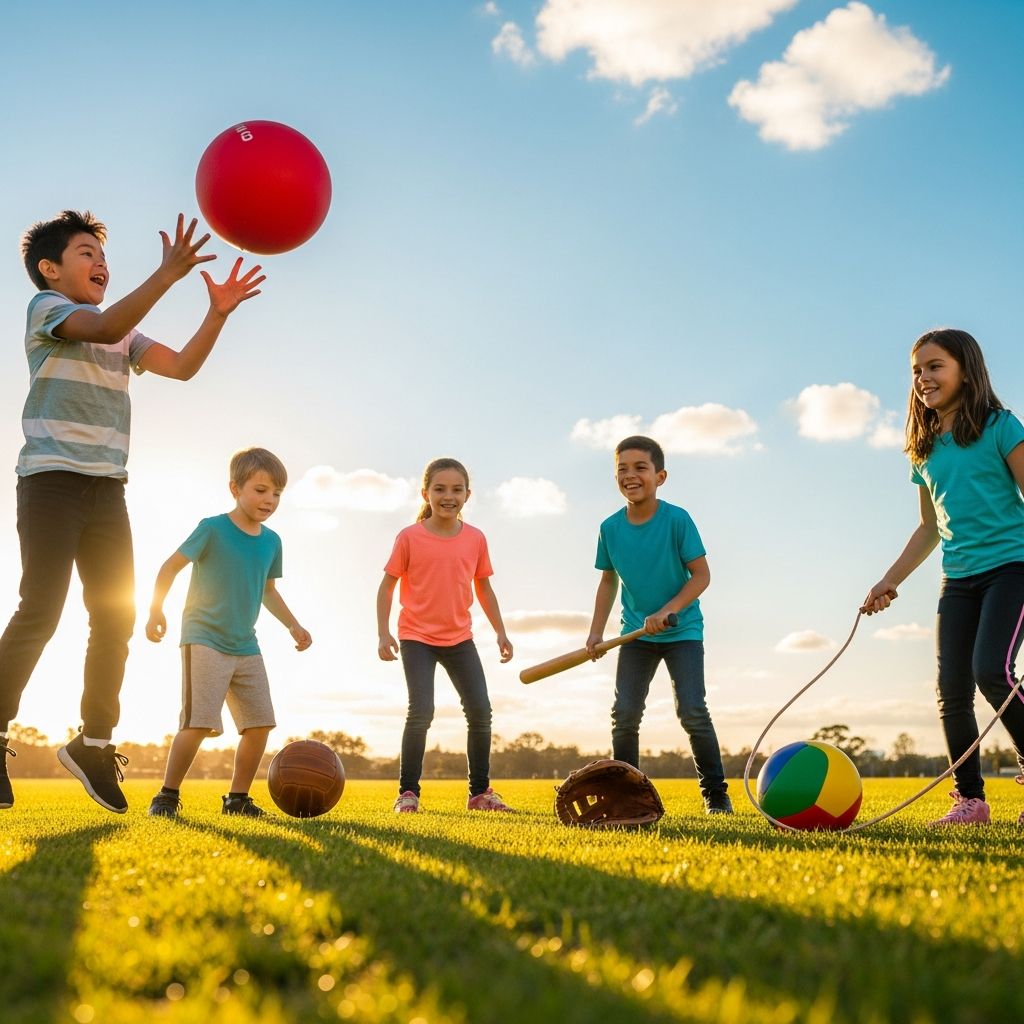
Ball games have long been a cornerstone of childhood play, offering endless opportunities for physical exertion, mental sharpness, and social bonding. These simple yet profound activities engage children in ways that modern screens cannot match, fostering essential developmental milestones from toddlerhood through the school years. By incorporating balls into daily routines, parents can help kids build strength, coordination, and confidence while creating joyful memories.
Why Ball Play Matters for Young Minds and Bodies
Engaging in ball-related activities profoundly impacts a child’s overall growth. Physically, these games enhance gross motor skills like running, jumping, and balancing, while also improving hand-eye coordination essential for everyday tasks. Cognitively, children develop problem-solving abilities as they adjust throws or strategize in team play, boosting focus and adaptability. Socially, group games teach cooperation, turn-taking, and communication, strengthening relationships and emotional resilience.
Research highlights how ball play counters sedentary lifestyles, reducing obesity risks and promoting cardiovascular health through increased endurance and muscle strength. For infants and toddlers, large, soft balls aid in grasping and spatial awareness, laying foundational skills. As kids age, these activities build self-esteem by demonstrating tangible skill improvements, encouraging persistence.
Essential Gear for Endless Fun
Starting with the right equipment ensures safety and enjoyment. Opt for age-appropriate balls: lightweight beach balls for under-3s to prevent injury, soft foam balls for preschoolers honing coordination, and durable rubber or playground balls for older children tackling advanced games. Add cones, hula hoops, or chalk for marking play areas, turning any backyard or park into a dynamic playground. Always prioritize supervision near traffic or water, and choose shaded spots during hot weather to maintain hydration and comfort.
Games for Tiny Explorers (Ages 2-4)
For the youngest players, focus on sensory discovery and basic movements. These games introduce balls gently, emphasizing rolling and gentle tossing to spark curiosity without overwhelming little ones.
- Roll and Chase: Sit cross-legged facing your child and roll a large, colorful beach ball back and forth. This builds anticipation, turn-taking, and leg muscles as they scoot to retrieve it. Progress to standing rolls for balance practice.
- Bounce Discovery: Place a soft ball on the ground and demonstrate bouncing while naming colors or numbers. Encourage imitation to develop fine motor control and language skills through verbal cues.
- Ball Hide-and-Seek: Hide the ball under a blanket or behind toys. Searching reinforces object permanence and problem-solving, key cognitive milestones.
These activities not only entertain but also enhance temporal awareness, helping toddlers time their movements effectively. Sessions of 10-15 minutes suffice, repeated daily for optimal gains.
Energetic Challenges for School-Age Kids (Ages 5-8)
As coordination sharpens, introduce games demanding speed and strategy. These build fitness, teamwork, and quick thinking, ideal for schoolyards or family gatherings.
- Target Toss Challenge: Set up hoops or buckets at varying distances. Players earn points by tossing balls accurately, adjusting for wind or angle. This hones precision and math skills through scoring.
- Relay Kick Race: Divide into teams; each child kicks a ball to a marker, tags the next player, and returns. Promotes endurance, cooperation, and excitement in group settings.
- Dodge Delight: Form two teams throwing soft balls to tag opponents without hitting below the waist. Emphasizes agility, reaction time, and fair play rules.
Such games increase heart rates, fortifying the cardiovascular system and muscle endurance vital for long-term health. Rotate roles to ensure inclusivity, adapting for mixed skill levels.
Advanced Play for Tweens and Families (Ages 9+)
Older kids thrive on competitive yet cooperative formats, blending skill-building with strategy. Involve the whole family for bonding and modeling sportsmanship.
| Game Name | Players Needed | Key Skills Developed | Setup Time |
|---|---|---|---|
| Wall Ball Tournament | 3-10 | Reaction speed, accuracy, strategy | 2 minutes |
| Four-Square Frenzy | 4+ | Agility, quick decisions, teamwork | 5 minutes |
| Ultimate Ball Circuit | 6+ | Endurance, passing, defense | 10 minutes |
- Wall Ball Tournament: Mark zones on a wall with chalk; bounce balls off it to advance opponents. Builds reflexes and spatial judgment.
- Four-Square Frenzy: Divide a square into quadrants; eliminate players by hitting the ball into their square unfairly. Encourages focus and adaptability.
- Ultimate Ball Circuit: Like ultimate frisbee but with kicking or passing a ball across a field goal. Fosters endurance and tactical planning.
These elevate play to competitive levels, teaching resilience through wins and losses while burning calories effectively.
Indoor Alternatives for Any Weather
Rainy days needn’t halt fun. Indoor ball games maintain momentum using soft, small balls to fit living spaces.
- Laundry Basket Goals: Hang baskets as nets; dribble or throw socks balled up as projectiles. Perfect for precision without noise.
- Balloon Ball Bash: Use inflated balloons for slow-motion volleyball over a couch ‘net,’ improving control and laughter-filled teamwork.
- Pin Knockdown: Stack plastic cups as pins; roll balls to topple them, calculating points for angles and force.
These options sustain physical activity indoors, promoting consistency in development regardless of weather.
Health and Safety Guidelines for Play
Prioritize well-being to maximize benefits. Warm up with stretches to prevent strains, enforce rules against head throws, and ensure balls suit ages to avoid choking. Hydrate frequently, especially in heat, and limit sessions to 30-60 minutes with breaks. Watch for fatigue signs, adapting intensity for inclusivity. Consult pediatricians for children with conditions like asthma.
Ball play combats childhood obesity by instilling active habits early, with studies showing regular engagement correlates to better fitness levels. Mentally, it reduces stress through endorphin release and social fun.
Frequently Asked Questions
What age can kids start ball games?
From 6 months with supervised rolling of large, soft balls, progressing as motor skills develop. Always match ball size to avoid hazards.
How often should kids play ball games?
Aim for 60 minutes daily of moderate activity, per health guidelines, blending ball play with other movements for balanced growth.
Do ball games help with school performance?
Yes, by enhancing focus, problem-solving, and confidence, which transfer to academics.
Are these games suitable for groups of different ages?
Absolutely; modify rules—like closer targets for younger players—to ensure everyone participates joyfully.
Can indoor ball play be as beneficial as outdoor?
Yes, it maintains motor and social gains while providing weather-proof options.
Building Lifelong Habits Through Play
Incorporating ball games into routines yields lasting rewards: fitter bodies, sharper minds, and stronger bonds. Parents playing alongside model healthy behaviors, amplifying emotional benefits. Track progress with photos or skill charts to motivate, turning play into a family tradition. As children master throws or teamwork, they gain tools for life’s challenges, proving simple balls wield powerful developmental magic.
References
- Benefits of Ball Play & Fun Activities for Child Development — Beyond Care Therapy. 2023-05-15. https://beyondcaretherapy.com/blog/benefits-of-ball-play-fun-activities/
- The Many Benefits of Ball Play — BabySparks. 2019-11-07. https://babysparks.com/2019/11/07/the-many-benefits-of-ball-play/
- Playing with balls: activities for kids — Raising Children Network. 2023-01-10. https://raisingchildren.net.au/guides/activity-guides/movement/playing-with-balls-activity
- Games for summer parties with children & advantages of play balls — TOGU. 2022-06-20. https://www.togu.de/en/blog/games-for-summer-parties-with-children-advantages-of-play-balls
- Ball games for kids: co-operative learning or a not-so-healthy competitive race — UniMed Living. 2021-08-12. https://www.unimedliving.com/education/the-future-of-education/ball-games-for-kids-co-operative-learning-or-a-not-so-healthy-competitive-race.html