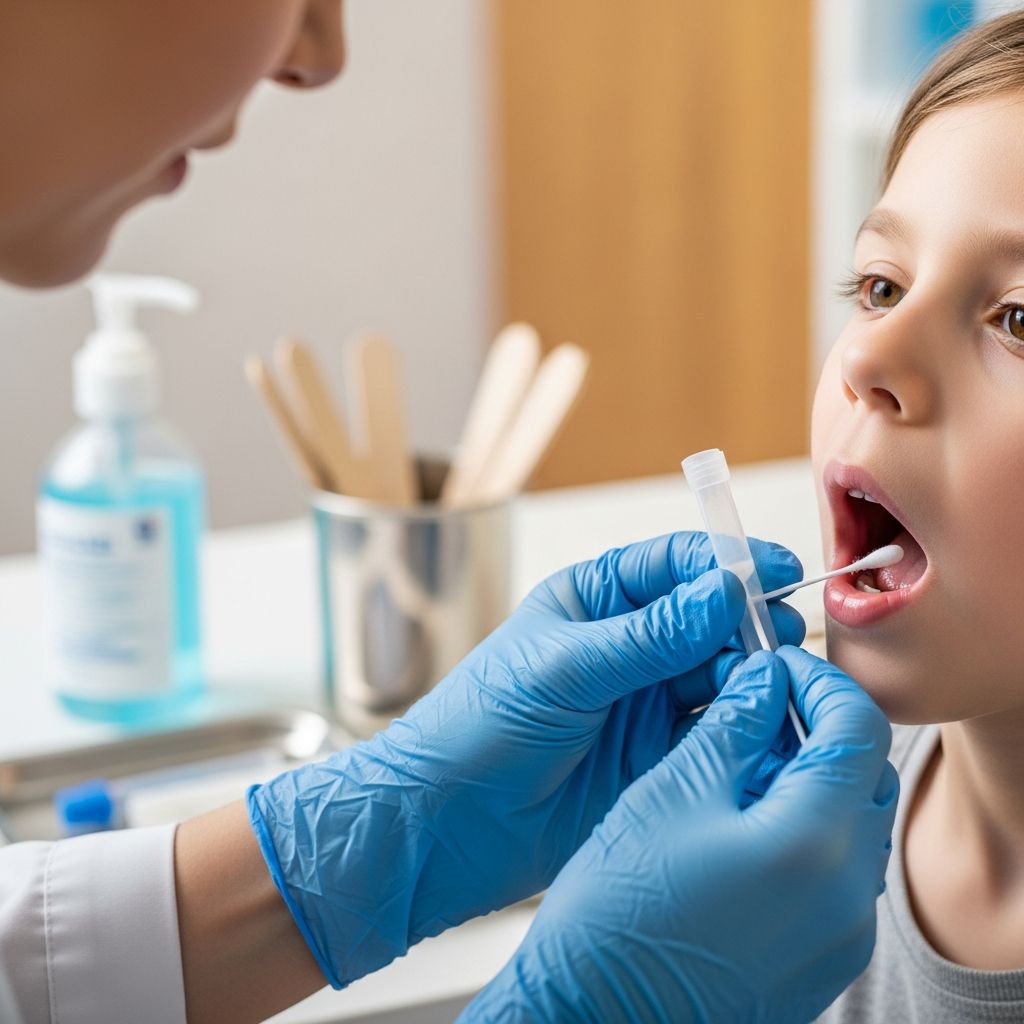
Bacterial culture tests are vital diagnostic tools used to detect and identify bacteria causing infections in children, allowing doctors to prescribe the most effective antibiotics. These tests involve growing bacteria from a child’s sample in a lab to confirm infection and test antibiotic responses, ensuring targeted treatment.
Why Bacterial Culture Tests Matter for Kids’ Health
Children are prone to bacterial infections due to their developing immune systems, close contact in schools, and exploratory behaviors. Common issues include sore throats from strep, ear infections, urinary tract infections (UTIs), and skin wounds. Unlike viral infections, bacterial ones respond to antibiotics, but overuse breeds resistance—a growing global concern. Culture tests pinpoint the exact bacteria and its weaknesses, promoting precise therapy.
According to health authorities, timely diagnosis prevents complications like rheumatic fever from untreated strep or kidney damage from UTIs. For parents, grasping this process reduces anxiety during doctor’s visits and empowers advocacy for their child’s care.
How the Bacterial Culture Process Works Step by Step
The journey starts with sample collection tailored to the suspected infection site. Labs then culture the sample to multiply bacteria for analysis.
1. Collecting the Sample from Your Child
- Throat swab: For strep throat, a technician swabs the throat and tonsils quickly, though it may gag young kids. No eating or drinking beforehand helps accuracy.
- Urine sample: For UTIs, parents collect ‘midstream’ urine in a sterile bag or cup for infants; older kids use a clean-catch method. Catheters are rare for accuracy.
- Skin or wound swab: Gently rubs the infected area to pick up pus or fluid.
- Blood draw: For severe cases like sepsis, from a vein; multiple sites reduce contamination risks.
- Sputum or nasal swab: Cough-up mucus for respiratory issues or nasal for carriers.
Comfort your child with explanations and distractions; the swab feels like a big Q-tip and takes seconds.
2. Lab Cultivation and Bacteria Growth
Samples go to a bacteriology lab placed on nutrient-rich agar plates or broth in incubators at body temperature (around 98.6°F). Bacteria multiply visibly in 24-48 hours, forming colonies. Techs use microscopes and Gram staining—purple for Gram-positive (e.g., strep), pink for Gram-negative (e.g., E. coli)—for initial ID.
Advanced tools like MALDI-TOF mass spectrometry speed identification by analyzing bacterial proteins, cutting wait times.
3. Antibiotic Sensitivity Testing
Once identified, bacteria face antibiotics via methods like:
- Disk diffusion (Kirby-Bauer): Antibiotic disks on agar plates; clear ‘zones of inhibition’ show effectiveness—larger zones mean better killing power.
- Broth microdilution: Tests multiple antibiotics in wells; no growth indicates minimum inhibitory concentration (MIC).
- E-test strips: Gradient strips yield precise MIC values.
This ensures antibiotics match the bug, combating resistance.
Common Reasons for Culture Tests in Children
| Infection Type | Sample Used | Common Bacteria | Potential Complications if Untreated |
|---|---|---|---|
| Strep Throat | Throat swab | Group A Streptococcus | Rheumatic fever, kidney inflammation |
| Urinary Tract Infection | Urine | E. coli, other Enterobacteriaceae | Kidney damage, sepsis |
| Skin/Soft Tissue | Wound swab | Staph aureus, Streptococcus | Cellulitis, abscess |
| Pneumonia | Sputum | Streptococcus pneumoniae | Hospitalization, empyema |
| Bloodstream (Sepsis) | Blood | Various, including Gram-negatives | Organ failure, death |
This table highlights frequent pediatric uses; doctors choose based on symptoms like fever, pain, or discharge.
Interpreting Your Child’s Culture Results
Results arrive in 1-3 days, sometimes faster with rapid tests. Key outcomes:
- Positive for bacteria: Identifies species (e.g., ‘Strep pyogenes’) and sensitivities (e.g., ‘sensitive to penicillin, resistant to erythromycin’). Start targeted antibiotics.
- Negative (no growth): Likely viral or cleared infection; monitor symptoms.
- Mixed growth: Possible contamination; recollect if symptoms persist.
- Resistant strains: Guides stronger or alternative drugs; common coagulase-negative staph in blood may be contaminant unless multiple positives.
Discuss with your pediatrician; false negatives occur if antibiotics were given pre-test.
Preparing Your Child and Family for the Test
Ease fears by age-appropriately explaining: ‘It’s a quick tickle to find bad germs so medicine works best.’ Practice with a toy swab. For urine, teach clean collection. Post-test, resume normal activities unless advised otherwise. Track symptoms in a journal for the doctor.
Risks, Limitations, and When to Retest
Minimal risks: slight discomfort, rare bleeding from blood draws. Limitations include time delay (rapid strep tests screen first) and contamination. Retest if no improvement after 48 hours on antibiotics or worsening symptoms. Avoid routine post-treatment cultures unless chronic.
The Bigger Picture: Combating Antibiotic Resistance
Over 2.8 million resistant infections occur yearly in the US; cultures curb this by avoiding broad-spectrum drugs. Parents aid by completing prescriptions and not demanding antibiotics for viruses.
Frequently Asked Questions (FAQs)
What if my child’s culture is positive?
Follow the prescribed antibiotic course fully, even if symptoms fade, to eradicate bacteria and prevent resistance.
How long do results take?
Preliminary Gram stain in hours; full ID and sensitivity in 24-72 hours.
Is the test painful for toddlers?
Swabs are brief; hold gently and distract with songs or videos.
Can I give antibiotics before the test?
Avoid if possible; inform the doctor if already given, as it may affect results.
What if no bacteria grow?
May indicate virus, fungi, or non-infectious cause; further tests like PCR may follow.
Empowering Parents: Next Steps After Results
Review results via patient portal or call. Ask: ‘What bacteria? Best antibiotic? Duration? Follow-up?’ Hygiene, probiotics, and hydration support recovery. For recurrent infections, explore underlying issues like immune deficiencies.
In summary, bacterial culture tests are cornerstones of pediatric care, blending science and precision for healthier kids.
References
- Bacterial Culture and Sensitivity Testing — Clarewell Clinics. 2023. https://clarewellclinics.co.uk/genital-dermatology/bacterial-culture-and-sensitivity/
- Bacteria Culture Test — MedlinePlus, U.S. National Library of Medicine. 2024-01-15. https://medlineplus.gov/lab-tests/bacteria-culture-test/
- A Guide to Bacterial Culture Identification And Results Interpretation — National Center for Biotechnology Information (PMC). 2019-03-20. https://pmc.ncbi.nlm.nih.gov/articles/PMC6428495/
- Breaking Down Bacteria Culture Analysis — SureBioChem. 2023. https://www.surebiochem.com/blog/breaking-down-bacteria-culture-analysis
- A Look Inside the Bacteriology Lab: What Does Your Culture Grow? — University of Rochester Medical Center. 2016-10-01. https://www.urmc.rochester.edu/pathology-labs/blog/october-2016/a-look-inside-the-bacteriology-lab-what-does-your.aspx