The shift from summer freedom to school structure challenges children of every age. Parents play a crucial role in smoothing these changes by implementing targeted strategies that promote security, routine, and emotional growth. This guide explores practical approaches customized for preschoolers through teens, drawing on child psychology principles to transform anxiety into anticipation.
Building Foundational Routines Before the Bell Rings
Consistent daily patterns provide children with predictability amid change. Begin adjustments two weeks prior by shifting bedtimes and wake times incrementally—15 minutes earlier each night—to align with school hours. Pair this with structured mealtimes mimicking school schedules, incorporating balanced breakfasts and snacks to stabilize energy levels.
- Introduce brief focus sessions: 10-15 minutes of reading, puzzles, or building toys daily to reawaken academic muscles without overwhelm.
- Create visual daily planners: Use charts with pictures for younger kids, listing wake-up, meals, play, and bedtime to visualize the day.
- Test morning flows: Practice dressing, packing bags, and leaving the house to identify bottlenecks early.
These steps prevent the first day shock, fostering a sense of mastery. Research from sleep studies underscores the link between adequate rest and reduced behavioral issues, emphasizing early routine resets.
Preschool Pioneers: Easing the First Steps into School
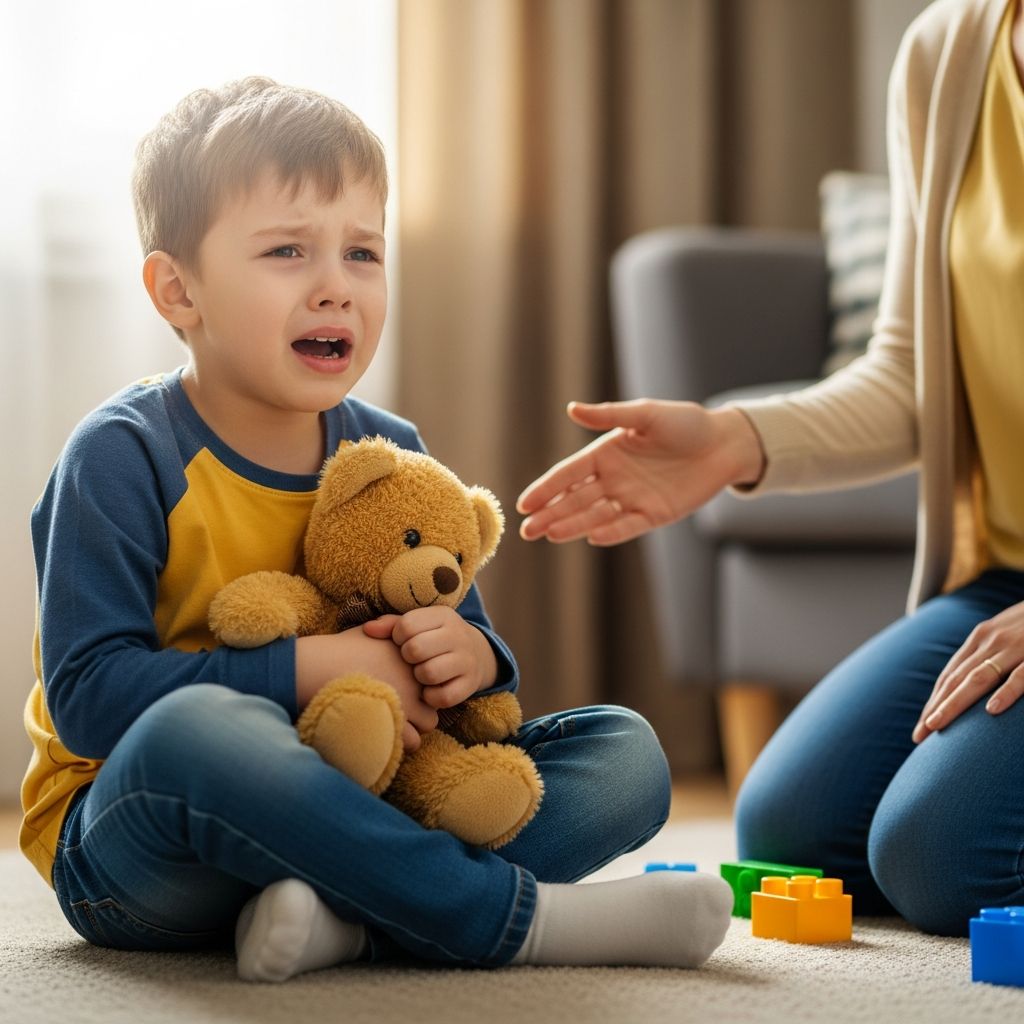
For 3-5-year-olds, separation from caregivers marks a profound milestone. Foster familiarity by visiting the preschool facility multiple times—explore playgrounds, locate cubbies, and meet staff. Role-play drop-offs with a favorite toy standing in as the teacher.
Emphasize rituals for comfort: Develop a signature goodbye phrase like “Adventure awaits, I’ll be back soon!” and a consistent after-school welcome, such as a special hug or snack. Keep initial days short if possible, gradually building to full schedules.
| Strategy | Why It Works | Implementation Tip |
|---|---|---|
| Site Visits | Reduces unknown fears | Schedule 2-3 pre-school tours |
| Goodbye Rituals | Creates emotional anchors | Use the same words daily |
| Snack Decompression | Allows sensory reset | Offer crunchy fruits post-pickup |
Personalize the space with family photos or named cubbies to signal belonging. Flexibility in routines during week one accommodates tears or clinginess, prioritizing connection over strictness.
Elementary Energizers: Reigniting Learning Momentum
Grades K-5 children juggle reuniting with peers, new teachers, and academic expectations post-summer. Reconnect socially via playdates or park meetups before school starts. Discuss class changes openly: “What excites you about your new grade? What feels tricky?”
Reawaken study habits gently—library visits, educational apps, or shared reading sessions rebuild focus. After-school decompression is vital: Allow 30-60 minutes of free play or outdoor movement before homework queries.
- Snack and swing: Provide protein-rich bites followed by physical release to process school stimuli.
- Choice empowerment: Let kids select lunch items or backpack organization for control.
- Evening recaps: Share highs, lows, and fun facts around dinner to normalize varied emotions.
Involve children in supply shopping to spark enthusiasm. Normalizing nerves as universal eases self-pressure.
Middle School Maze: Tackling Independence and Social Shifts
Ages 11-14 bring locker juggling, multiple teachers, and intensified peer dynamics. Conduct dry runs: Walk the school halls, practice combinations, and map lunch lines. Role-play scenarios like navigating crowded cafeterias or asking for help.
Highlight opportunities—clubs, sports—to counter overwhelm. Connect with teachers early via email, sharing strengths and needs for proactive support.
Maintain home base stability: Consistent after-school snacks and check-ins without interrogation. Teach self-regulation tools like deep breathing: “Breathe in calm, out worry.”
| Challenge | Solution | Outcome |
|---|---|---|
| Locker Anxiety | Practice locks at home | Boosts self-reliance |
| Peer Pressure | Discuss boundaries | Strengthens choices |
| Homework Overload | Prioritize with timers | Reduces procrastination |
Mindfulness apps aid stress management, promoting resilience amid puberty’s turbulence.
High School Hurdles: Embracing Advanced Autonomy
Teens face heavier academics, driving, and future planning. Empower through planning sessions: Review schedules, electives, and extracurriculars together. Simulate commutes or bus routes for confidence.
Shift conversations to aspirations: “What goals excite you this year?” Foster peer networks via group chats or events. Balance with sleep hygiene—no screens an hour pre-bed, wind-down reading.
- Teacher alliances: Attend orientations, introduce proactively.
- Time management tools: Apps or planners for juggling loads.
- Emotional outlets: Journaling or walks to vent transition stress.
Validate intensified feelings while modeling coping, preparing for college-like independence.
Universal Tools for Emotional Resilience
Across ages, open dialogue demystifies fears. Validate all emotions: “It’s normal to feel butterflies.” Introduce mindfulness: Kid-friendly breathing (balloon breaths) or body scans.
After-school rhythms matter: Decompress first—snack, play—then transition to tasks. Family rituals like weekly game nights anchor change.
Monitor for persistent distress: Consult counselors if anxiety lingers beyond two weeks.
Frequently Asked Questions
What if my child cries on the first day?
Reassure it’s common; use prepared rituals and short goodbyes. Most adjust by day three with consistent support.
How do I handle homework resistance?
Decompress first with movement/snack, then structured choices. Build gradually with timers.
Can routines differ by age?
Yes—visual for young, digital planners for teens. Tailor to developmental needs.
What about sleep struggles?
Gradual shifts, no screens pre-bed, relaxing stories. Aim for age-appropriate hours: 10-13 for school-age.
How to support social worries?
Pre-school playdates, role-play interactions. Emphasize quality over quantity friends.
Long-Term Strategies for Lasting Confidence
Beyond opening week, nurture growth mindsets: Praise effort over innate smarts. Track progress visually—sticker charts for young, journals for older. Annual reflections build self-awareness.
Parental self-care sustains support: Parent groups share insights. Schools often host workshops—attend for community.
Transitions sharpen adaptability, key for life. With proactive guidance, children emerge stronger, ready for future shifts.
References
- Support your child’s back-to-school transition with effective strategies — Mirjam Quinn and Associates. 2023. https://mirjamquinnandassociates.com/support-your-childs-back-to-school-transition-with-effective-strategies/
- 9 Tips for Supporting Children During the Back-to-School Transition — Calm Health. 2024. https://health.calm.com/resources/blog/9-tips-for-supporting-children-during-the-back-to-school-transition/
- Back-to-School Transition Strategies — Reframe Parenting. 2023. https://www.reframeparenting.com/blog/podcast-back-to-school-transition-strategies
- 40+ Strategies to Support the Back-to-School Transition — Integrated Listening Systems. 2024. https://integratedlistening.com/blog/transitions-for-school/
- Helping Your Child Transition Back to School After Summer Break — UofL Health. 2024-08-15. https://uoflhealth.org/articles/helping-your-child-transition-back-to-school-after-summer-break/
- 9 Ways to Ease the Back-to-School Transition for Young Children — Brookes Publishing. 2023. https://brookespublishing.com/resources/newsletters/early-childhood-newsletter/9-ways-to-ease-back-to-school-transition-young-children/
- Back to School: Handling Transitions — Children’s Hospital of Philadelphia. 2024. https://www.chop.edu/news/health-tip/back-school-handling-transitions