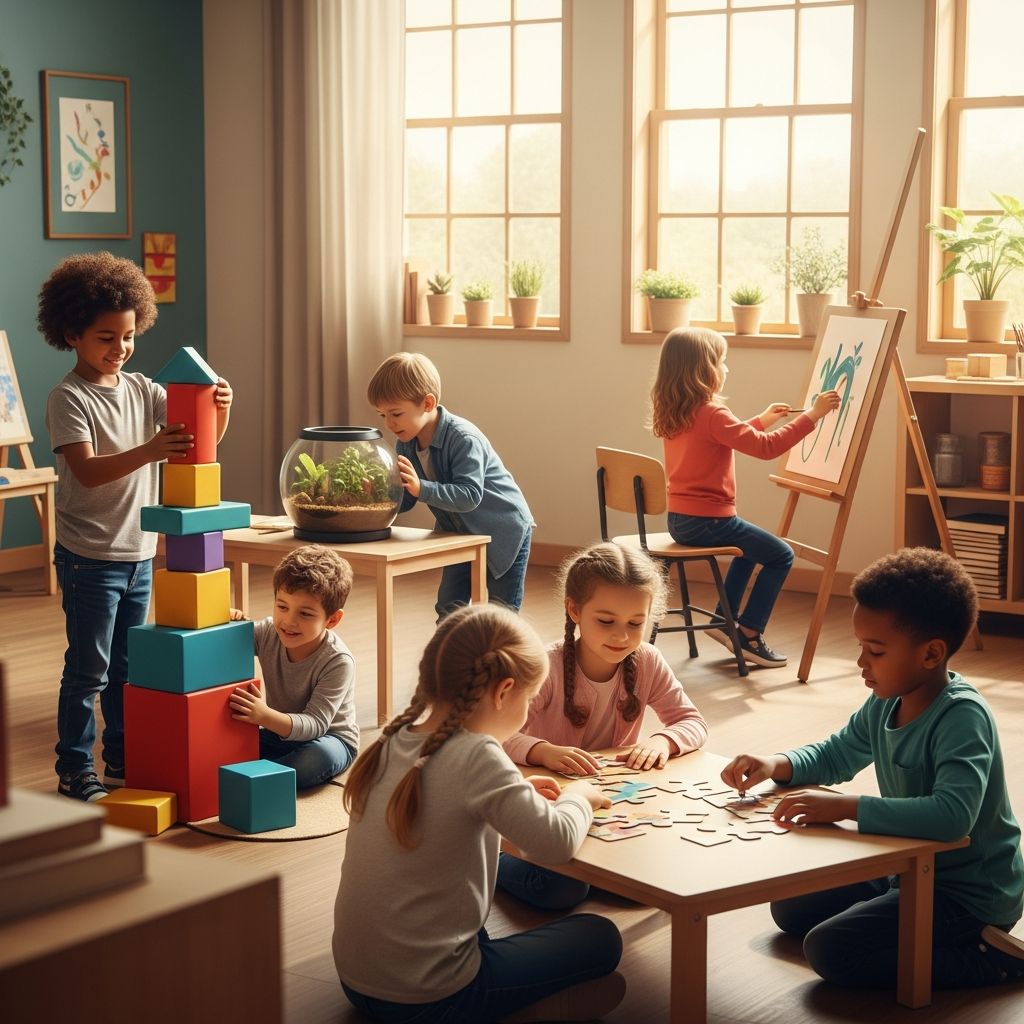
Transitioning from summer freedom to structured school days requires thoughtful planning. Families can create seamless routines that promote well-being, academic focus, and family harmony by prioritizing sleep, organization, and healthy habits. This guide offers actionable steps tailored for elementary, middle, and high school students to ensure a strong start.
Building a Strong Foundation with Sleep Schedules
Consistent sleep is the cornerstone of school success. Children aged 6-13 need 9-11 hours nightly, while teens require 8-10 hours, according to health guidelines. Start adjusting summer schedules two weeks early by shifting bedtime 15 minutes earlier each night until reaching the target.
- Implement a wind-down ritual 60 minutes before bed: dim lights, avoid screens, and engage in calming activities like reading or light stretching.
- Design a family charging station for devices to enforce screen-free evenings.
- Maintain weekend bedtimes within 30 minutes of weekdays to prevent ‘social jet lag.’
For younger kids, incorporate bath time followed by storytelling. Older students benefit from journaling about their day to process emotions and unwind.
Streamlining Mornings for Stress-Free Starts
Morning chaos derails the day. Prep the night before: select outfits, pack bags, and prepare lunch components. This cuts decision fatigue and builds child independence.
| Time Slot | Activity | Benefits |
|---|---|---|
| 6:00-6:20 AM | Wake, hygiene (brush teeth, wash face) | Establishes freshness and alertness |
| 6:20-6:40 AM | Dress in pre-chosen clothes | Eliminates wardrobe debates |
| 6:40-7:00 AM | Nutritious breakfast (protein + fruit) | Fuels brain for learning |
| 7:00-7:20 AM | Pack final items, review schedule | Promotes responsibility |
| 7:20-7:30 AM | Positive affirmation or family huddle | Boosts mood and connection |
Use visual checklists with pictures for young children. Time cues like ’10 minutes until shoes on’ help with pacing. Outdoor breakfast in sunlight regulates circadian rhythms.
After-School Transitions and Homework Strategies
Post-school decompression prevents meltdowns. Allow 15-30 minutes for snacks and play before homework. Designate a dedicated study zone: quiet, lit, with supplies at hand.
- Snack ideas: yogurt with berries, nuts, or veggie sticks for sustained energy.
- Break homework into 25-minute Pomodoro sessions with 5-minute movement breaks.
- For online learners, test tech daily and create a flex schedule.
Set goals collaboratively: elementary kids aim for 30 minutes reading daily; teens target GPA milestones with planners.
Nutrition and Physical Activity Integration
Healthy eating sustains energy. Involve kids in meal prep for buy-in. Pack balanced lunches: protein, grains, veggies, fruit.
- Family dinners foster connection and model habits.
- Limit screens; replace with walks or active play to combat sedentary risks.
- Encourage extracurriculars like sports for social and physical development.
Shop together for appealing healthy snacks. Regular mealtimes anchor the day.
Organization Essentials: Supplies and Safety
Compile a master supply list per grade. Purchase early to avoid shortages.
- Elementary: Glue, safety scissors, crayons, folders, sanitizer.
- Middle/High: Notebooks, binders, calculators, headphones.
- Backpacks: Ergonomic, not exceeding 10-15% body weight.
Review safety: street-crossing rules, stranger awareness, consistent routes. Create a countdown calendar to build excitement.
Age-Specific Routine Adjustments
Elementary Students
Focus on fun visuals and short tasks. Rehearse routines through role-play. Prioritize playtime post-homework for emotional regulation.
Middle Schoolers
Encourage peer involvement in goal-setting. Introduce planners for juggling classes and activities.
High School and College Prep
Emphasize time-blocking and networking. Balance with self-care to avoid burnout.
Frequently Asked Questions
What if my child resists the new routine?
Start small, use rewards like stickers for young kids or privileges for teens. Consistency pays off within 2-3 weeks.
How do I handle varying school start times?
Adjust sleep accordingly, maintaining total hours. Flex programs offer customization.
Can routines adapt for working parents?
Yes—prep batches of lunches, use visual aids for independence, and connect via quick evening check-ins.
What’s the role of exercise in routines?
Daily movement improves focus and sleep. Aim for 60 minutes, integrated via family walks or sports.
How to limit screen time effectively?
Family unplug zones, alarm clocks over phones, and activity swaps build better habits.
These routines evolve with feedback. Track progress weekly and tweak as needed for sustained success.
References
- 10 Essential Back-to-School Tips for a Successful Year (2026) — Springfree Trampoline. 2026. https://www.springfreetrampoline.com/blogs/beyond-the-bounce/back-to-school-tips
- Back to School 2026: Genius tips for a smoother start — Capsulenz. 2026. https://capsulenz.com/be/parenting/back-to-school-2026/
- Back to School: Establishing Routines for a Successful School Year — Kiddikollege. N/A. https://kiddikollege.com/you-made-it-back-to-school-now-what/
- How to Ace Back-to-School Routines — UNM HSC Newsroom (University of New Mexico). N/A. https://hscnews.unm.edu/news/how-to-ace-back-to-school-routines
- 10 Tips to Prepare for a Successful School Year — Sycamores. N/A. https://www.sycamores.org/back-to-school-tips/
- 5 Ways to Create a Healthy Back-to-School Routine This Year — MHS Kids. N/A. https://www.mhskids.org/blog/5-ways-to-create-a-healthy-back-to-school-routine-this-year/
- Back to School Routine Tips: Smooth Transition from Summer — K12. N/A. https://www.k12.com/tips-support-for-parents/back-to-school-routine-tips-online-learning/