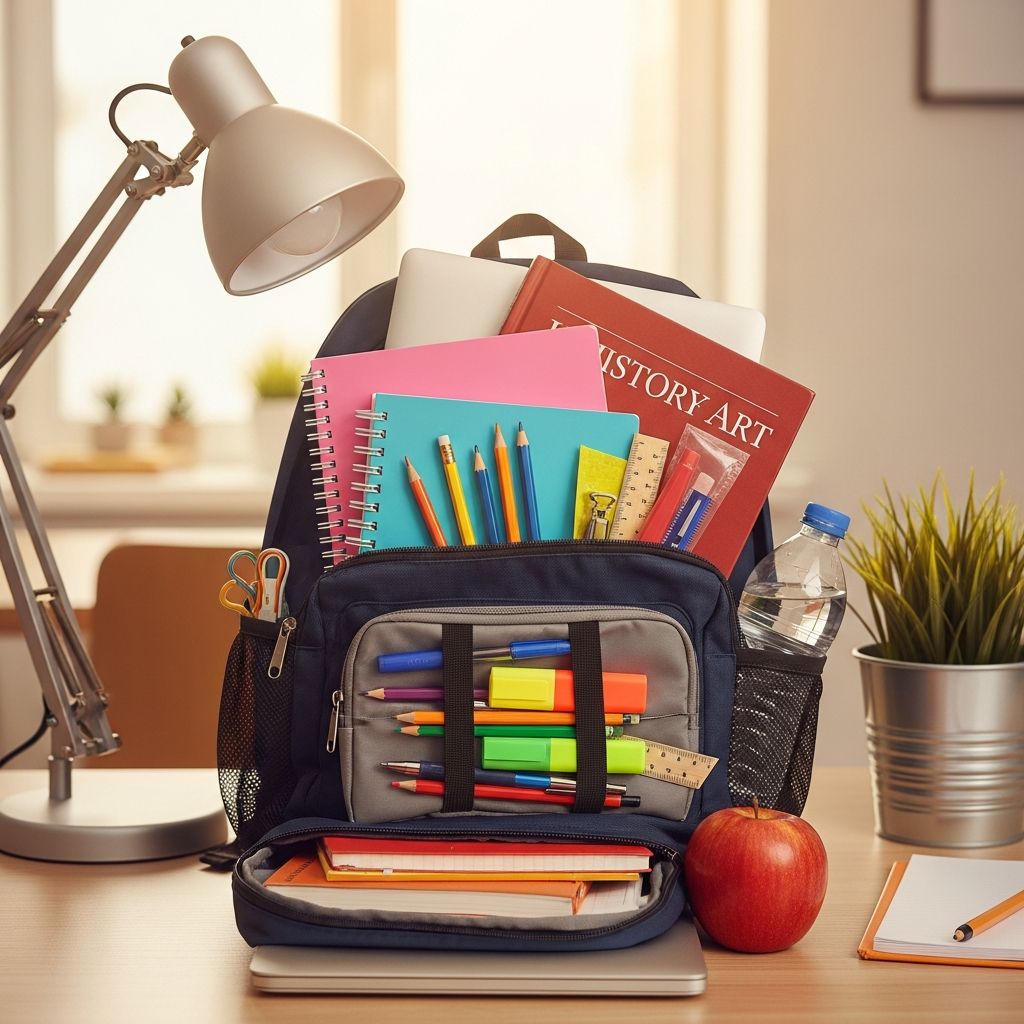
Transitioning back to school can feel overwhelming for both children and parents, but with thoughtful planning, it becomes an exciting opportunity for growth and success. This guide provides actionable strategies to build routines, foster emotional readiness, and create supportive home environments, drawing from expert-recommended practices to minimize stress and maximize confidence.
Building Healthy Sleep Foundations
One of the most critical steps in back-to-school preparation is resetting sleep patterns. Children’s bodies often shift to later bedtimes and wake-ups during summer, disrupting the focus and energy needed for learning. Start adjusting schedules two weeks before school by gradually moving bedtime 15-30 minutes earlier each night. This aligns with school demands, ensuring kids wake refreshed and attentive.
Consistent wake-ups, even on weekends, reinforce circadian rhythms. Pair this with calming pre-bed rituals like reading or dimmed lights to signal rest time. Research from child development experts emphasizes that adequate sleep—10-13 hours for ages 3-5 and 9-12 for 6-13—boosts mood, memory, and academic performance.
- Dim room lights one hour before bed to promote melatonin production.
- Avoid screens 60 minutes prior, as blue light delays sleep onset.
- Use white noise machines for light sleepers transitioning to new routines.
Fostering Emotional Readiness
Emotional preparation helps children process separation anxiety and new experiences. Open conversations about school days build anticipation rather than fear. Discuss routines like arrival procedures, snack times, and recess to create mental maps of the day.
Reading age-appropriate books about school adventures normalizes feelings and sparks dialogue. Titles featuring diverse characters reassure kids that jitters are common. For added comfort, arrange pre-school playdates with future classmates via parent groups, strengthening social bonds early.
Visual aids like countdown calendars mark the days, turning abstract starts into tangible events. Praise efforts in sharing feelings to validate emotions and build resilience.
Mastering Morning Routines
Smooth mornings set a positive tone. Rehearse full sequences—waking, dressing, breakfast, packing—multiple times weekly. Time trials identify bottlenecks, like slow eaters, allowing adjustments.
Visual routine charts with pictures aid young children in independent task completion. Involve kids in chart creation for ownership. Timers gamify steps, such as ‘beat the clock’ for toothbrushing.
| Step | Estimated Time | Tips for Success |
|---|---|---|
| Wake-up & Dress | 15 min | Outfits pre-selected night before |
| Breakfast | 20 min | Quick, nutritious options ready |
| Pack Bag | 10 min | Checklist laminated for marking |
| Shoes & Out Door | 5 min | Shoes by door; shoes in baskets |
Organizing Home Command Centers
A dedicated ‘command center’ streamlines drop-off and pick-up chaos. Designate zones for backpacks, lunchboxes, and shoes near entrances. Wall hooks, labeled bins, and shoe trays prevent clutter.
Homework stations promote focus: quiet corners with good lighting, ergonomic seating, and supply caddies. Portable bins stocked with pencils, paper, and erasers travel easily. Dry-erase calendars track assignments, syncing with family digital planners.
- Vertical storage like over-door organizers for supplies.
- Magnetic strips for scissors and markers.
- Personalized touches, such as name plaques, boost motivation.
Nutrition and Energy Boosters
Fuel for school comes from balanced meals. Stock after-school snack zones with fruits, nuts, yogurt, and whole grains to curb hunger-driven meltdowns. Pre-portion items for grab-and-go ease.
Mornings benefit from brain foods: oats for sustained energy, eggs for protein, berries for antioxidants. Hydration stations with infused water encourage drinking. Limit sugars to avoid crashes.
Reigniting Academic Habits Gently
Ease into learning with playful reviews. Short sessions of puzzles, counting games, or sight-word hunts reacquaint without pressure. Daily reading aloud rebuilds stamina and joy in stories.
Set one semester goal collaboratively, like ‘read five books independently,’ with trackers for progress. Celebrate milestones to instill achievement pride.
Navigating Transportation and Hygiene
Review bus routes or carpool plans with role-play. Practice boarding lines or seatbelts for security. Hygiene refreshers—handwashing songs, cough etiquette—promote health in group settings.
Label all items boldly to deter losses. Teach self-checks: ‘Jacket zipped? Hands clean?’
Screen Time and Family Balance
Summer laxity often means excessive screens; reinstate limits like ‘no devices post-dinner.’ Designate tech-free zones or times for dinner talks and board games, enhancing connections.
Family calendars plot practices, tests, and fun outings, restoring structure. Schedule ‘final summer blasts’ before routines tighten.
Goal Setting and Long-Term Success
Back-to-school is ideal for goal workshops. Kids pick priorities like ‘make one new friend’ or ‘finish homework first.’ Break into steps, track weekly, reward consistently.
Parent-teacher meets, if offered, demystify educators. Stay engaged via school apps for updates.
Frequently Asked Questions
How early should I start sleep adjustments?
Begin two weeks prior, shifting 15 minutes nightly for gradual adaptation without resistance.
What if my child resists routines?
Use incentives like stickers for completed steps, fading them as habits form. Consistency trumps perfection.
How to handle first-day anxiety?
Validate feelings, rehearse goodbyes, and plan a fun after-school treat. Short separations build security.
Best organization hacks for small spaces?
Opt for wall-mounted shelves, under-bed bins, and multi-use caddies to maximize vertical and hidden storage.
Should I limit snacks before dinner?
Yes, offer protein-rich options to sustain until meals, preventing spoilage of appetite.
References
- 6 Tips to Help Your Child Adjust to Back-to-School — KLA Schools. 2023-08-15. https://www.klaschools.com/insights/6-tips-to-help-your-child-adjust-to-back-to-school
- 5 Tips for the 2026 Back-to-School Season from Parents on the Bark Team — Bark.us. 2025-08-01. https://www.bark.us/blog/2025-back-to-school-tips/
- Back to School Checklist for 2025-2026 — Prodigy Game. 2025-07-20. https://www.prodigygame.com/main-en/blog/parents-checklist-back-to-school
- 35 Back-to-School Organization Ideas for a Stress-Free School Year — Good Housekeeping. 2024-08-10. https://www.goodhousekeeping.com/home/organizing/g2358/back-to-school-prep/
- Back-to-School Preparation: Tips and Products to Make Life Easier — Thoughtful Parent. 2024-07-25. https://thoughtfulparent.com/back-to-school-preparation.html
- Parenting Tip of the Week – Preparing for Back-to-School — Prevent Child Abuse America. 2024-08-05. https://preventchildabuse.org/resources/preparing-for-back-to-school/