Navigating the School Year Transition with Confidence
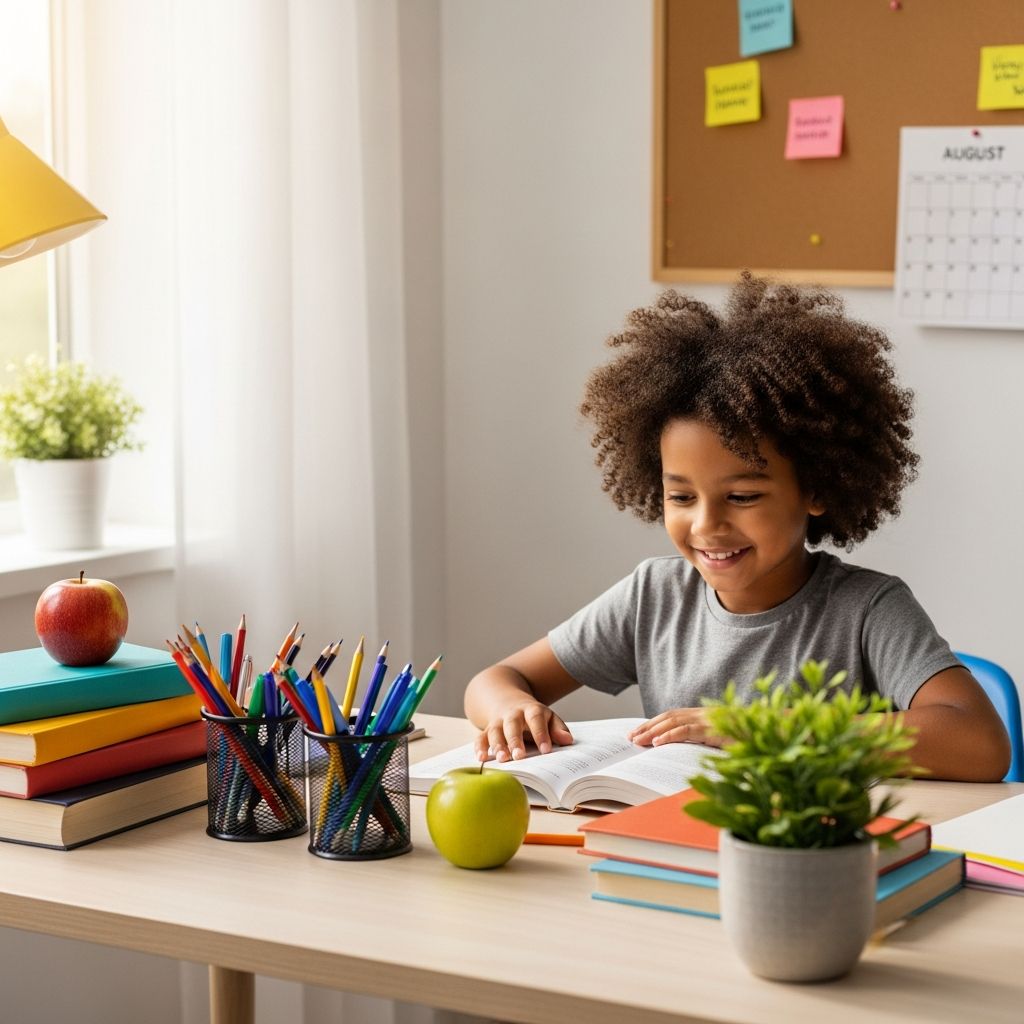
As summer winds down and a new academic year approaches, many parents find themselves facing the familiar challenge of preparing their children for school. The transition from home to the classroom involves more than simply purchasing supplies—it requires thoughtful planning, organization, and attention to both practical and emotional readiness. This comprehensive guide explores the multifaceted aspects of preparing your child for a successful school year, from gathering essential materials to establishing routines that support learning and well-being.
Understanding Your Child’s Individual Needs
Every child is unique, and their school preparation should reflect their individual learning style, developmental stage, and personality. Before diving into shopping lists or supply checklists, take time to assess what your specific child needs to thrive in an educational environment. Consider their organizational skills, attention span, sensory preferences, and any special requirements they may have.
Start by communicating with your child’s teacher or school about specific recommendations for your grade level. Teachers often provide detailed supply lists that are tailored to their classroom needs and teaching methods. These lists serve as an excellent baseline, but you may need to adapt them based on your child’s particular circumstances. Some children benefit from color-coded organization systems, while others thrive with minimalist approaches. Understanding these preferences will help you make more intentional purchasing decisions.
Building a Comprehensive Supply Foundation
The foundation of school readiness rests on having appropriate writing and organizational tools. Quality writing instruments are non-negotiable—pencils with proper grip support help younger children develop fine motor skills, while older students may prefer pens with smooth-flowing ink for efficient note-taking. Stock a variety of options, including mechanical pencils for older grades and traditional wooden pencils for younger learners.
Beyond basic writing tools, consider these essential categories:
- Paper and Notebooks: Quality lined paper prevents frustration during learning activities. Notebooks with sturdy covers withstand daily wear, while different colored notebooks help organize subjects by topic.
- Writing Accessories: Erasers, sharpeners, and correction tools prevent simple mistakes from derailing a student’s work. A reliable pencil case keeps these items accessible without cluttering the desk.
- Organization Systems: Three-ring binders with dividers help older students manage papers by subject, while younger children benefit from simple folders with clear labels.
- Art and Creative Supplies: Markers, colored pencils, crayons, and sketchpads support creative expression and multi-sensory learning approaches.
- Cutting and Fastening Tools: Child-safe scissors, glue sticks, and tape are staples for classroom projects and hands-on learning activities.
Selecting the Right Backpack and Carrying Solutions
The backpack serves as your child’s portable learning center, carrying everything from textbooks to lunch items throughout the school day. This single item deserves careful consideration, as it impacts both organization and physical comfort. A quality backpack should feature ergonomic straps that distribute weight evenly across the shoulders, preventing strain or posture problems that could develop from daily use.
Look for backpacks with multiple compartments and pockets that allow your child to organize materials by type or subject. Waterproofing protects contents during unexpected weather, while durable construction ensures the pack survives an entire school year of daily use. Many children benefit from having a consistent place for each item—lunch containers always go in the main compartment, technology accessories in a front pocket, and office supplies in a side pouch. Teaching your child this organizational system early builds habits that support academic success.
Consider your child’s size and strength when selecting a backpack. An oversized pack may tempt children to carry unnecessary items, while an undersized option won’t accommodate all necessary materials. Mid-sized, well-constructed packs typically offer the best balance for most students.
Hydration and Nutrition Support Systems
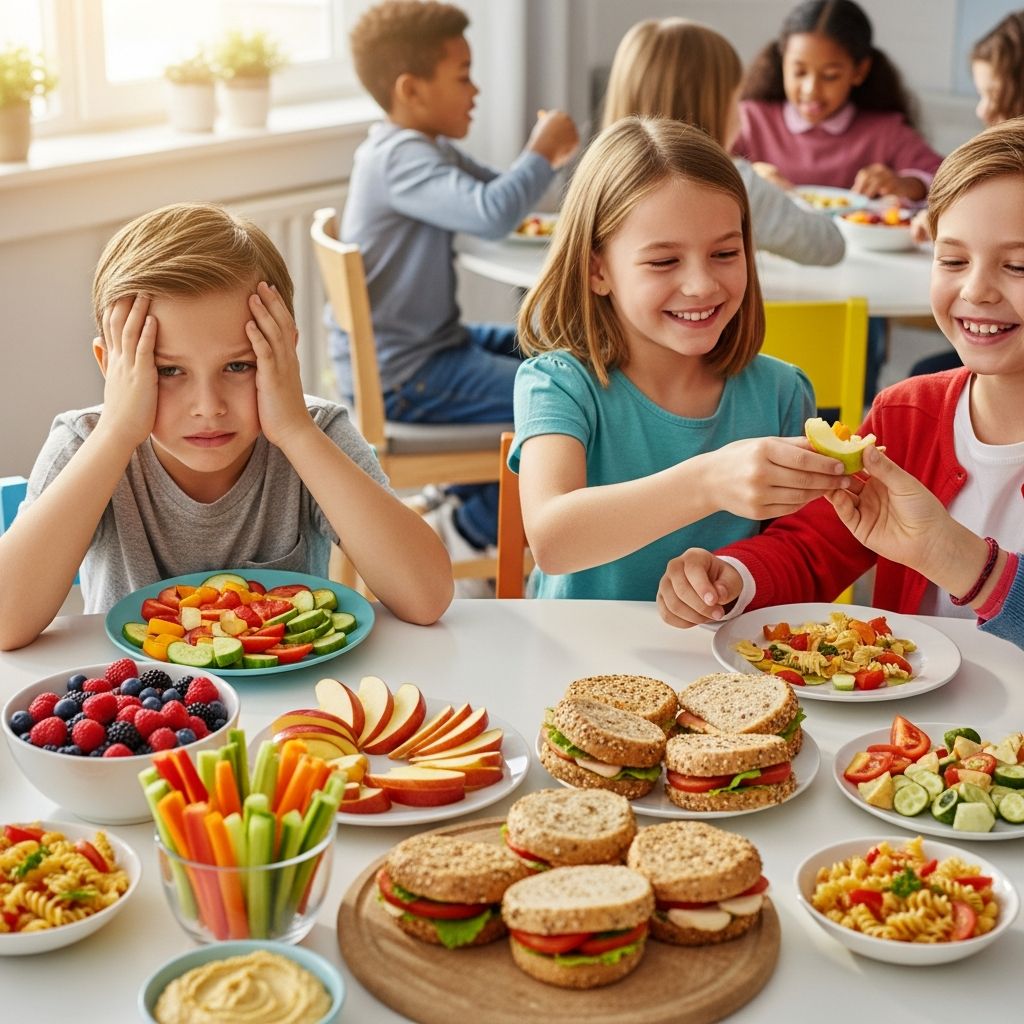
Staying properly hydrated and nourished directly impacts cognitive function, attention span, and overall school performance. A spill-proof water bottle encourages children to drink throughout the day without worrying about accidents that could damage schoolwork or create cleanup hassles. Look for bottles with durable construction and secure lids that can withstand the inevitable bumps of school transportation.
If your child carries lunch from home, an insulated lunch bag maintains food safety and temperature while an organized lunch box prevents items from getting crushed or mixed together. Some children do better with compartmentalized containers, while others prefer a simple bento-style box. Involving your child in selecting their lunch containers increases the likelihood they’ll actually use them and take pride in keeping them organized.
Creating Personal Identity and Reducing Lost Items
In busy school environments, personal items frequently go missing. Personalizing supplies with your child’s name dramatically improves the odds of recovering lost belongings. Name labels on backpacks, lunch containers, water bottles, and uniform items create accountability and help school staff reunite lost items with their owners.
Beyond practical labeling, involving your child in personalizing their supplies builds emotional connection to their school materials. Allowing them to choose colors, patterns, or decorative elements transforms generic supplies into belongings they genuinely care about. This personal investment often translates to better organization and care of school materials.
Seasonal and Weather Preparedness
School happens throughout the year, and weather changes require thoughtful preparation. Weather-appropriate gear keeps children comfortable and focused on learning rather than physical discomfort. Rain protection prevents water damage to schoolwork and materials, while sun protection during outdoor activities supports overall health and well-being.
Consider creating a rotating seasonal checklist that addresses specific weather challenges in your region. This might include rain jackets for wet climates, sun hats for sunny areas, or layering options for temperature fluctuations. Teaching children to manage their own weather-appropriate gear builds independence and responsibility.
Establishing Organizational Systems that Work
Simply purchasing supplies isn’t enough—children need guidance in organizing and maintaining these materials throughout the year. Establish clear systems for where items belong, and create a routine for checking that everything is accounted for regularly. A monthly supply refresh helps replenish used items before they run out completely.
Many parents find success with a home organizational station dedicated to school supplies. A designated shelf or cabinet holds backup pencils, paper, and other consumables, allowing children to restock their supplies independently when needed. This system builds responsibility while ensuring critical items never run out unexpectedly.
Reusing and Refreshing Previous Year Supplies
Before purchasing all new supplies, assess what can be reused from the previous year. Quality items like pencil holders, backpacks, and water bottles often last multiple years with proper care. Refreshing these items with new decorations or organizational strategies makes them feel new while reducing unnecessary waste and expense.
Create a simple audit process: check backpack zippers and seams, test water bottle lids for proper sealing, and examine organizational containers for damage. Many items that appear worn on the surface function perfectly well and can be reused. This practice teaches children about sustainability while keeping school preparation costs manageable.
Technology Integration and Digital Tools
Modern schooling increasingly incorporates technology, and some children benefit from specific tech supports. Depending on your school’s approach, you might need headphones for computer-based learning, calculators for mathematics courses, or charging cables for devices. Clarifying these requirements with your school prevents purchasing unnecessary items while ensuring your child has everything needed for technology-integrated lessons.
If your child uses technology at school, establish clear routines for charging devices at home and transporting them safely to school. Protective cases and cable organizers prevent damage and loss of these often-expensive items.
Building Confidence Through Preparation
The process of preparing for school extends beyond material gathering—it’s an opportunity to build your child’s confidence and excitement about their academic journey. Involving children in supply selection, organization decisions, and routine establishment increases their investment in school success. Children who feel prepared and organized are better positioned to focus on learning rather than worrying about missing materials or disorganization.
Consider using the preparation period as a conversation starter about what your child hopes to accomplish during the school year. Discuss academic goals, social objectives, and personal growth targets. This forward-looking approach transforms back-to-school preparation from a chore into an empowering opportunity.
Planning Ahead to Reduce Stress
Rather than scrambling at the last minute, spread your preparation across several weeks. Start by obtaining your school’s supply list, then break shopping into manageable portions. This phased approach prevents overwhelm, allows time to compare options, and often yields better deals than rushed, last-minute purchases.
Create a simple timeline: obtain your school’s information four weeks before school starts, purchase major items like backpacks two to three weeks ahead, gather writing supplies and paper products two weeks before, and finalize any special requirements or personalization items one week prior. This structured approach ensures nothing gets overlooked while maintaining your sanity throughout the process.
Frequently Asked Questions
Q: What if my school doesn’t provide a supply list?
A: Contact your child’s teacher directly to request specific recommendations. If unavailable, stick with basic essentials: writing instruments, notebooks, folders, scissors, glue, and a backpack. Most schools’ teaching styles accommodate standard supplies, though specialty items may be requested later.
Q: How often should I replace consumable supplies?
A: Most consumable items (pencils, erasers, paper) need replenishing monthly or as needed. Establish a routine check—perhaps the first Saturday of each month—to assess what’s running low and refresh items before they run out completely during the school week.
Q: Should I buy everything before school starts?
A: Not necessarily. Purchase durable items like backpacks and organizational tools before school begins, but consider stocking consumables gradually. Your child’s actual usage patterns may differ from expectations, and teachers often provide additional requirements once school begins.
Q: How can I help my child stay organized with all these supplies?
A: Teach them specific systems: a designated spot for each item type, regular inventory checks, and consequences for disorganization that motivate responsibility without creating stress. Younger children benefit from color-coding and picture labels, while older students can manage more complex systems.
Q: What’s the best way to label items for lost-and-found safety?
A: Use permanent markers on backpacks and lunch containers, adhesive name labels on water bottles and writing implements, and iron-on labels for uniforms. Include your child’s full name and phone number when possible so school staff can contact you about found items.
References
- 2026 Back-to-School Checklist — Scheels. Accessed April 2026. https://www.scheels.com/e/post/back-to-school-checklist/
- Back to School: Essentials for a Smooth Start — Spencil. Accessed April 2026. https://spencil.com.au/abetterkinderawesome/back-to-school-must-haves-for-a-smooth-start/
- Back to School Supplies Guide — Target. Accessed April 2026. https://www.target.com/c/kids-back-to-school/-/N-5xtyp
- 43 School Supplies List Essentials Kids Will Actually Use in 2026 — ClassPop Magazine. Accessed April 2026. https://www.classpop.com/magazine/school-supplies-list
- Back to School Checklist for 2025-2026 — Prodigy Math Game. Accessed April 2026. https://www.prodigygame.com/main-en/blog/parents-checklist-back-to-school