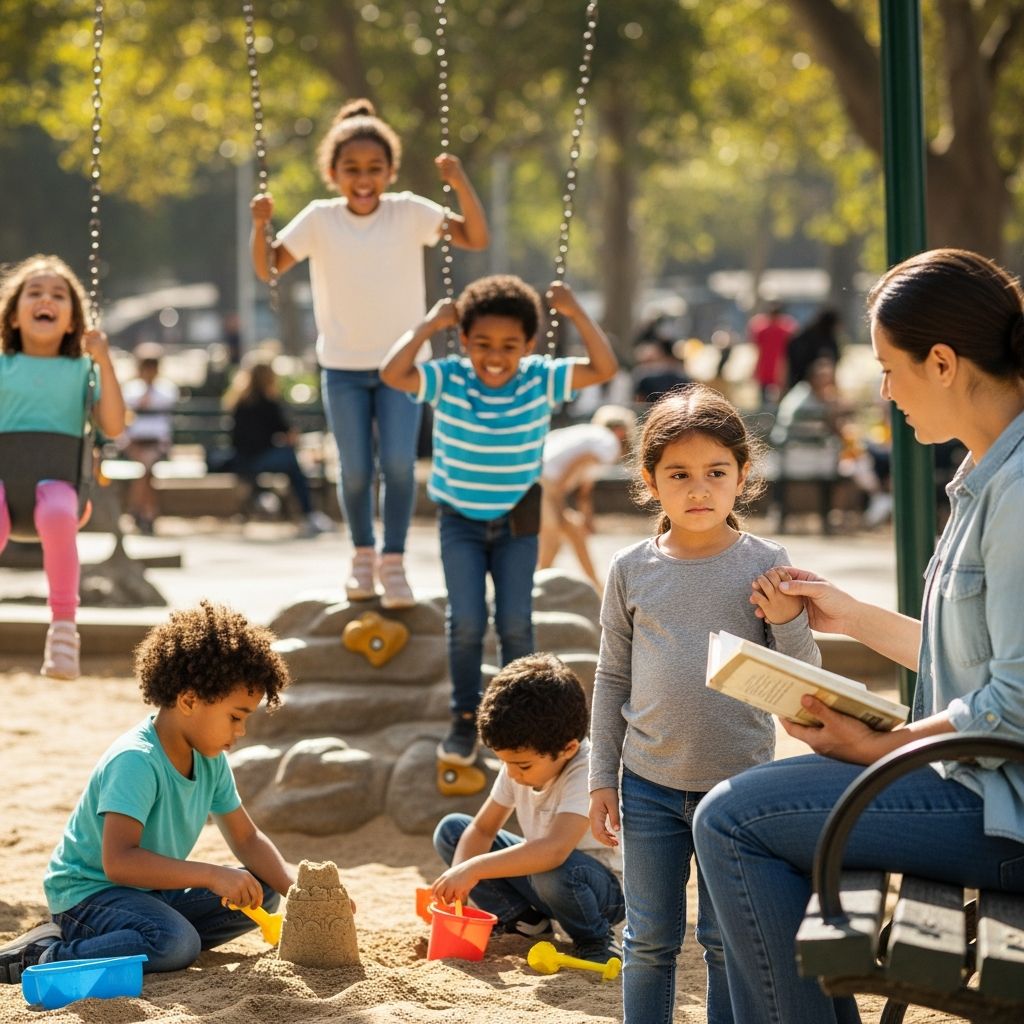
Starting the school year strong sets the foundation for academic success and emotional well-being. Educators emphasize proactive family involvement to ease the transition from summer freedom to structured learning. This guide outlines six essential strategies drawn from expert insights, helping parents equip children with the tools they need to excel.
Building Consistent Daily Routines
One of the most critical steps is establishing predictable morning and evening schedules at least a week before school resumes. Consistent routines foster independence and reduce morning chaos, allowing children to focus on learning rather than logistics. Begin by shifting bedtimes and wake-up times gradually to align with school hours, aiming for 9-12 hours of sleep depending on age.
Create a visual checklist for tasks like brushing teeth, getting dressed, and packing bags. Lay out clothes the night before to eliminate decision fatigue. For evenings, incorporate wind-down activities such as reading or light stretching to signal bedtime. These habits build confidence and minimize stress, as supported by child development guidelines from health authorities.
- Adjust sleep schedules incrementally over 7-10 days.
- Use laminated checklists for morning and bedtime tasks.
- Involve children in routine planning to increase buy-in.
Prioritizing Health and Wellness Checks
Ensure all medical requirements are met well in advance to avoid last-minute hurdles. Schedule well-child visits, dental exams, eye check-ups, and sports physicals if applicable. Update vaccinations, including flu shots, and gather any required documentation for the school nurse. A fresh haircut can also boost a child’s confidence and motivation.
Stock a home health kit with essentials like thermometers, bandages, and hand sanitizer. Teach children hygiene practices, such as proper handwashing, to prevent illnesses during the busy season. Schools often require proof of these checks, so organize records digitally or in a dedicated folder.
| Health Item | Why It Matters | Timeline |
|---|---|---|
| Well-child visit | Monitors growth and development | 1-2 weeks before school |
| Eye exam | Detects vision changes affecting learning | Before first day |
| Vaccinations | Protects against outbreaks | Per school policy |
| Sports physical | Ensures safety in activities | Prior to season start |
Organizing Supplies and Study Spaces
Compile a comprehensive inventory of school supplies by auditing last year’s items first. Create a shopping list including notebooks, pencils, folders, lunchboxes, water bottles, and labeled personal items. Set up a dedicated homework area with good lighting, minimal distractions, and organized storage for materials like paper, markers, and a whiteboard for schedules.
For older students, include locker organizers, USB drives, or combination locks if needed. Label everything prominently to reduce lost items. A well-equipped space promotes focus and productivity, turning study time into an efficient routine.
- Review school supply lists from teacher portals.
- Shop during sales for cost savings.
- Test study lamps and chairs for comfort.
Mastering Family Scheduling and Logistics
A centralized family calendar is indispensable for tracking school events, parent-teacher conferences, half-days, and extracurriculars. Use digital tools with color-coding and shared access for all household members. Confirm transportation plans, carpools, and after-school care arrangements early.
Fund lunch accounts if applicable and review school policies on attendance, dress codes, and technology use. Discuss pick-up procedures and emergency contacts with children, including safe phrases for unauthorized adults. Proactive planning prevents oversights and keeps everyone aligned.
Fostering Emotional Readiness and Positivity
Address the social-emotional side by talking openly about feelings regarding the new school year. Practice social skills like greeting peers and sharing. Role-play first-day scenarios to build excitement and reduce anxiety. Create traditions like a special breakfast or first-day photos to mark the occasion positively.
Encourage counting games, shape recognition, and hands-on activities during summer’s end to refresh pre-academic skills. Positive reinforcement helps children approach school with enthusiasm rather than dread.
Ensuring Nutrition and Hydration Habits
Plan balanced meals and snacks to fuel learning. Prep lunches the night before with variety to keep children engaged. Invest in reusable, leak-proof water bottles and label them. If buying school lunches, preload accounts to avoid disruptions.
Incorporate fruits, veggies, proteins, and whole grains while limiting sugars. Involve kids in meal prep to teach responsibility and healthy choices. Hydration supports concentration, so aim for consistent water intake throughout the day.
Frequently Asked Questions (FAQs)
How early should I start preparing routines?
Begin at least one to two weeks ahead to allow gradual adjustment without overwhelming the family.
What if my child resists new schedules?
Use incentives like stickers or small rewards, and keep explanations simple and positive.
Are eye exams really necessary before school?
Yes, undetected vision issues can hinder reading and focus; annual checks are recommended.
How do I organize a shared family calendar?
Opt for apps like Google Calendar or Cozi for real-time syncs and reminders across devices.
What supplies are must-haves for elementary kids?
Basics include pencils, notebooks, folders, crayons, glue, scissors, and a sturdy backpack.
Long-Term Benefits of Thorough Preparation
Investing time in these steps not only smooths the immediate transition but cultivates lifelong habits of organization, health consciousness, and resilience. Children who start prepared often show better attendance, grades, and attitudes toward learning. Parents report less stress and more family bonding time as routines solidify.
Monitor progress weekly, adjusting as needed based on feedback from teachers. Celebrate milestones like the first full week to reinforce positive behaviors. This holistic approach transforms back-to-school from a frenzy into an empowering launchpad.
By integrating these teacher-endorsed practices, families create a supportive ecosystem where kids can thrive academically and personally. Extend preparation into the year with ongoing communication and flexibility.
References
- 10 Steps to Prepare for Back-to-School: A Parent’s Checklist — Call Emmy. 2024. https://callemmy.com/10-steps-to-prepare-for-back-to-school/
- Back to School Checklist — NYC Department of Education. 2025. https://www.schools.nyc.gov/school-year/school-year-2025-26/back-to-school-checklist
- Back-to-school checklist: Essential steps for a successful start — Children’s Mercy. 2024-07. https://www.childrensmercy.org/parent-ish/2024/07/back-to-school-checklist/
- Your Back-to-School Checklist: Must-Have Tips for Parents This Fall — Catalyst Kids. 2024. https://www.catalystkids.org/story-center/your-back-to-school-checklist-must-have-tips-for-parents-this-fall/
- Back-to-school Checklist for Parents: Our Getting Ready Guide — The Everymom. 2024. https://theeverymom.com/back-to-school-preparation-checklist/
- Last minute back-to-school checklist for all learning environments — Texas Children’s Hospital. 2024. https://www.texaschildrens.org/content/wellness/last-minute-back-school-checklist-all-learning-environments