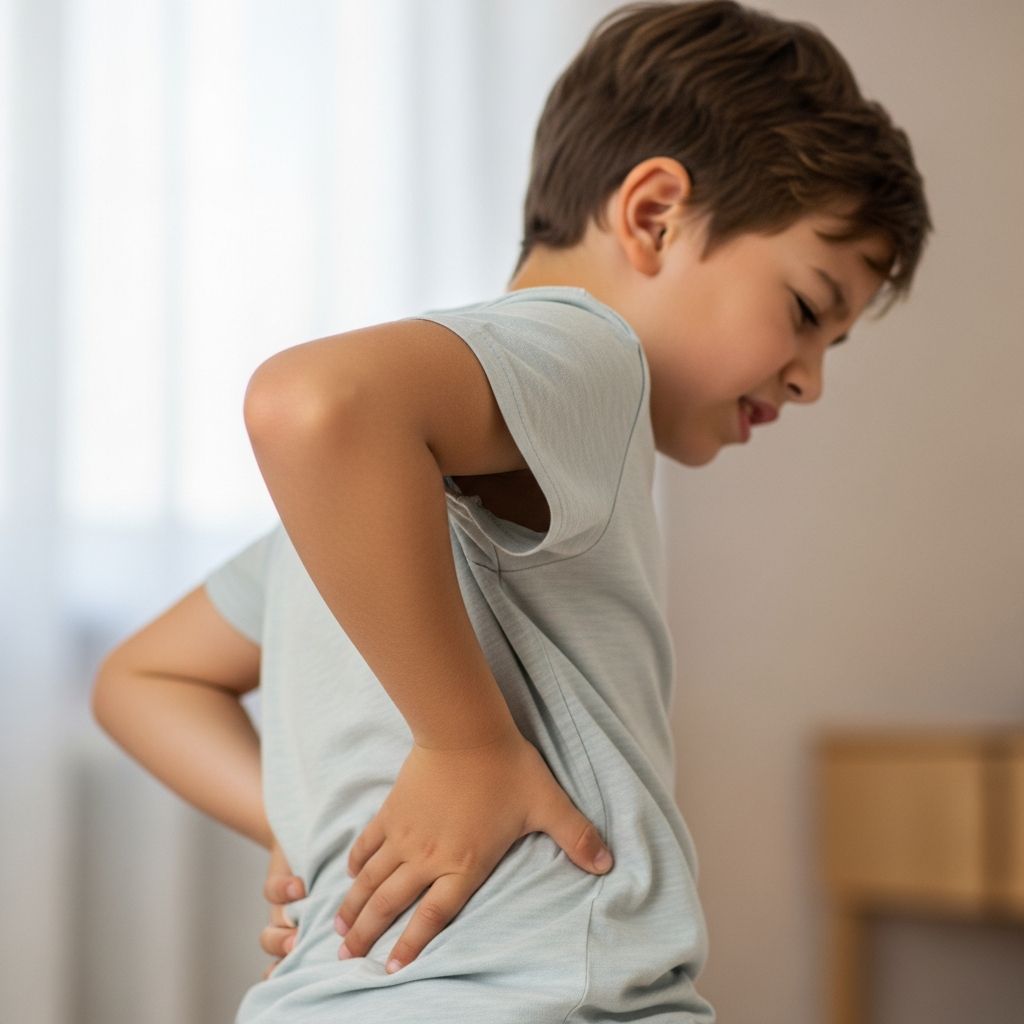
Back discomfort in young ones is increasingly reported, yet it remains less common than in grown-ups. Parents often worry when their child complains of an achy back, wondering if it’s just a fleeting issue or something more concerning. Most cases stem from everyday activities, but vigilance is key to spot rarer problems early.
Everyday Triggers of Childhood Back Discomfort
The bulk of back issues in kids arise from mechanical or activity-related factors. These are typically self-resolving with simple adjustments.
- Muscle Overuse and Strains: Vigorous play, sports, or sudden movements frequently lead to pulled muscles or ligament tweaks. Teens diving into new exercises or intensifying routines are particularly prone.
- Poor Posture and Heavy Loads: Slouching during long study sessions or lugging overloaded bags strains the spine. Schoolchildren, especially pre-pubertal ones with less muscle support, suffer most from this.
- Growth Spurts: Rapid skeletal lengthening can cause temporary aches, often labeled as growing pains, affecting the lower back during active periods.
These common culprits usually ease within days using rest and gentle movement.
Structural and Developmental Spinal Concerns
Beyond strains, certain growth-related or alignment issues contribute to persistent pain.
| Condition | Description | Typical Age | Symptoms |
|---|---|---|---|
| Spondylolysis | Stress fracture in a vertebra from repetitive hyperextension | Adolescence | Lower back ache worsening with extension activities like gymnastics |
| Spondylolisthesis | One vertebra slips forward over another | Teens | Alignment shift causing instability and pain |
| Scheuermann’s Kyphosis | Wedging of thoracic vertebrae leading to hunchback | Adolescents | Mid-back soreness, stiffness with activity |
| Scoliosis | Sideways spinal curve over 10 degrees | Girls in adolescence | May cause pain in severe cases |
These conditions often link to sports involving twisting or bending, like football or cheerleading. Early screening during routine check-ups helps.
Uncommon but Critical Causes Requiring Prompt Attention
Though rare, some back pains signal deeper issues demanding immediate evaluation.
- Disc Problems: Herniation, less frequent in youth, presses nerves causing leg radiation, numbness, or weakness.
- Infections: Spinal infections mimic flu with fever, malaise, and localized tenderness; blood tests confirm.
- Tumors: Benign or malignant growths cause night pain, weight loss, or unrelenting discomfort.
Such scenarios underscore the need for professional assessment over self-treatment.
Spotting When Back Pain Warrants a Doctor Visit
Not all aches need medical intervention, but specific signs elevate urgency.
- Pain persisting beyond 2-4 weeks or intensifying
- Accompanied by fever, appetite loss, or unexplained weight drop
- Leg weakness, numbness, bowel/bladder changes, or gait issues
- Sleep disruption or activity limitation
- Recent injury or trauma
For young children under 5, any back complaint merits a check since serious causes are rarer but more overlooked. Pediatricians use history, exams, and imaging like X-rays or MRI if needed.
Home Management Strategies for Mild Cases
For benign episodes, empower recovery at home while monitoring.
- Encourage Rest but Avoid Bed: Short breaks from aggravating activities, then gradual resumption.
- Apply Heat or Ice: Ice for fresh strains (20 mins), heat for chronic stiffness.
- Over-the-Counter Relief: Ibuprofen or acetaminophen per age/weight dosing for inflammation and pain.
- Posture Focus: Remind upright sitting, ergonomic desks, and lighter bags.
Avoid corsets or braces without guidance, as they may weaken core muscles.
Strengthening and Preventing Future Episodes
Proactive habits build resilience against recurrence.
- Core and Flexibility Exercises: Planks, bridges, and hamstring stretches counter weakness.
- Backpack Guidelines: Limit to 10-15% body weight, use both straps, opt for wheeled options.
- Activity Balance: Mix sports with rest days; proper warm-ups reduce strain.
- Ergonomics Education: Adjust chairs/desks to promote neutral spine alignment.
Physical therapy excels for posture correction and muscle balance in recurrent cases.
Role of School and Sports in Back Health
Environments outside home heavily influence spinal wellness.
Schools contribute via heavy loads and sedentary hours. Advocate for lighter policies and movement breaks. In sports, coaches should enforce technique and limit repetitive high-risk moves. Annual orthopedic screens for athletes catch issues like stress fractures early.
Emotional Factors and Chronic Pain
Stress or anxiety can amplify physical sensations, leading to chronic patterns. Holistic approaches, including counseling, complement physical care.
Frequently Asked Questions
Is back pain normal in active kids?
Occasional mild pain from play is common and resolves quickly, but frequent or severe complaints need evaluation.
Can heavy school bags really hurt backs?
Yes, exceeding safe weights strains immature spines; distribute load evenly.
How does spondylolysis develop?
Repetitive backward bending in sports like diving causes micro-fractures in vertebrae.
When should I worry about night pain?
Night-waking pain, especially with systemic symptoms, prompts imaging for tumors or infection.
Are girls more prone to certain back issues?
Scoliosis peaks in adolescent girls; routine posture checks are vital.
What home exercises help most?
Abdominal strengthening and hamstring stretches improve support and flexibility.
This comprehensive approach equips parents to handle back pain confidently, prioritizing prevention and timely care for optimal child health.
References
- Back Pain in Children | Pediatric Orthopedics — University Hospitals Rainbow Babies & Children’s. 2023. https://www.uhhospitals.org/rainbow/services/pediatric-orthopedics/conditions-and-treatments/back-pain-in-children
- Why Your Kid May Be Complaining About Back Pain — Children’s Healthcare of Atlanta. 2024. https://www.choa.org/parent-resources/orthopedics/reasons-for-back-pain-in-kids
- 6 Causes of Back Pain In Kids — The Advanced Spine Center. 2023. https://theadvancedspinecenter.com/causes-back-pain-kids/
- Back Pain in Children — American Academy of Orthopaedic Surgeons (OrthoInfo). 2022-01-01. https://orthoinfo.aaos.org/en/diseases–conditions/back-pain-in-children/
- Back Pain in Children & Teens — American Academy of Pediatrics (HealthyChildren.org). 2023. https://www.healthychildren.org/English/health-issues/conditions/orthopedic/Pages/Back-Pain-in-Children-Teens.aspx